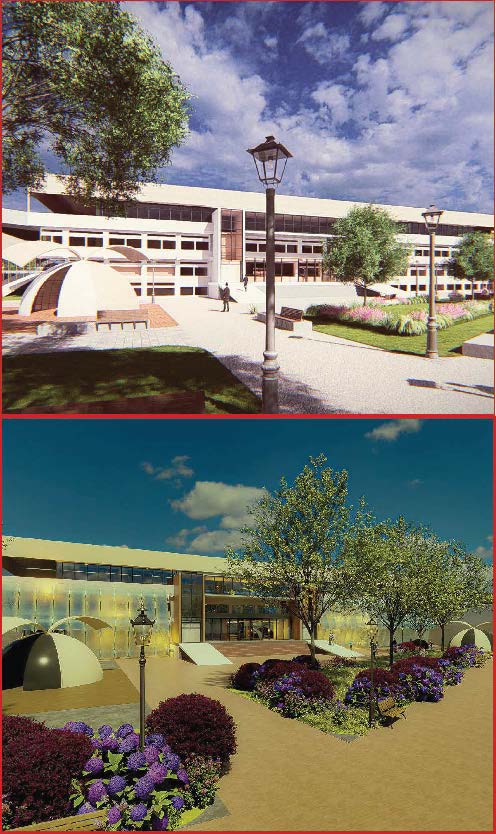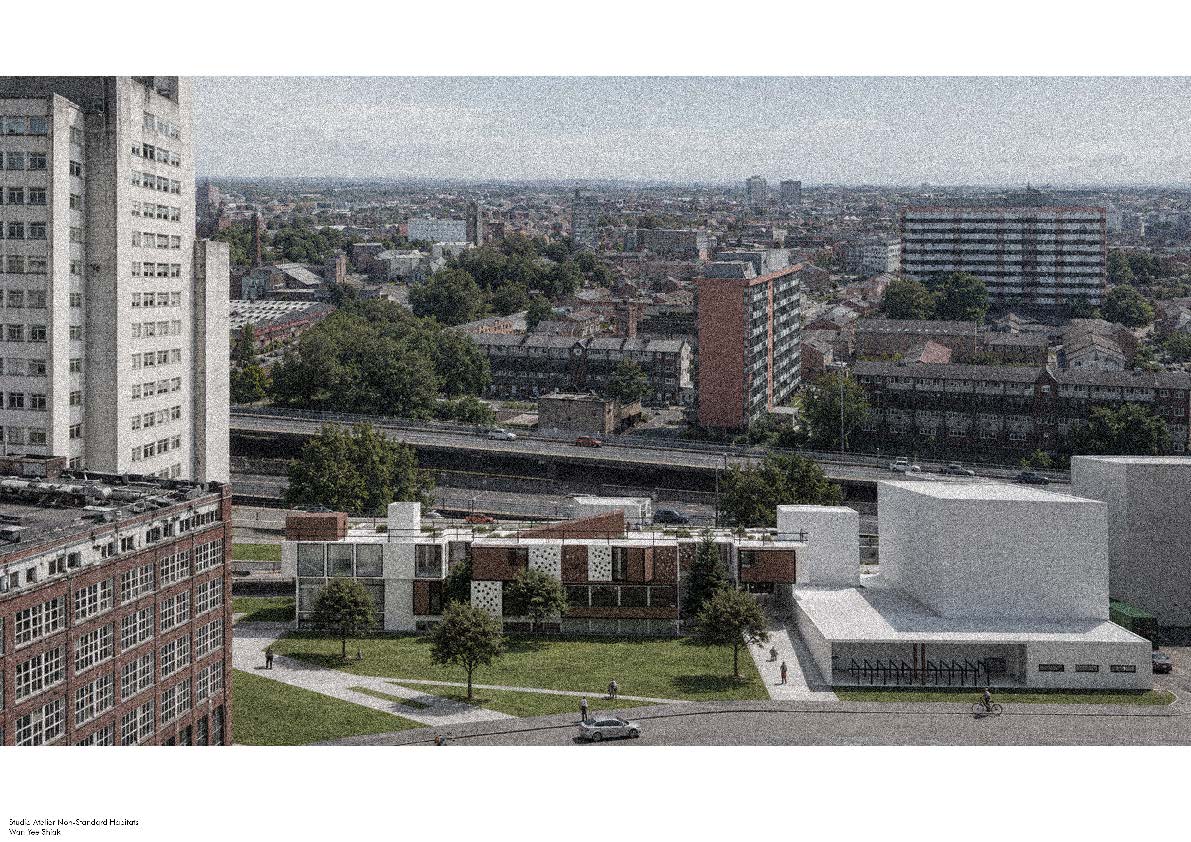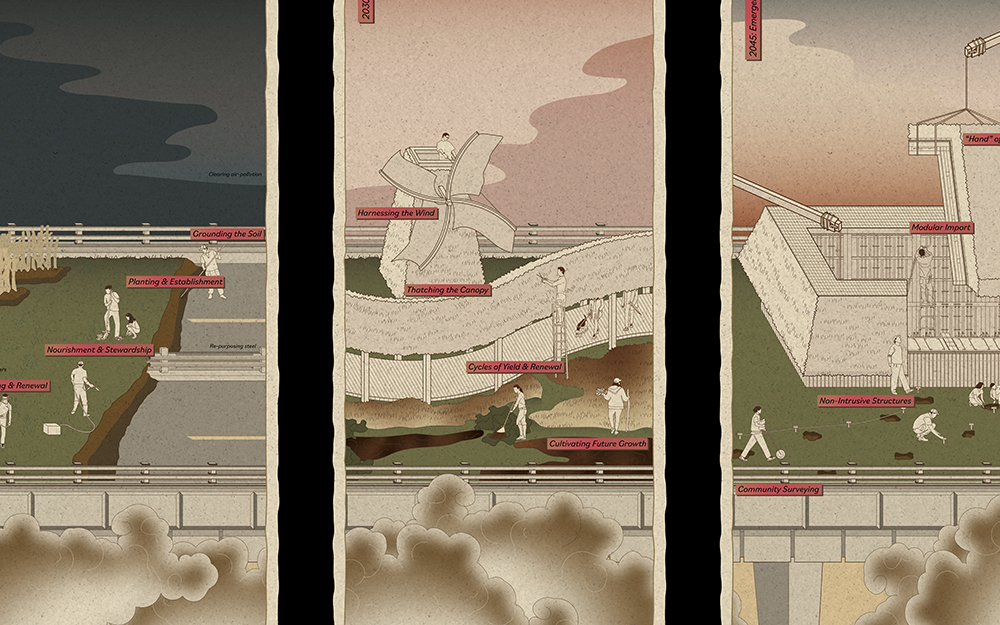

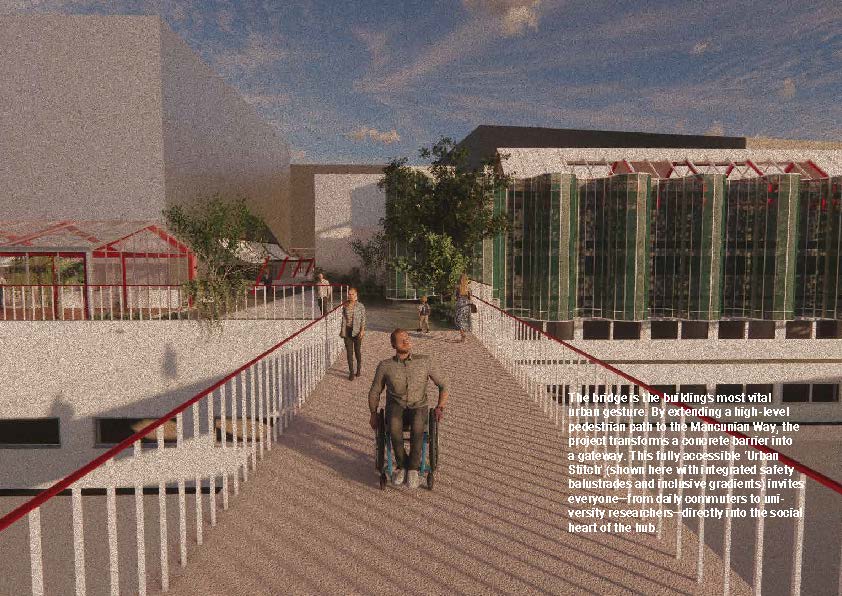
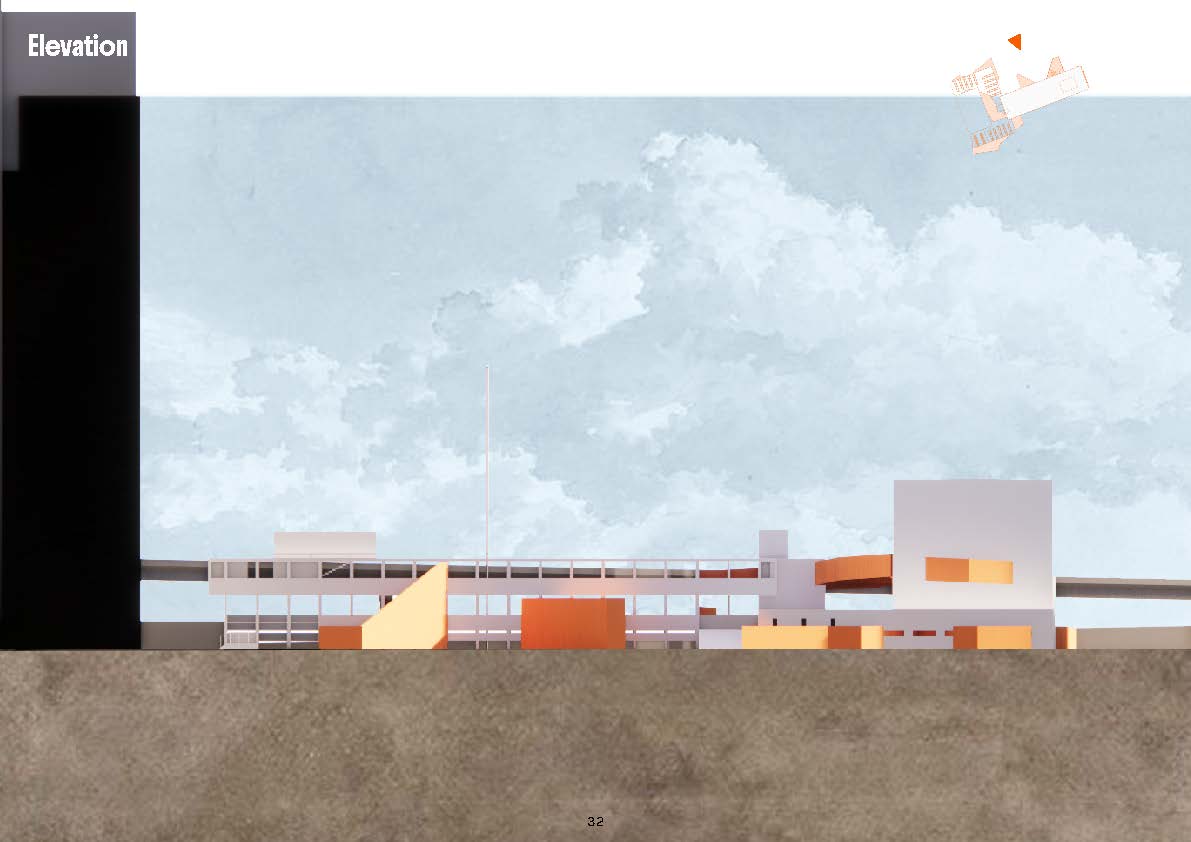
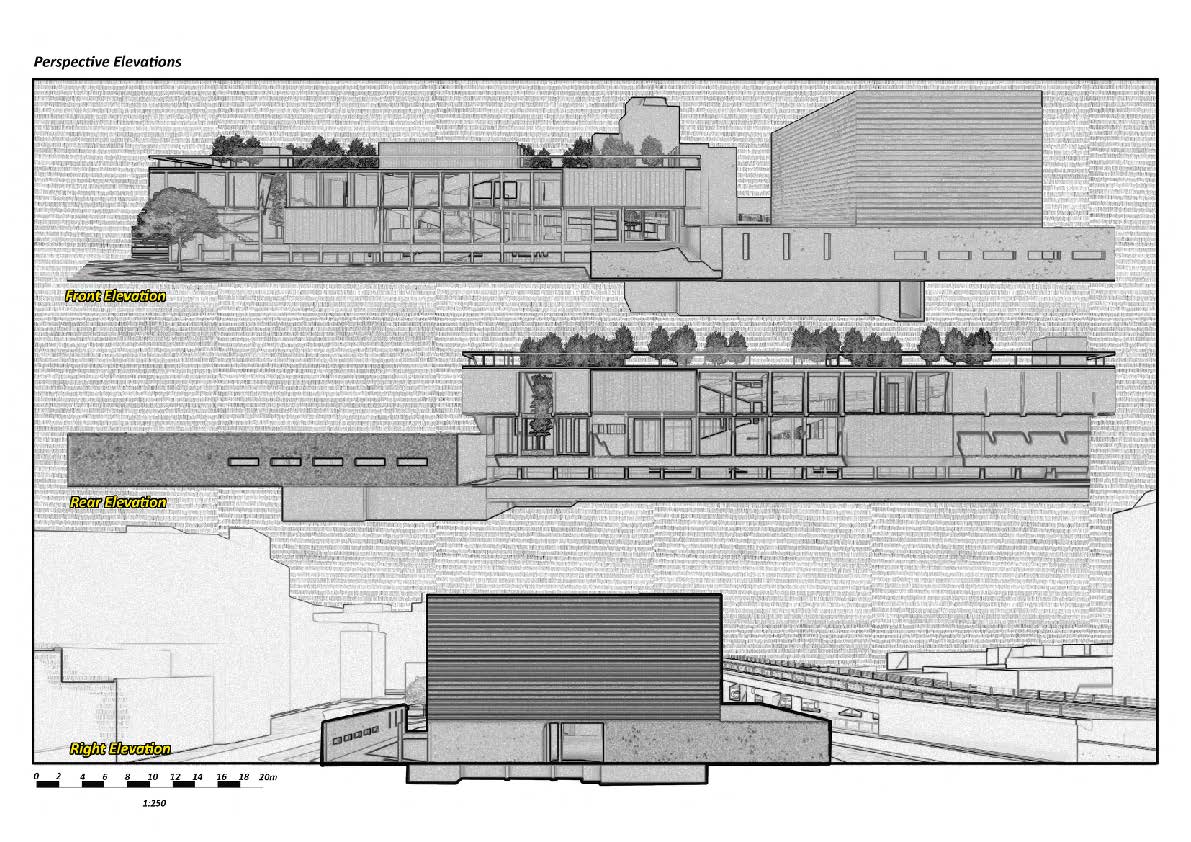
This year, the atelier examined our role as designers in responding to carbon emissions by proposing speculative futures for Manchester, with a focus on the Mancunian Way. Aligned with the city's ambition to achieve net-zero emissions by mid-century and halve emissions by 2030, the work situates design inquiry within Manchester's leadership in the UK's zero-carbon agenda. Large post-war concrete corridors once embodied aspirational visions of progress and interconnection. Today they stand as contributors to environmental degradation and habitat loss; as sources of pollution, noise, and danger. Conceived for speed and mobility, they are increasingly misaligned with a world shaped by digital networks and urgent ecological concerns. As vast monuments to concrete modernity, they hold the material legacy of their age.

Designed in 1962, the Mancunian Way reflects these dreams—both futuristic and flawed. Today it emerges as a terrain of distinctive possibilities. What if the Mancunian Way offered a different kind of service – no longer functioning primarily as a vehicular thoroughfare, but reimagined as a new corridor? Could it become a space that enriches local habitats and communities, improves educational aspirations, stimulates local economies, and even provides political agency for an energy transition that empowers residents? Could we envision a future where highways are taken underground, allowing the city to heal and reconnect by opening new spaces between communities – spaces that support biodiversity, foster social cohesion, and help reduce carbon emissions in multiple ways.

In response to this, Non-Standard Habitats Atelier wanted to contribute to the debate by proposing visionary ideas for how the Mancunian Way can offer a catalyst for a change, and demonstrating how as both architects and citizens we can take the lead in shaping that change.

Professional Studies

Architect in Studio: Strategy (AiSS)

Architect in Studio: Strategy (AiSS)

In MArch1 of Non-standard Habitats, we interpreted the atelier theme of 'carbon futures' to explore decarbonisation and the architecture of communities. We understand architecture to be an act of enrichment of the urban fabric consider buildings to be environments or habitats that are regenerative, support life and enable it to thrive.

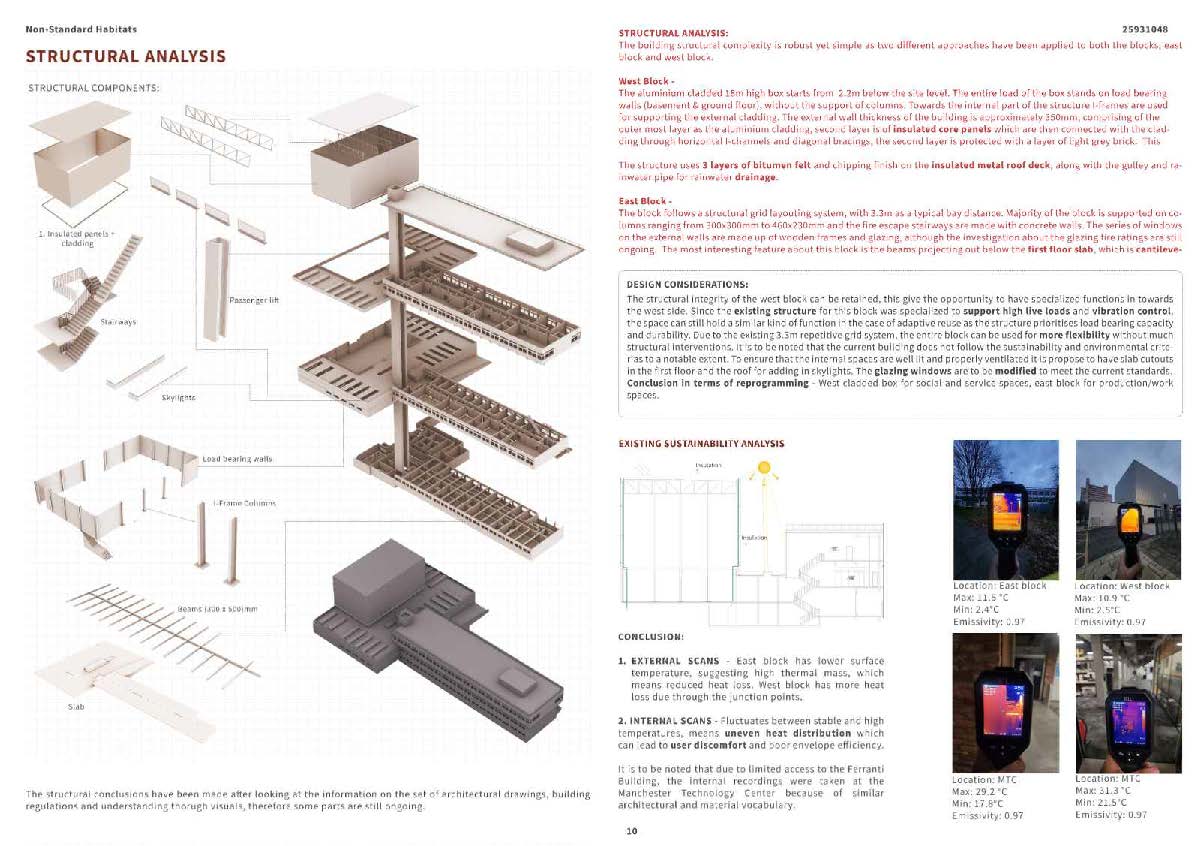
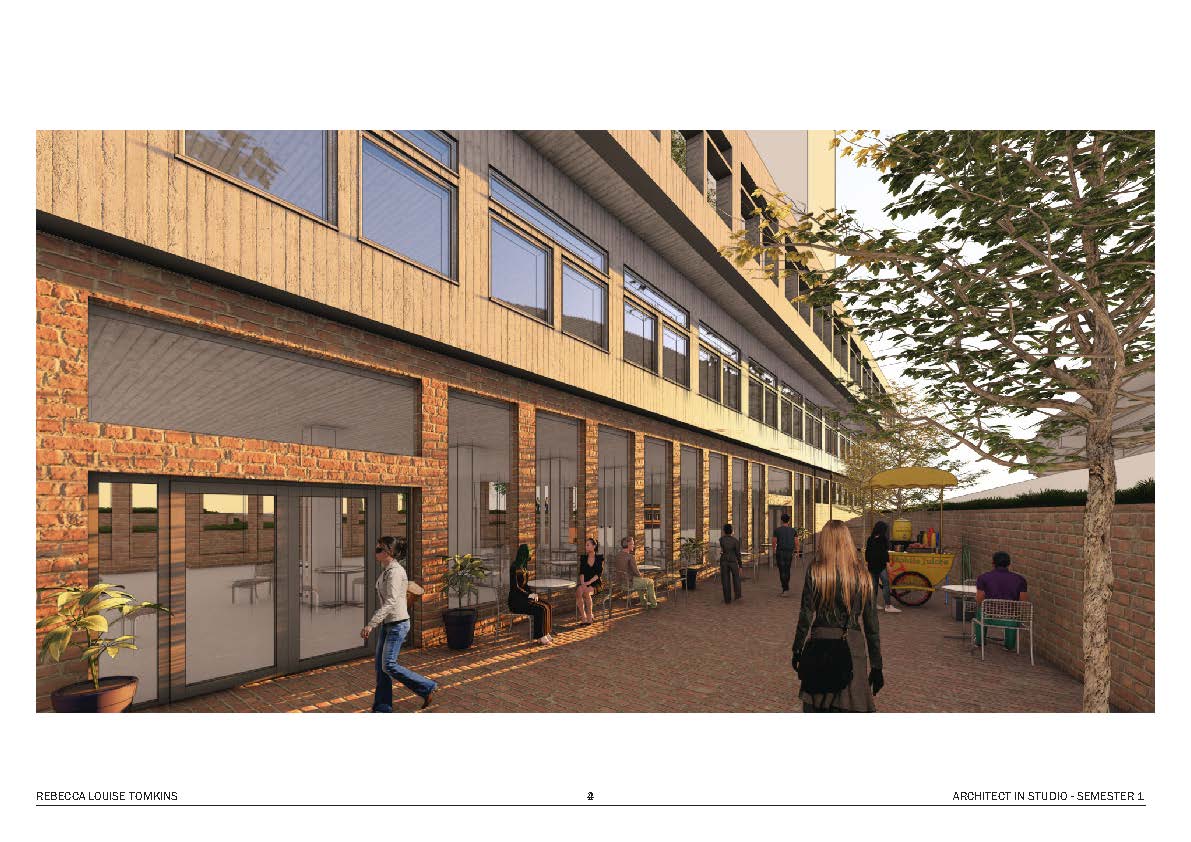
Through a series of design studies, students were tasked with appraising the capacity of an existing building on the University campus for adaptive re-use, to support a thriving community, referencing the 'planetary boundaries' of doughnut economics, amongst other sustainability guidelines and benchmarks.

Programmatic briefs centred on productive, collaborative spaces that are equitable and regenerative, innovating hybrid typologies that create 'non-standard habitats'. The aim was to bring together disparate programmes in a facility to benefit the broad spectrum of the community. This included multi-function event spaces, workshops, studios and other 'work' or productive spaces. Themes of craft, heritage, innovation, making, industry, re-use and repair were explored in student proposals.

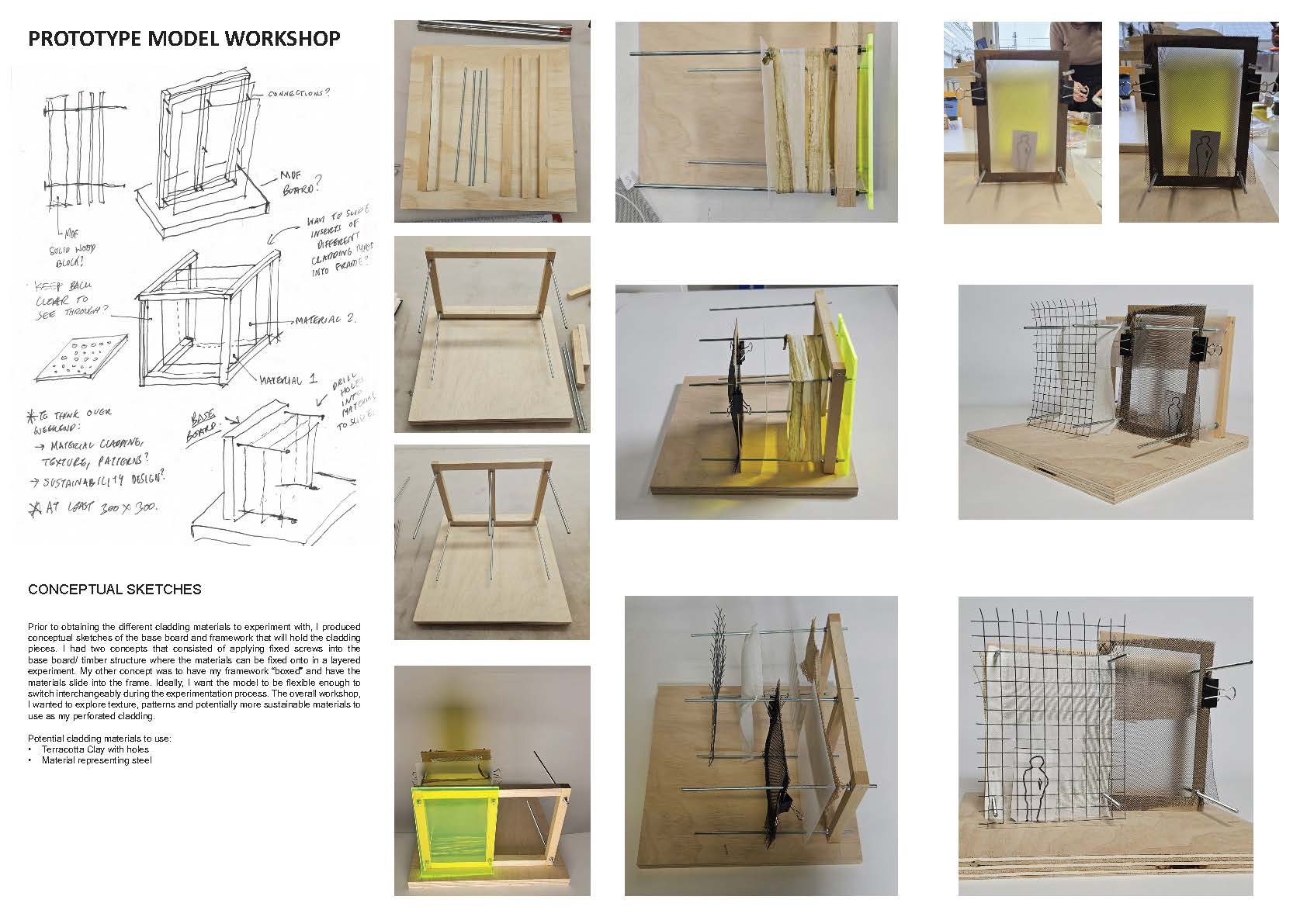
Students employed generative making and prototyping techniques to begin exploring materiality, tectonics and space. Responses to site and context then developed into building proposals via an international 'tactical urbanism' design competition for small scale urban interventions, with students selected in the competition shortlist.

AiS1 Guests

  • Kirsten Henson – KLH Sustainability
  • Sabine Hogenhout – KLH Sustainability
Architect in Studio: Resolution (AiSR)

Architect in Studio: Resolution (AiSR)

In MArch1 of Non-standard Habitats, we interpreted the atelier theme of 'carbon futures' to explore decarbonisation and the architecture of communities. We understand architecture to be an act of enrichment of the urban fabric consider buildings to be environments or habitats that are regenerative, support life and enable it to thrive.

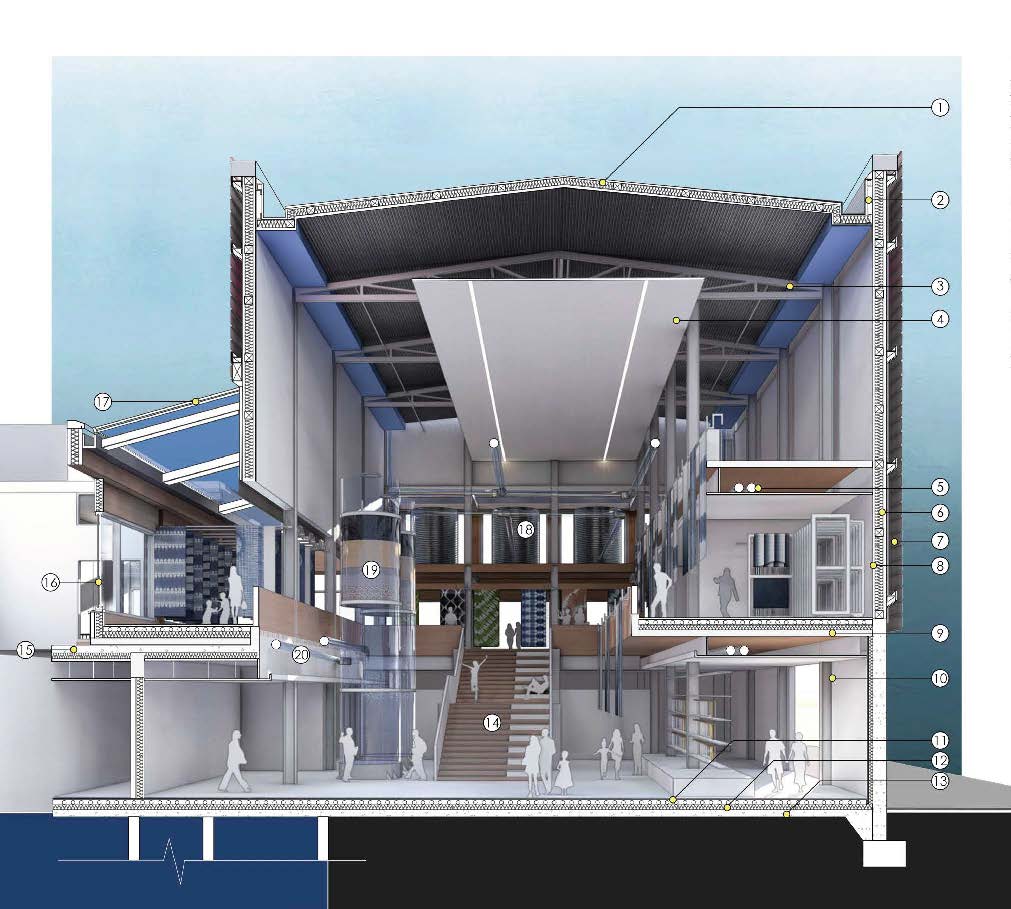
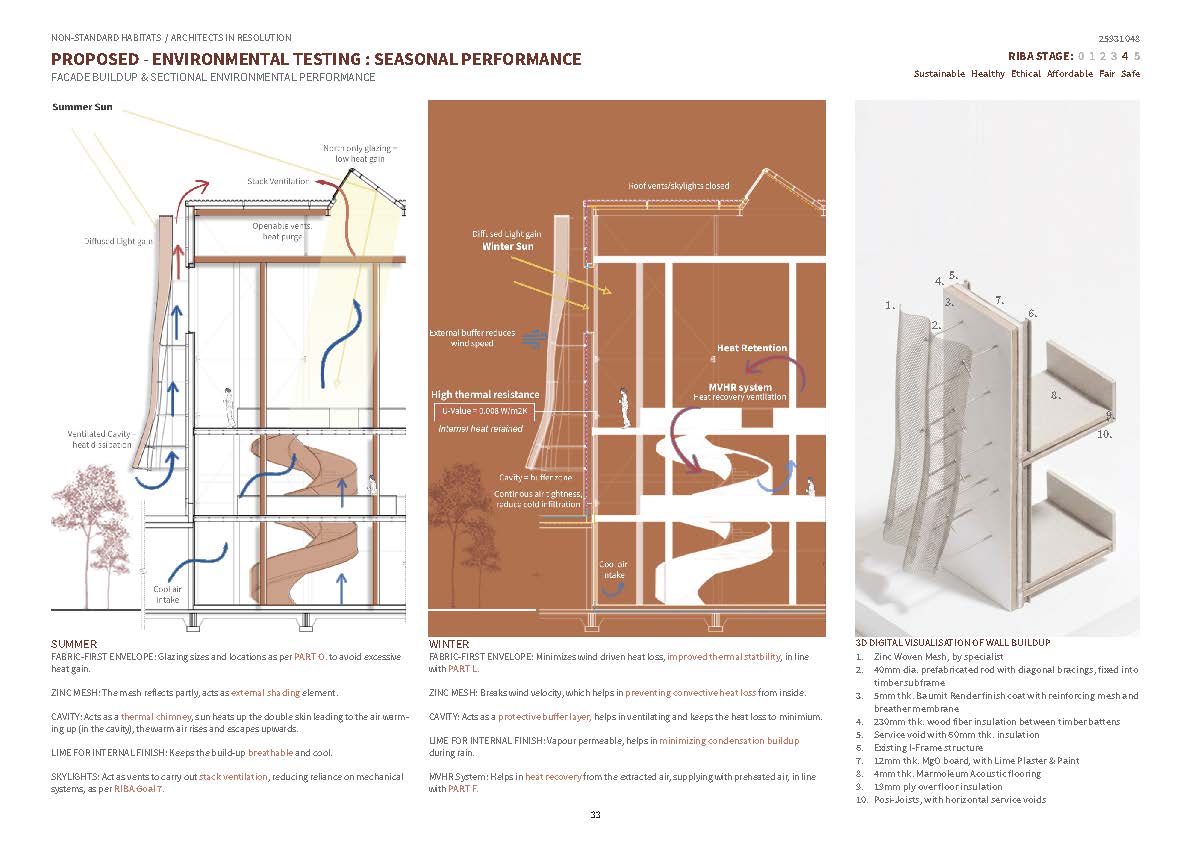
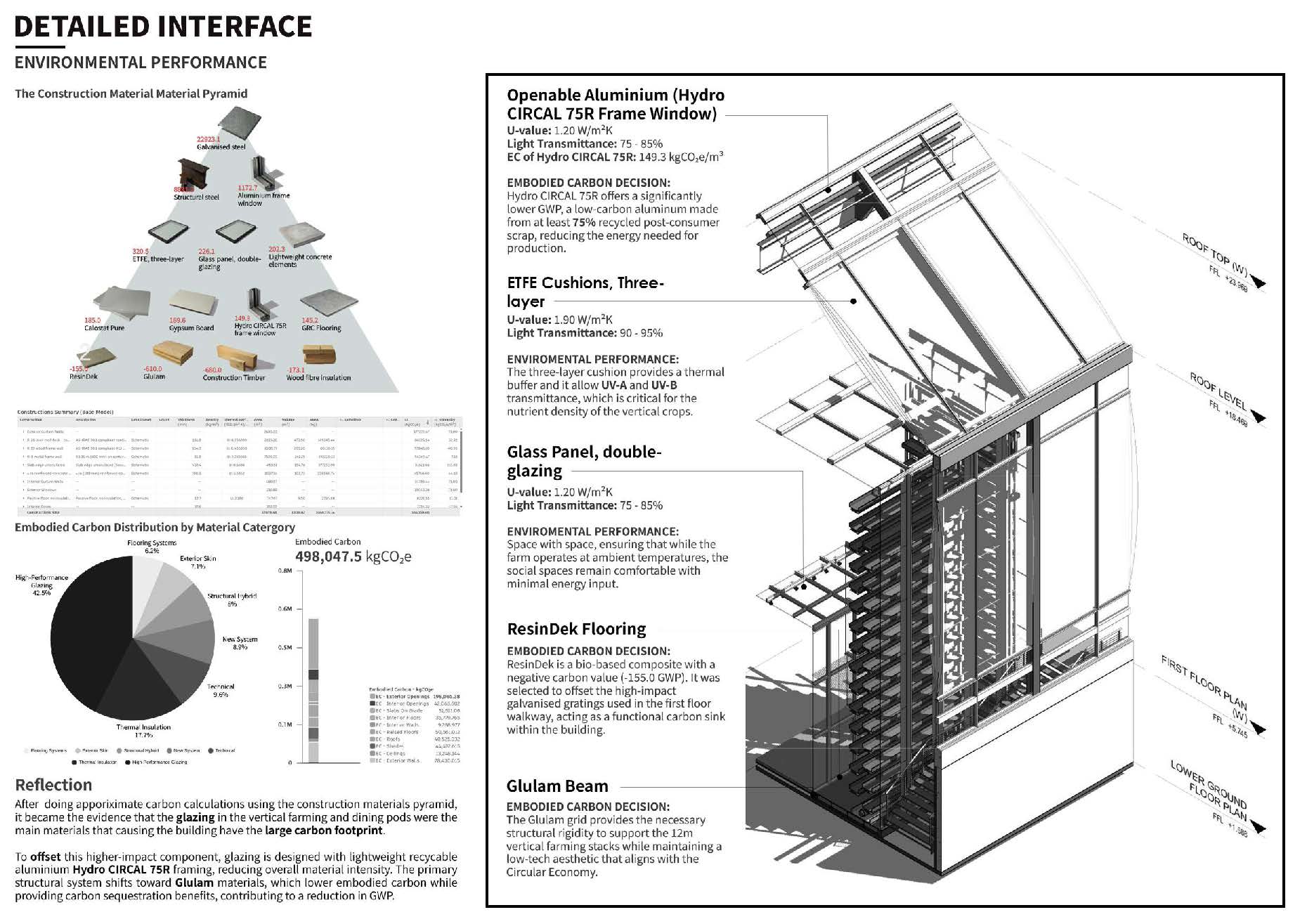
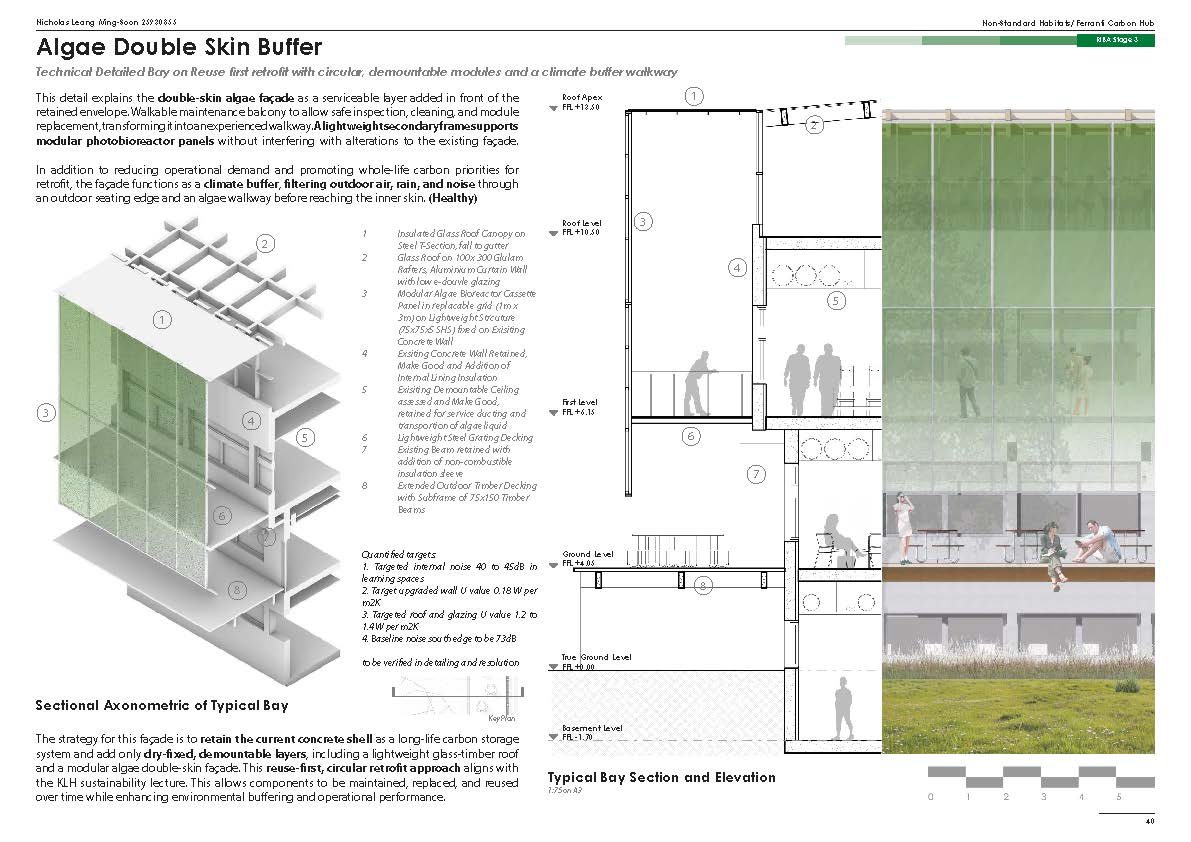
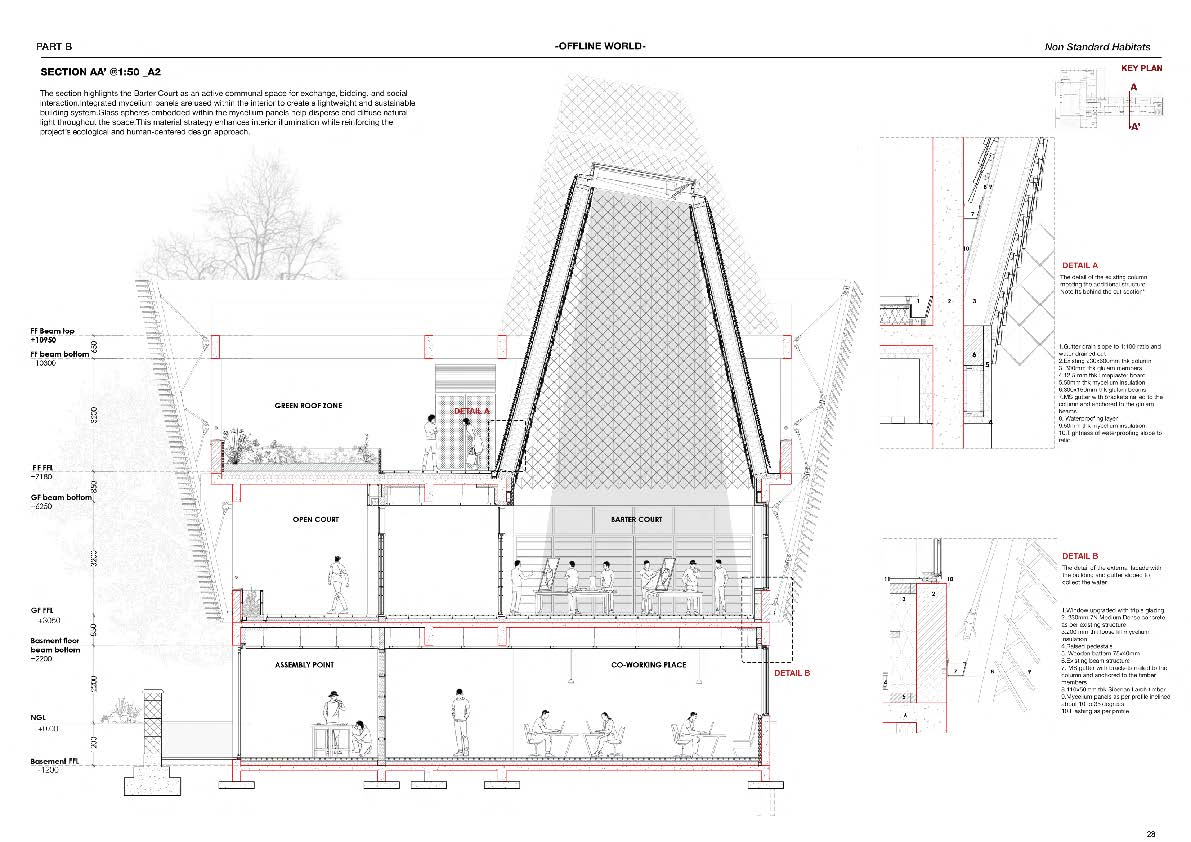
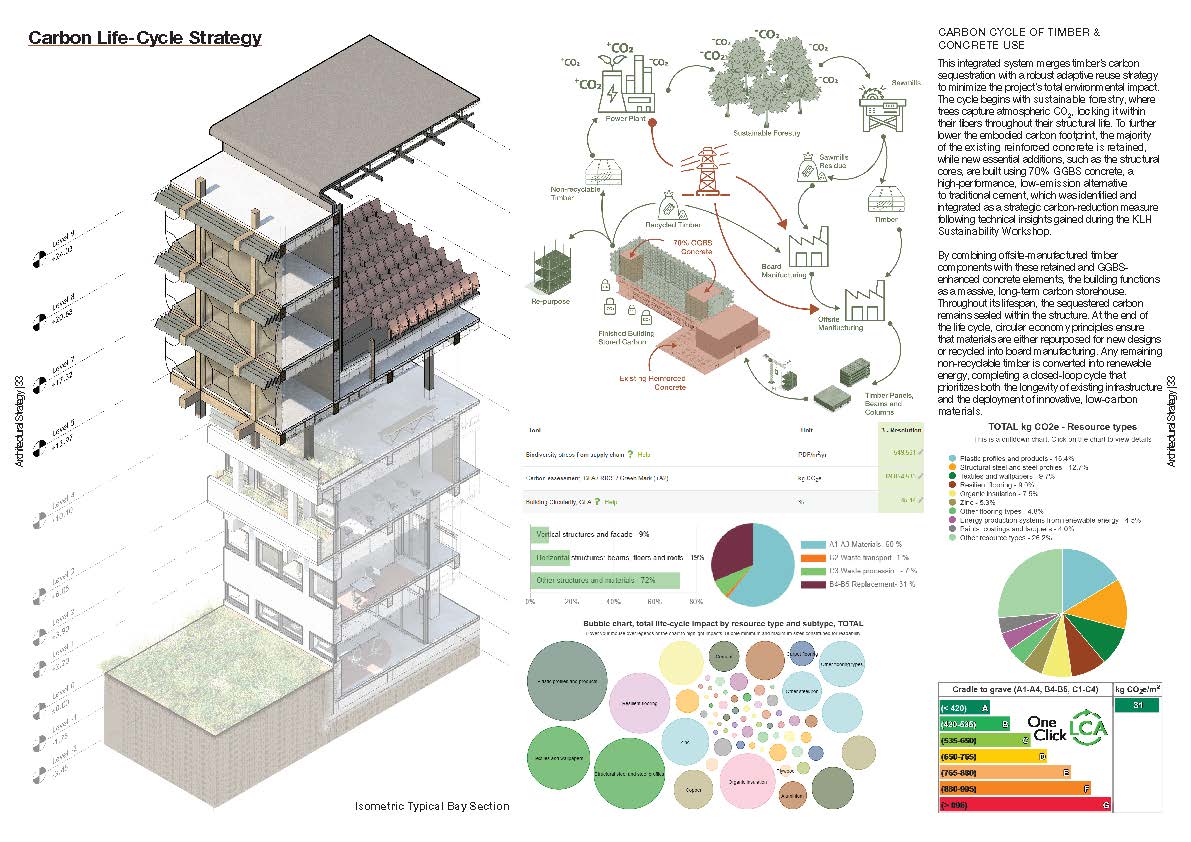
Through a series of design studies, students were tasked with appraising their initial, holistic building re-use proposals from semester 1 through charrettes and guest workshops led by expert sustainability consultants, architectural practitioners and researchers. Students employed generative conceptual prototyping techniques to further develop attitudes and intent for technology and environment and the deployment of materials and materiality for spatial effect, environmental moderation and modulation.

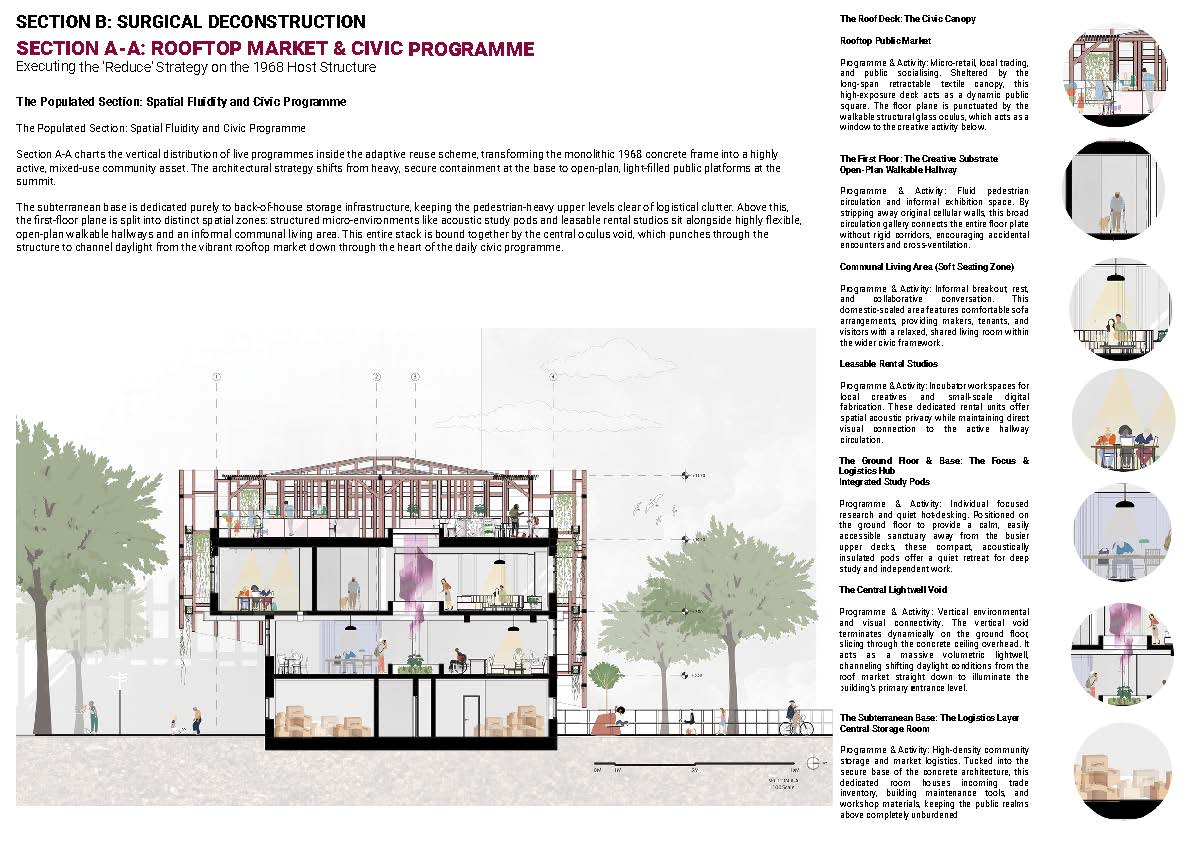
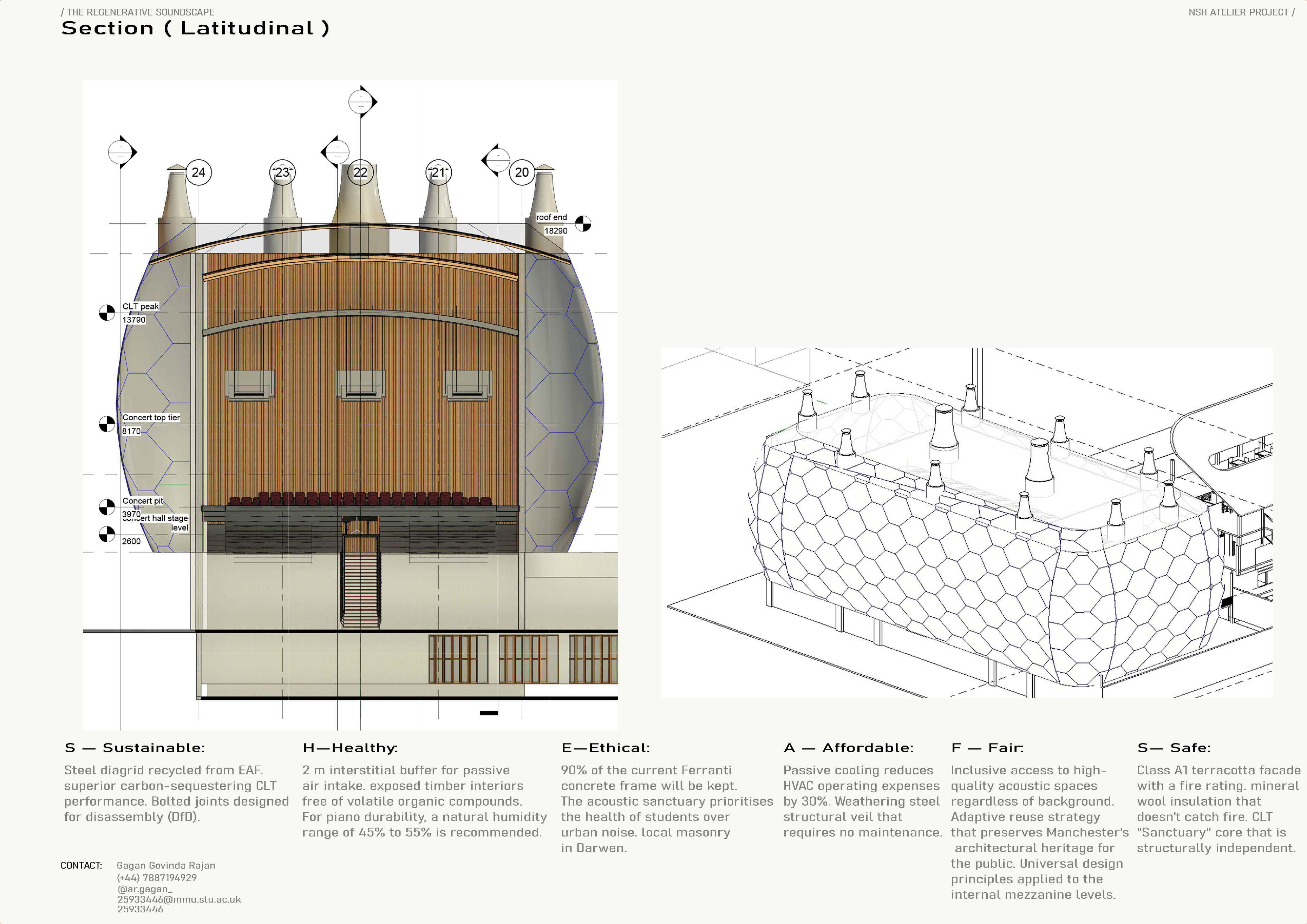
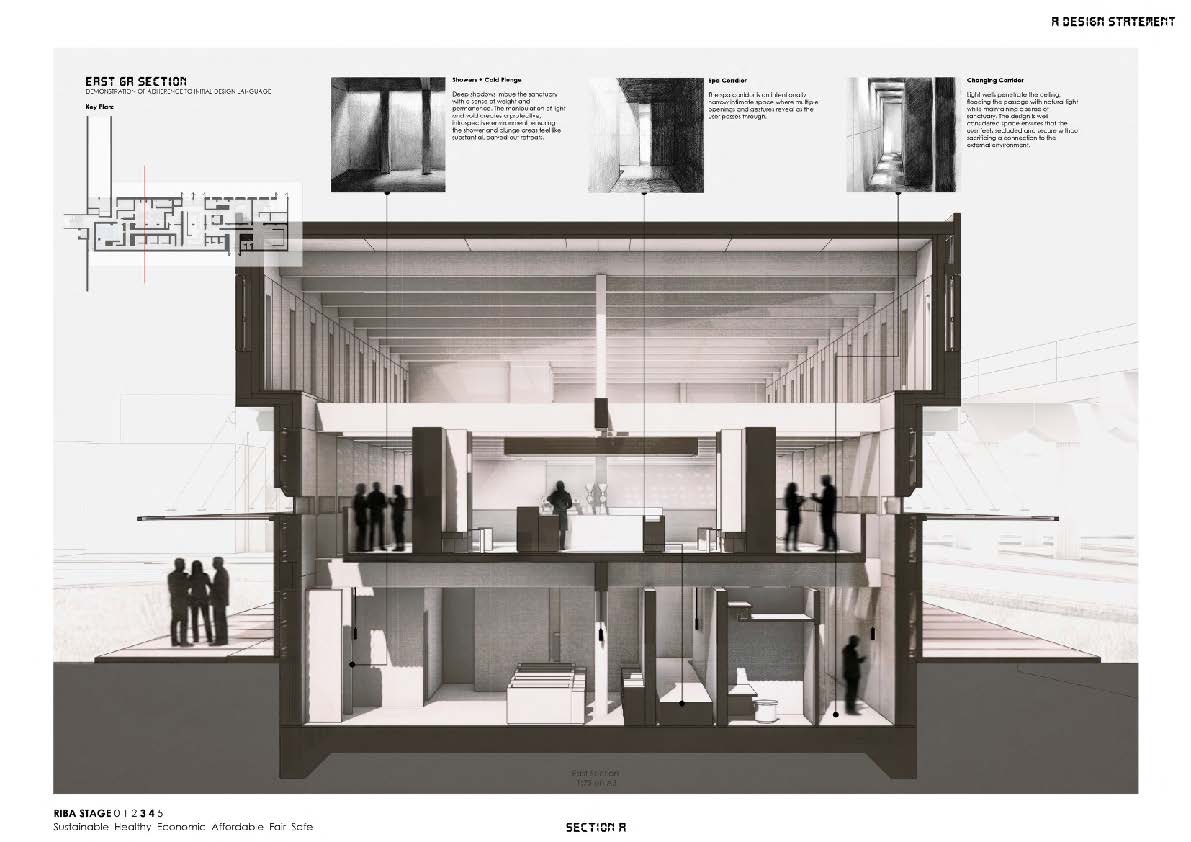
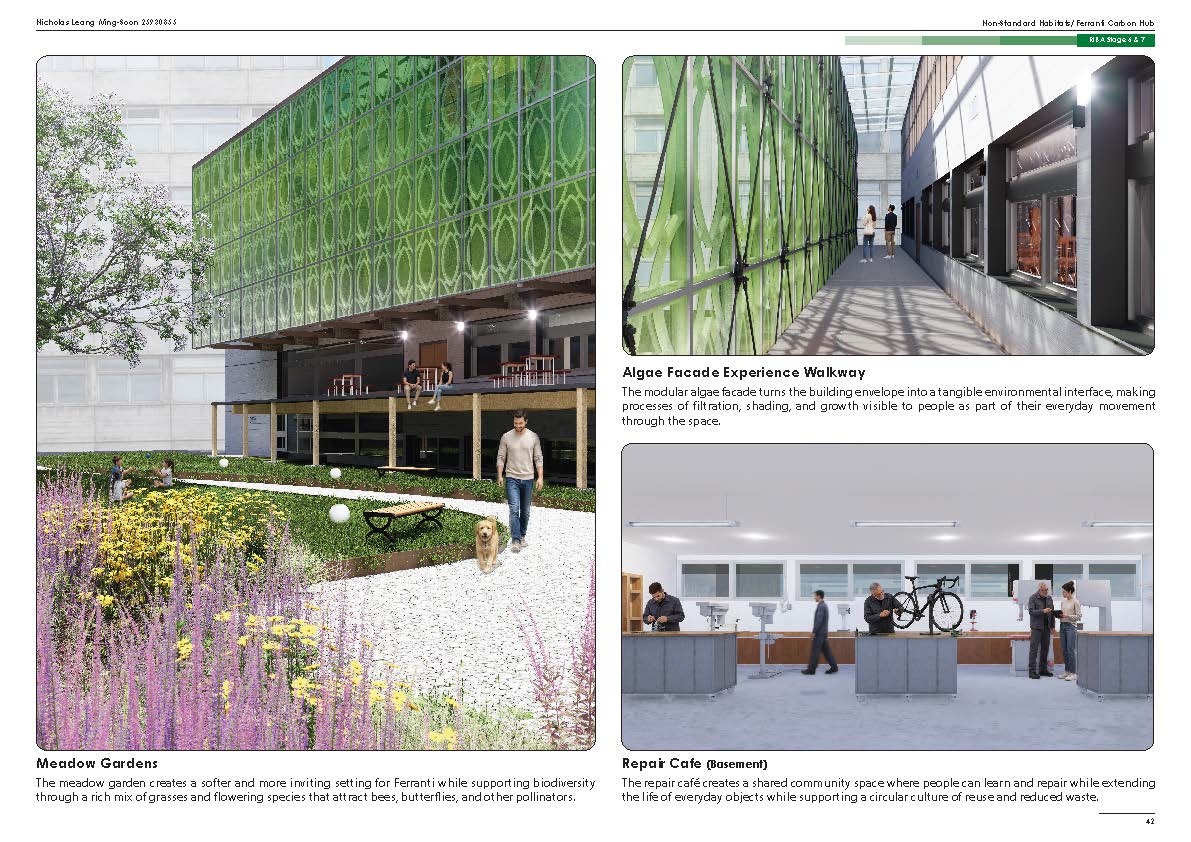
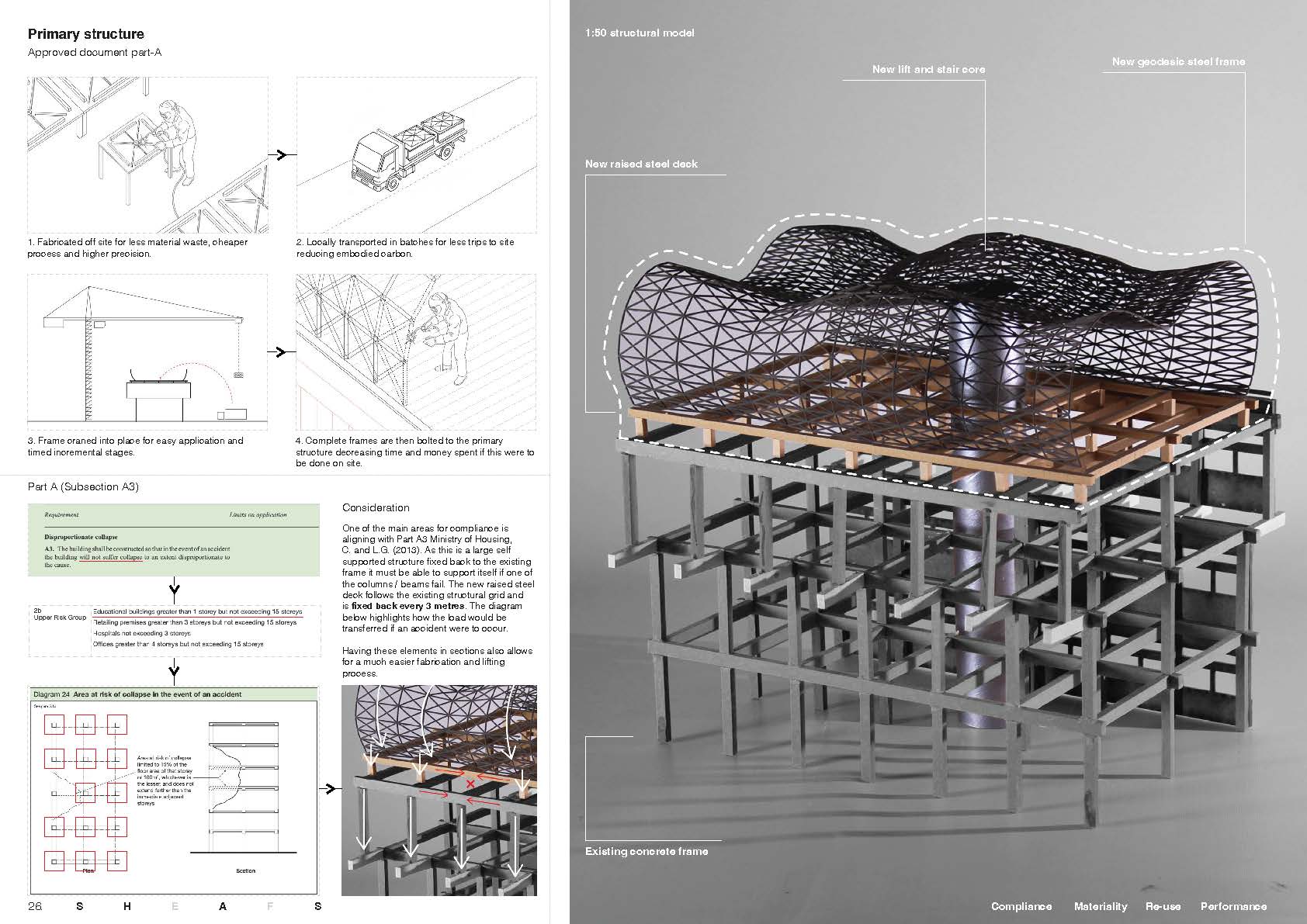
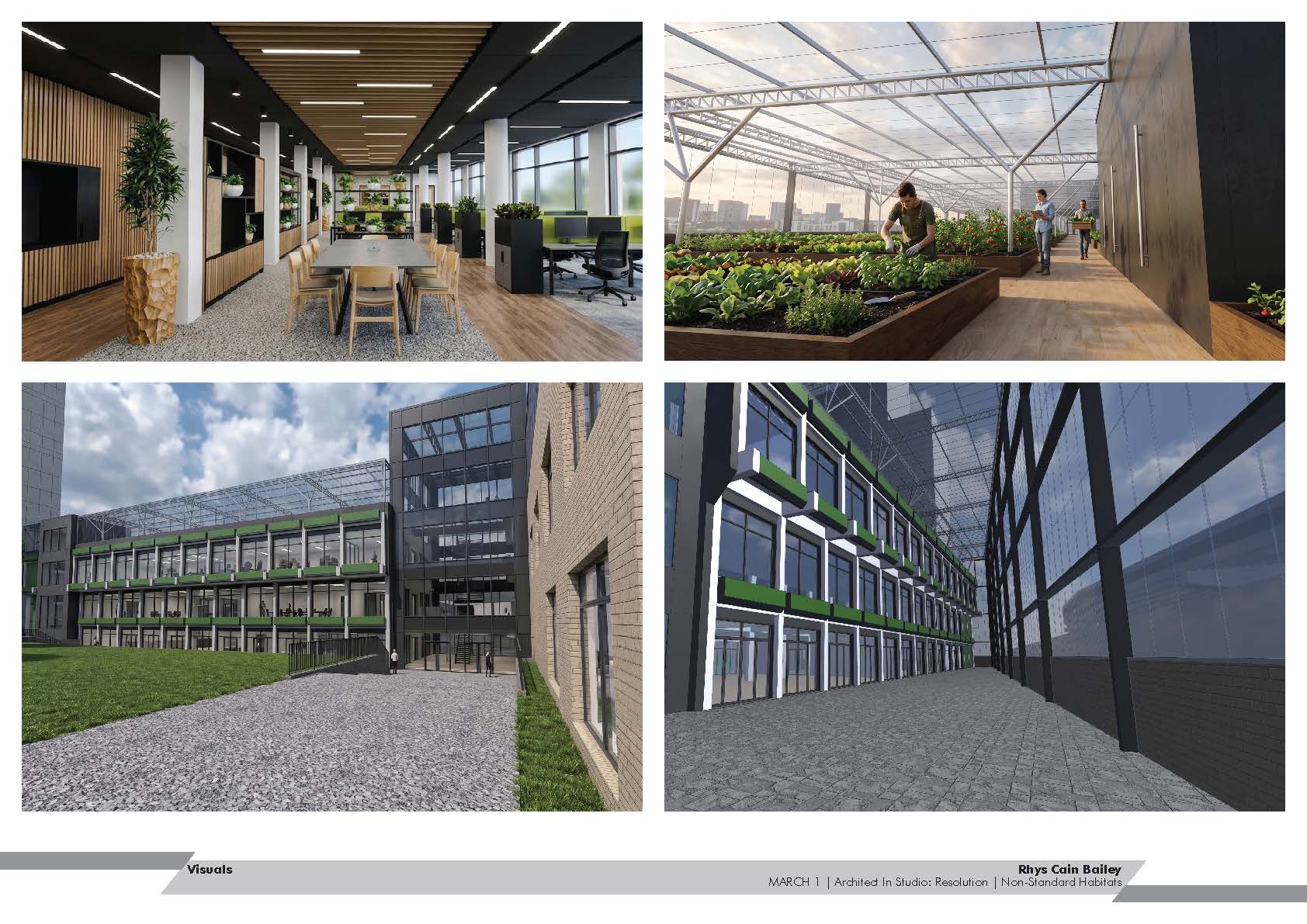
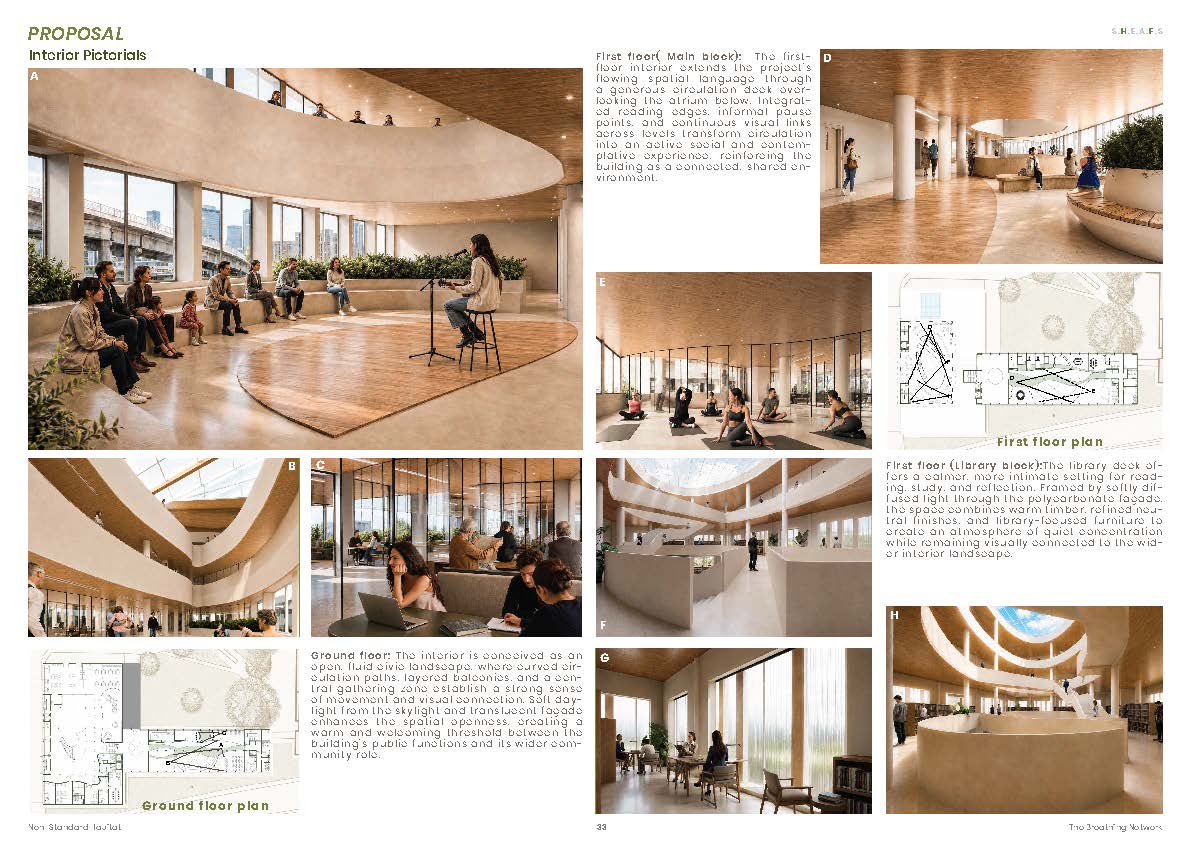
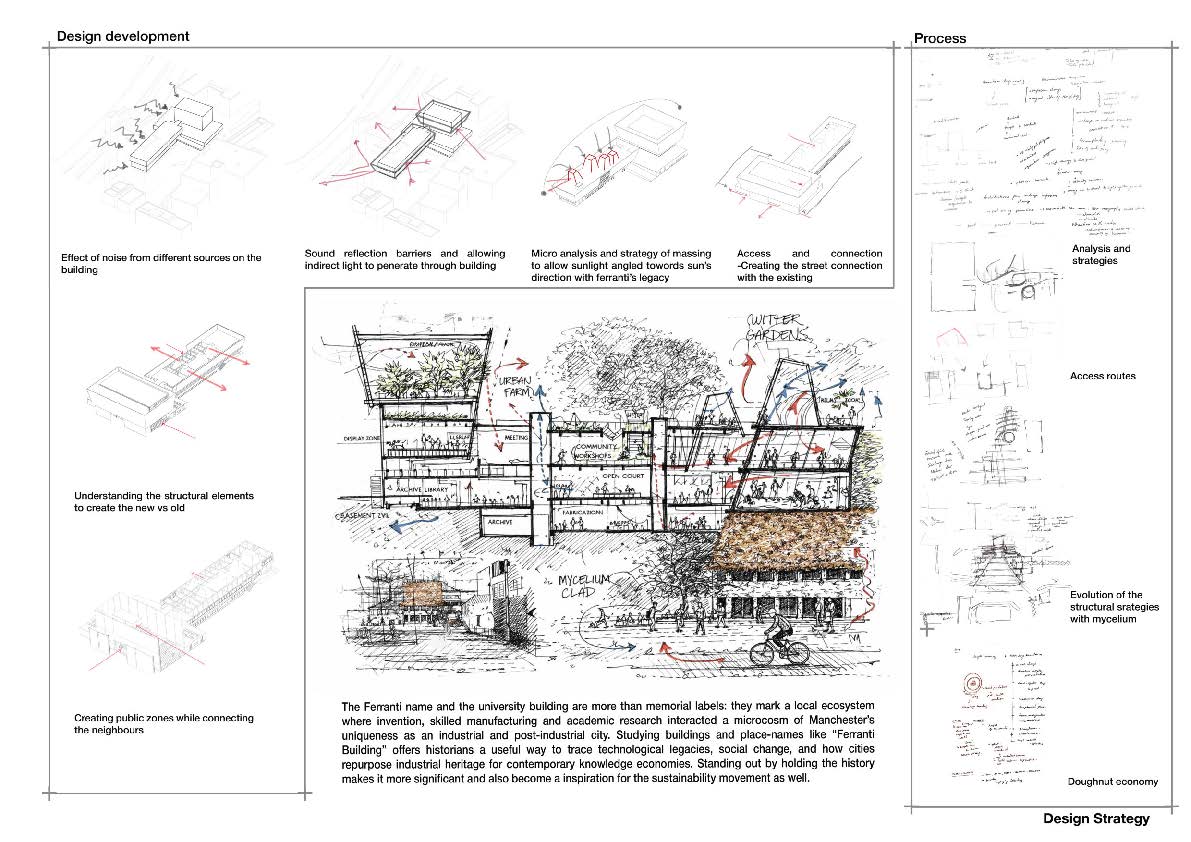
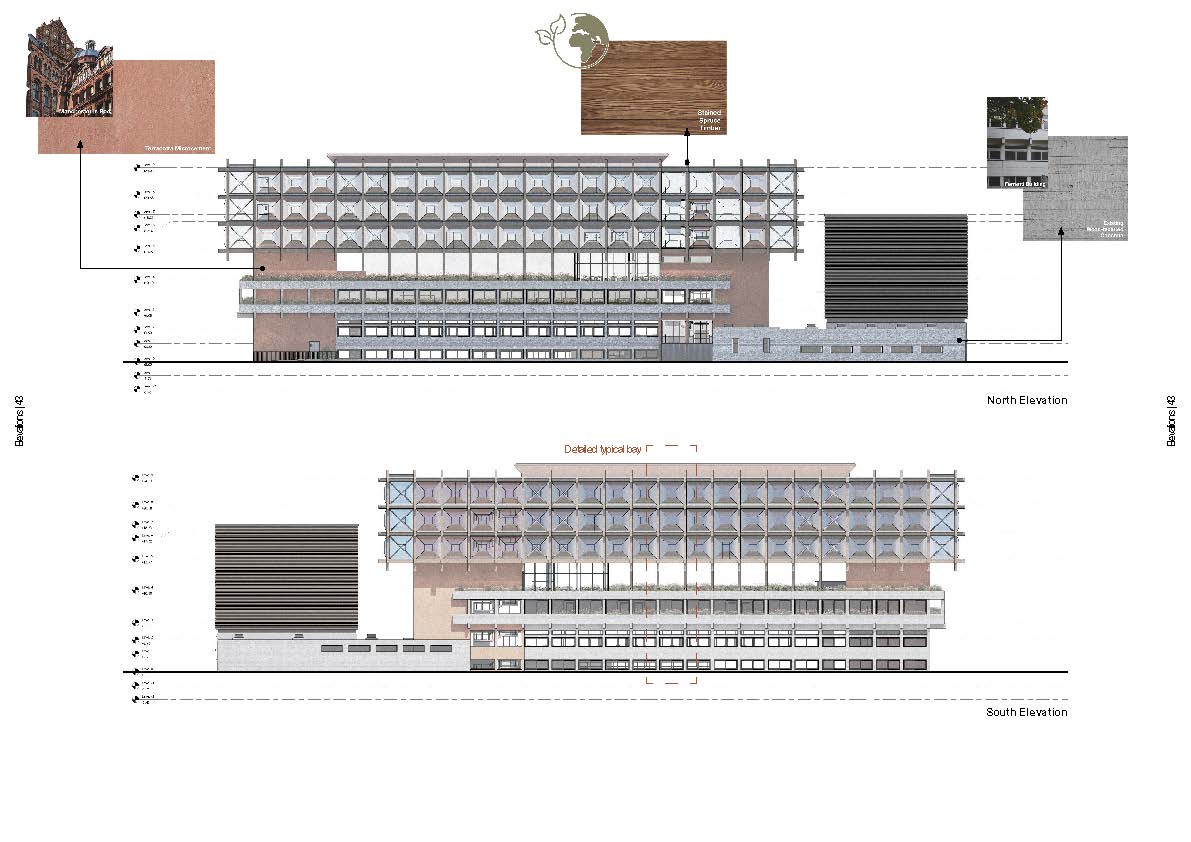
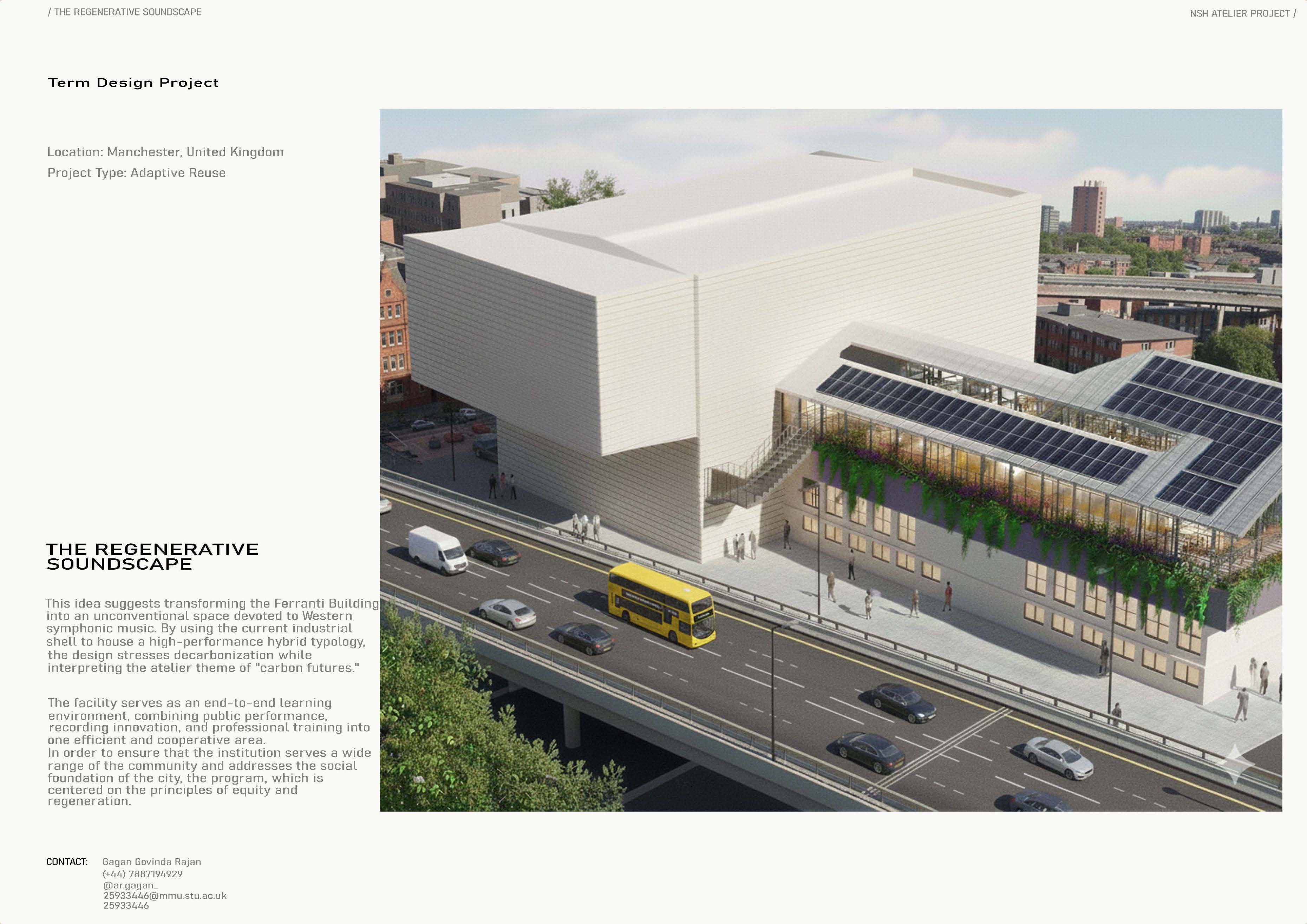
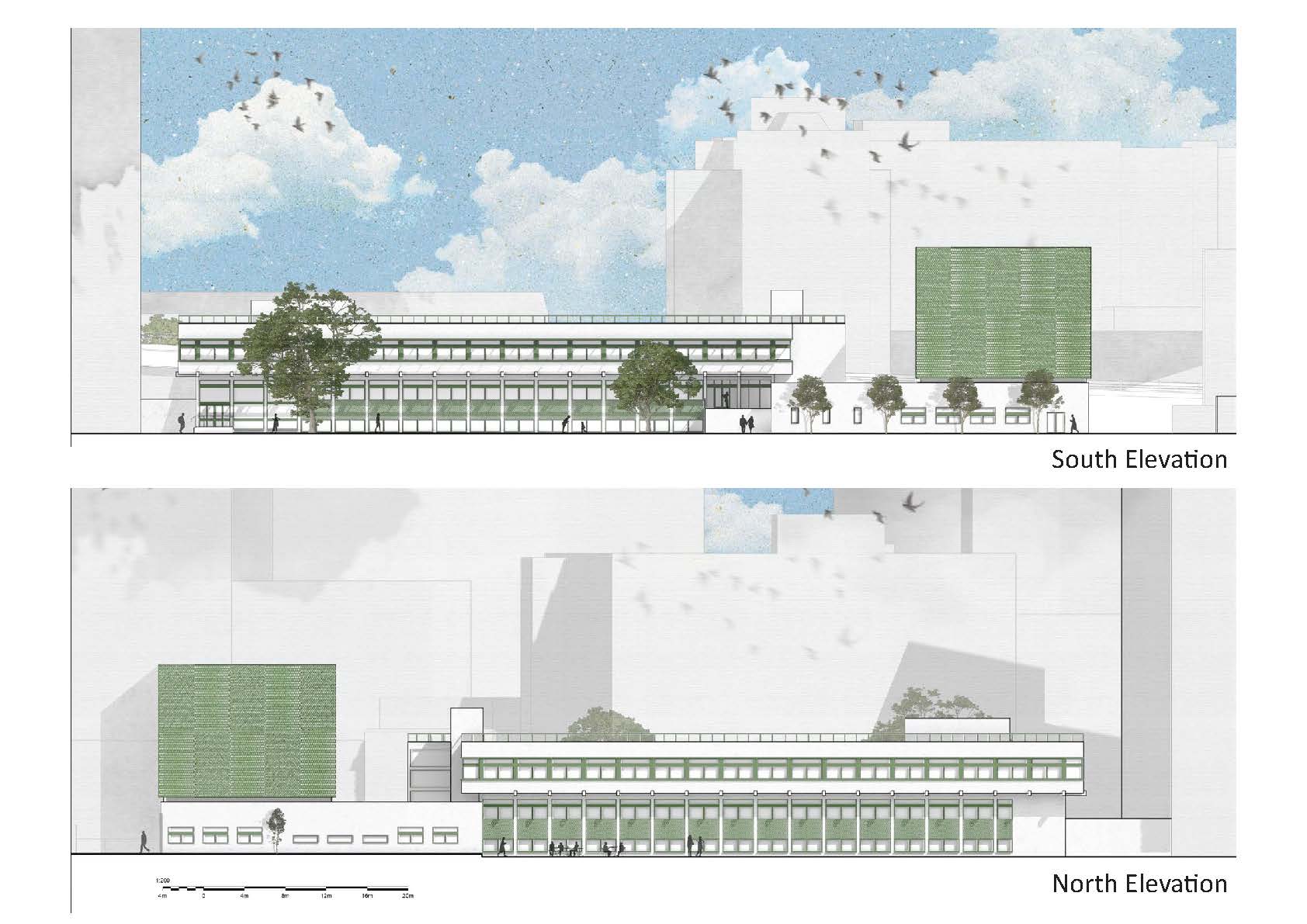
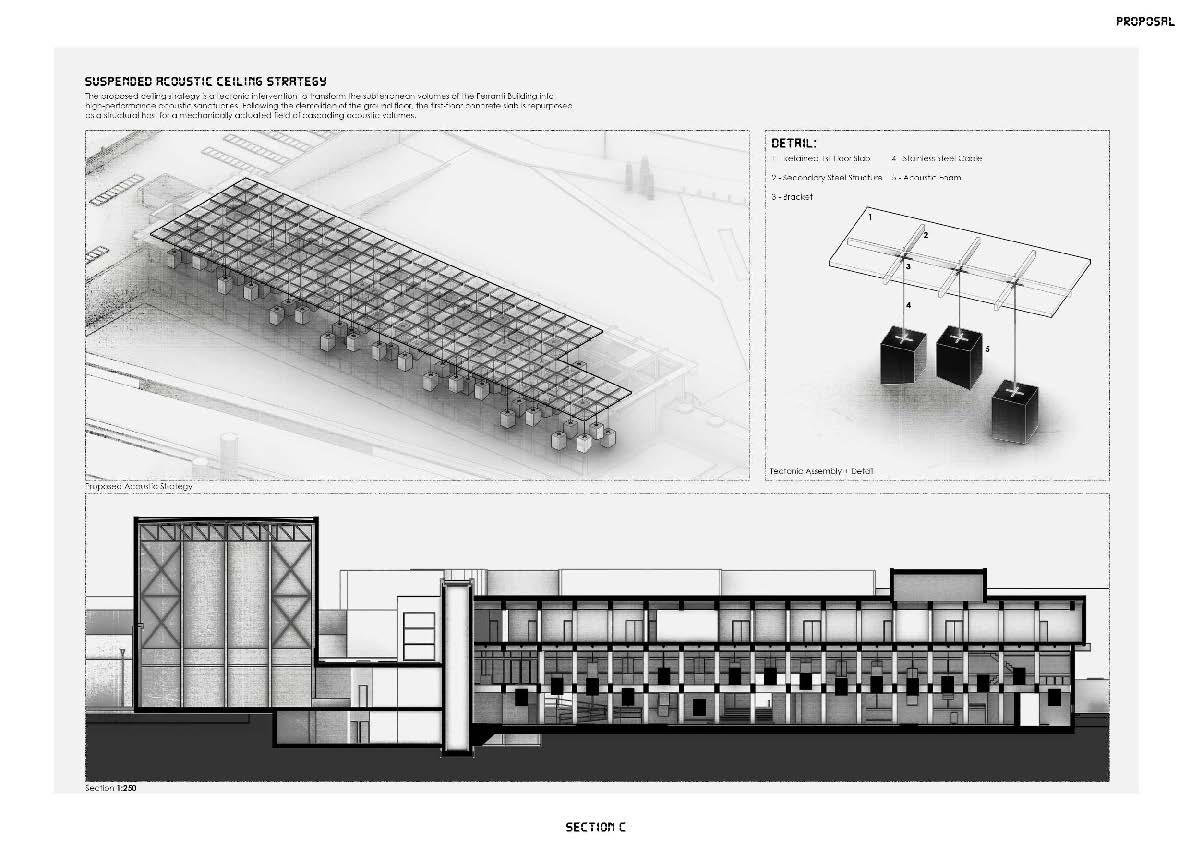
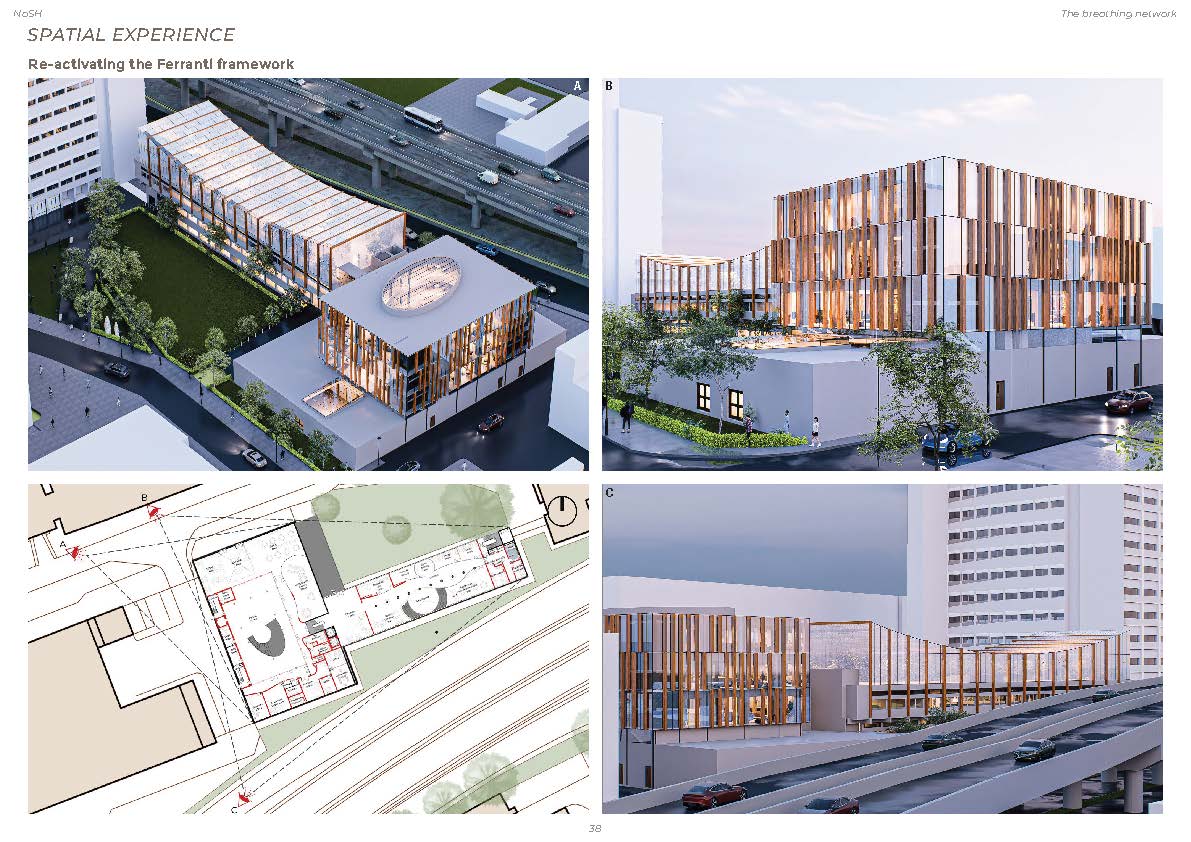
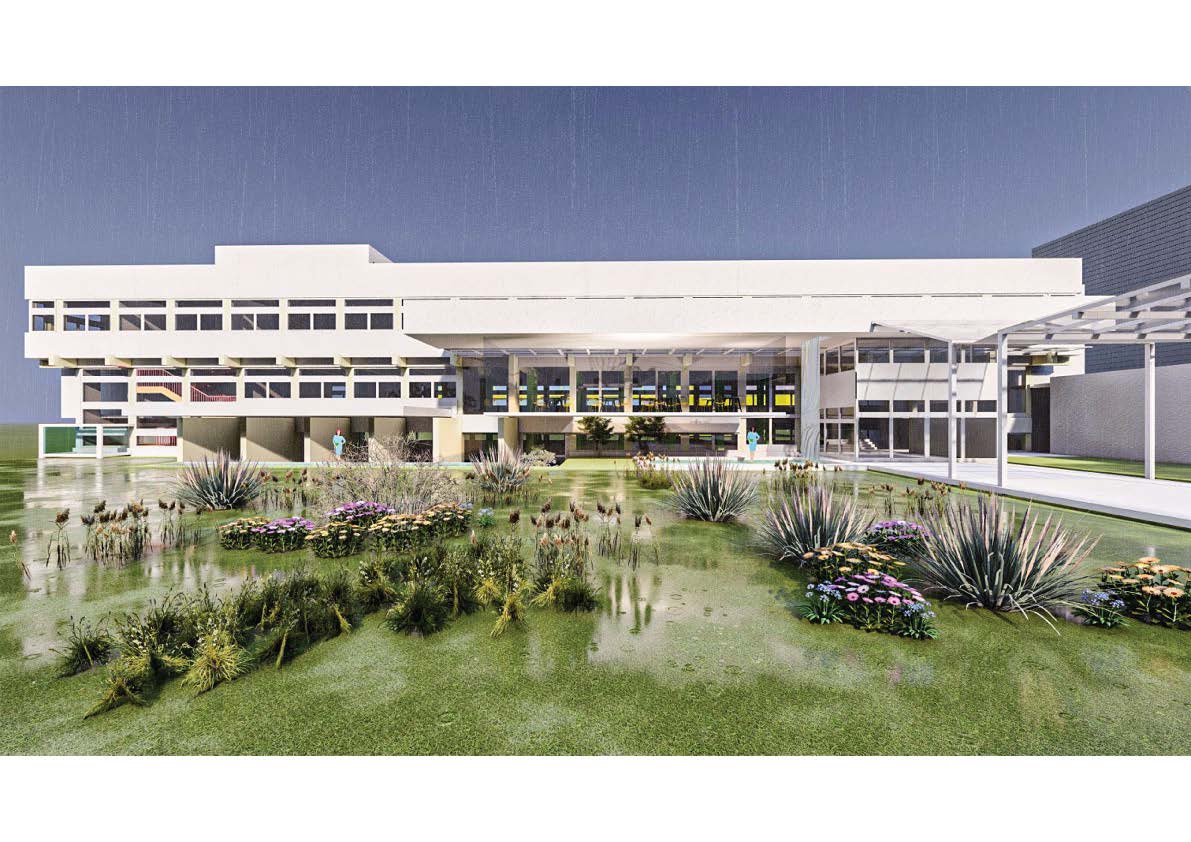
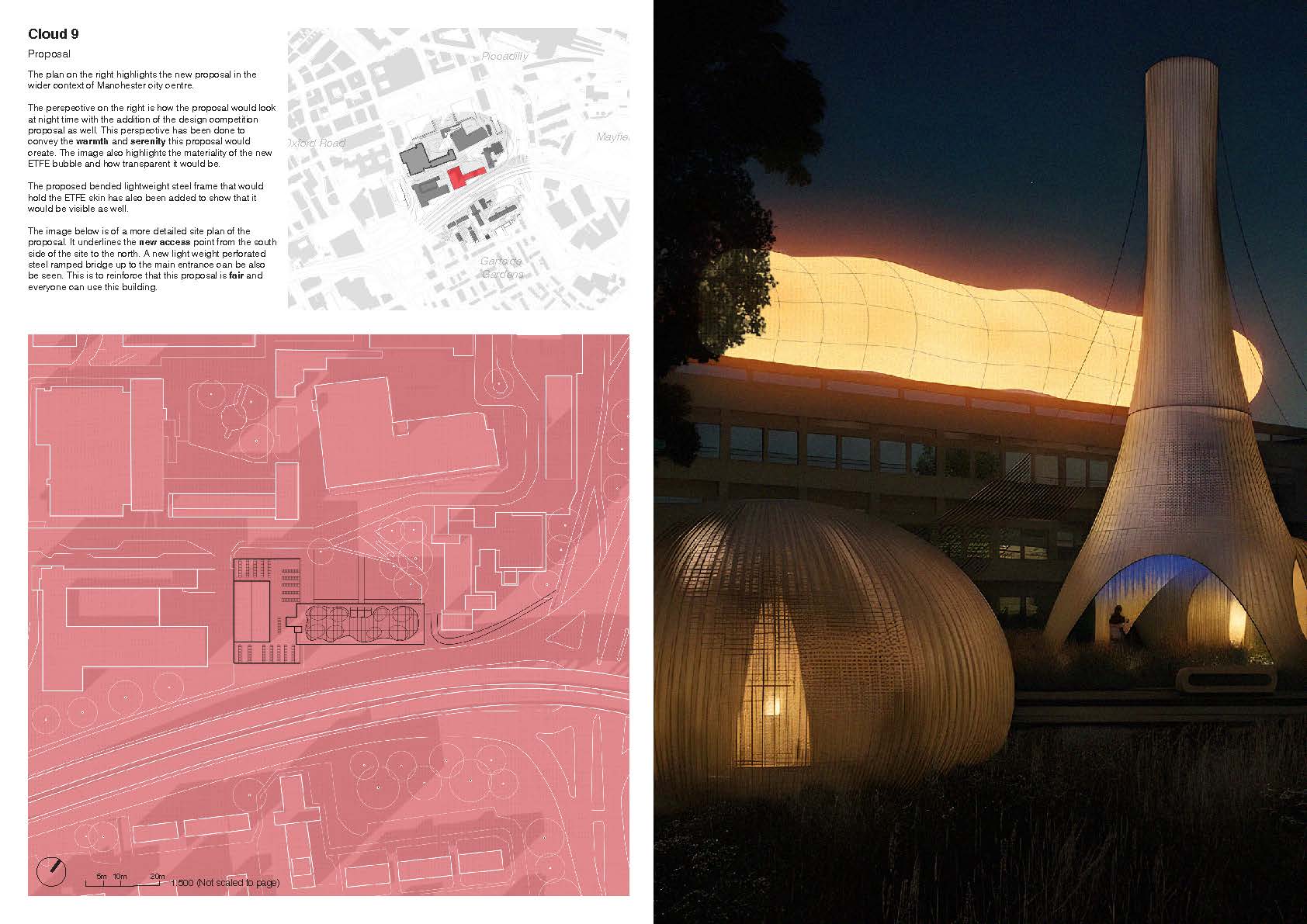
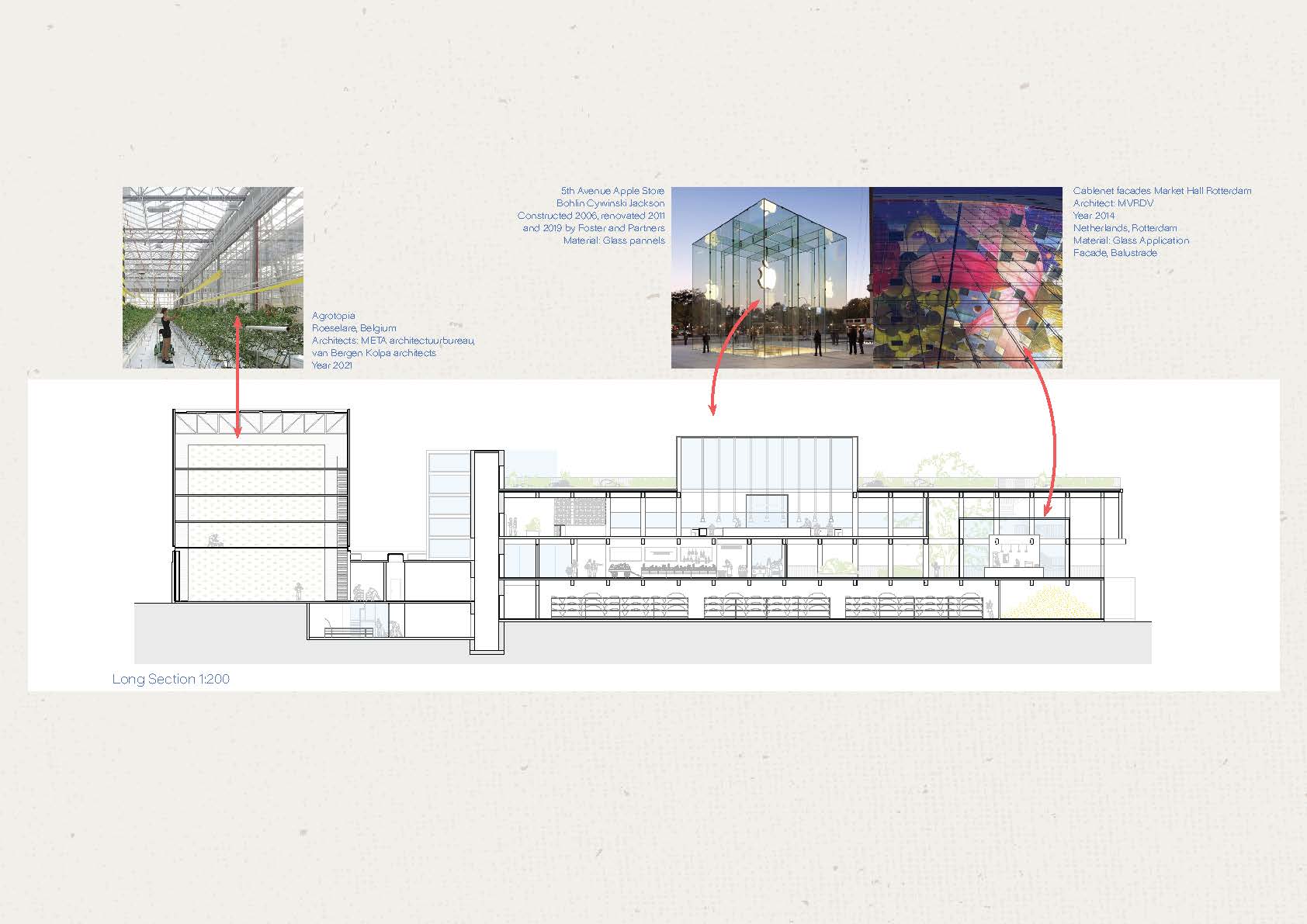
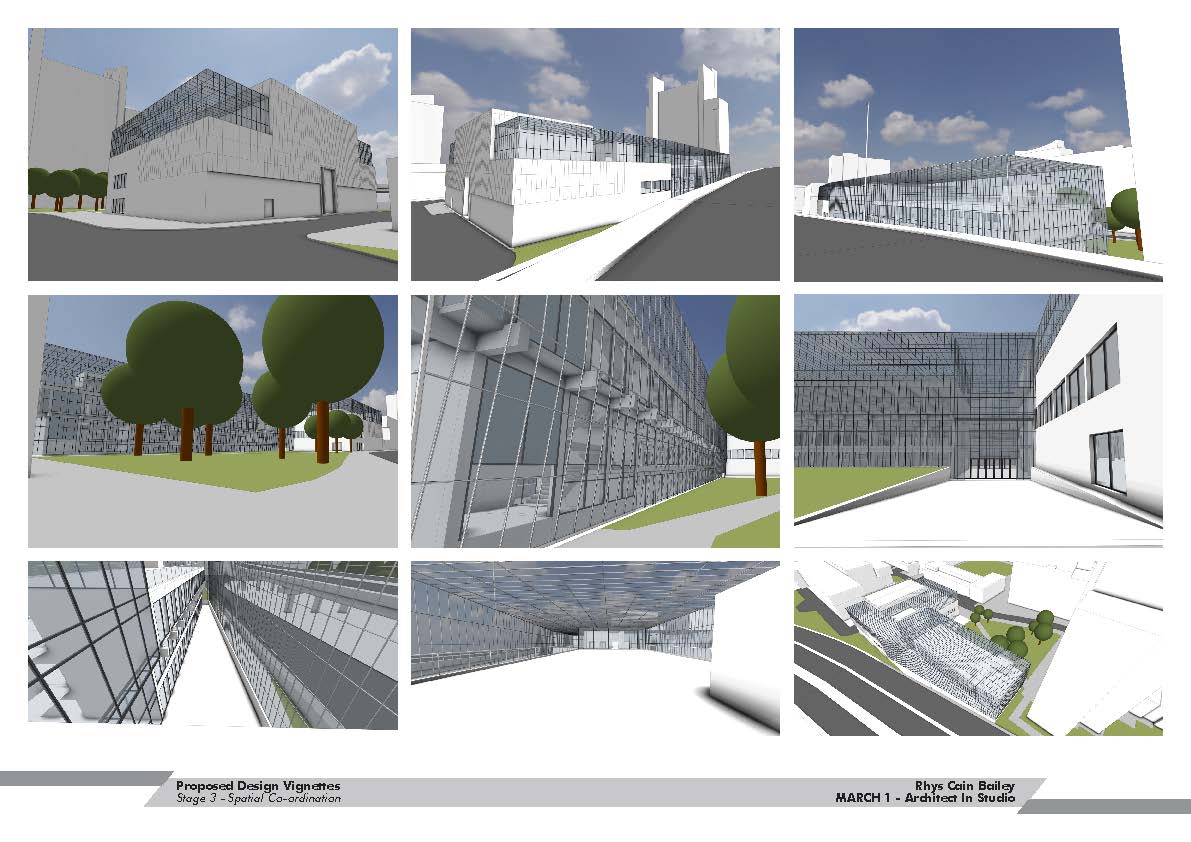
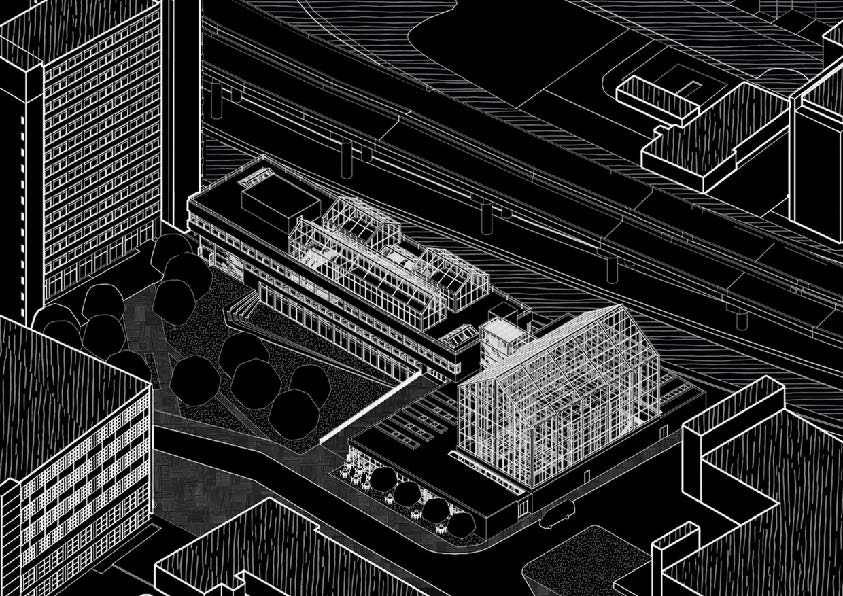
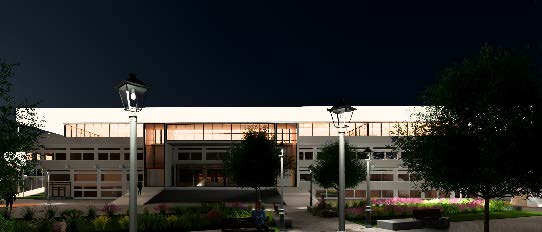
Included in the adaptive re-use and reimagining of the existing Ferranti Building, student proposals included facilities for community re-use, recycling and repair; performance, wellness and food production. A range of technological attitudes emerged including the use of natural materials and living systems within envelope and environmental strategies; innovative technologies and complex geometries that harnessed digital modelling and fabrication; and references to the site cultural and historical context through textile and fabric.

AiS1 Guests

  • Florence Collier – Humble Bee
  • Tim Gibbons – Fieldwork Architects
  • Kirsten Henson – KLH Sustainability
  • Sabine Hogenhout – KLH Sustainability
  • Mark Shtanov – No Balsa Workshops
  • Valerio Stuart – BureauVeritas

Students

MArch 1

Jack Jones, Hoi Fai Yam, Jiayu Lu, Yanwei Lew, Sakshi Ahuja, Chung Hei Mok, Ahmed Darouache, Jun Loh, Xinhai Lyu, Hannah Donaldson, Ian Win Seng Thum, Ruizi Zhang, Saman Shahzad, Kwok Hei Chan, Cheuk Lam Cheung, Nehal Jindal, Emanuil P. Sklianin, Patrick Allan, George Darlington, Feng Fang, Darien Ilham Hananditya.