

Carbon Futures
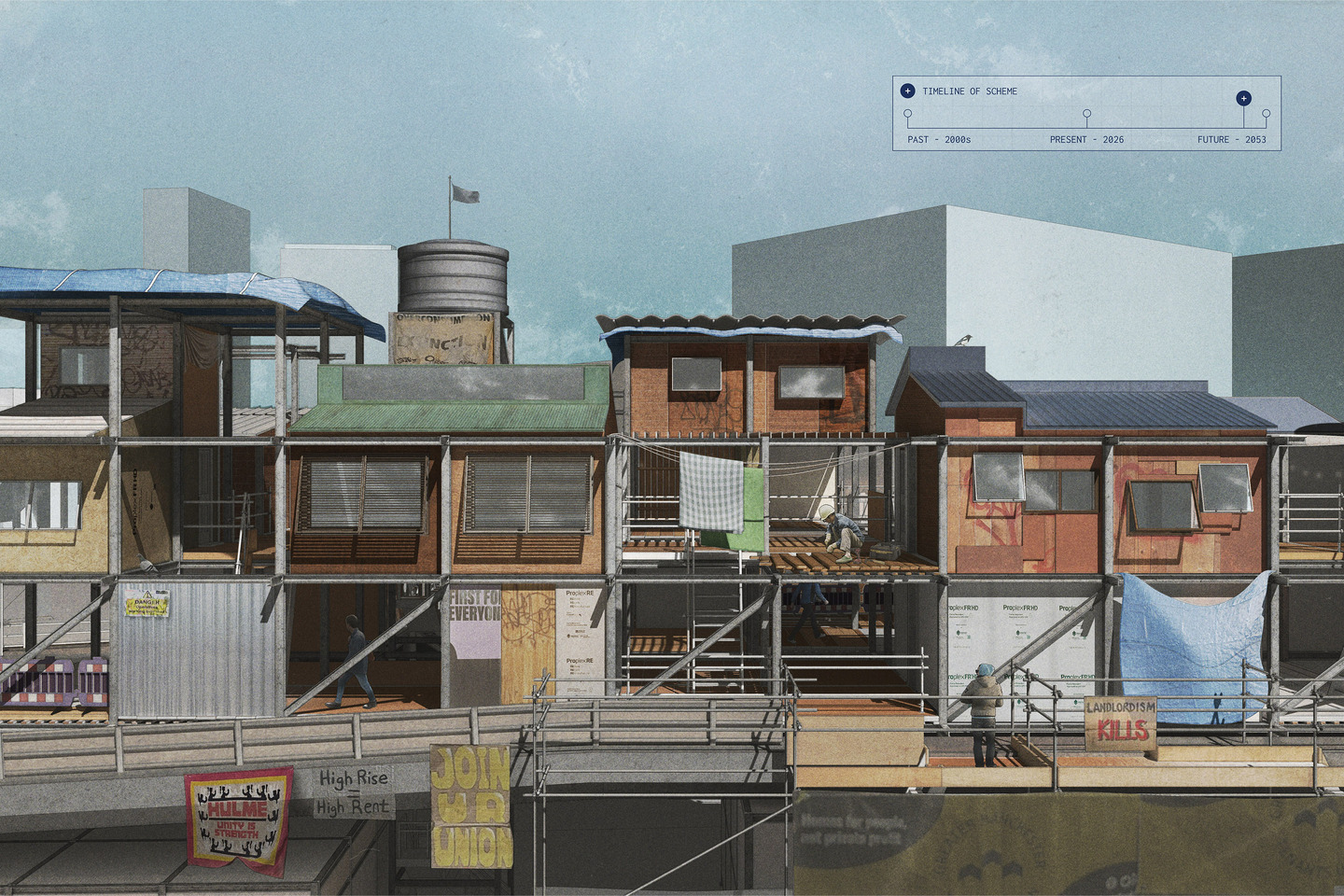
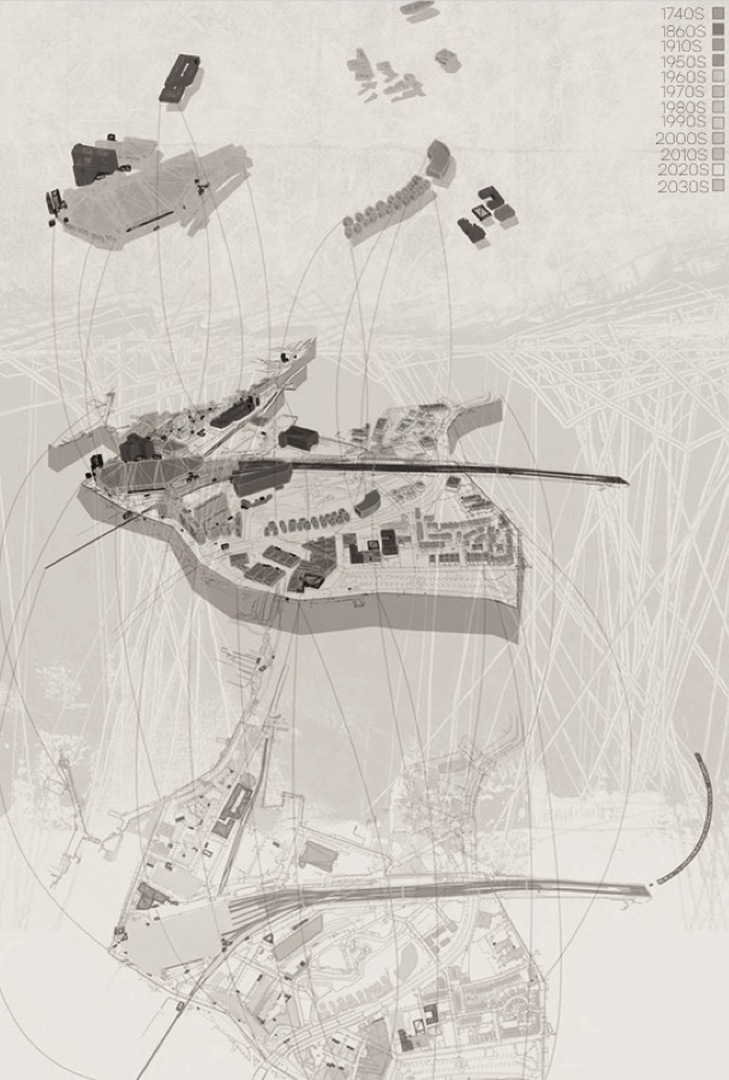
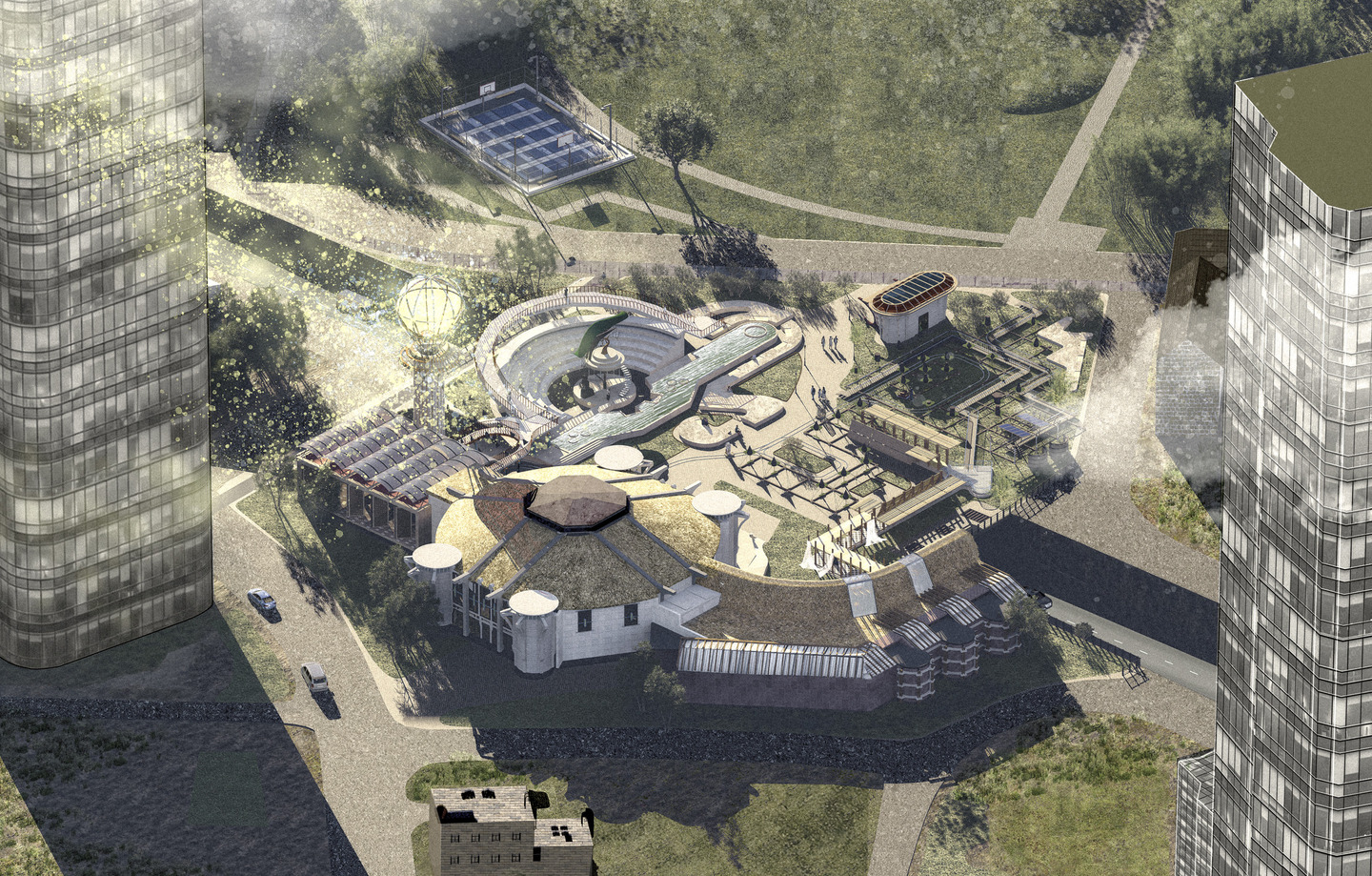
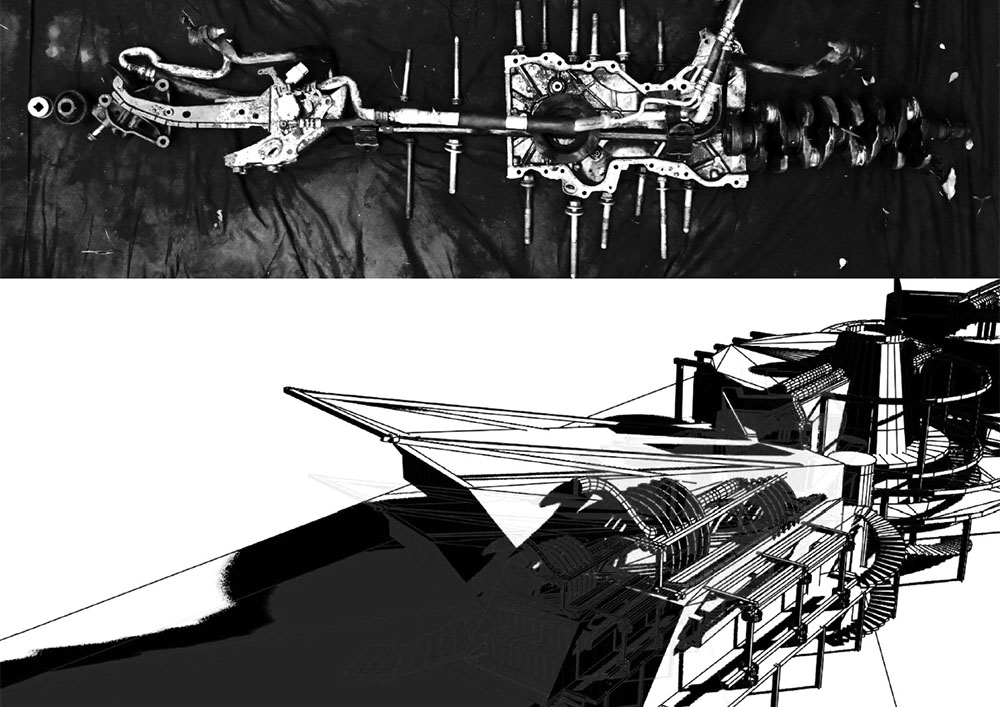
This year, the atelier examined our role as designers in responding to carbon emissions by proposing speculative futures for Manchester, with a focus on the Mancunian Way. Aligned with the city’s ambition to achieve net‑zero emissions by mid‑century and halve emissions by 2030, the work situates design inquiry within Manchester’s leadership in the UK’s zero‑carbon agenda. Large post-war concrete corridors once embodied aspirational visions of progress and interconnection. Today they stand as contributors to environmental degradation and habitat loss; as sources of pollution, noise, and danger. Conceived for speed and mobility, they are increasingly misaligned with a world shaped by digital networks and urgent ecological concerns. As vast monuments to concrete modernity, they hold the material legacy of their age.
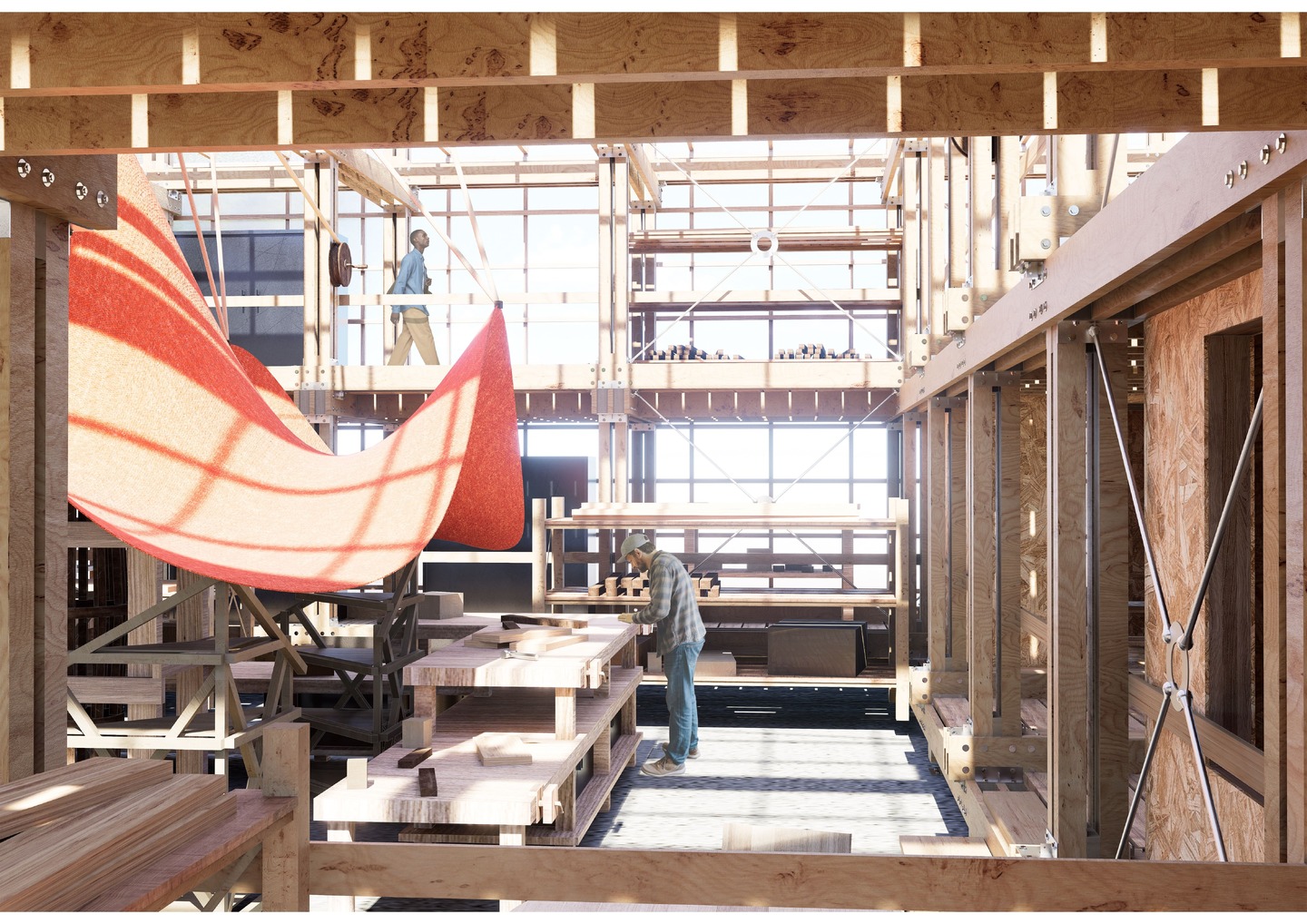
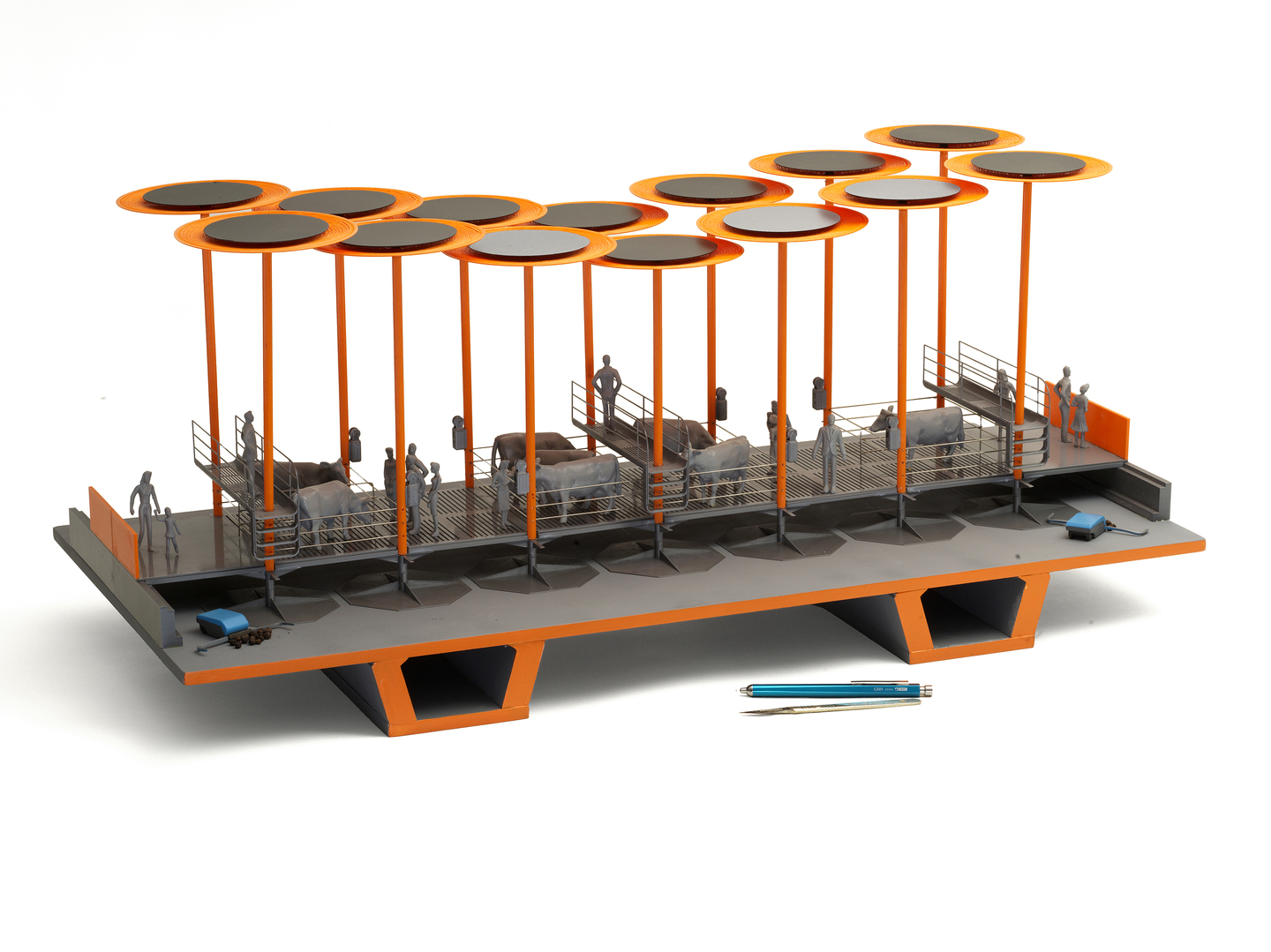
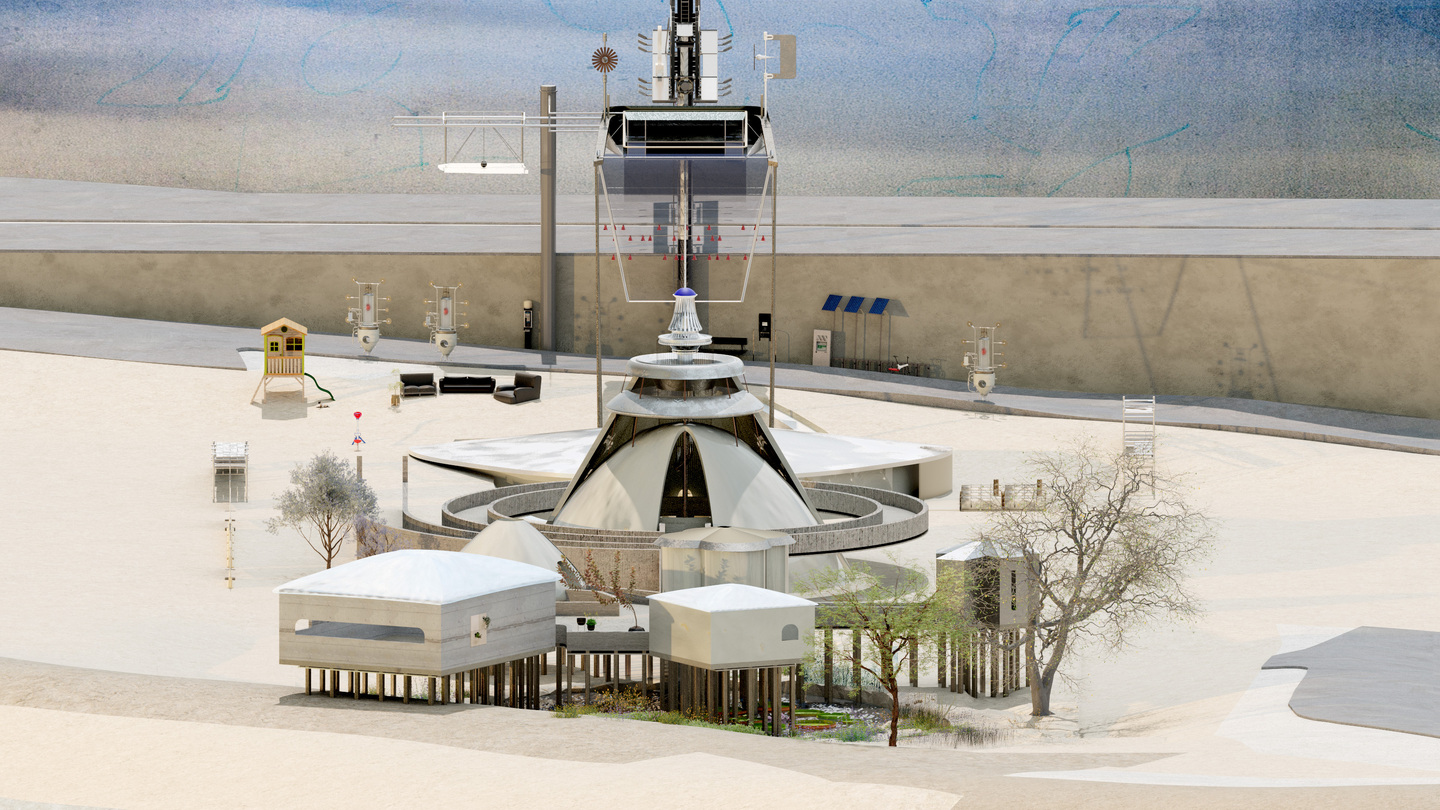
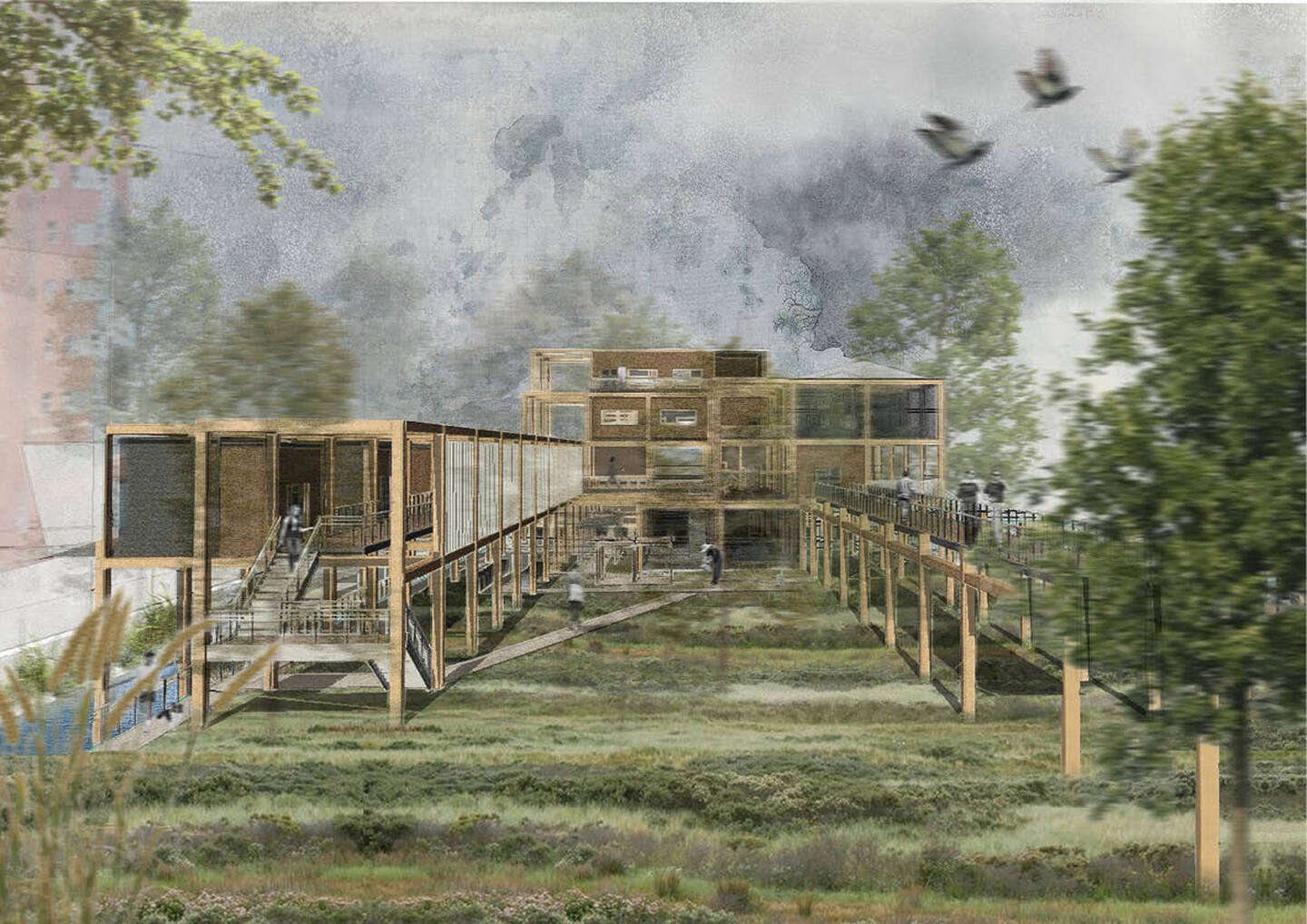
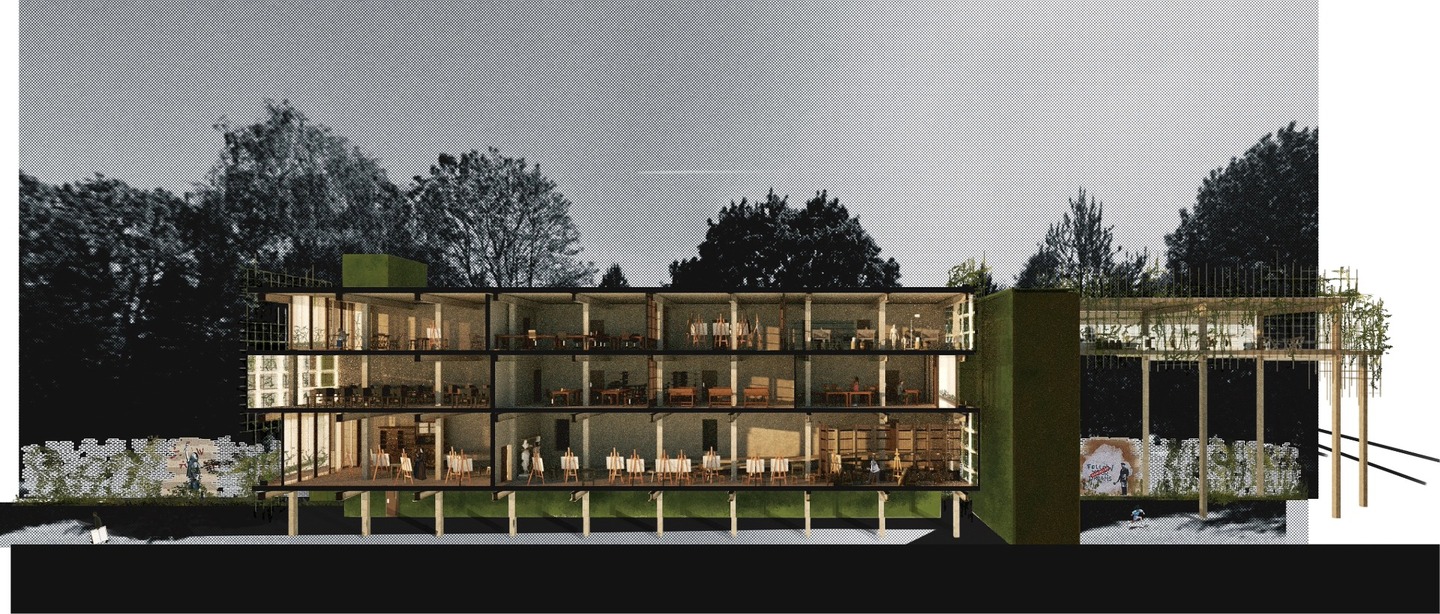
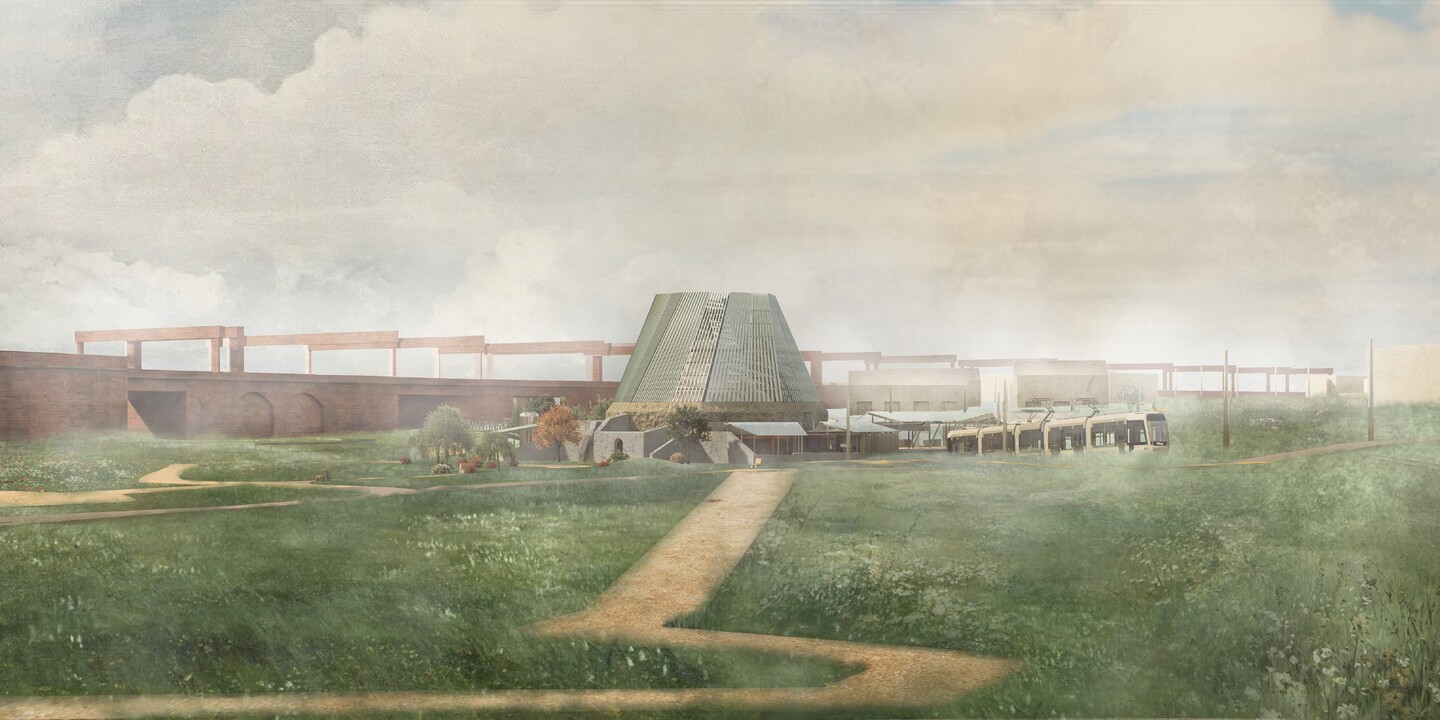
Designed in 1962, the Mancunian Way reflects these dreams—both futuristic and flawed. Today it emerges as a terrain of distinctive possibilities. What if the Mancunian Way offered a different kind of service — no longer functioning primarily as a vehicular thoroughfare, but reimagined as a new corridor? Could it become a space that enriches local habitats and communities, improves educational aspirations, stimulates local economies, and even provides political agency for an energy transition that empowers residents? Could we envision a future where highways are taken underground, allowing the city to heal and reconnect by opening new spaces between communities — spaces that support biodiversity, foster social cohesion, and help reduce carbon emissions in multiple ways?
In response to this, Non-Standard Habitats Atelier wanted to contribute to the debate by proposing visionary ideas for how the Mancunian Way can offer a catalyst for a change, and demonstrating how as both architects and citizens we can take the lead in shaping that change.