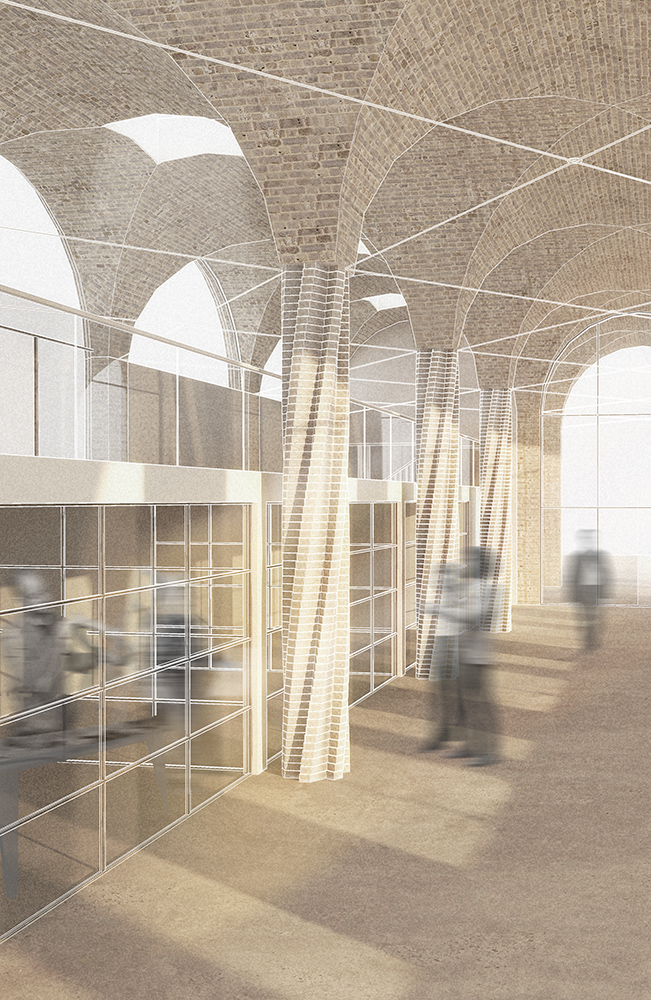
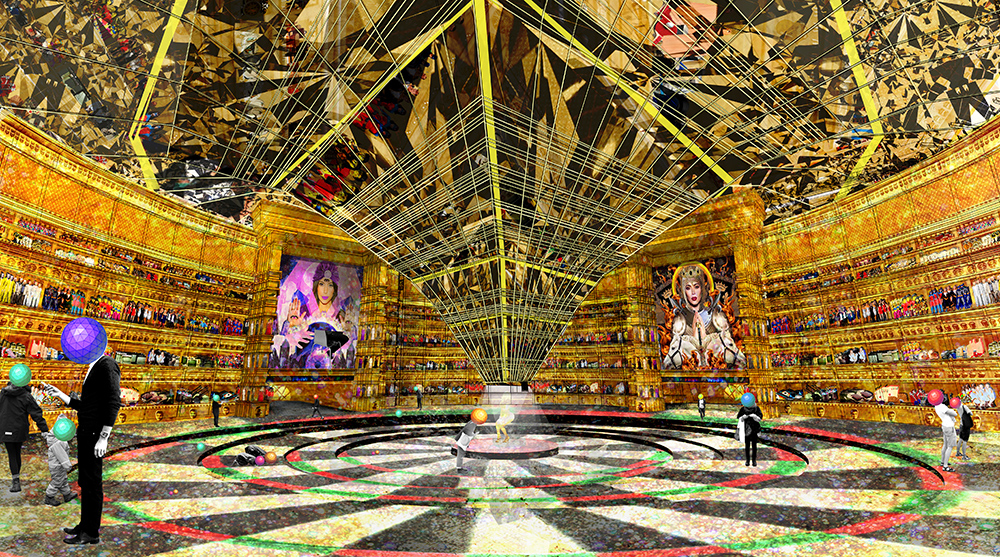
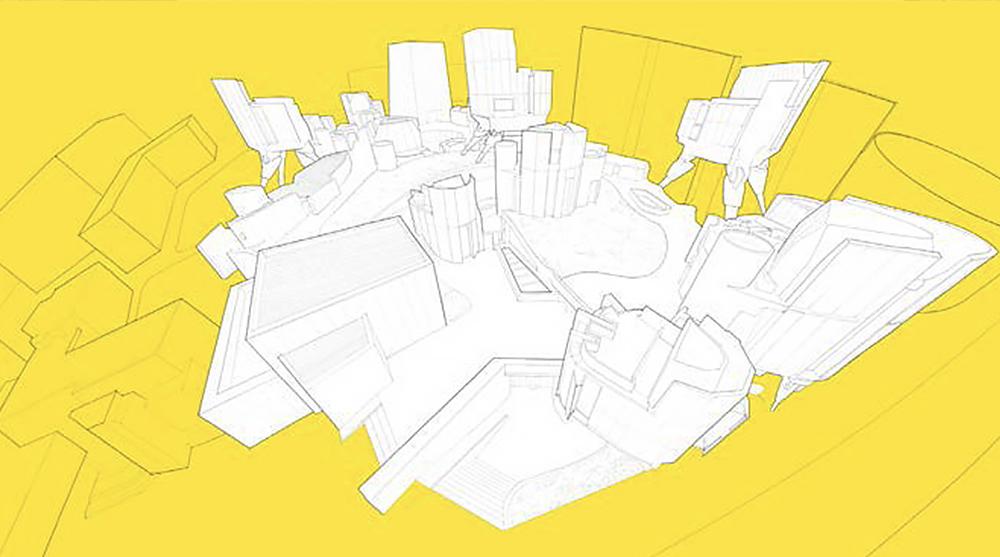
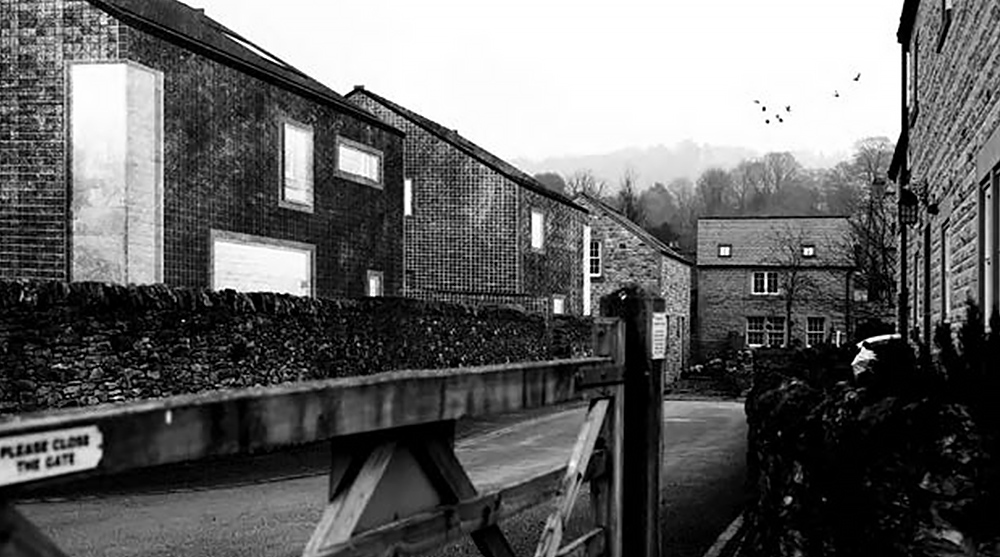
A top ranked school of architecture
 Joint degree and world-class resources
 Industry networks
 Expert staff
 Internationally recognised ateliers
 Space for innovation


It is a professionally recognised award (prescribed by the Architects Registration Board and validated by the Royal Institute of British Architects) and developed for students who have completed RIBA Part 1 for example a BA (Hons) Architecture course and, typically, one year in practice.
International students who have been accepted onto this course may be eligible for a £3,000 scholarship in the first year of study. We will assess your eligibility when you apply to this course. You do not need to apply to this scholarship separately. Terms and conditions apply.
What kind of architect do you want to be in a world shaped by climate challenges, technological change and evolving social needs? The Master of Architecture (MArch) at Manchester School of Architecture is designed for ambitious graduates who want to go beyond established practice and help define the future of the profession. As the final stage of formal academic architectural education leading towards professional registration, this course develops independent, leadership-ready architects equipped to challenge convention and create meaningful change.
The programme combines rigorous design exploration with critical inquiry, helping you develop advanced architectural, creative and professional skills. Through research-led studio projects, you will investigate contemporary issues including climate resilience, sustainability, adaptive reuse, and the social responsibilities of architecture. Design briefs are continually reviewed to reflect emerging industry challenges, ensuring your work remains relevant, innovative and future-focussed.
A distinctive feature of the MArch is its student-centred approach. You will be encouraged to define your own direction, drawing on your personal interests, professional experience and ambitions. Teaching is delivered through specialist ateliers and interdisciplinary learning environments, where research-active academics, practitioners and industry experts support you in developing a unique architectural voice.
As part of Manchester School of Architecture - an internationally recognised collaboration between Manchester Metropolitan University and The University of Manchester - you will benefit from the expertise, facilities and resources of two leading institutions. Access to specialist workshops, making and media facilities, libraries, digital technologies and a vibrant architectural community provides an exceptional learning environment.
Situated in one of the UK's most dynamic and rapidly transforming cities, the course maintains strong connections with architectural practices, clients, community organisations and industry partners. These relationships create valuable opportunities to engage with real-world projects and professional networks. Graduates leave equipped not only to succeed within leading practices, but to lead the development of the discipline itself, confidently responding to complex global challenges and shaping the future of the built environment.
Manchester School of Architecture is placed 5th in the world in the QS 2026 Architecture rankings.
You will study a programme jointly delivered by The University of Manchester and Manchester Metropolitan University. Graduates receive a degree certificate that carries both institutions’ crests and titles.
You will benefit from MSA’s strong industry connections and employer network. Practitioner-tutors contribute directly to the studio curriculum, supported by international visiting speakers, practice visits, and building studies.
MSA has over 100 expert staff committed to engaged and responsive design teaching and cutting-edge research.
Choose from a diverse range of ateliers to learn through distinct approaches to the future of architecture in a wider cultural context.
The programme gives you access to the full range of facilities across both universities, including libraries, computer suites, making and media workshops, and more.
2 years full-time
The Master of Architecture (MArch) at Manchester School of Architecture (MSA) is the final stage of formal academic architectural education leading towards professional registration and is designed to develop architects who can lead, innovate and respond to the complex challenges facing the built environment. Combining research-led design, critical thinking and professional practice, the course encourages students to become independent thinkers capable of shaping the future of architecture.
Delivered over two years, the programme is structured to progressively deepen your design, research and professional expertise. In the first year, you will join one of MSA's specialist research-driven ateliers, exploring contemporary architectural issues through studio projects, seminars, workshops and collaborative learning. You will develop advanced design methodologies while examining topics such as climate resilience, sustainable development, social responsibility and the future of cities.
In the second year, you will build greater independence through an extensive thesis and design project, defining your own architectural agenda and intellectual position. Students regularly engage with real-world challenges through projects focused on adaptive reuse, urban regeneration, environmental design and community-centred architecture. Recent MArch cohorts have collaborated with housing associations, schools, arts organisations, local authorities, developers and climate action networks, producing work that addresses pressing social, cultural and environmental issues.
As part of the internationally renowned Manchester School of Architecture—ranked among the world's leading architecture schools—you will benefit from a unique partnership between Manchester Metropolitan University and The University of Manchester. This joint model provides access to the expertise, facilities and resources of both institutions, resulting in an exceptional learning experience.
Teaching is delivered by research-active academics, practising architects and leading industry professionals whose expertise directly informs studio projects and professional discussions. Through engagement with practitioners, clients and external organisations, students gain valuable insight into contemporary architectural practice.
You will have access to specialist making and media workshops, digital fabrication facilities, libraries, computer suites and collaborative studio spaces across both universities. The programme's strong links with Manchester's thriving architecture, development and regeneration sectors create opportunities for industry engagement, networking and live project work.
Graduates leave with the advanced design, research and leadership skills needed to progress towards professional qualification, contribute to leading architectural practices and make a meaningful impact on the environmental and social challenges shaping the future of architecture.
Ten credits equates to 100 hours of study, which is a combination of lectures, seminars and practical sessions, and independent study. A MArch qualification comprises of 240 credits. The exact composition of your study time and assessments for the course will vary according to your option choices and style of learning.
A Master of Architecture comprises of 240 credits. In the first year, you will study 120 credits made up of five core modules. You will enhance your awareness of the broader context in which architects work, take part in collaborative 'live' projects, expand your understanding of professional requirements, and produce a strategic, comprehensive building proposal.
A Master of Architecture comprises of 240 credits. In the second year, you will study 120 credits made up of three core modules, including a dissertation. You will advance your abilities in formal experimentation to envision new possibilities and explore your individual interests in the field of architecture.
Master of Architecture has continued to maintain a diverse range of ateliers and expertise, which enables us to provide a series of distinct and significant areas of focus with respect to the future of architecture and urbanism in a wider cultural context. At the beginning of each academic year you will choose from a range of the School's ateliers. You would normally expect to spend a year studying with a particular atelier.
![[CPU]ai](/media/msaacuk/content/study/march/cpu2.jpg)