

Held Ground
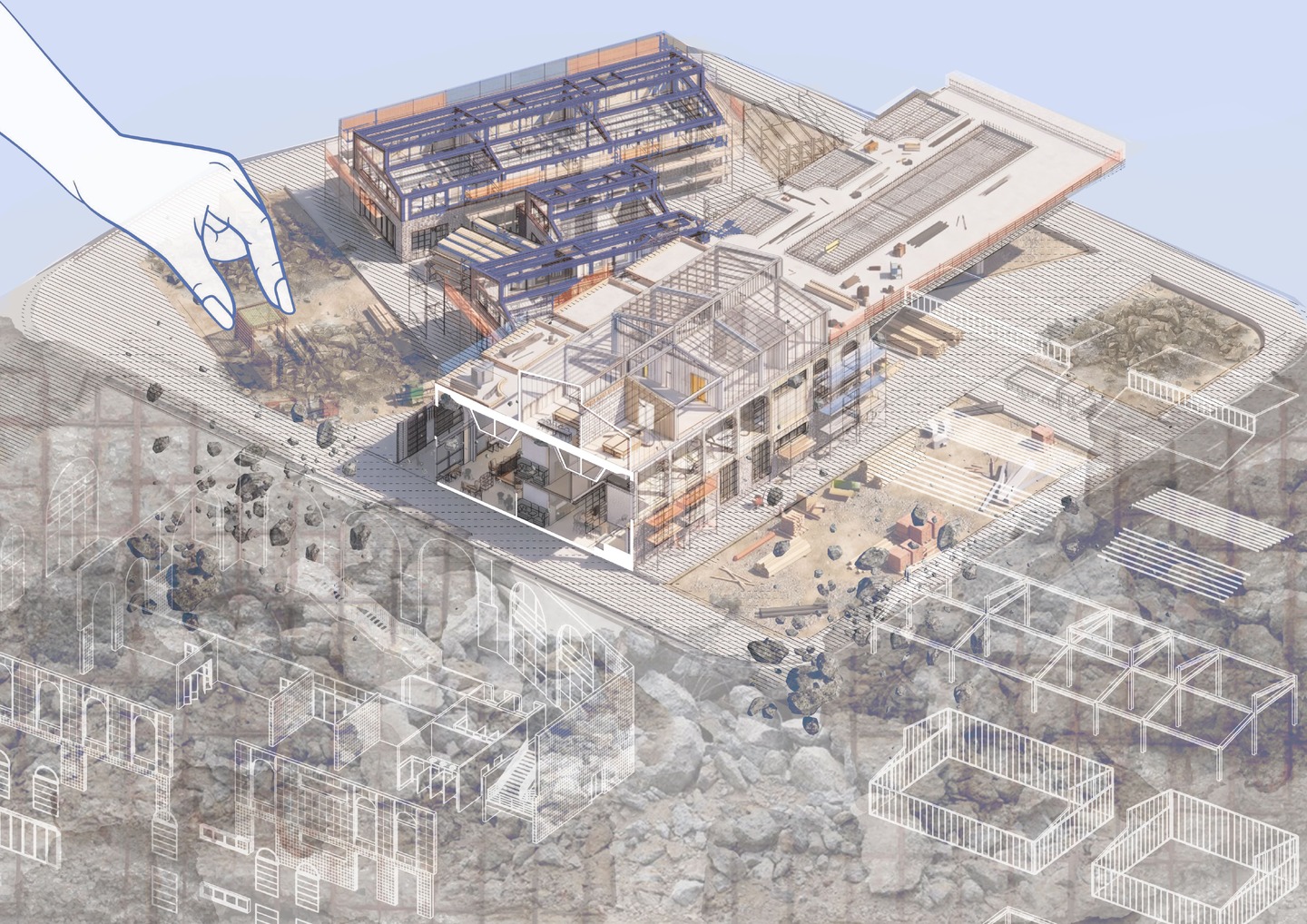
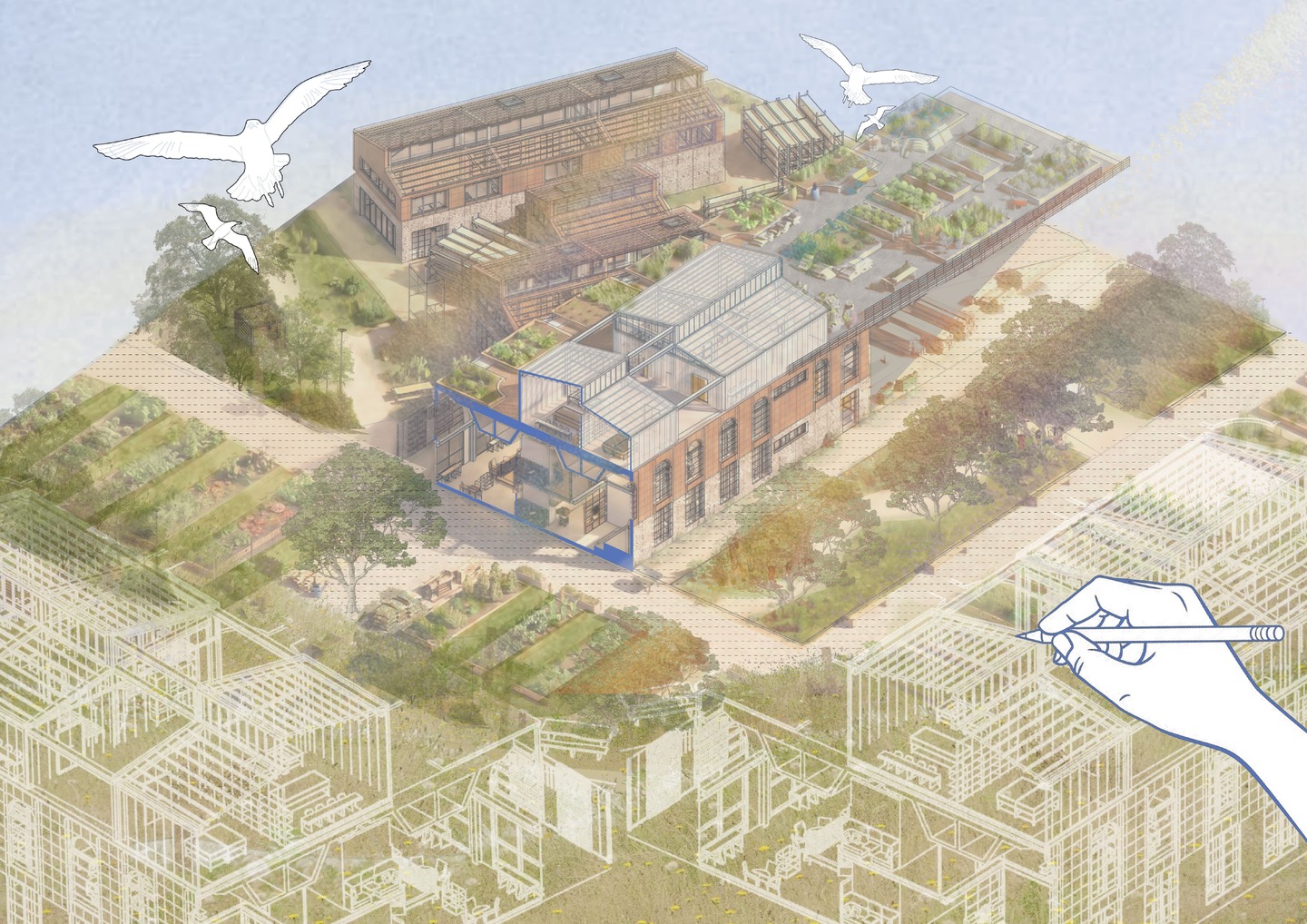
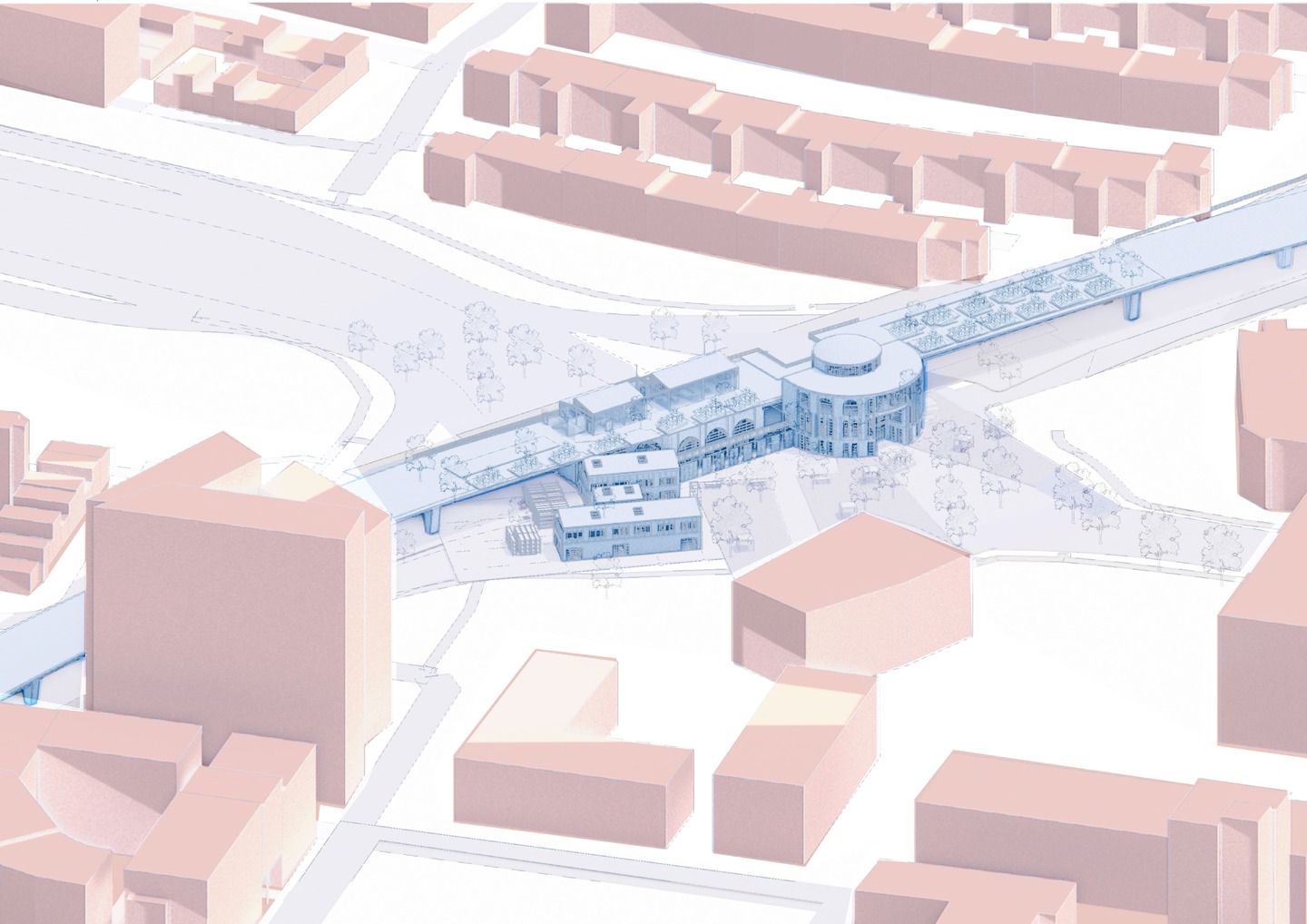
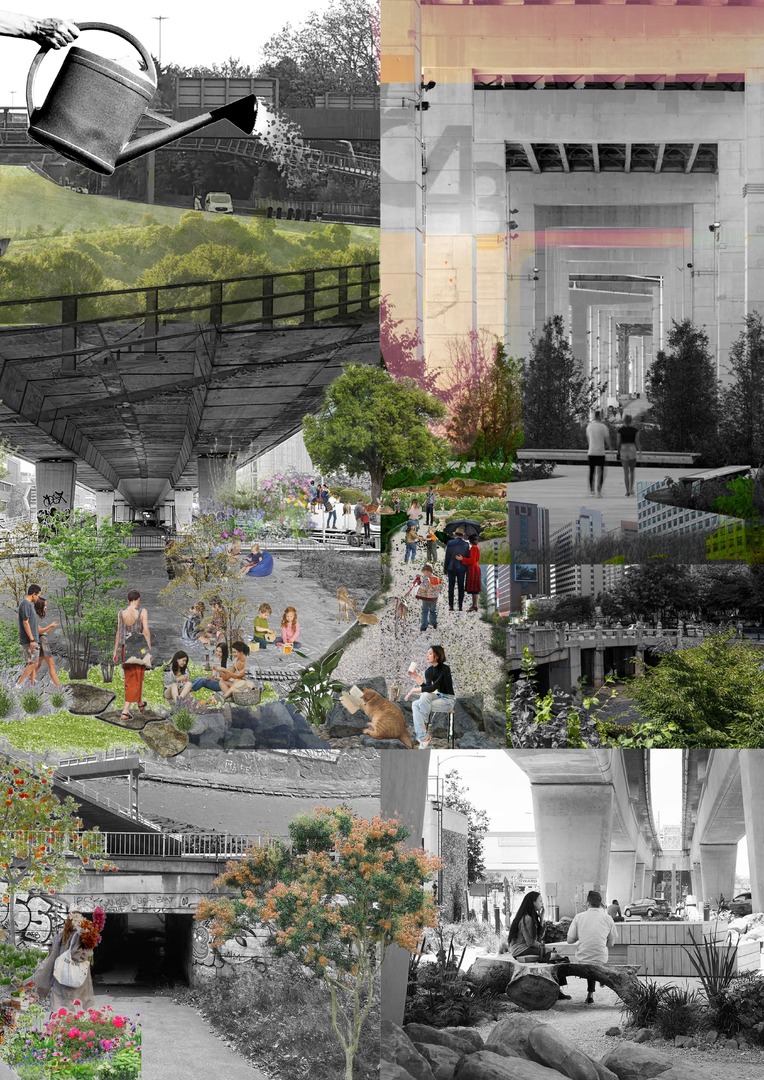
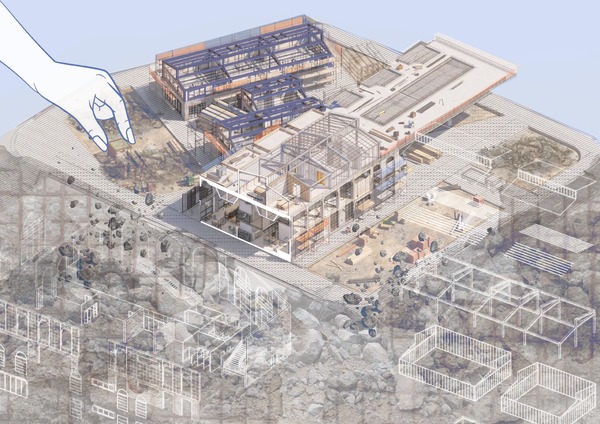
Held Ground is a pilot study for the Urban Stewardship Act (2055), acting as a stewardship-led civic school for the Mancunian Way. The school emerges from the claim that urban decay is both a sign of material failure, and evidence of fragmented responsibility and land control. Enacted through the act, the catalogue of decay has been used to record recurring conditions of neglect: damaged thresholds, concrete deterioration, defensive boundaries, patch repairs, neglected land and weak maintenance regimes. This evolved into an inventory of decay, whereby those same damaged materials and spaces were re-read as resources for repair, learning and stewardship.
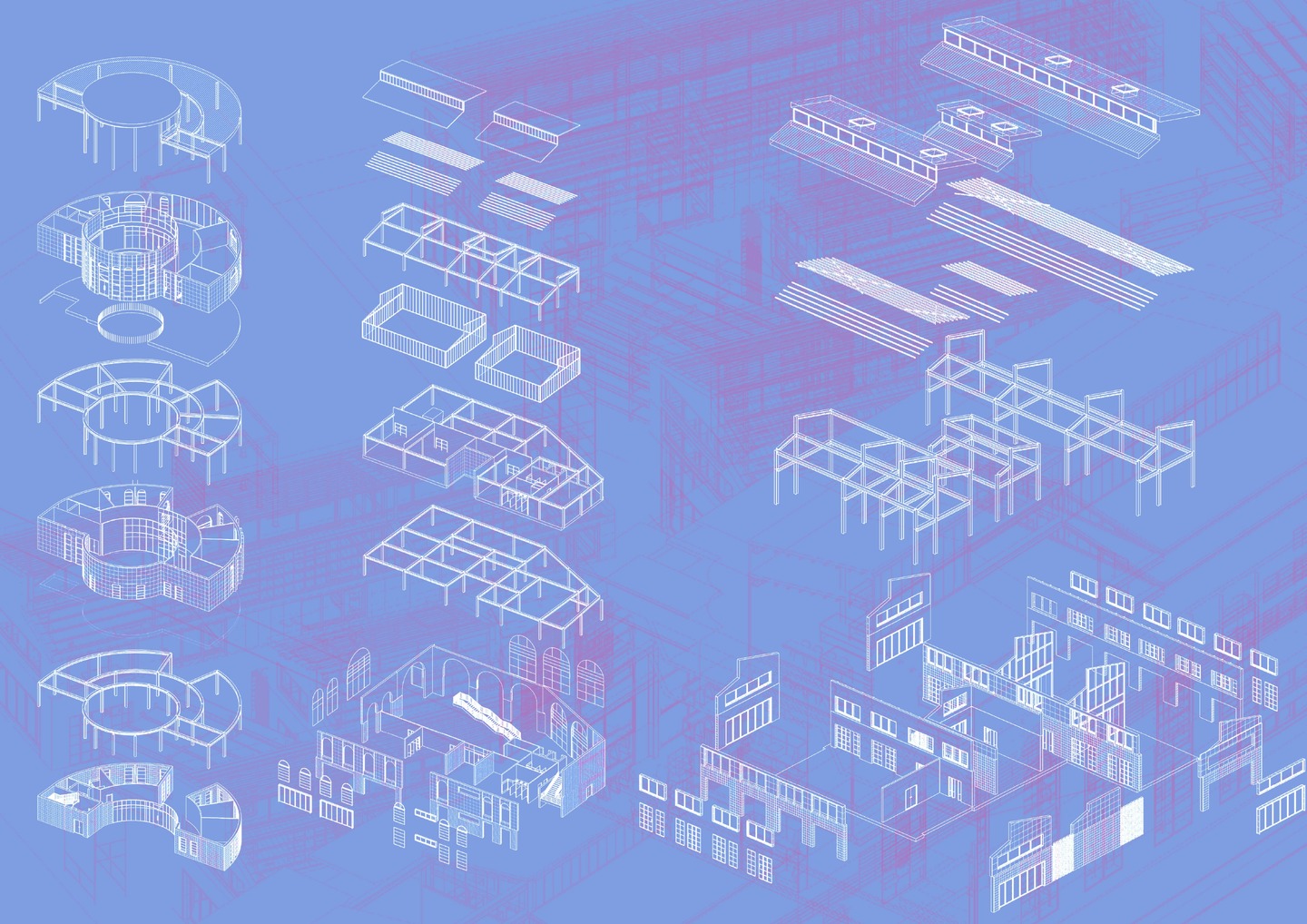
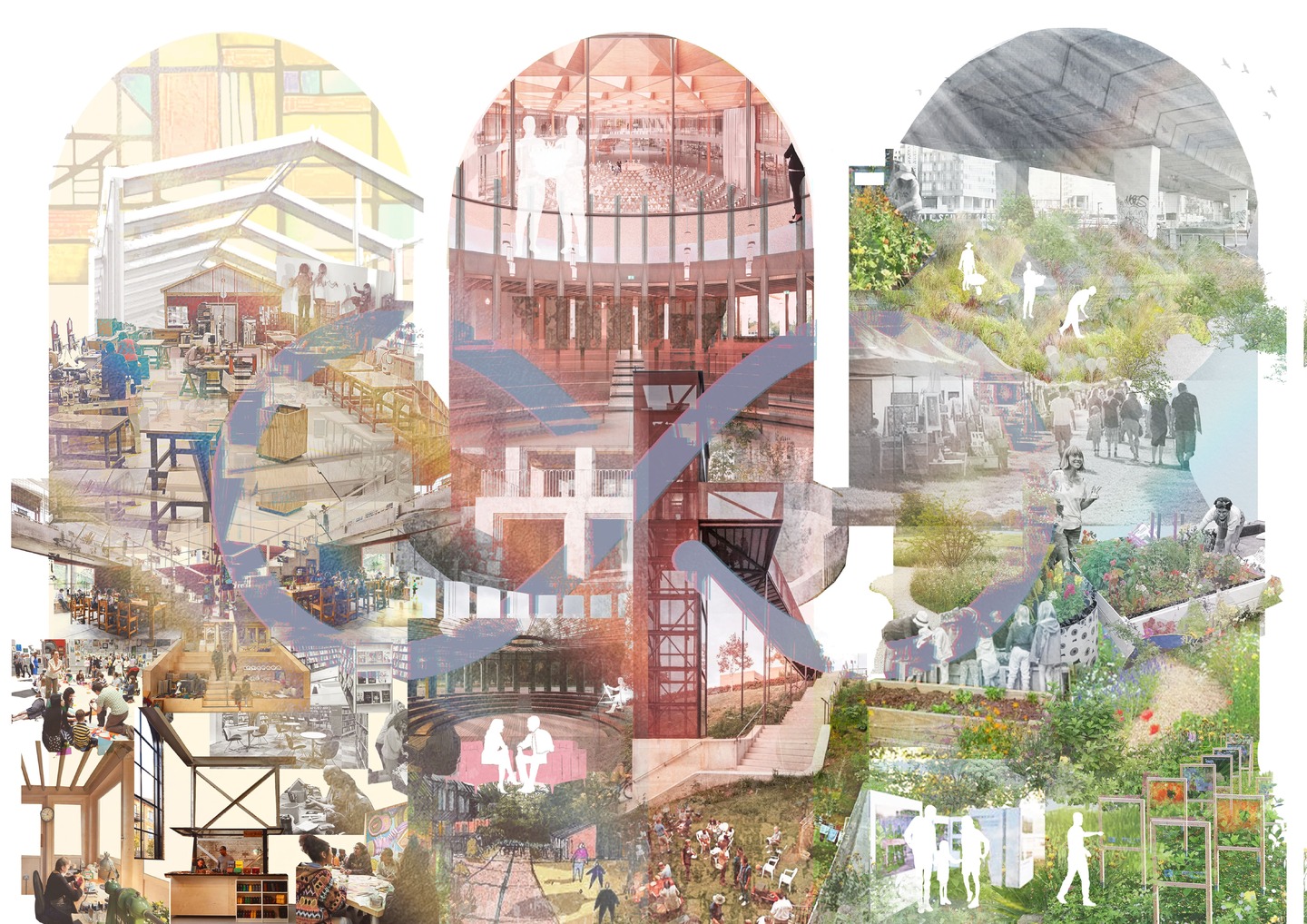
The buildings are organised through The Three Families of Stewardship:
1 - Civic stewardship makes responsibility visible through public review, assembly and shared decision-making.
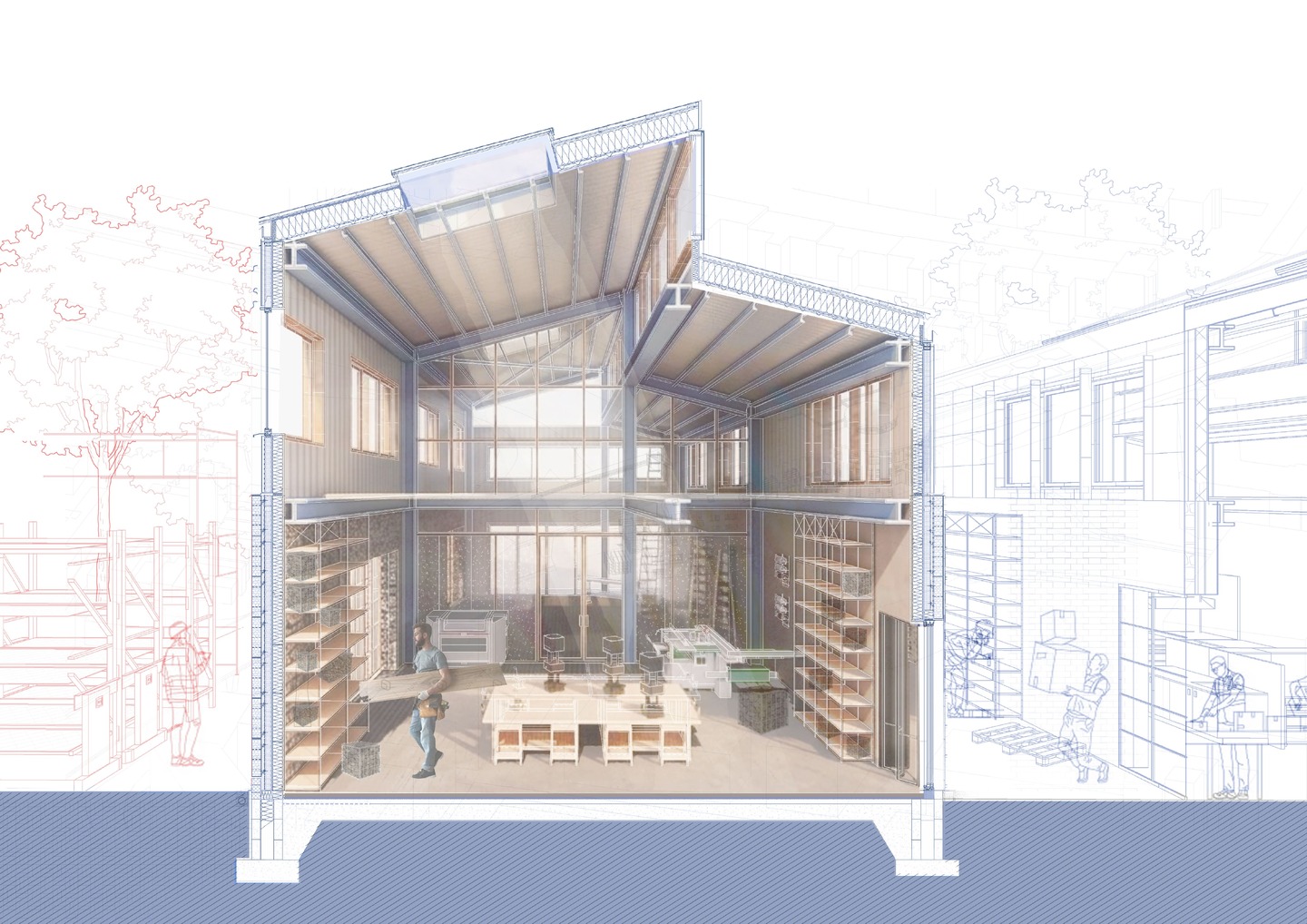
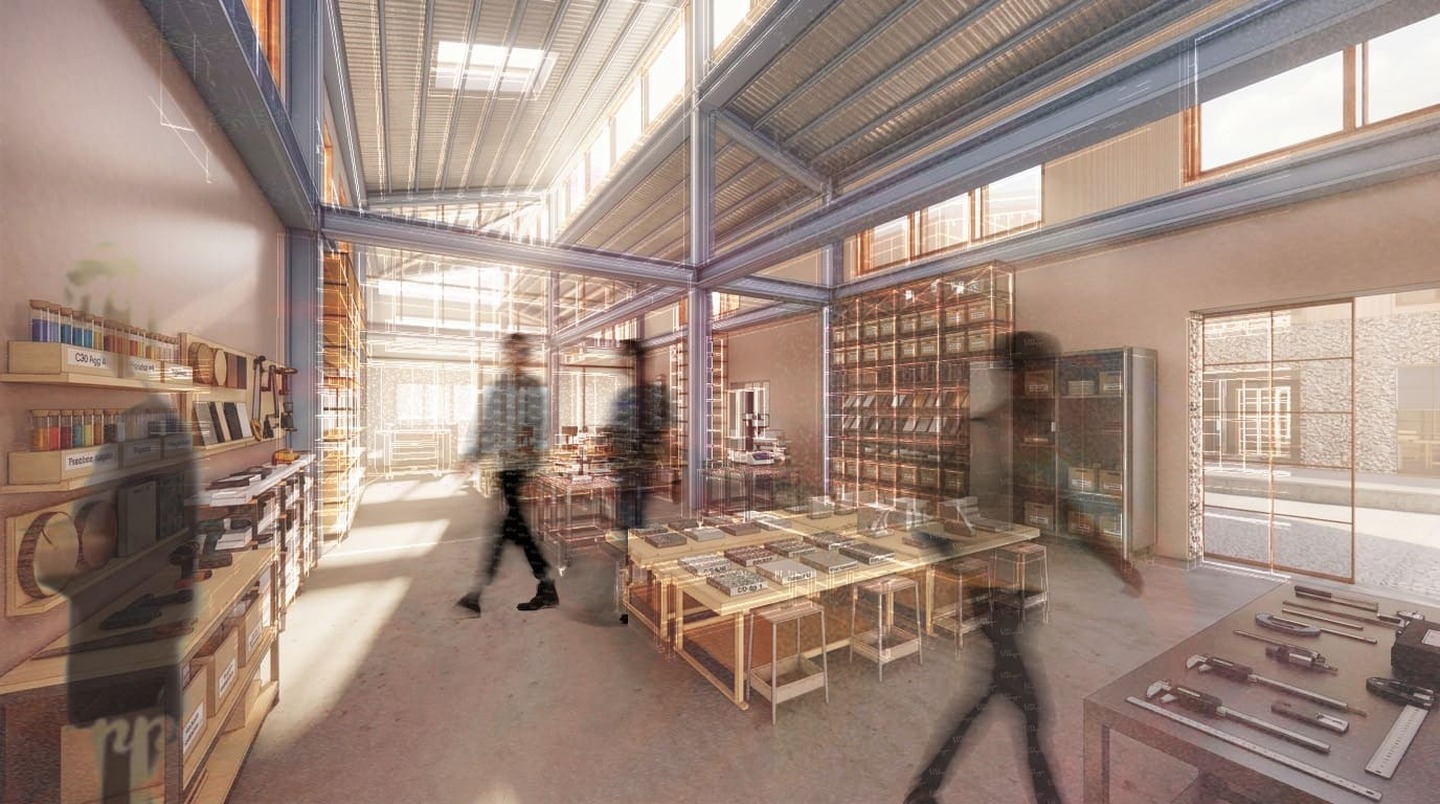
2 - Learning stewardship turns material testing, repair and fabrication into practical education.
3 - Growing stewardship uses greenhouse spaces, planting and water management to support long-term environmental care.
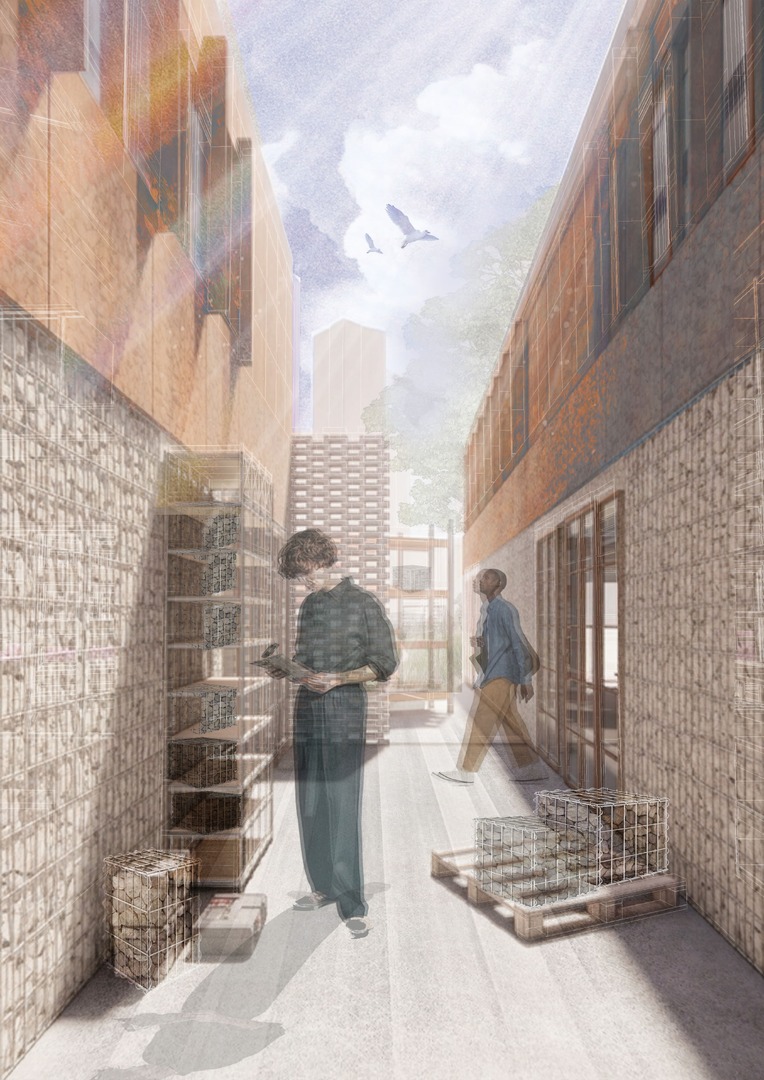
Drawing briefly on the Urban Metabolism theory, the project treats the Mancunian Way as both damaged infrastructure and material stock. Reclaimed concrete and steel become concrete gabion walls, and used further in thresholds and landscape elements, allowing the building to hold ground through repeated acts of care.