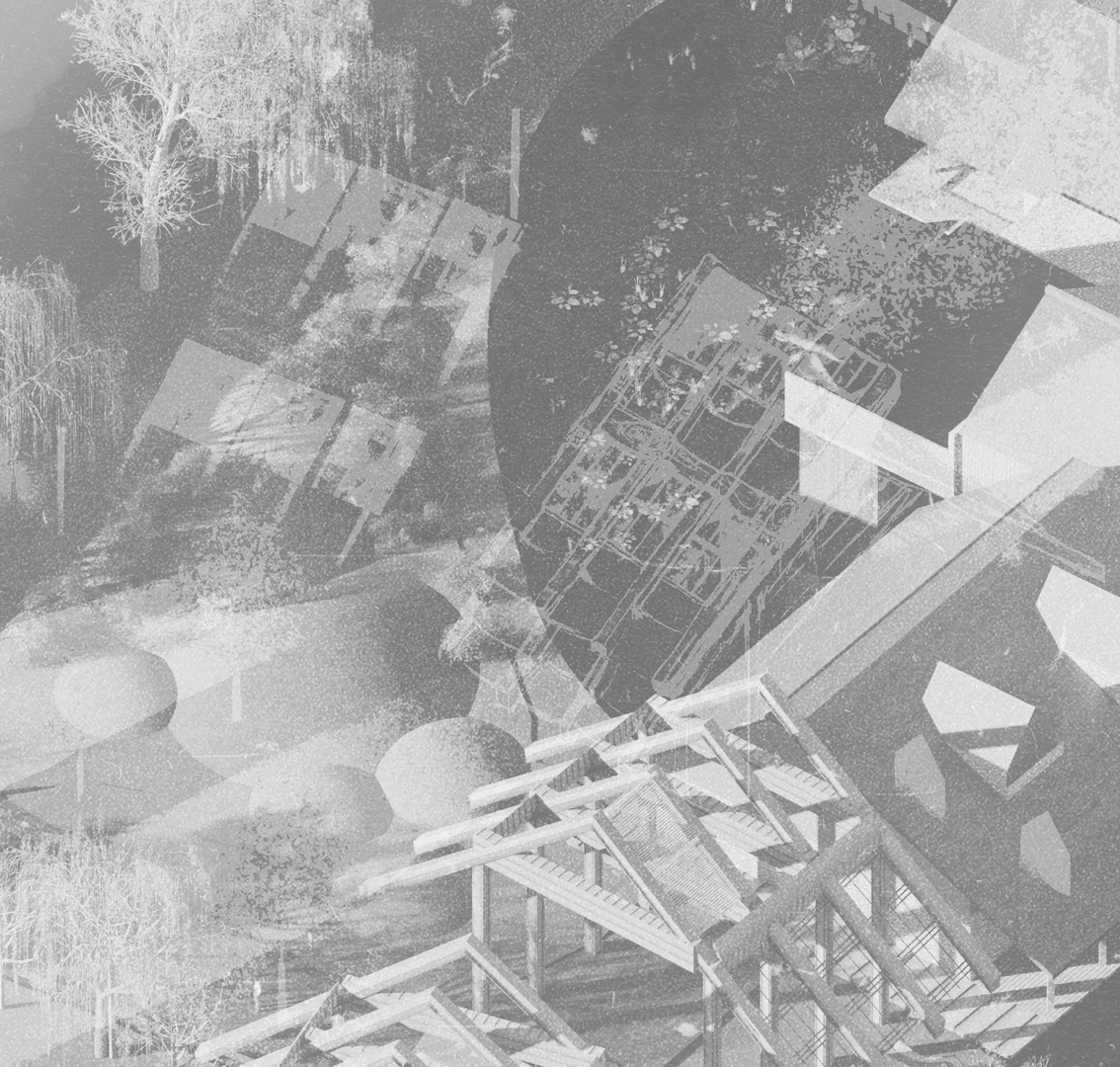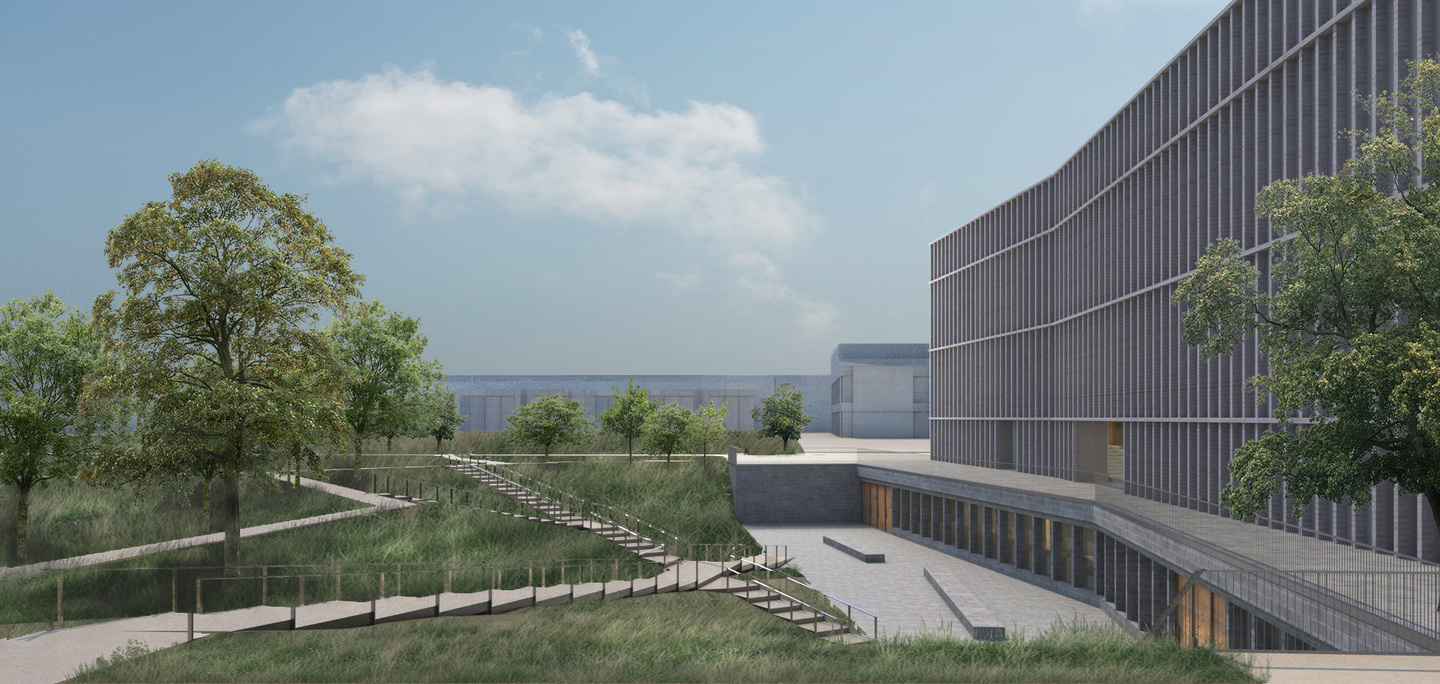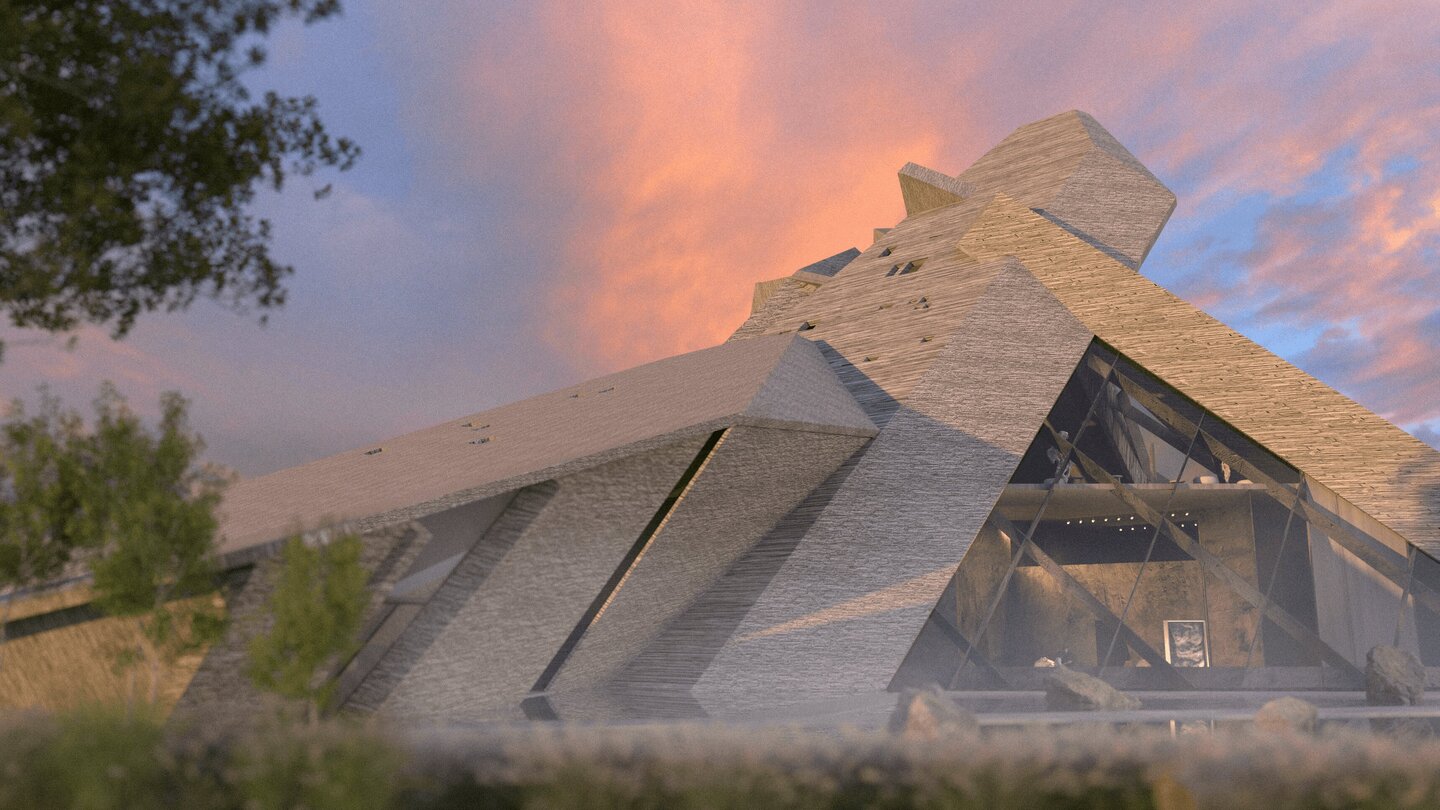


Infrastructure Space continues to explore the latent potential of existing systems, asking how infrastructural architectures can be reimagined to serve both society and the environment. This year, the Atelier strengthened its transdisciplinary model, bringing together Architecture and Landscape Architecture across BA3, MArch1, MArch2, and MLA2. Through shared methods and critical enquiry, students addressed complex territorial challenges across scales.
In 2025–2026, the Atelier worked in Cumbria, focusing on the River Eden catchment and St Cuthbert’s Garden Village. Students examined tensions between ecological protection, housing growth, and environmental policy, engaging critically with frameworks such as Biodiversity Net Gain and Nutrient Neutrality to understand how policy reshapes land, value, and ecological futures.
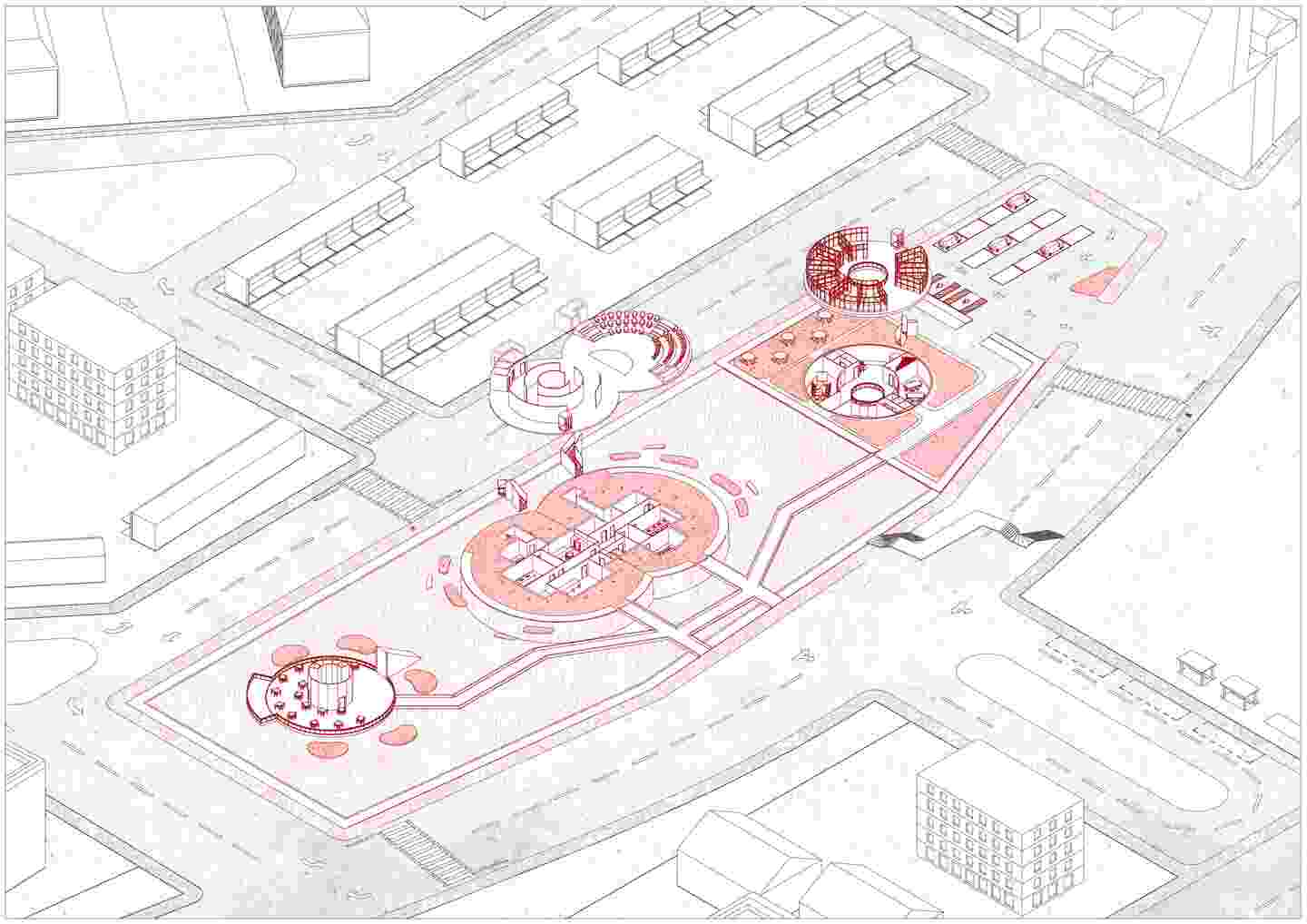
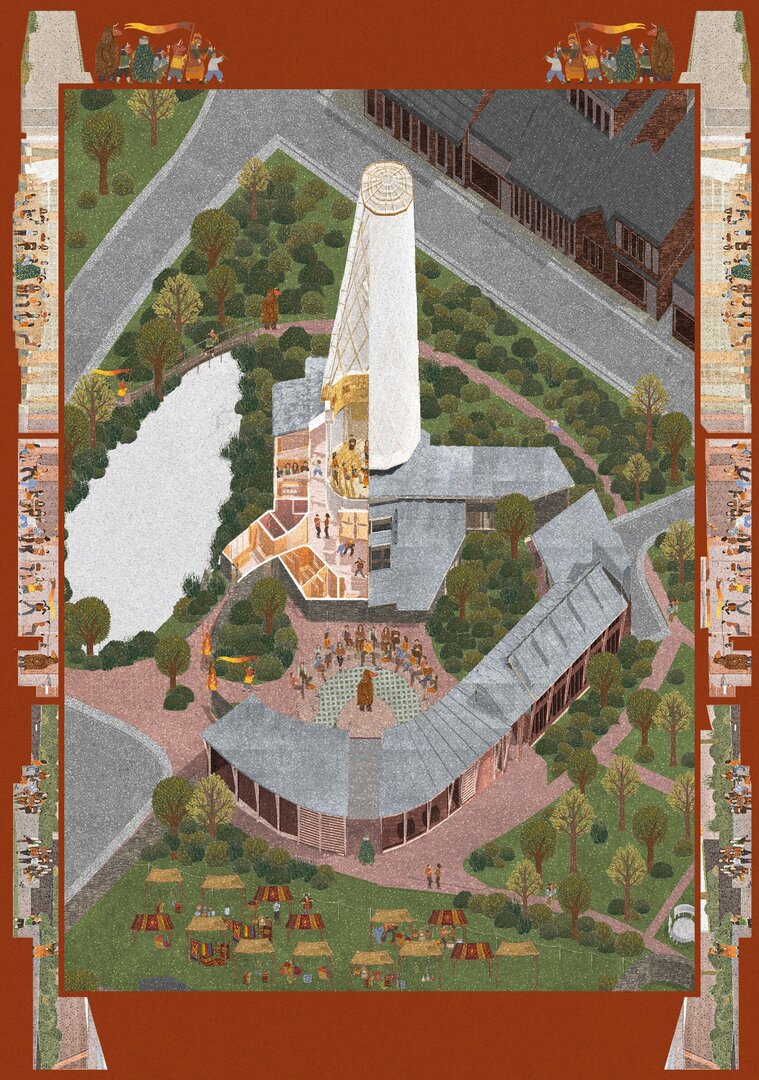
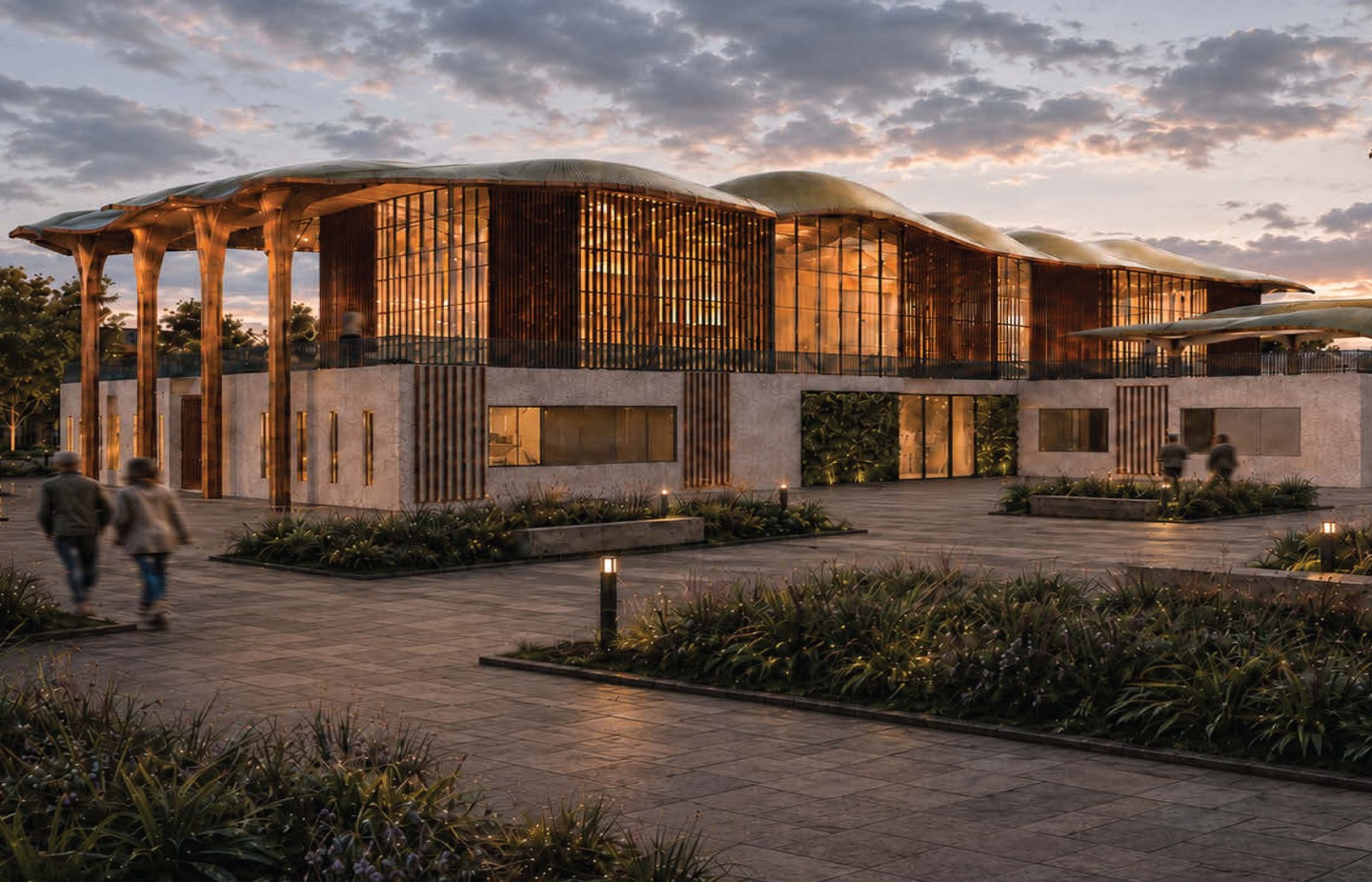
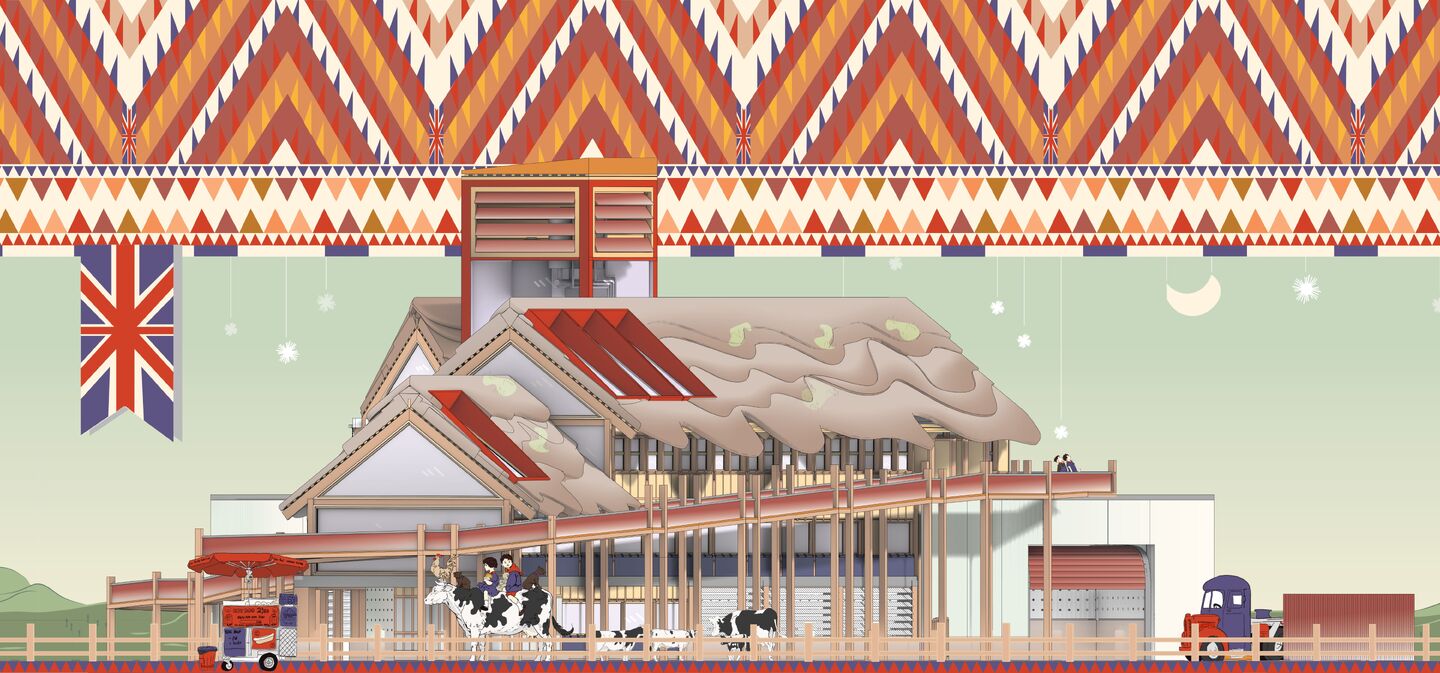
Projects were situated within the St Cuthbert’s Masterplan, at the heart of the proposed Durbar Village Centre. Here, students explored how placemaking can serve both people and the environment, using monumentality as a generative device to galvanise community life and enhance civic and ecological presence.
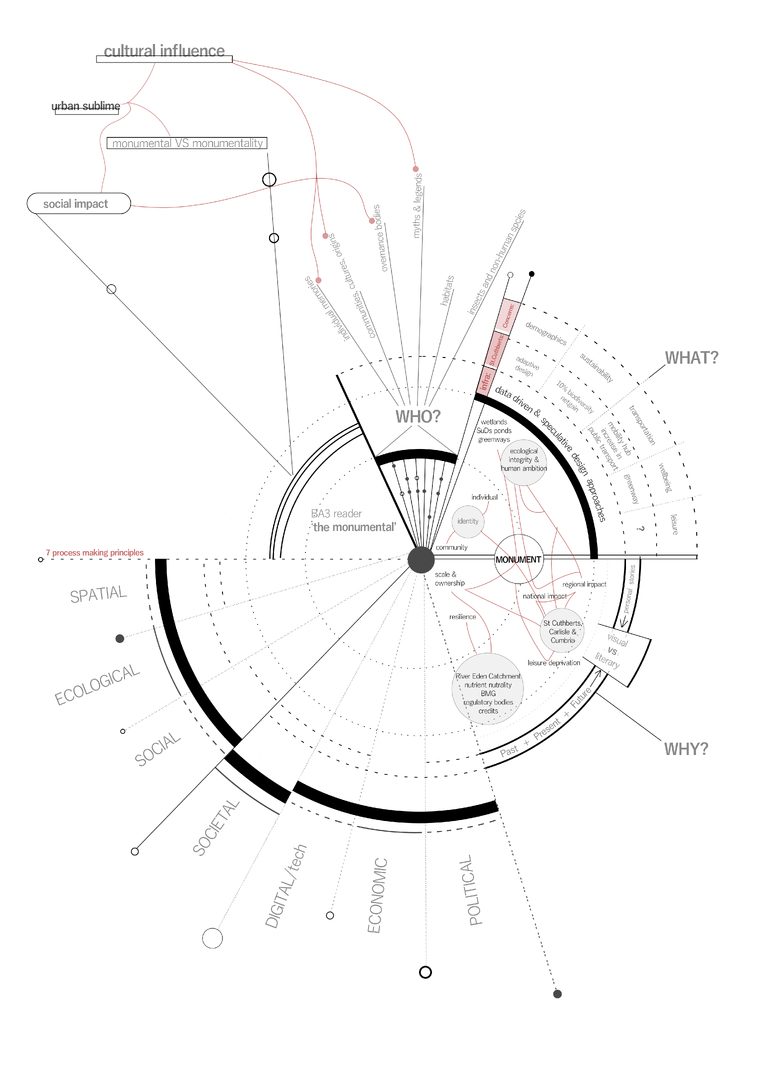
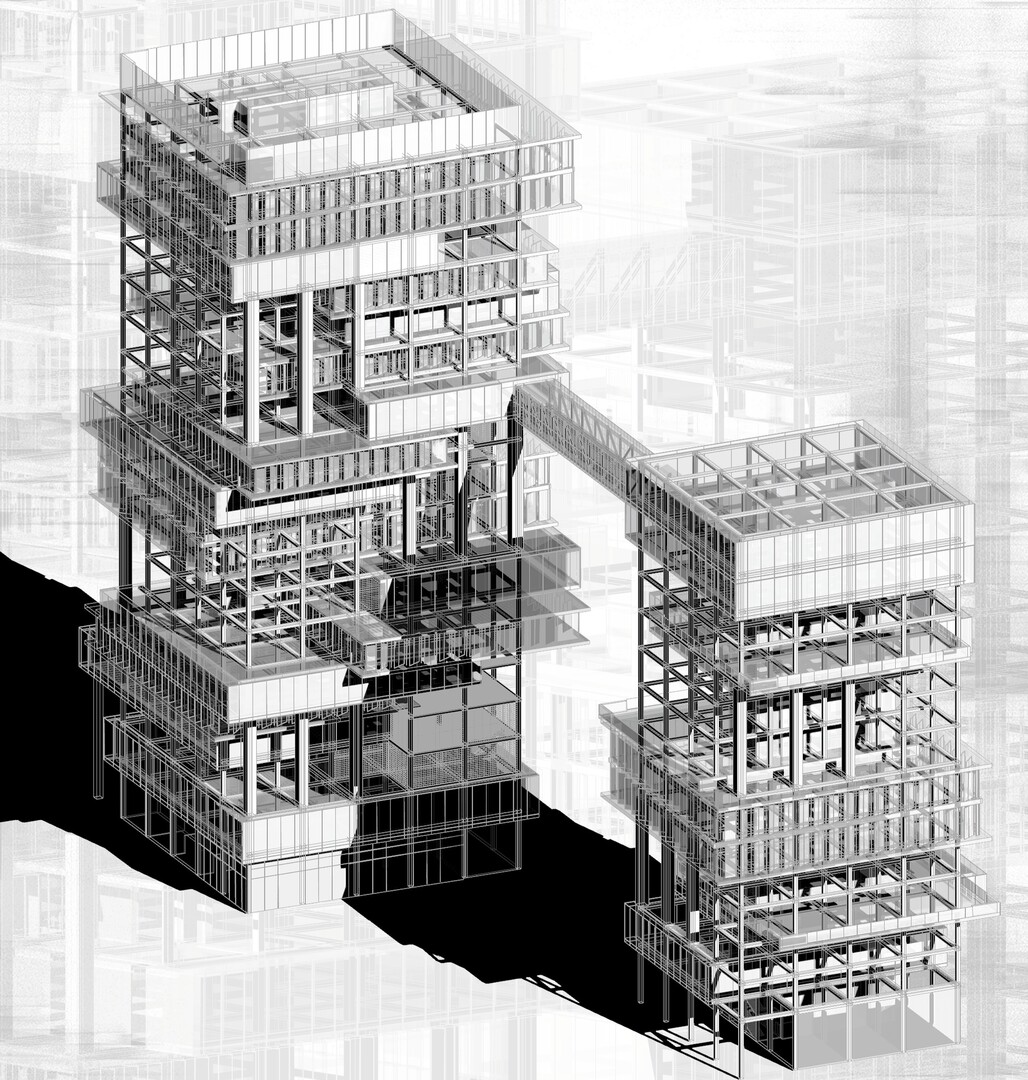
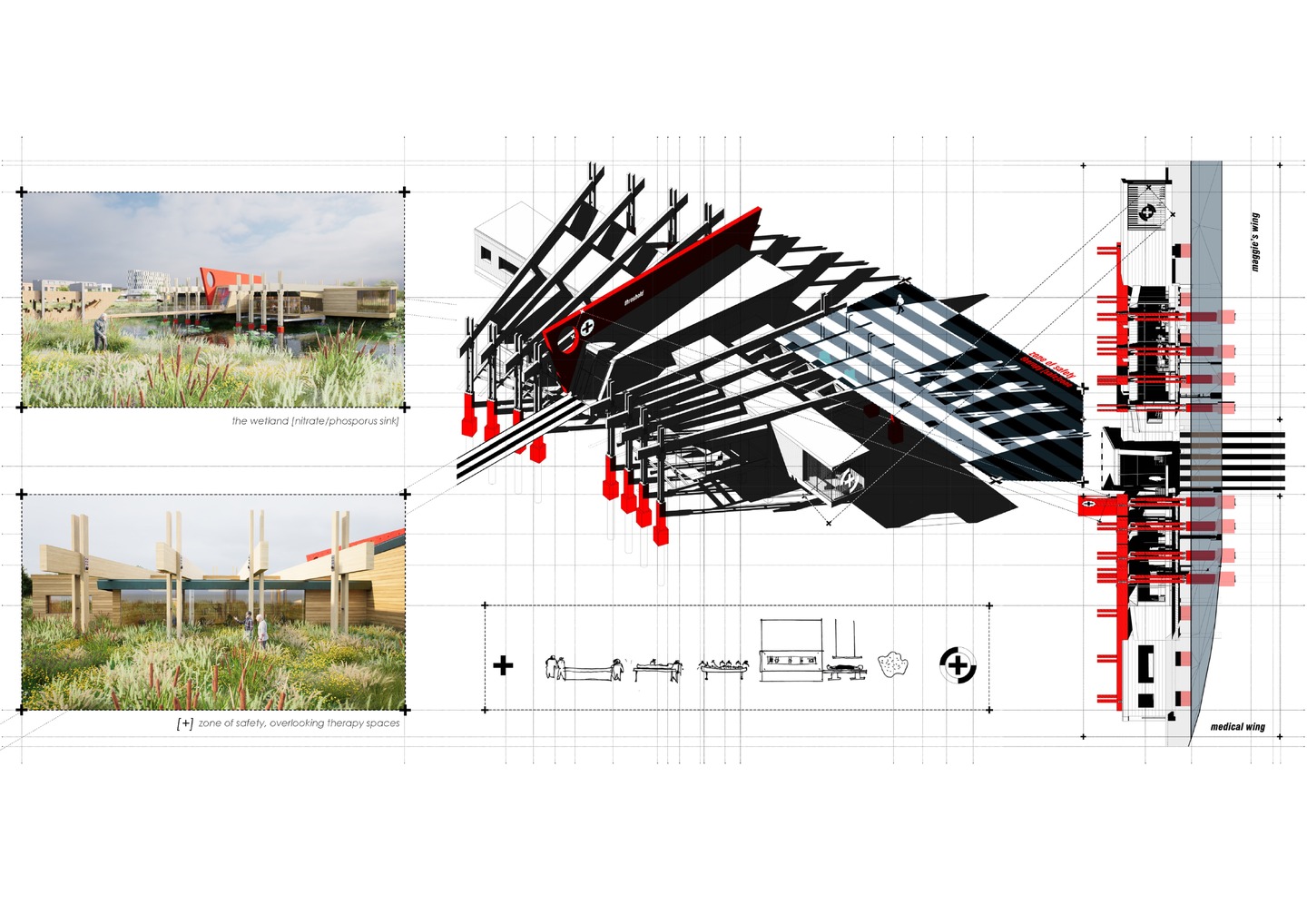
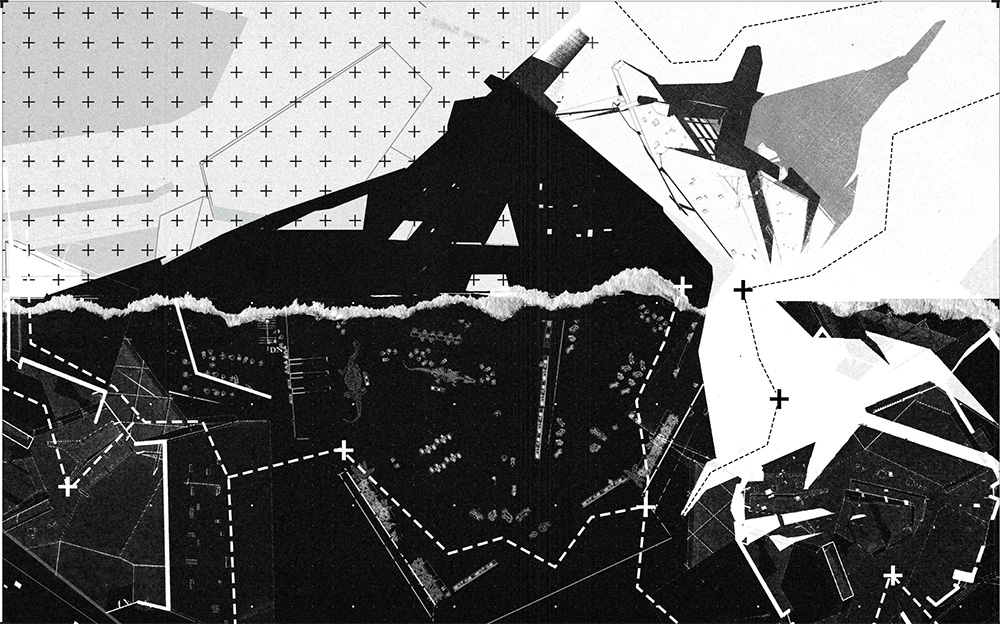
A multi-method design approach underpinned the work, combining data mapping, stakeholder engagement, speculative design, and iterative testing. Mapping revealed hidden ecological, social, and policy relationships, while stakeholder dialogue introduced situated knowledge. Design speculation translated research into proposals ranging from territorial strategies to site-specific interventions, addressing themes including regenerative landscapes, water management, rural economies, and infrastructural reuse.
The resulting work demonstrates a strong synthesis of research and design, offering grounded yet speculative proposals that challenge conventional development models and position infrastructural architecture as a catalyst for environmental regeneration and social futures.