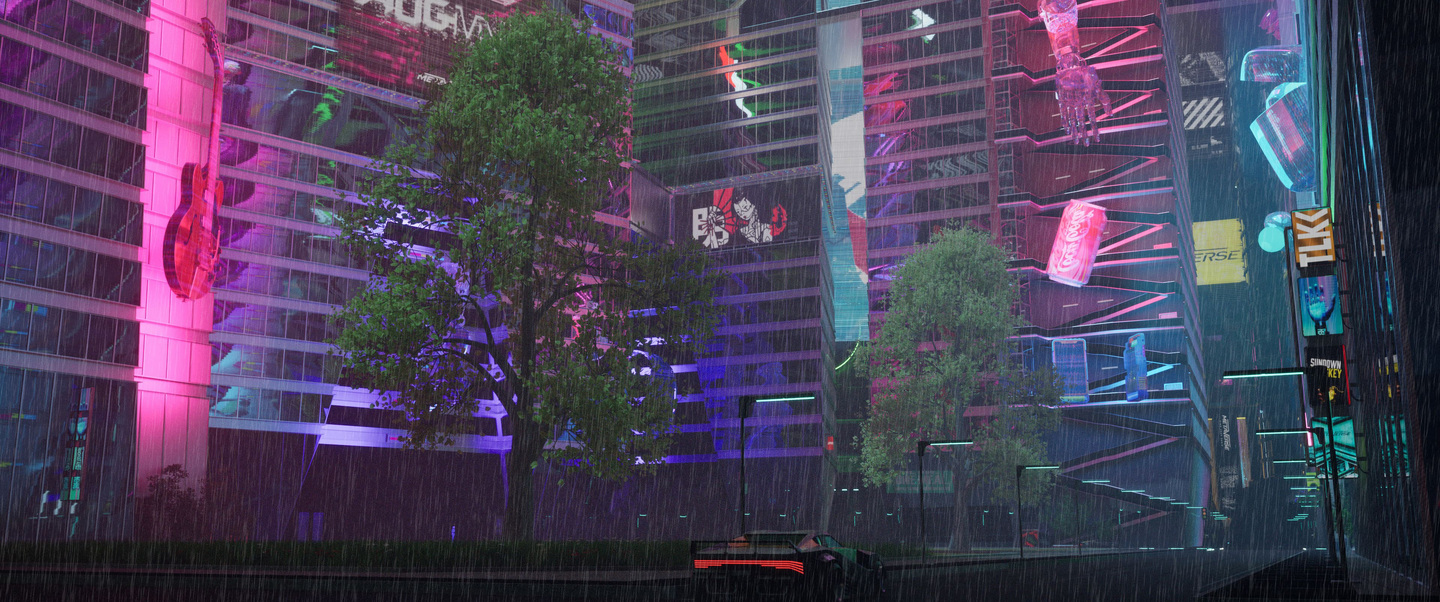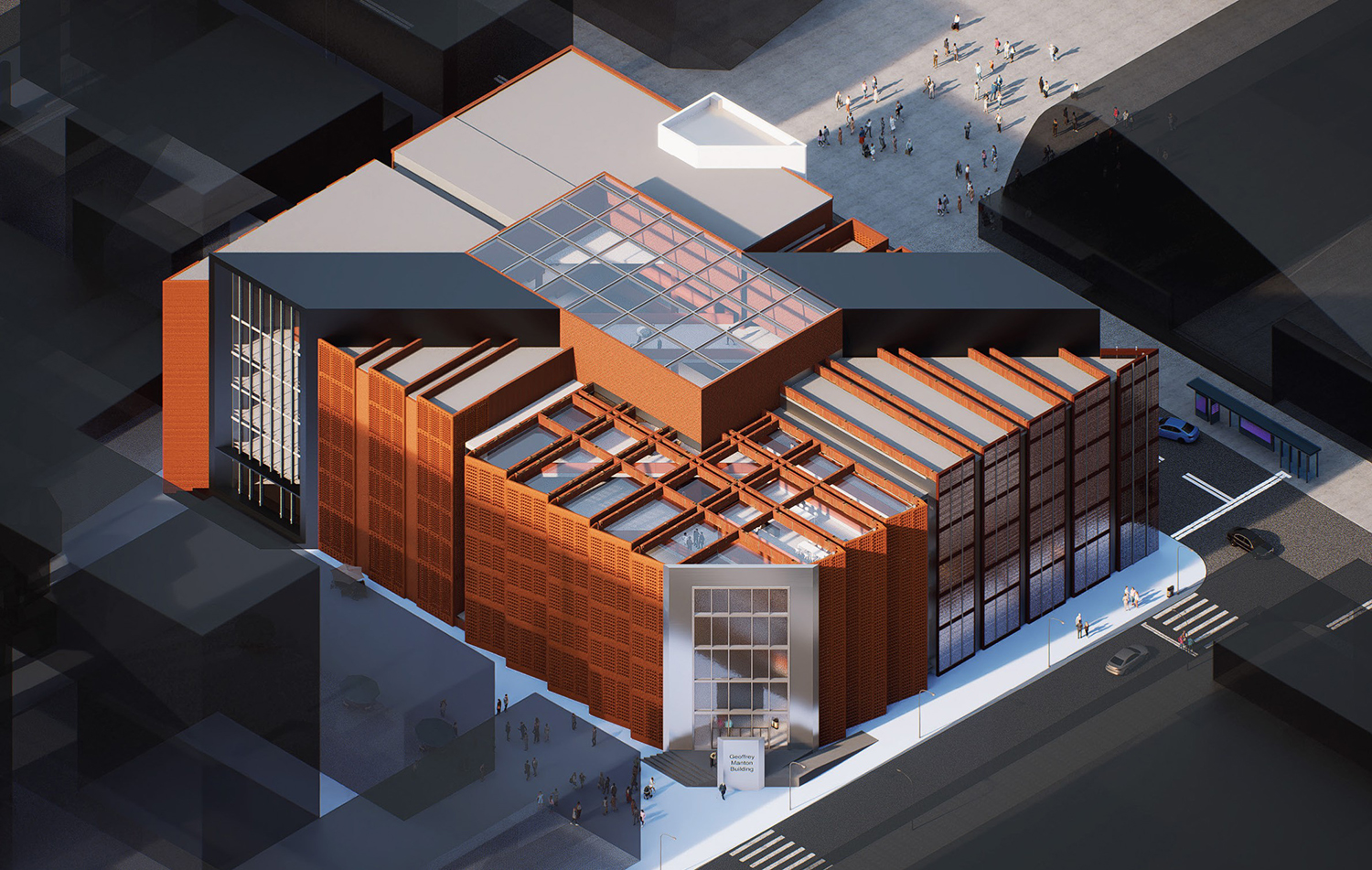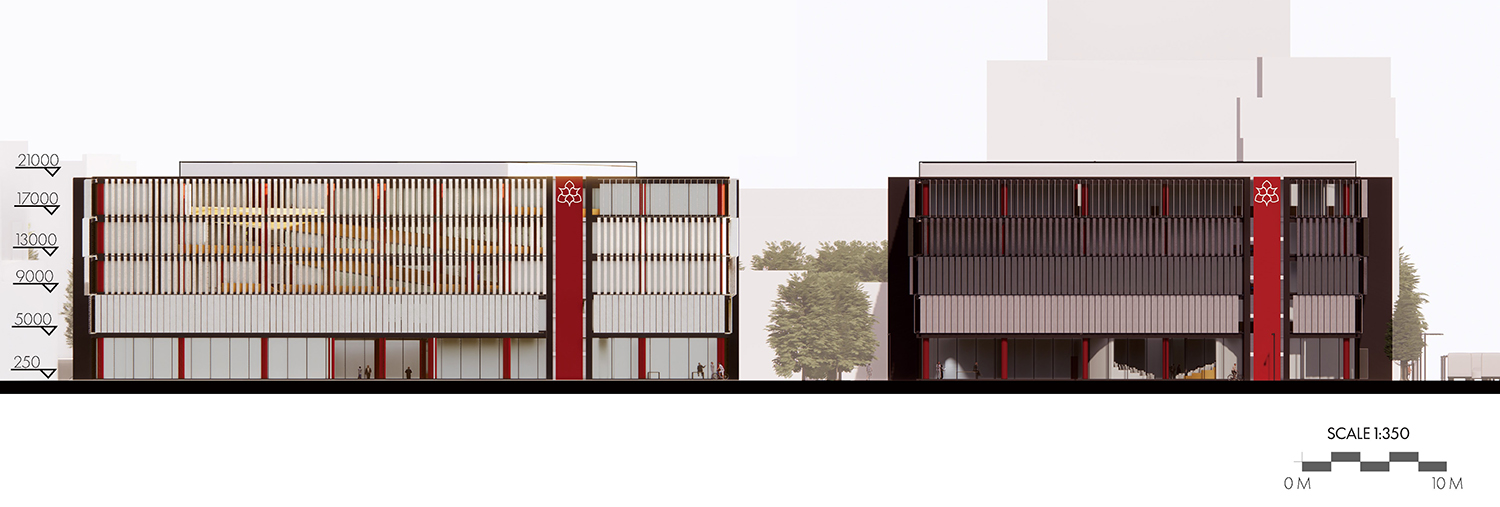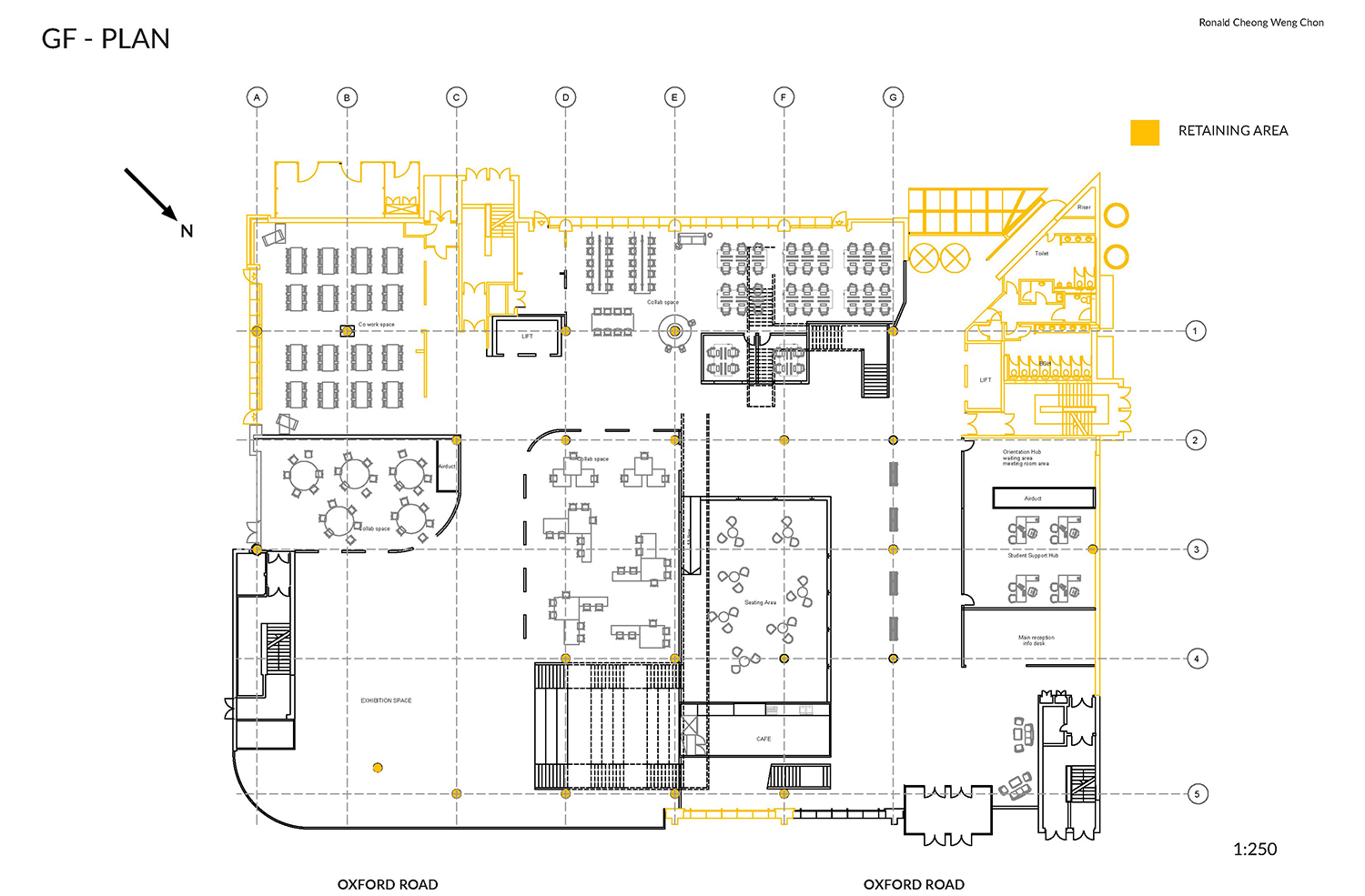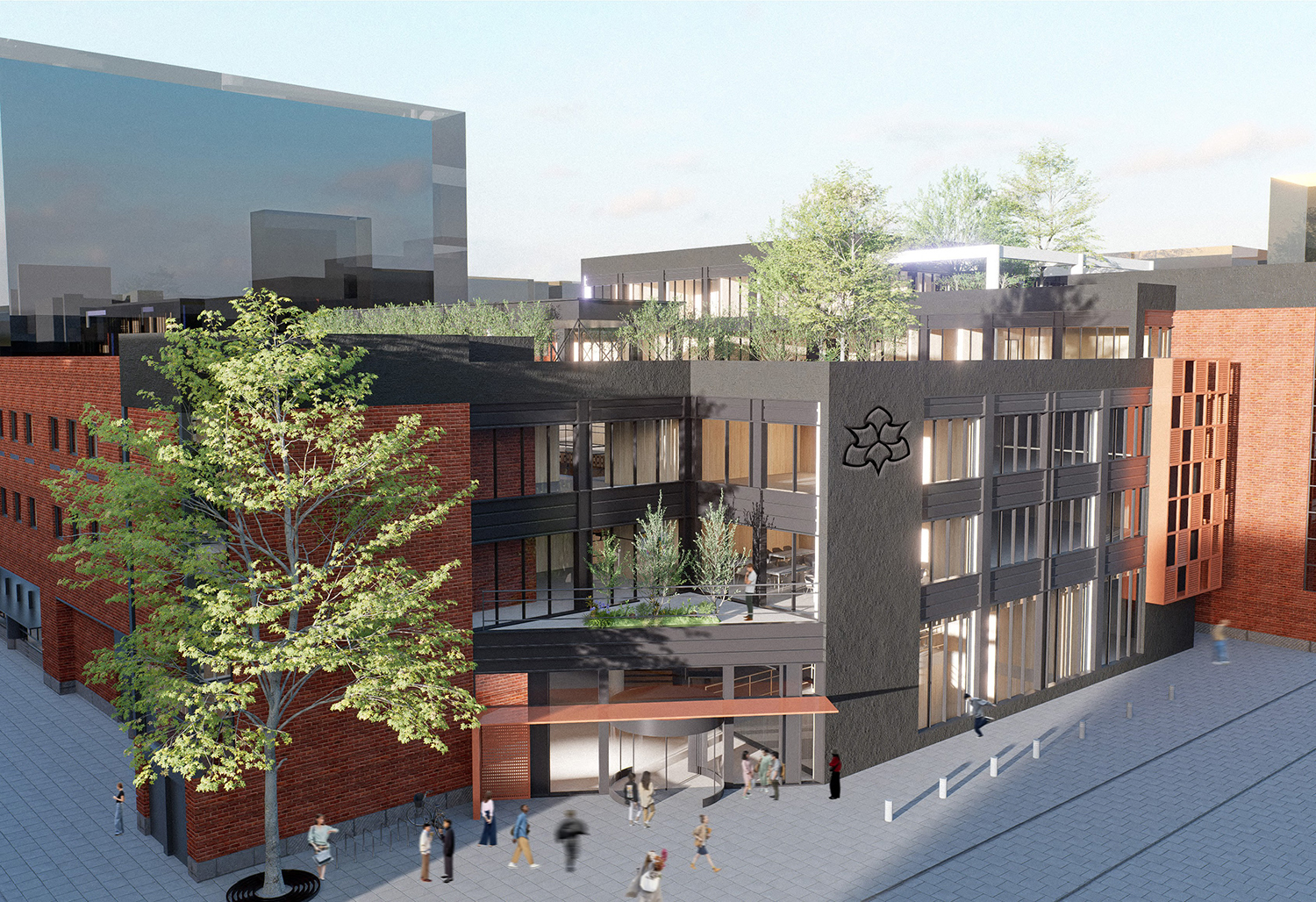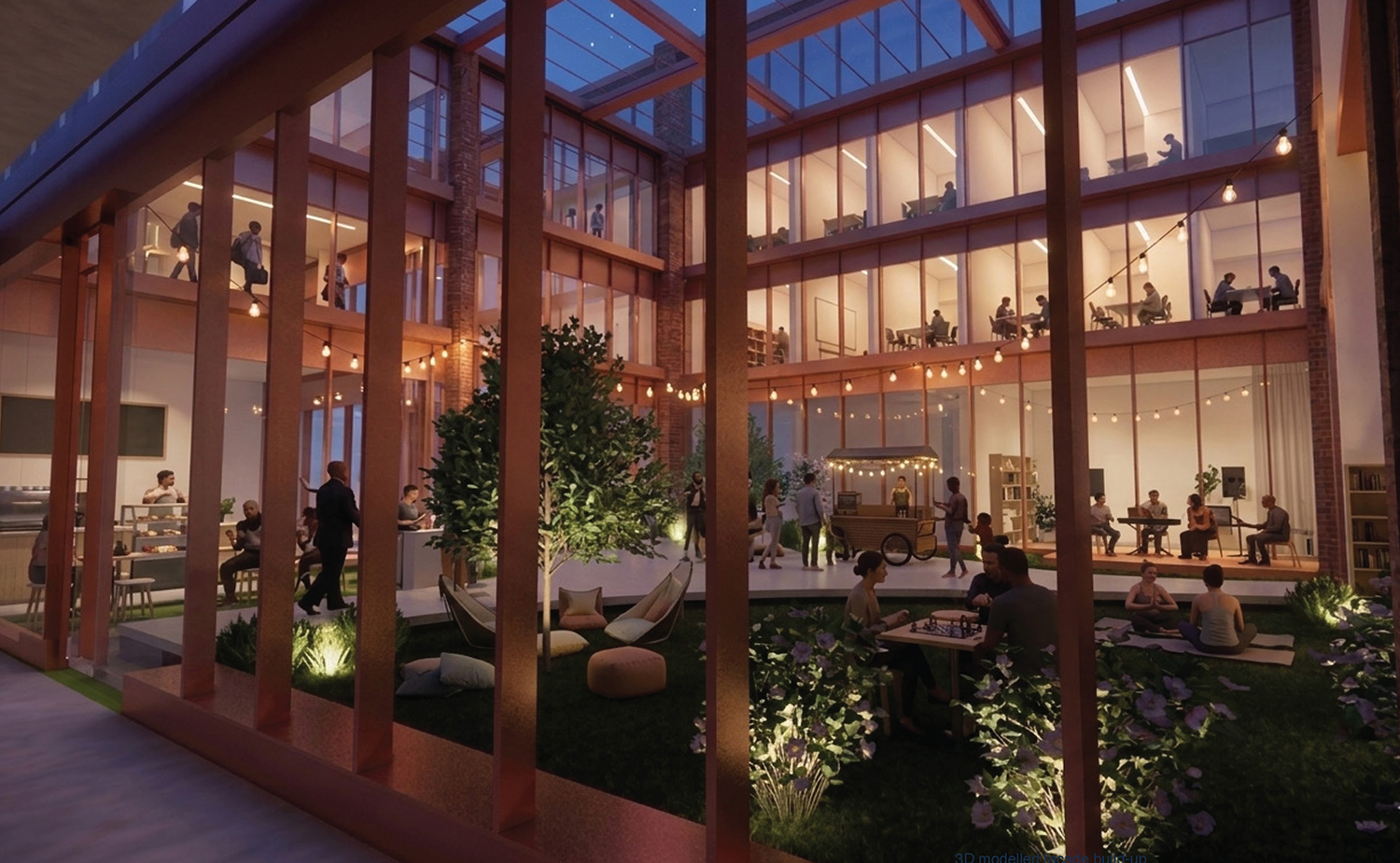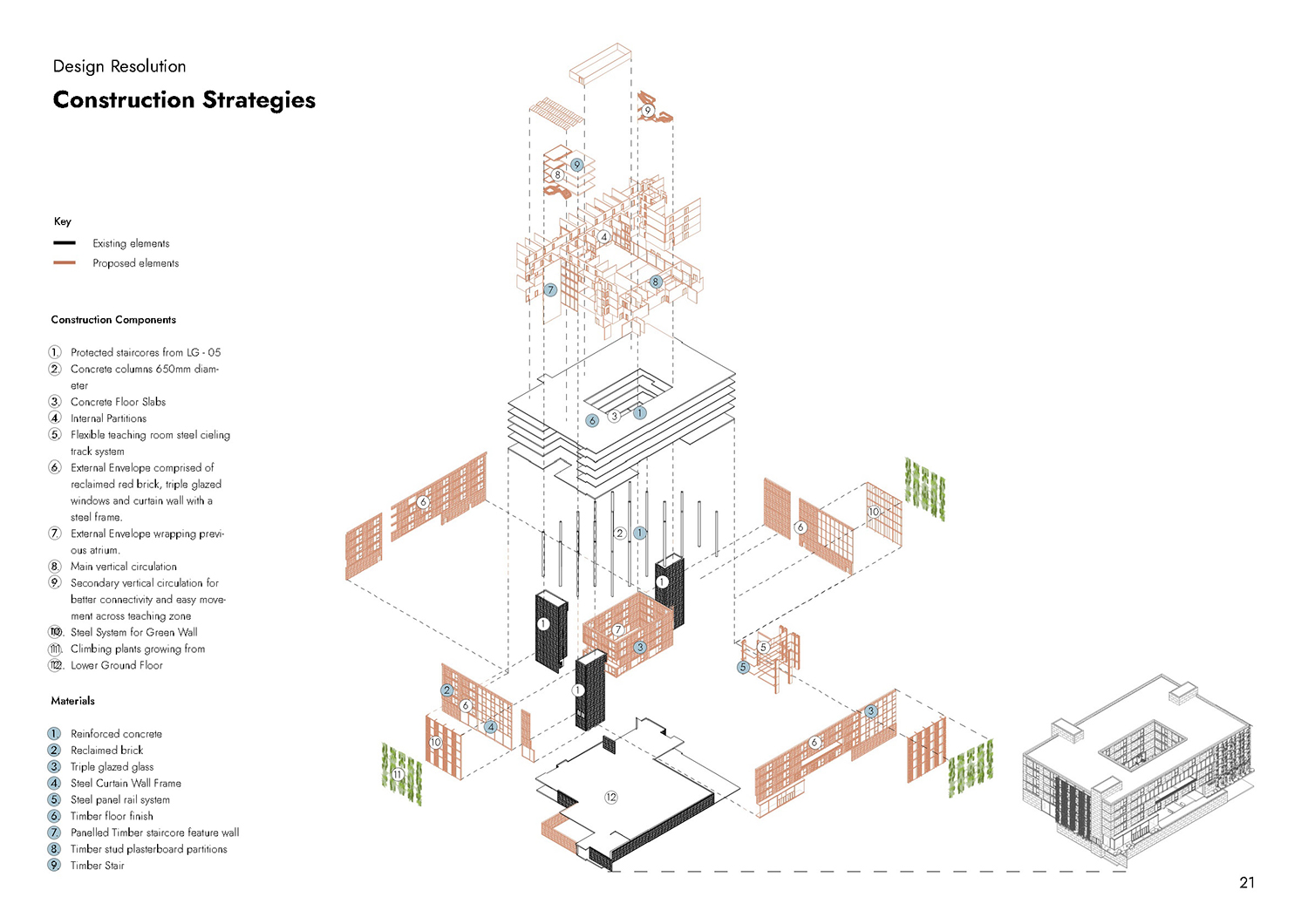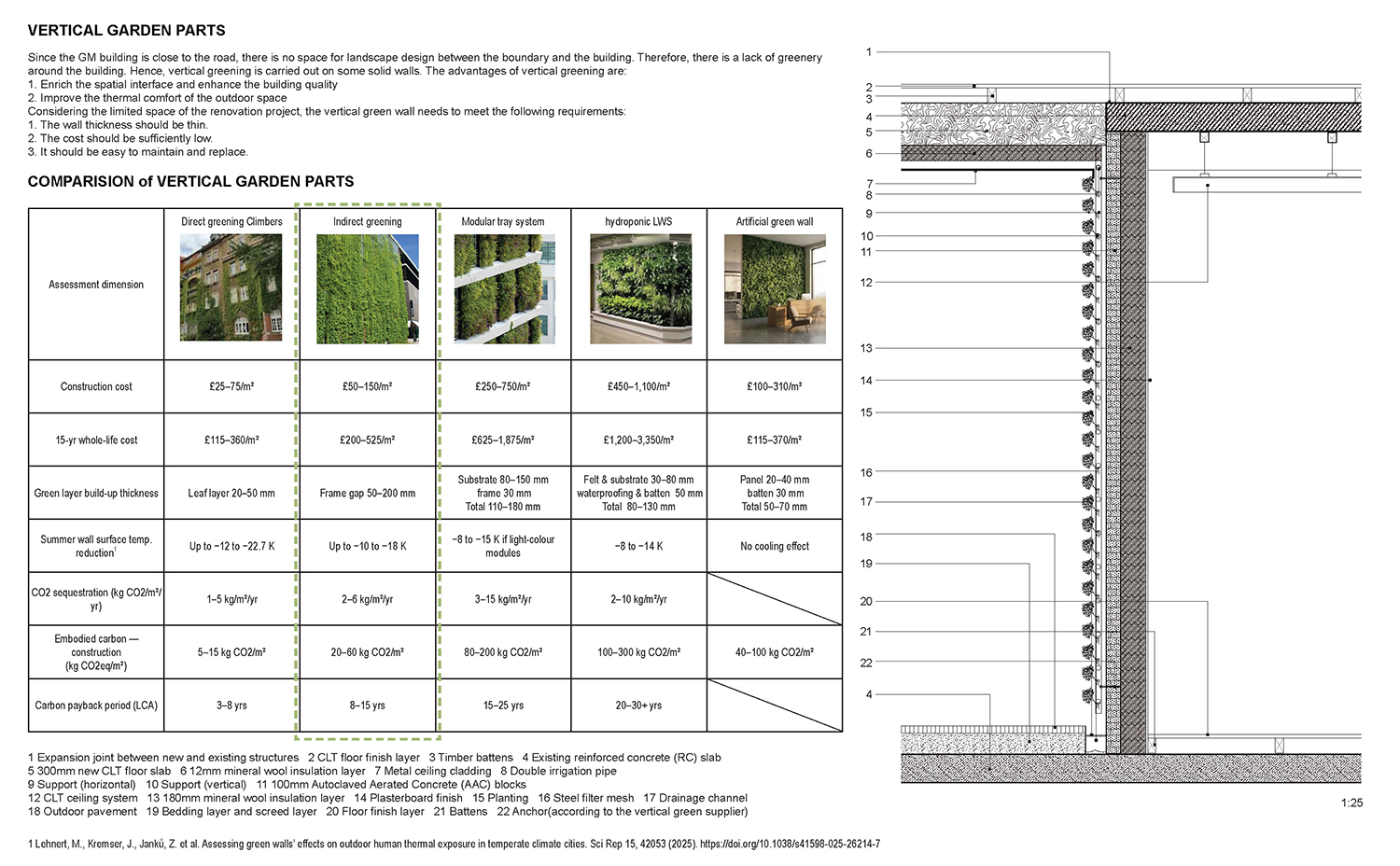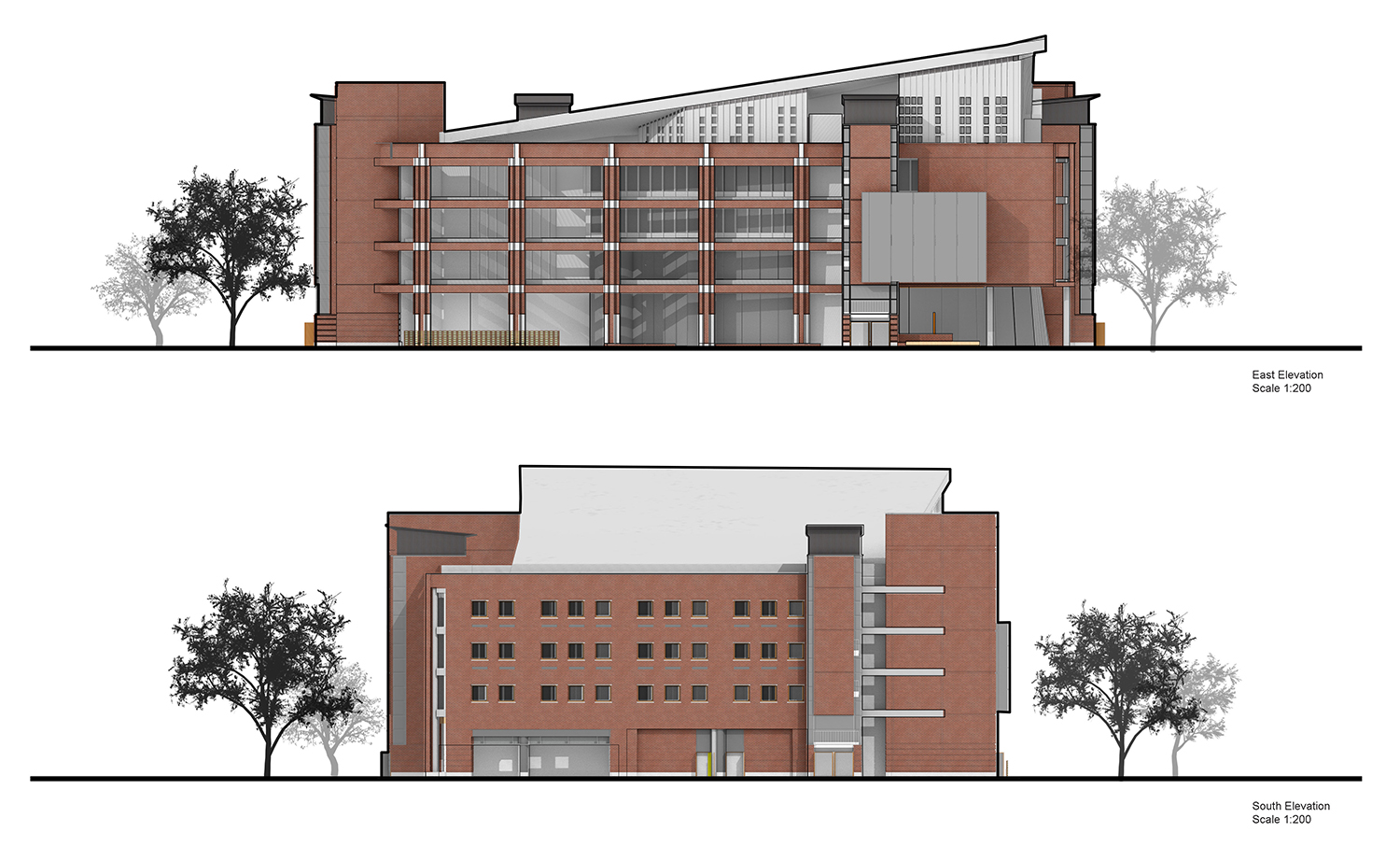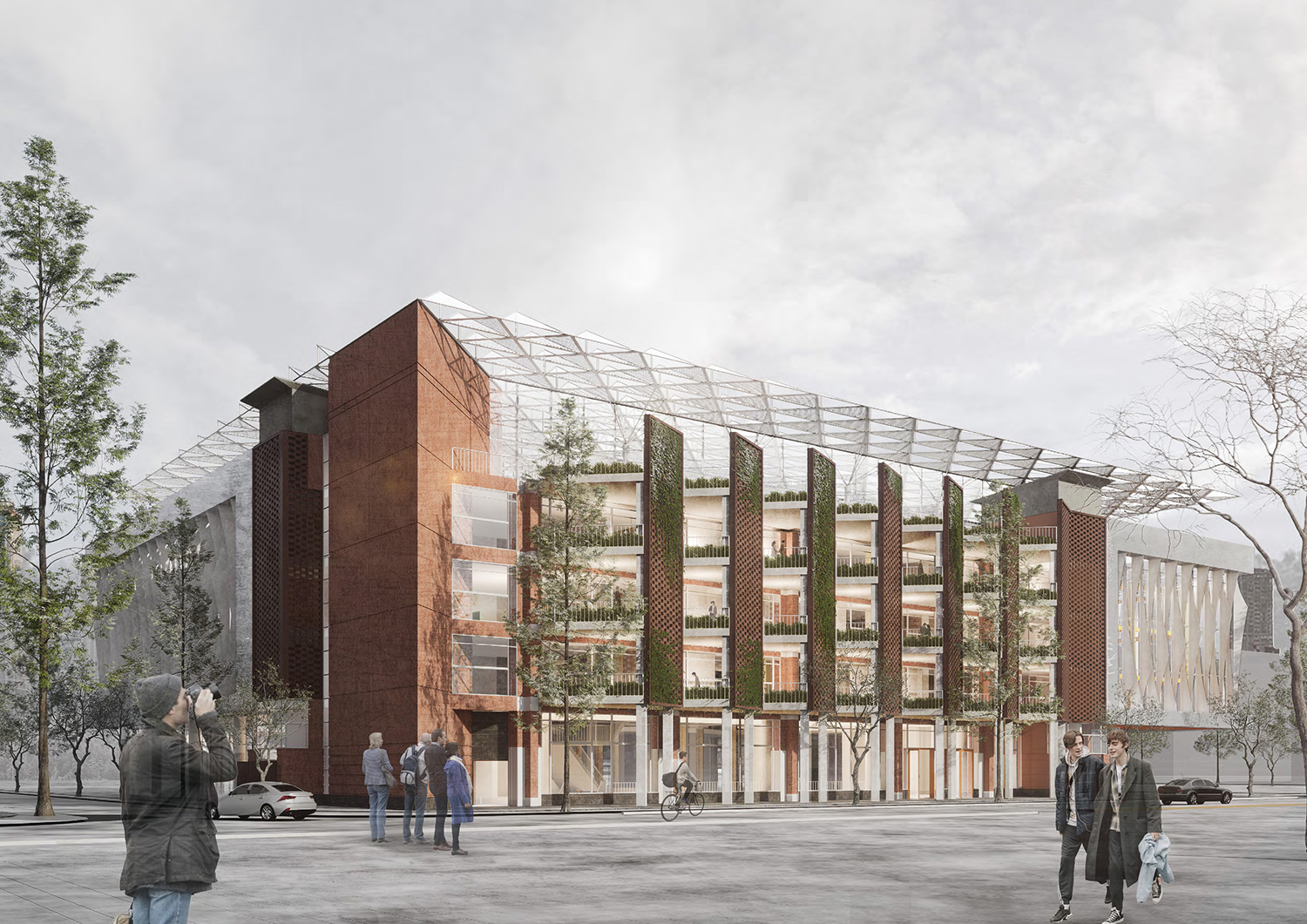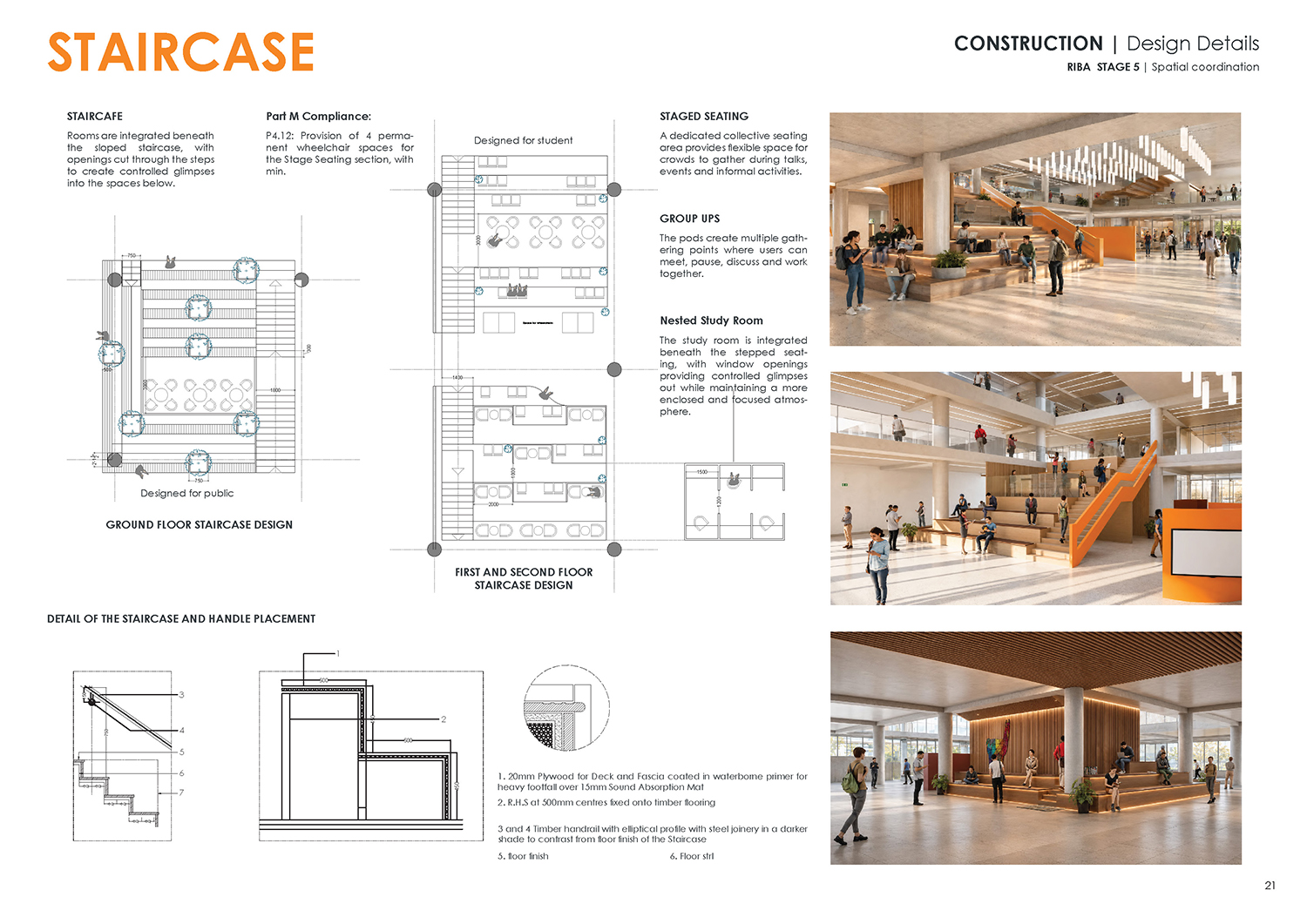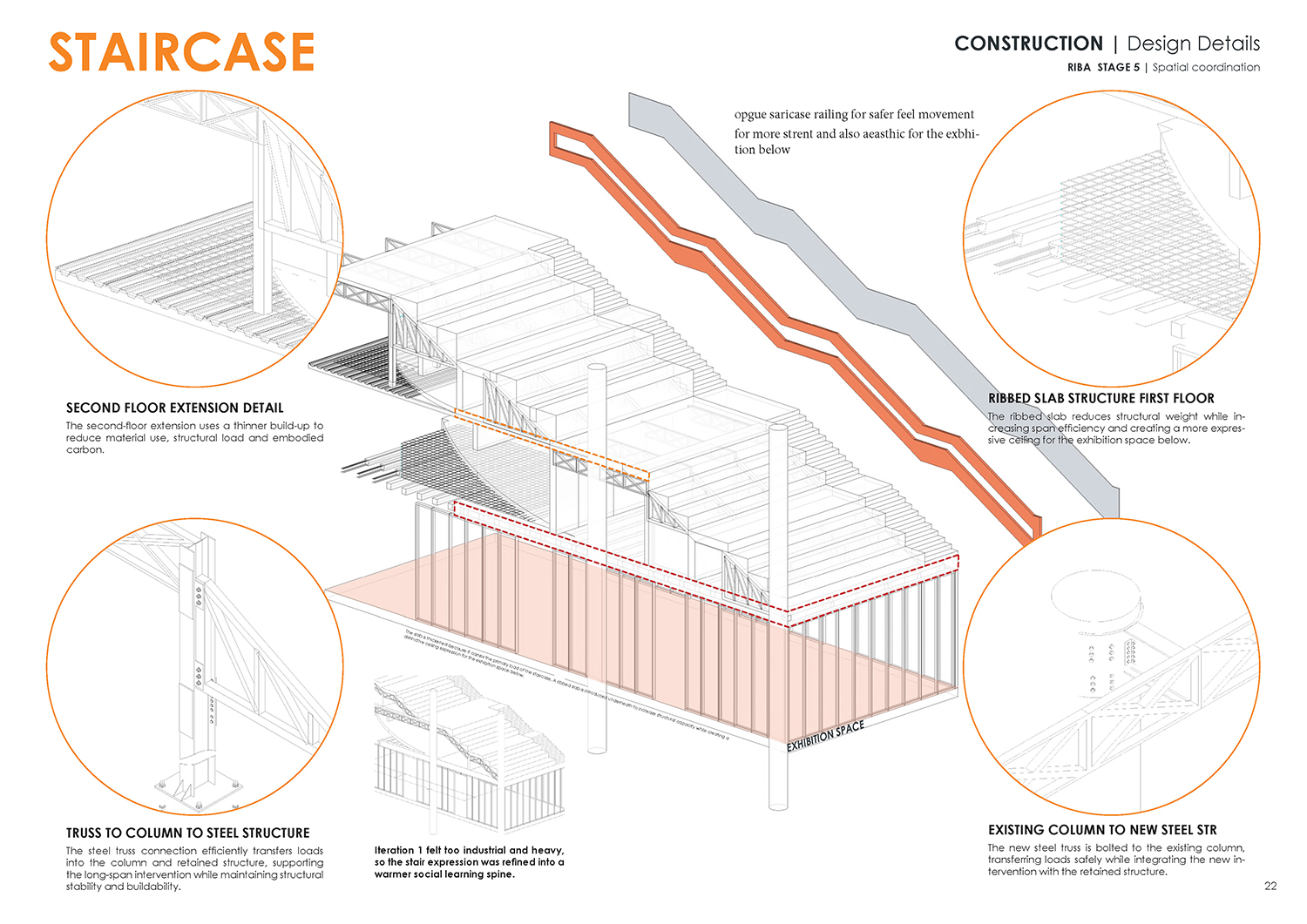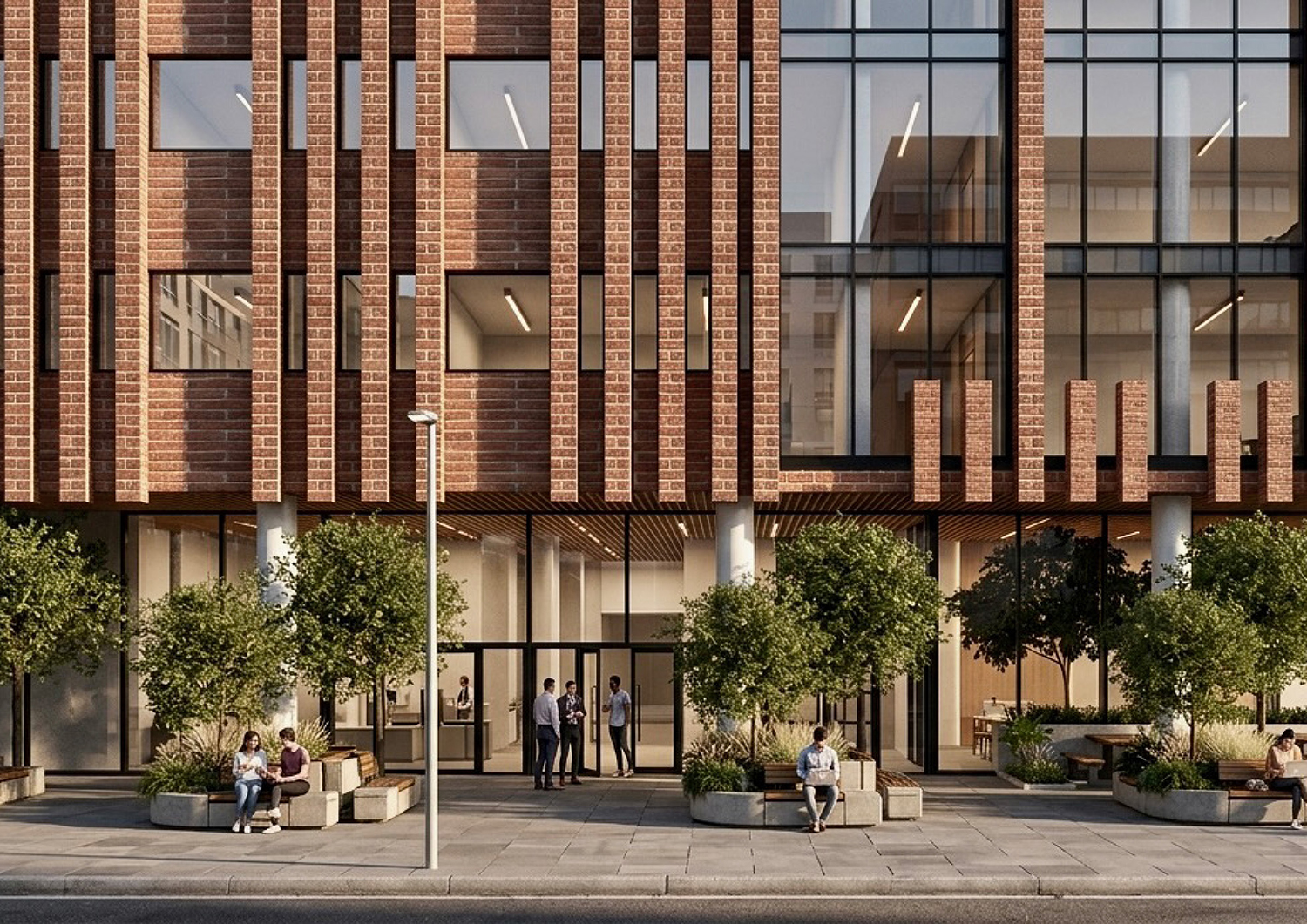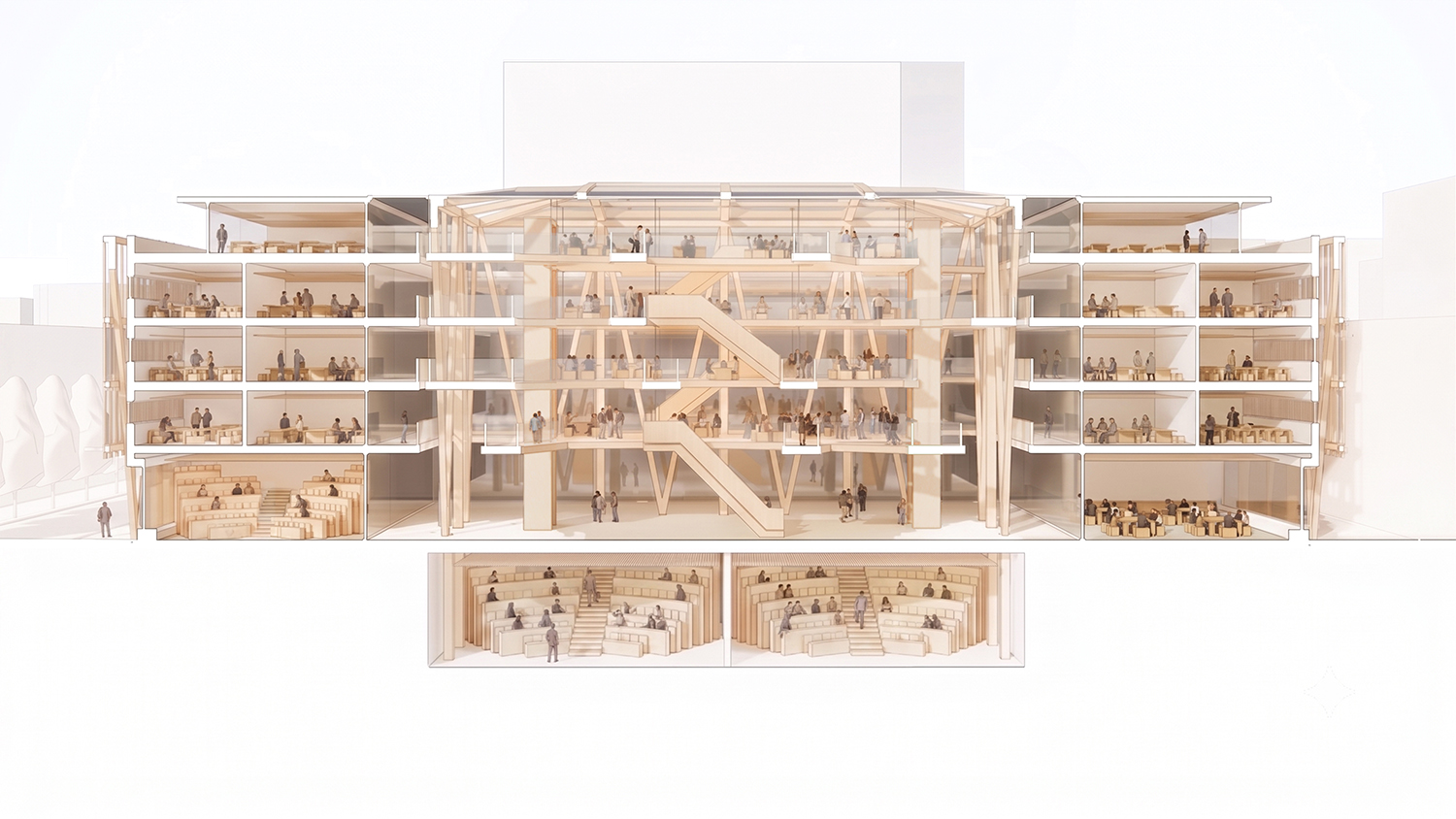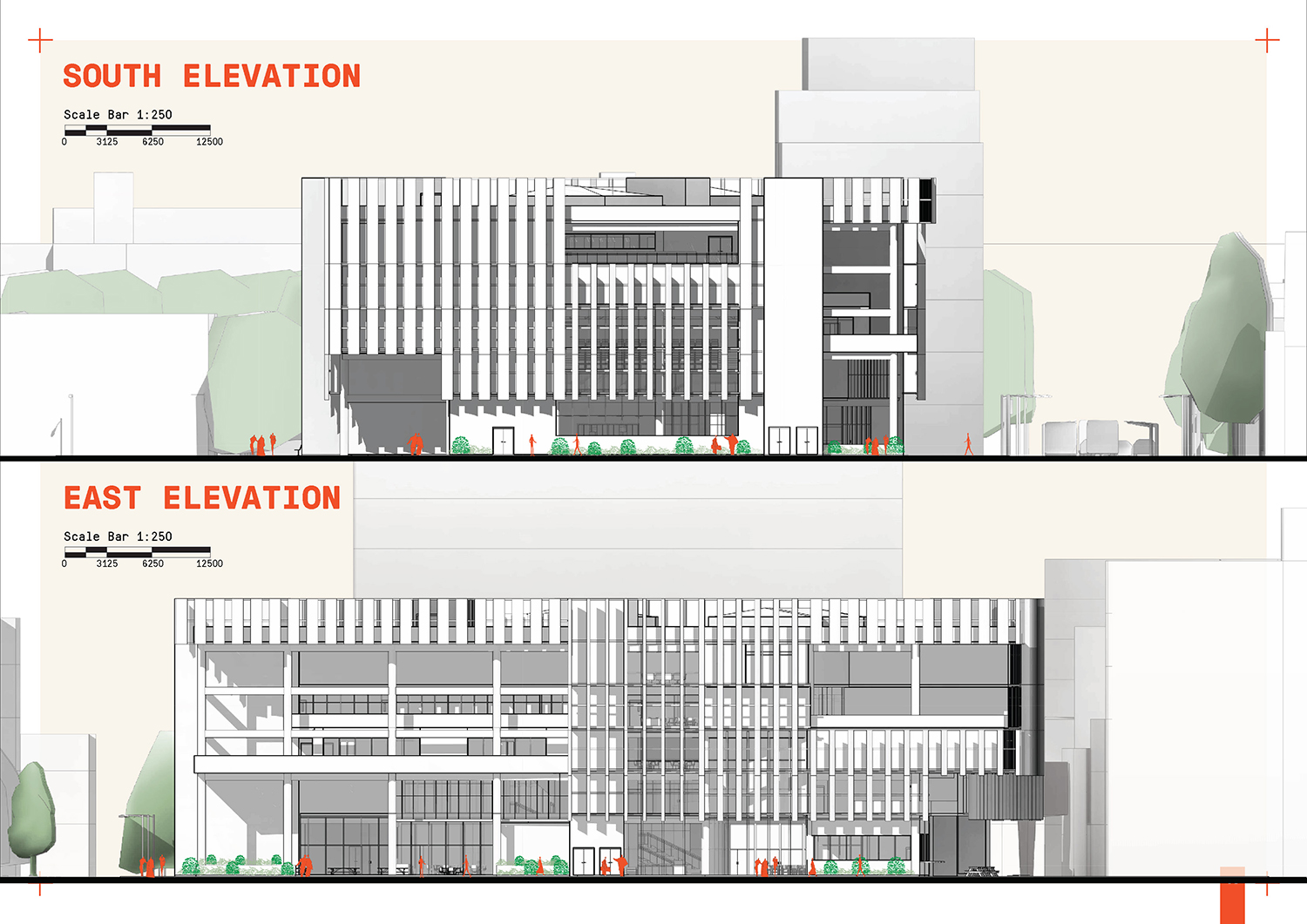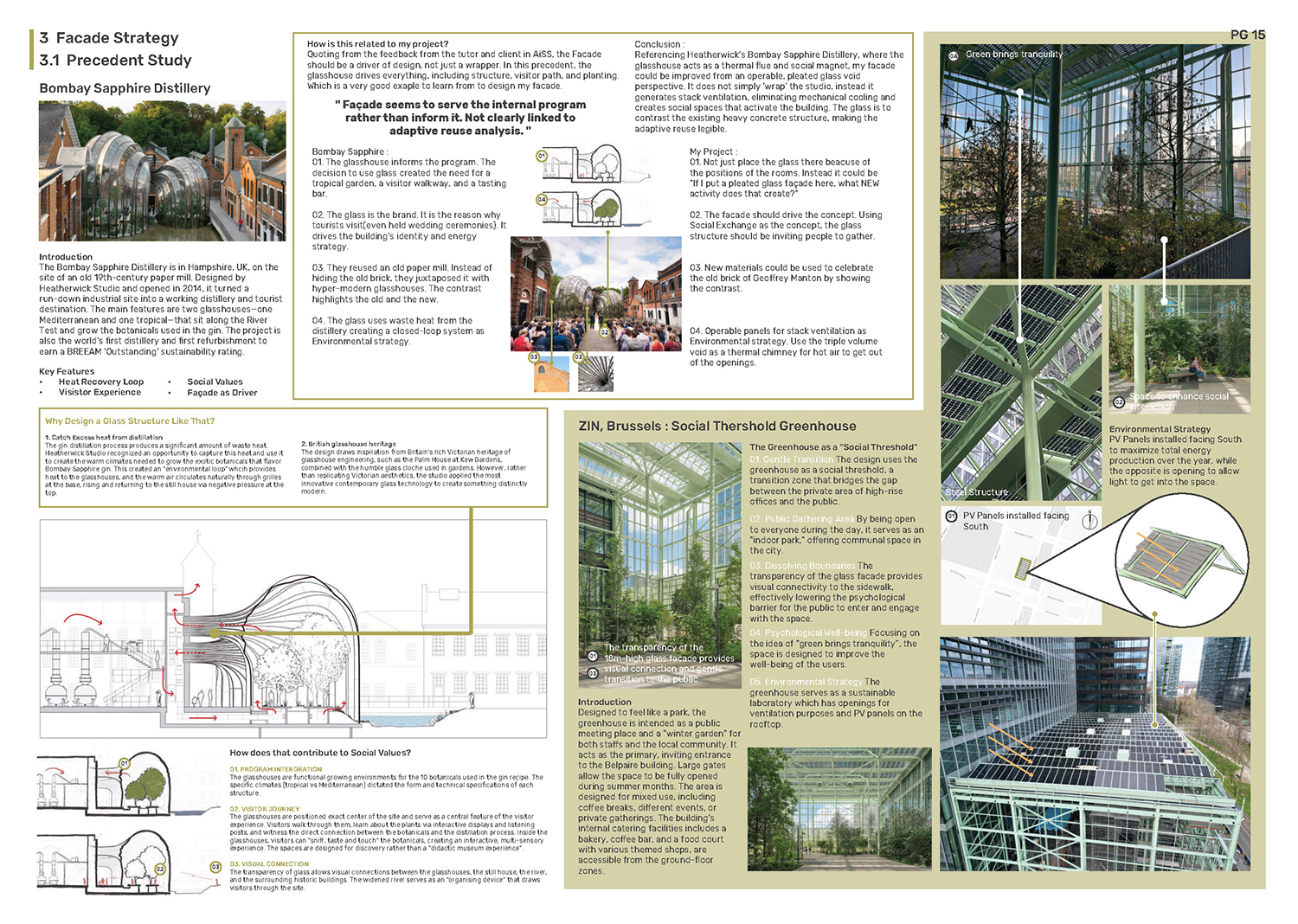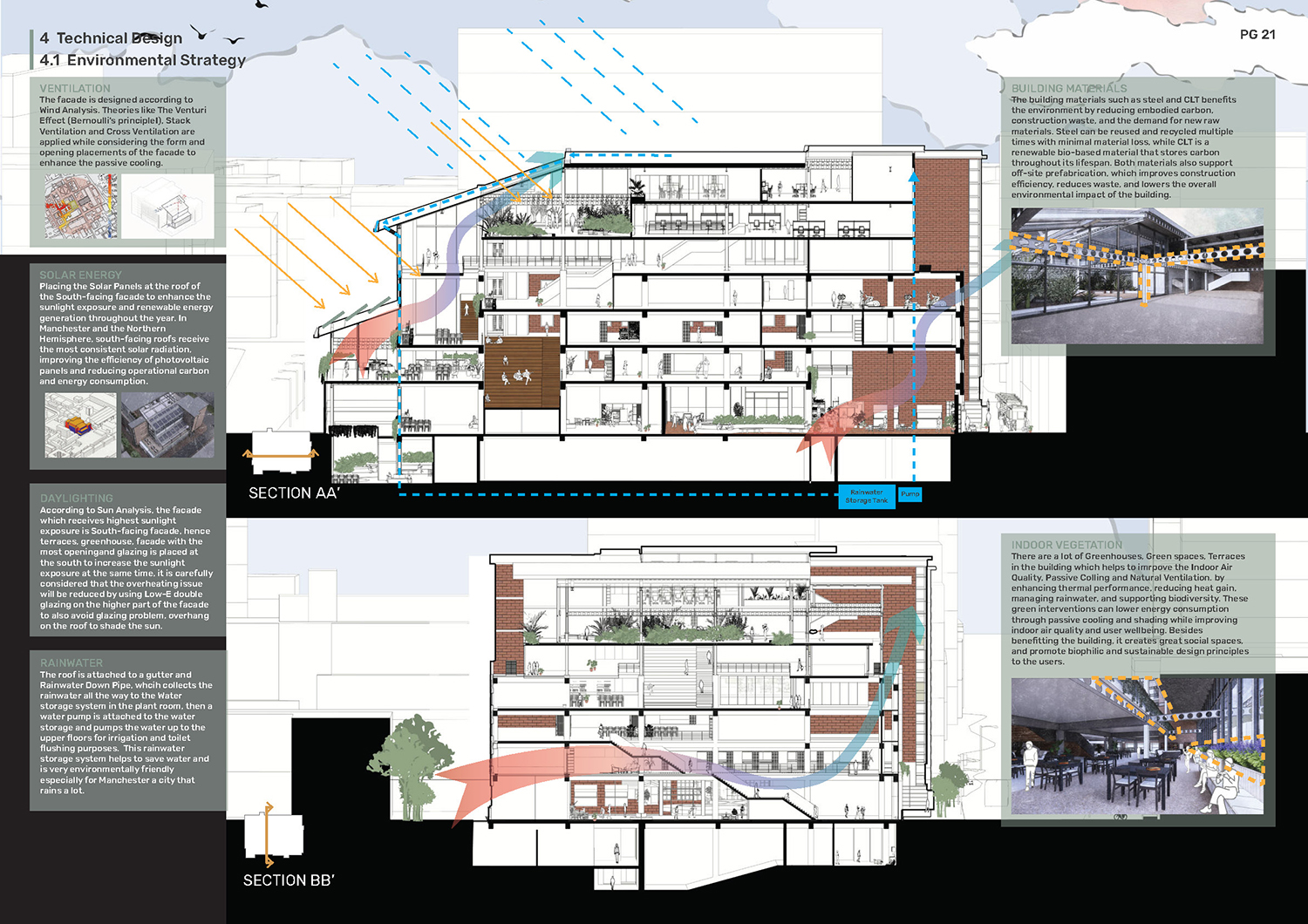


[Complexity, Planning and Urbanism] Architecture Intelligence ([CPU]ai) is a vertical atelier that develops advanced computational design methodologies underpinned by complexity and futures theory. It challenges static design approaches by foregrounding dynamic, temporal, and systemic processes in response to the urgent challenges of future sustainable cities.
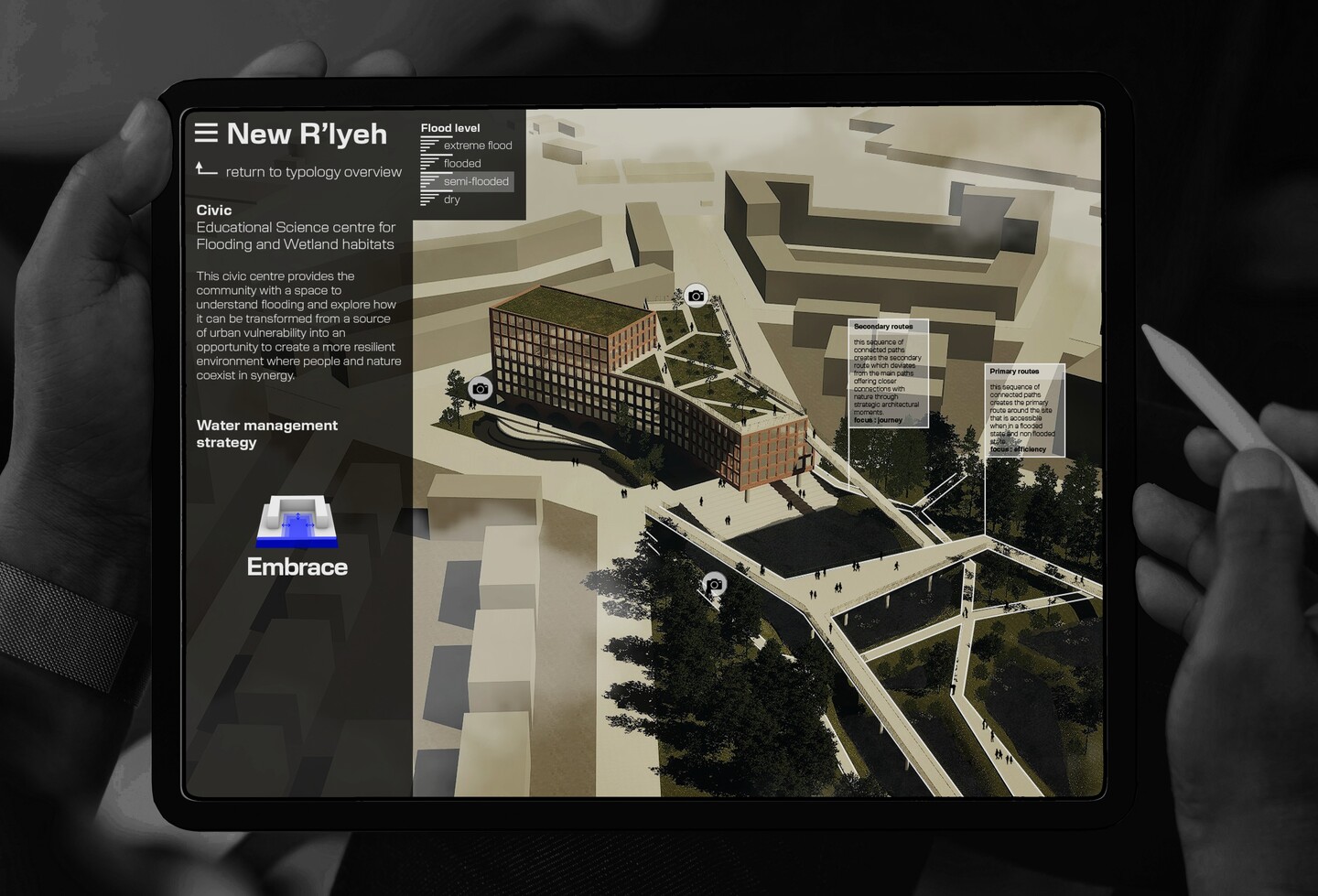
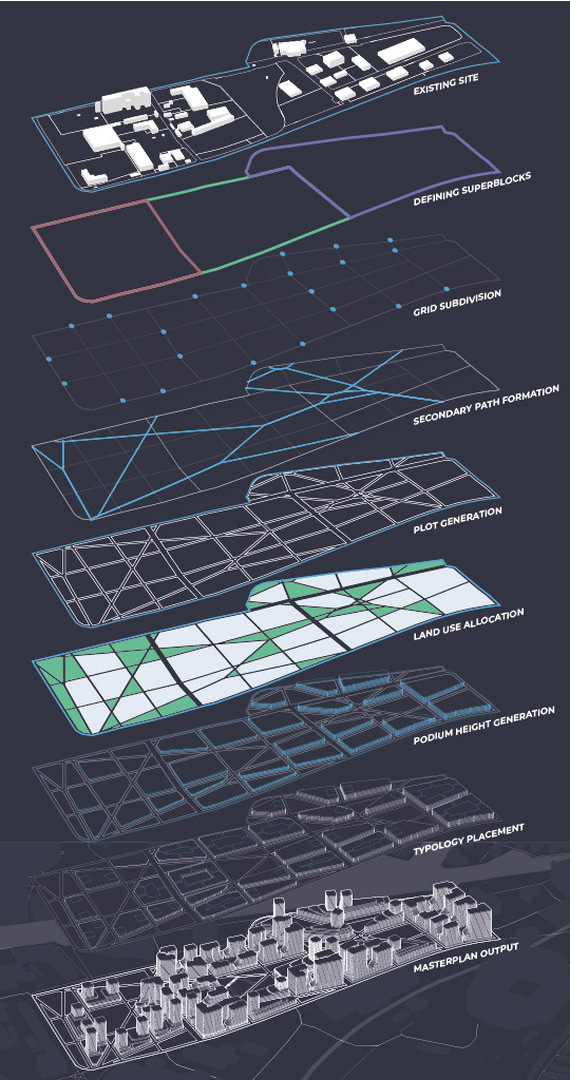
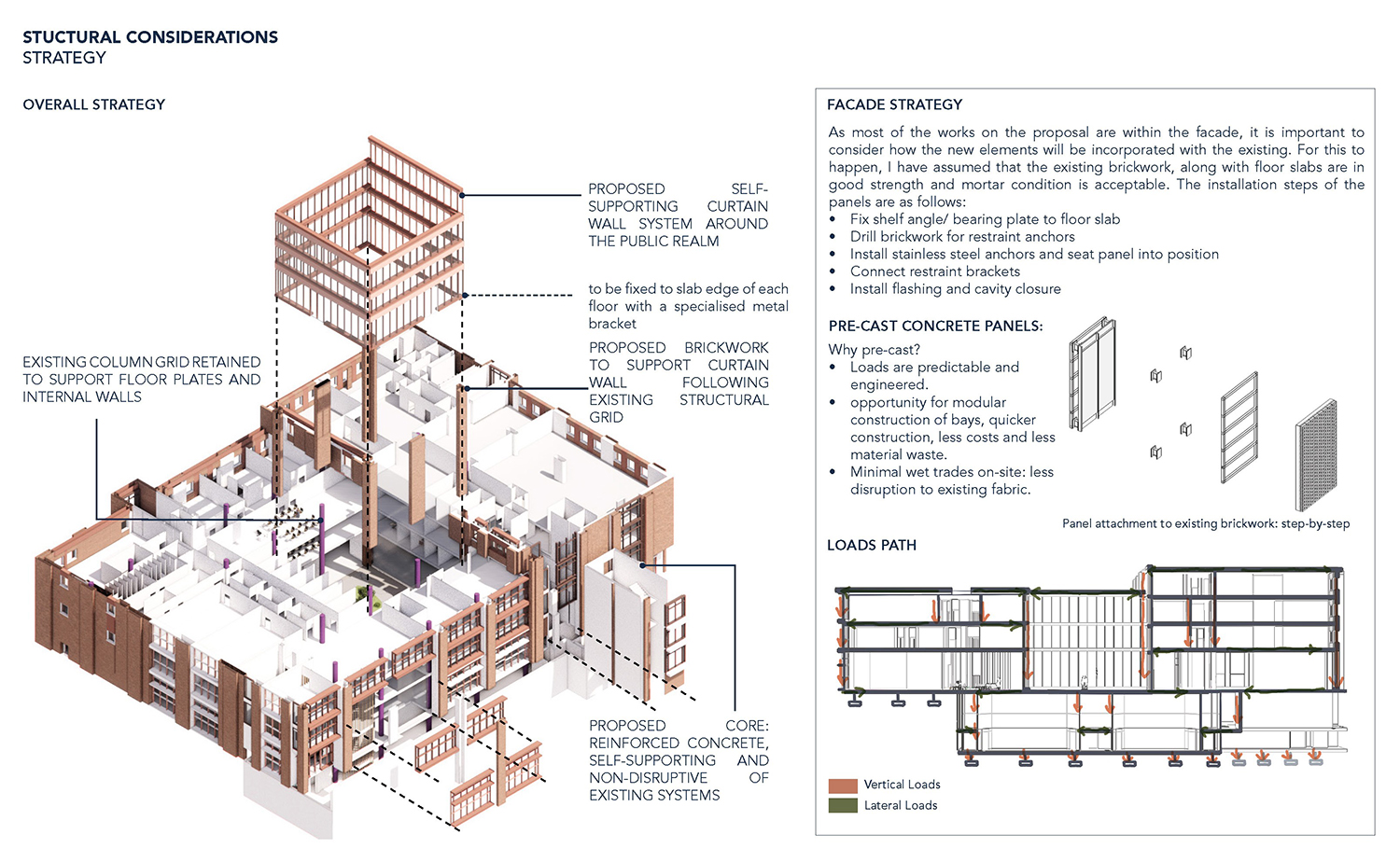
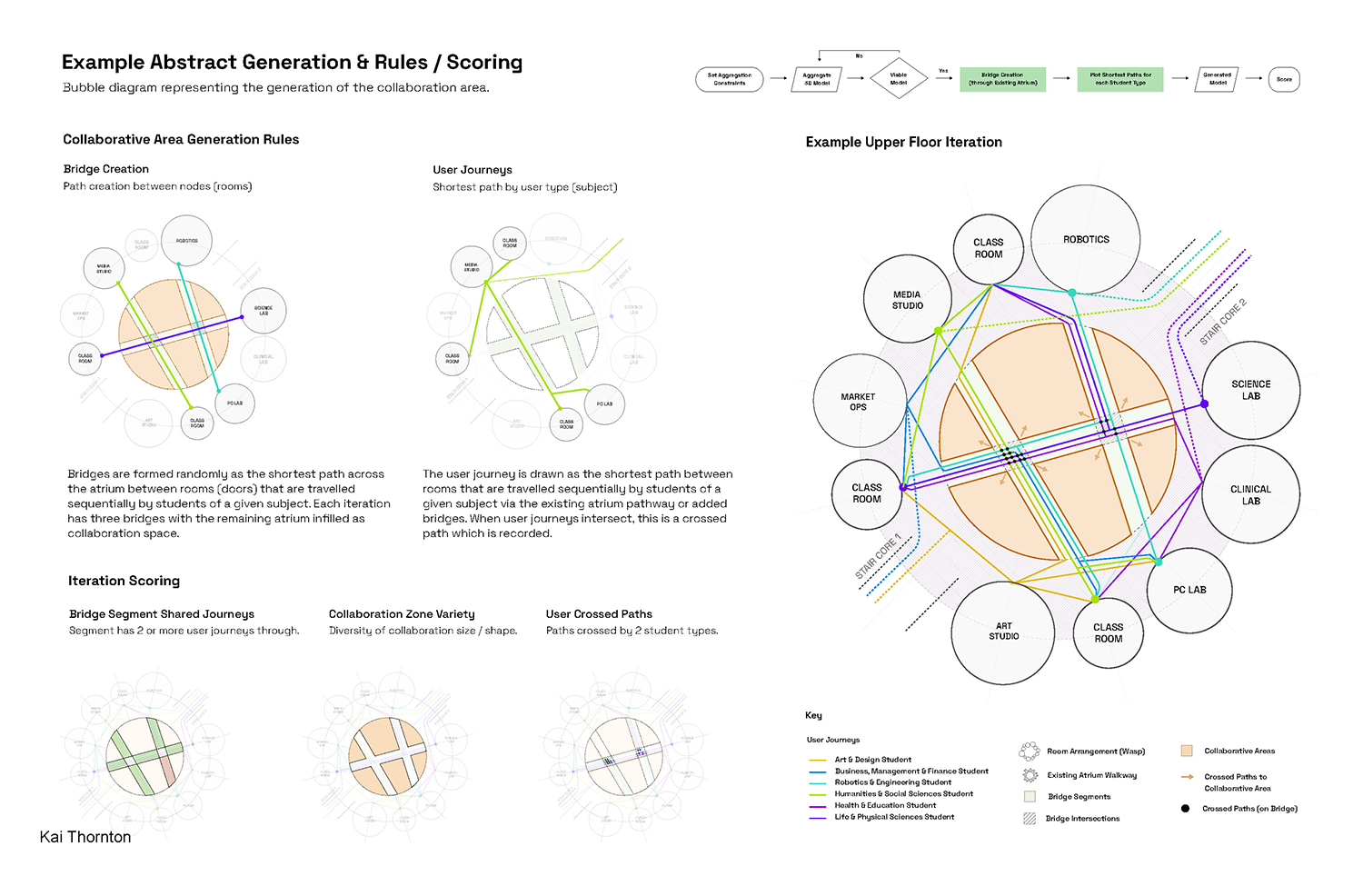
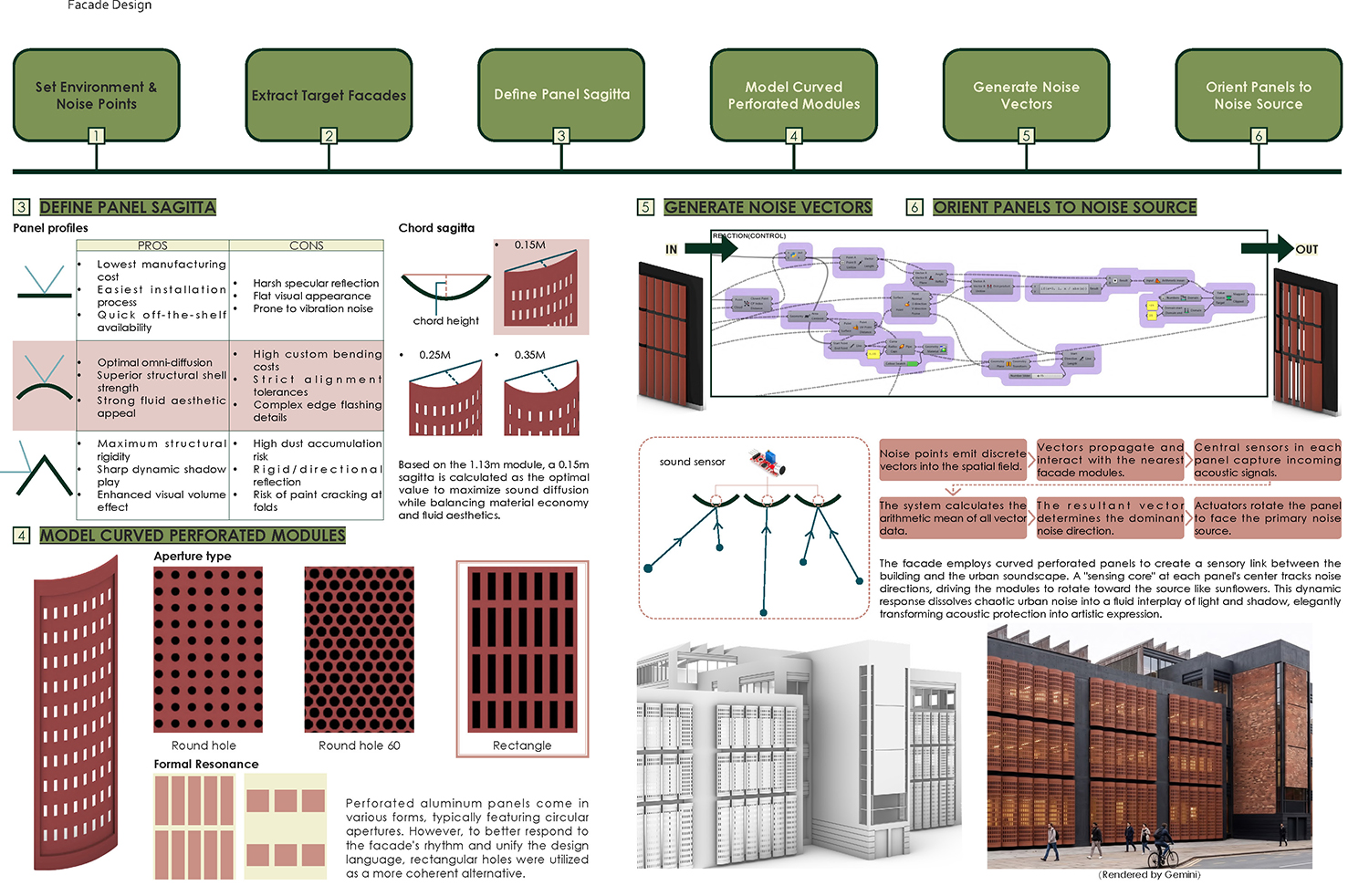
In MArch2, students investigate alternative urban futures through speculative design, simulation, urban analytics, and computational workflows. A central component of the atelier is the development of bespoke design tools (#CodeYourOwnTool), where students move beyond conventional software to develop and apply their own computational methods. These tools enable the exploration of design space, supporting scenario testing and the evaluation of trade-offs across environmental, social, and economic sustainability dimensions.
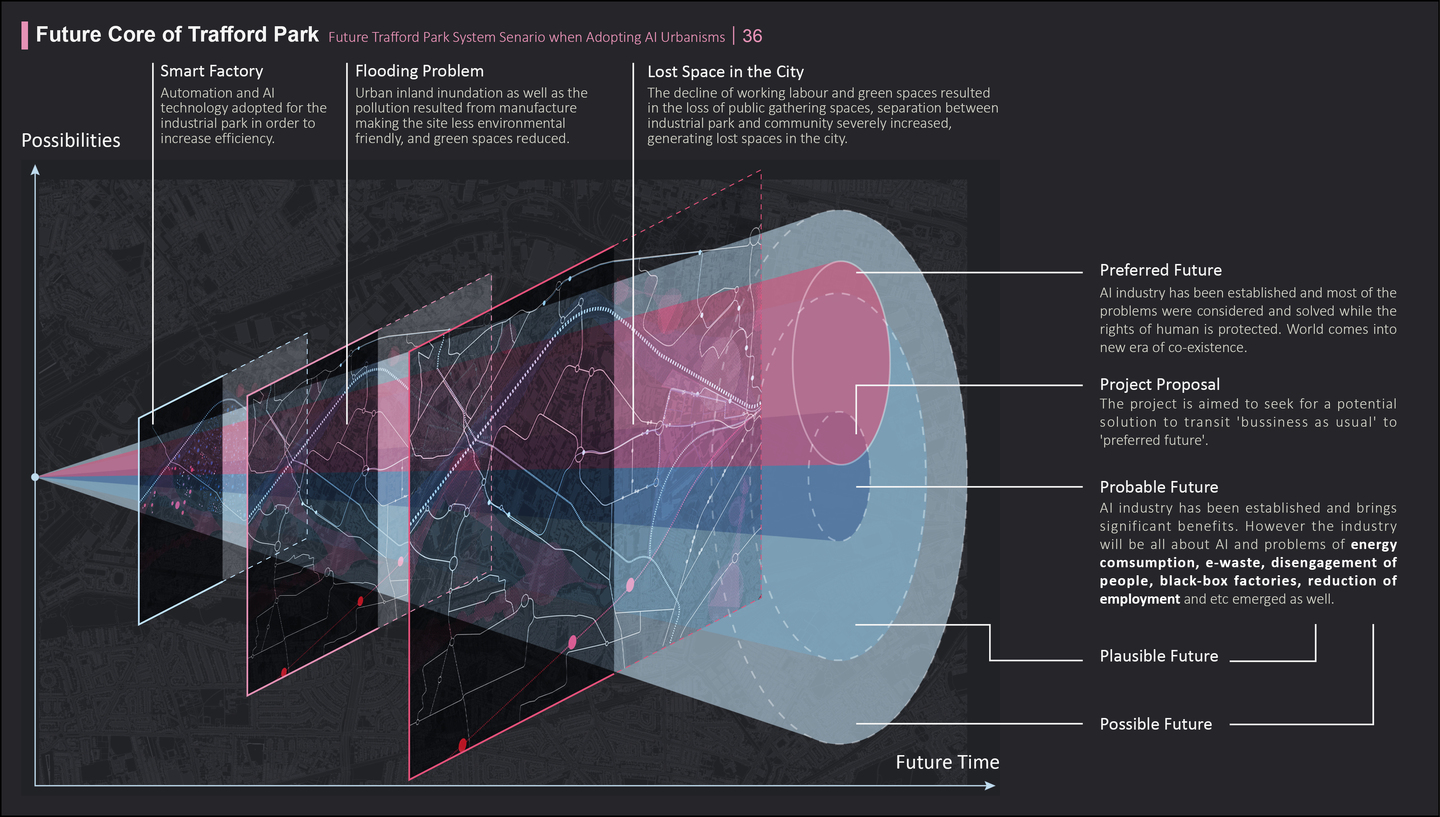
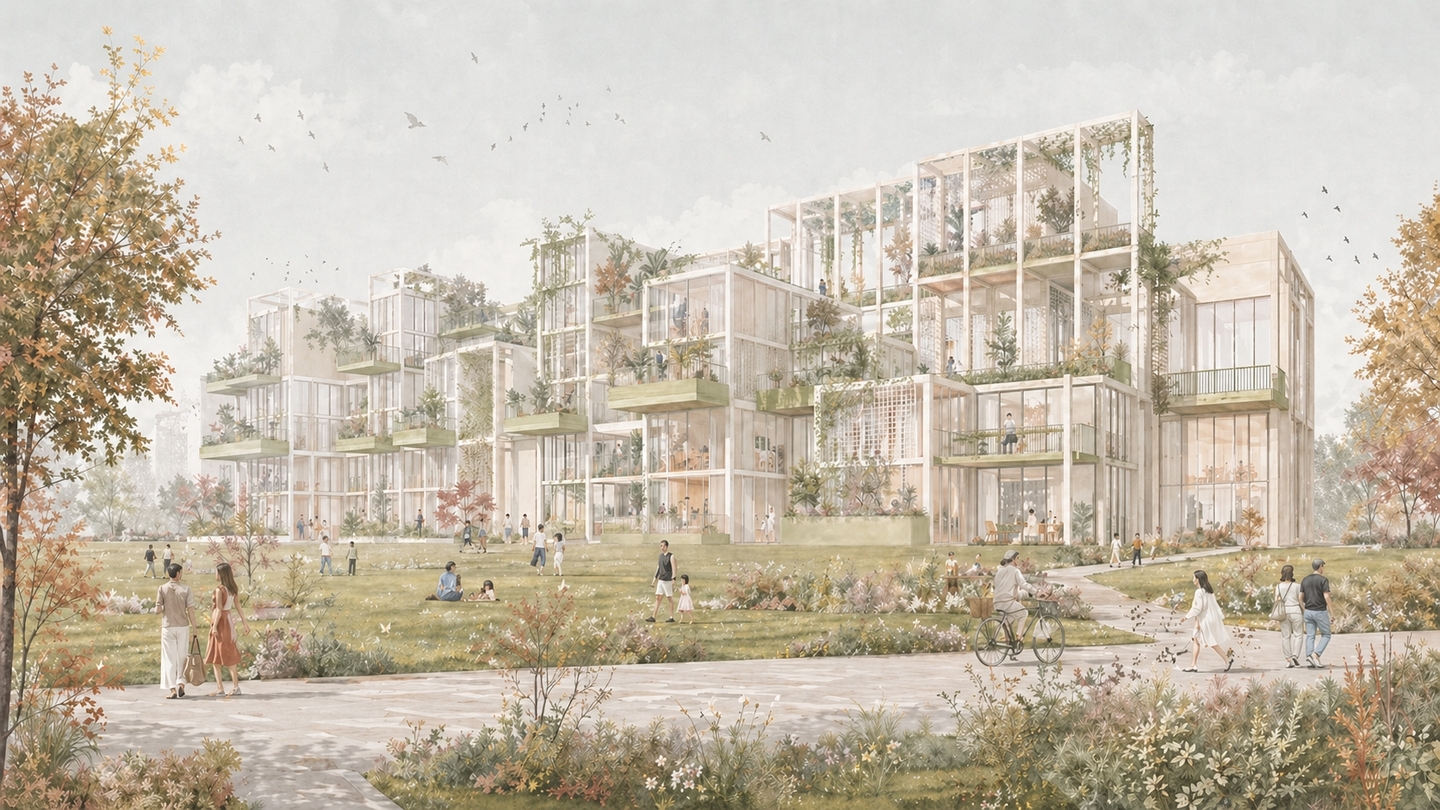
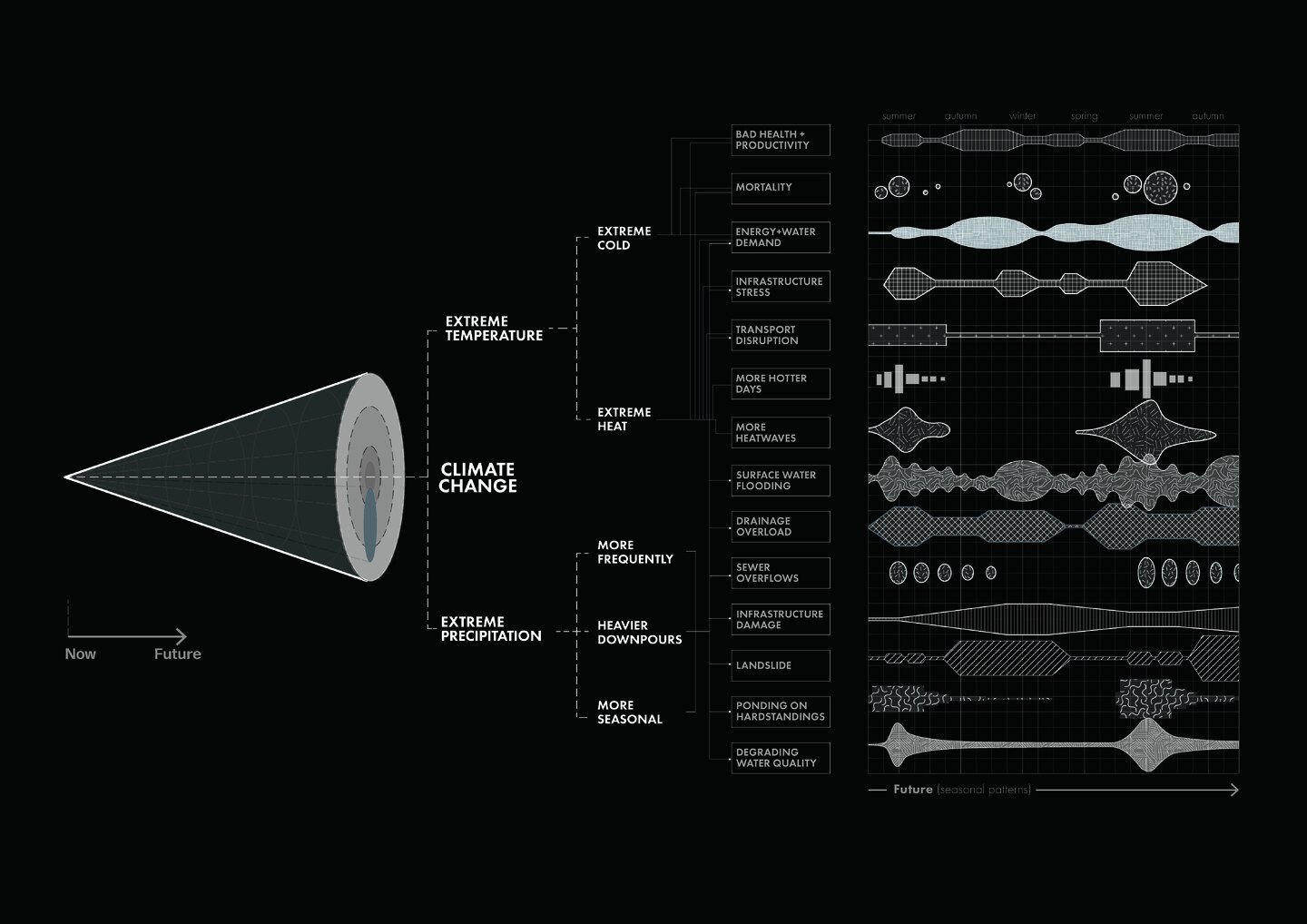
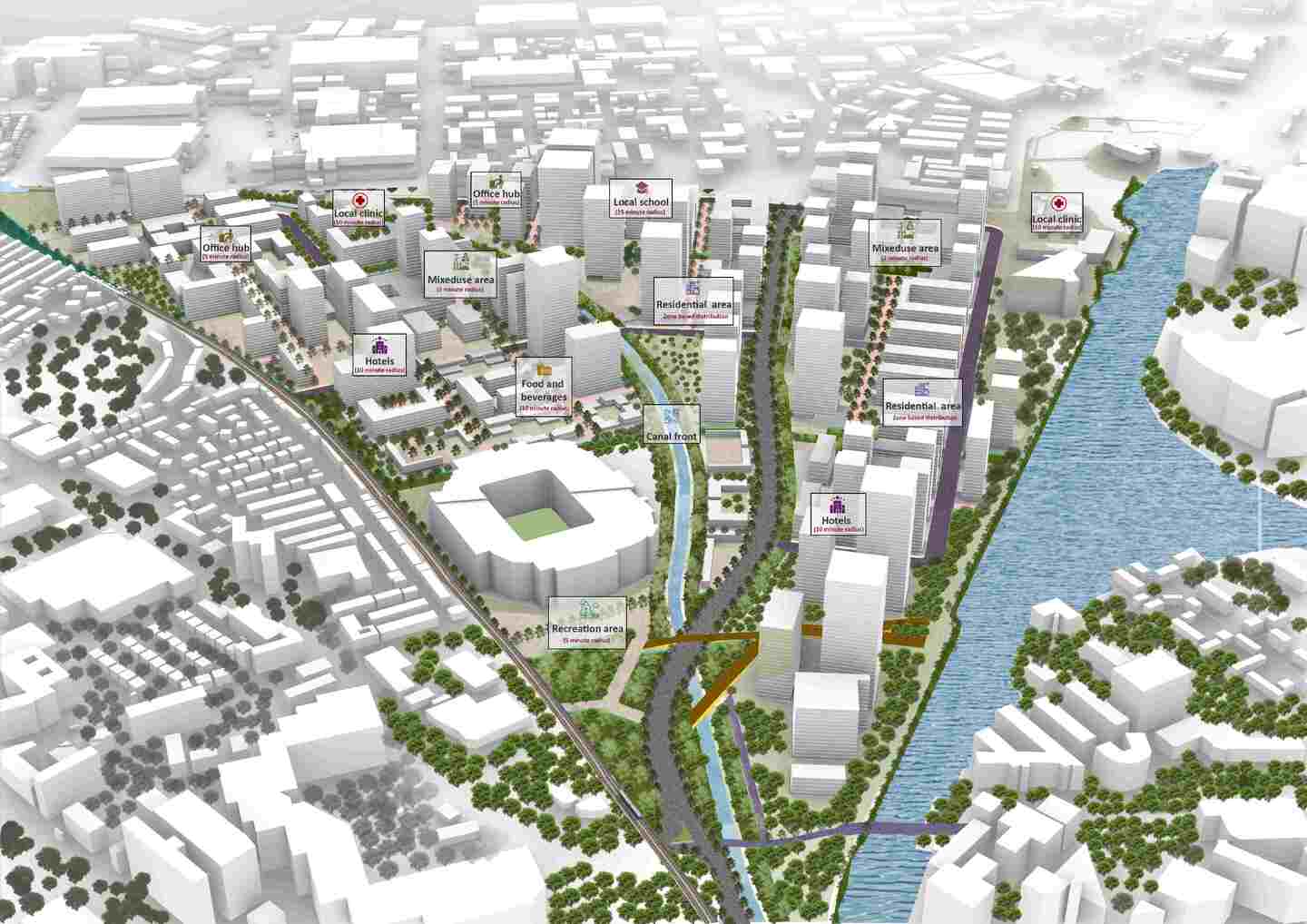
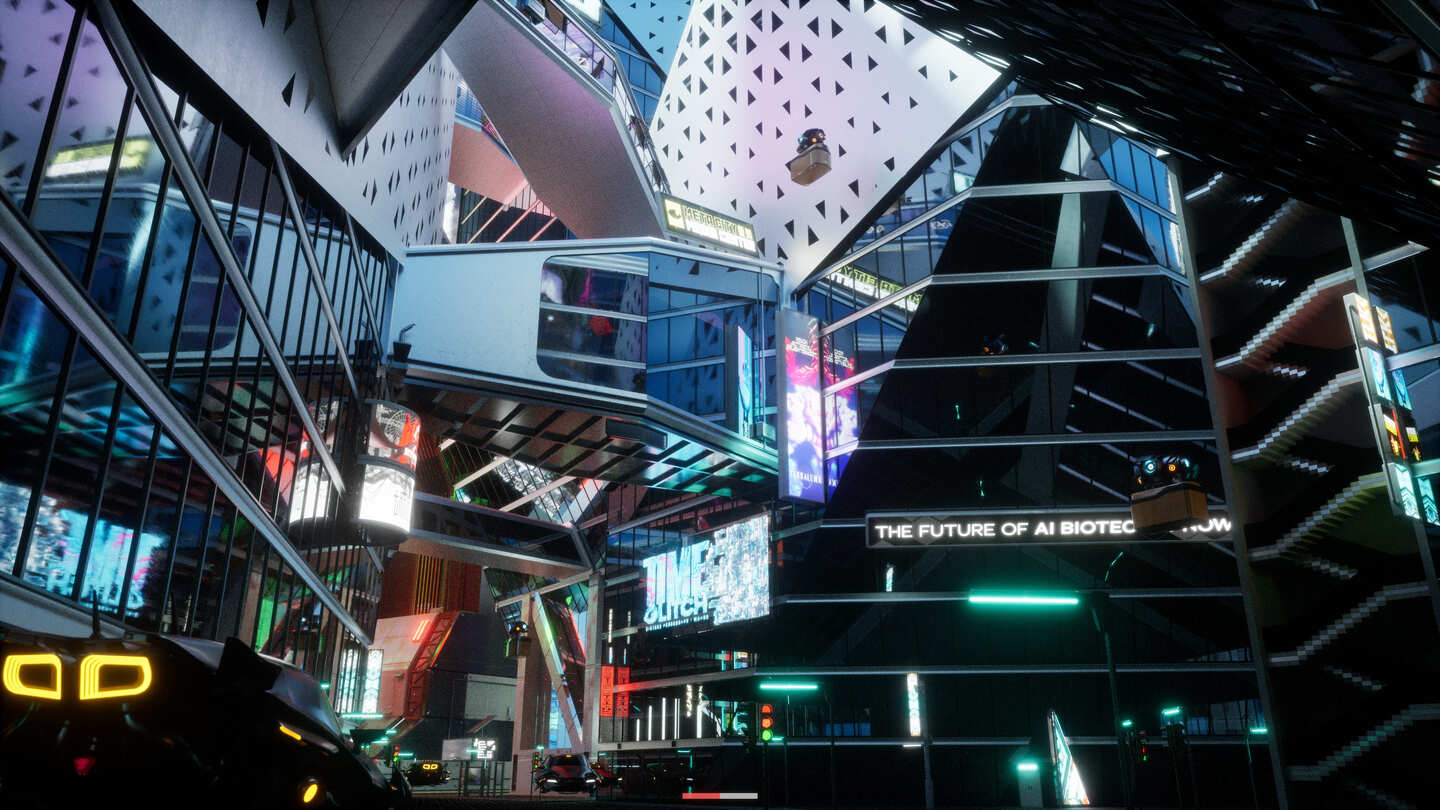
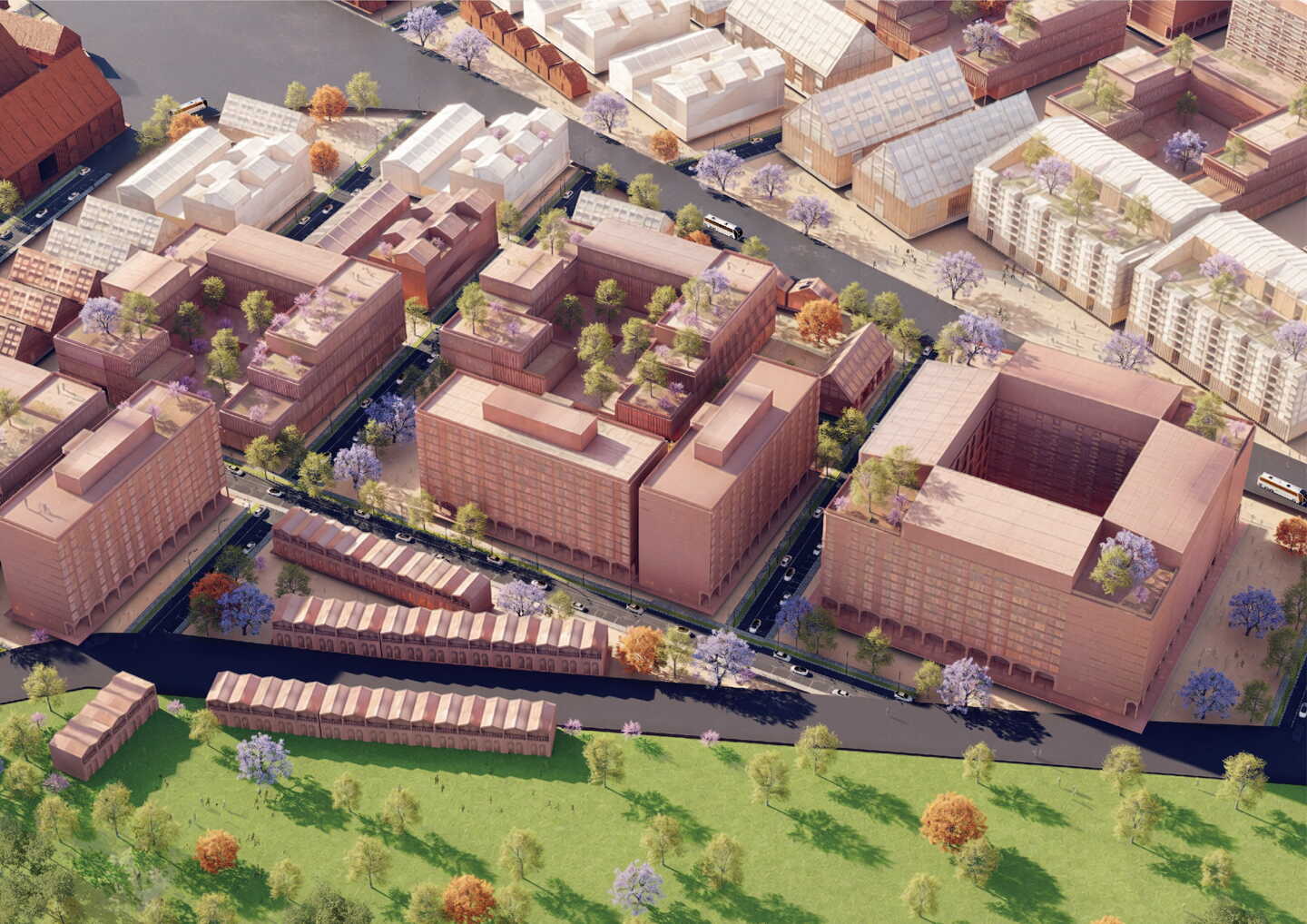
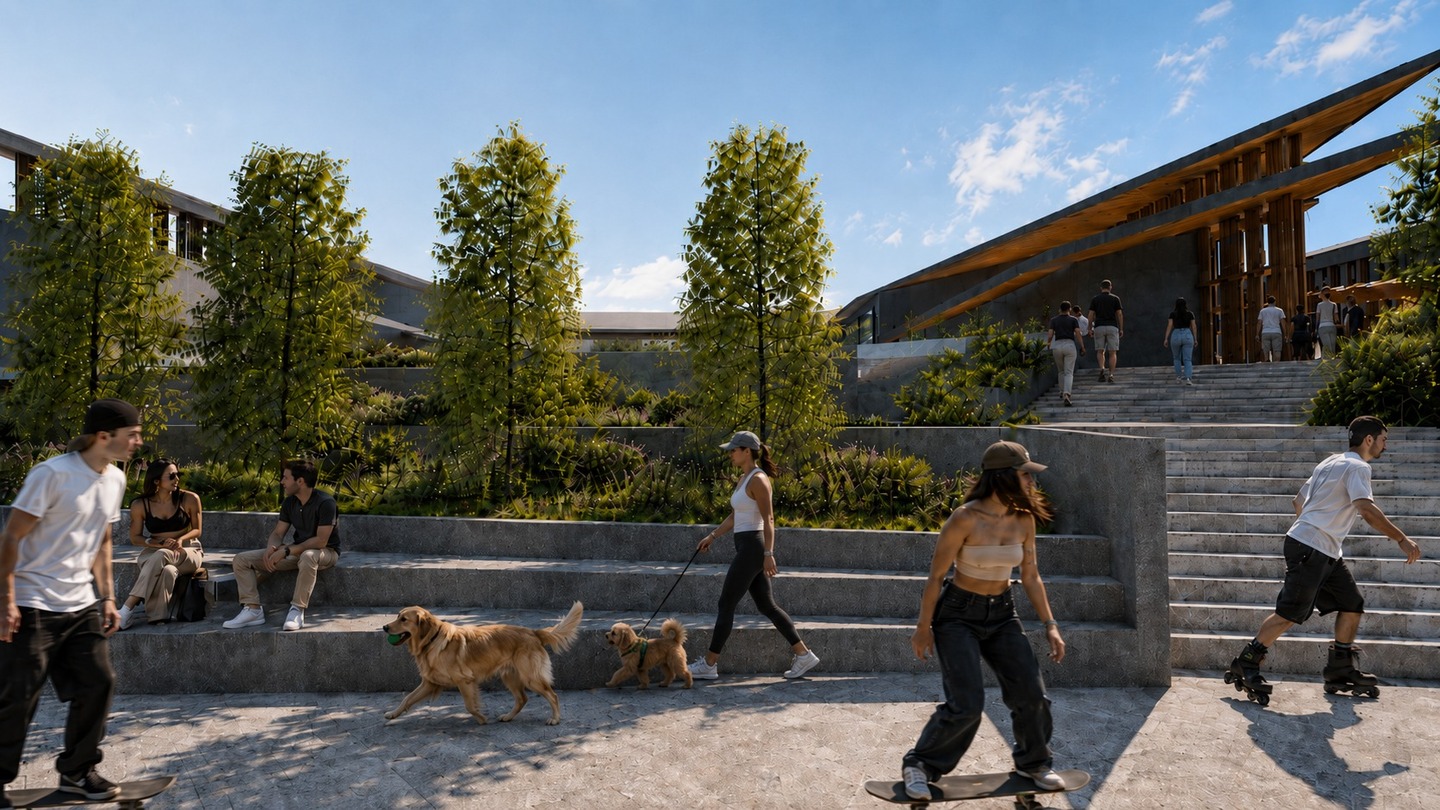
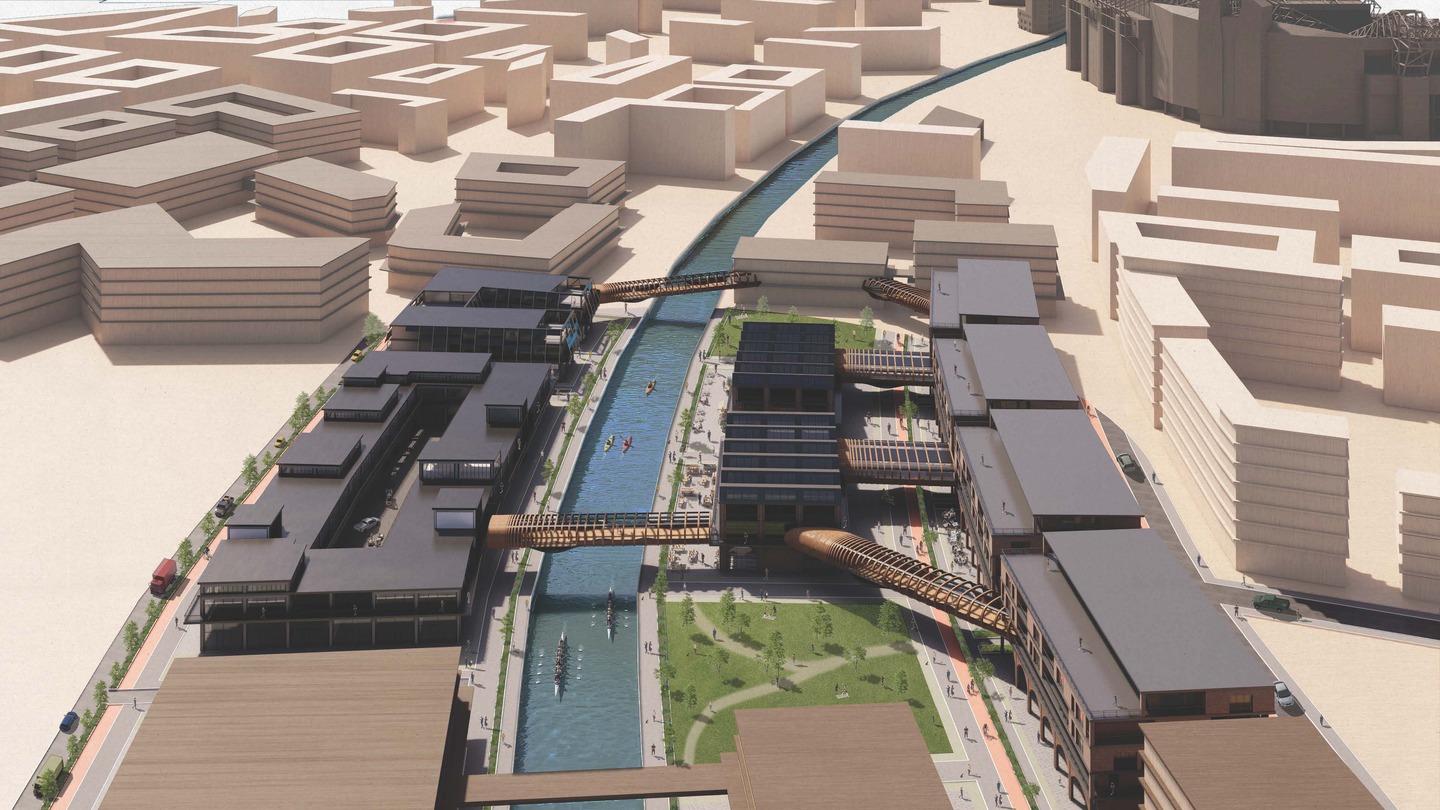
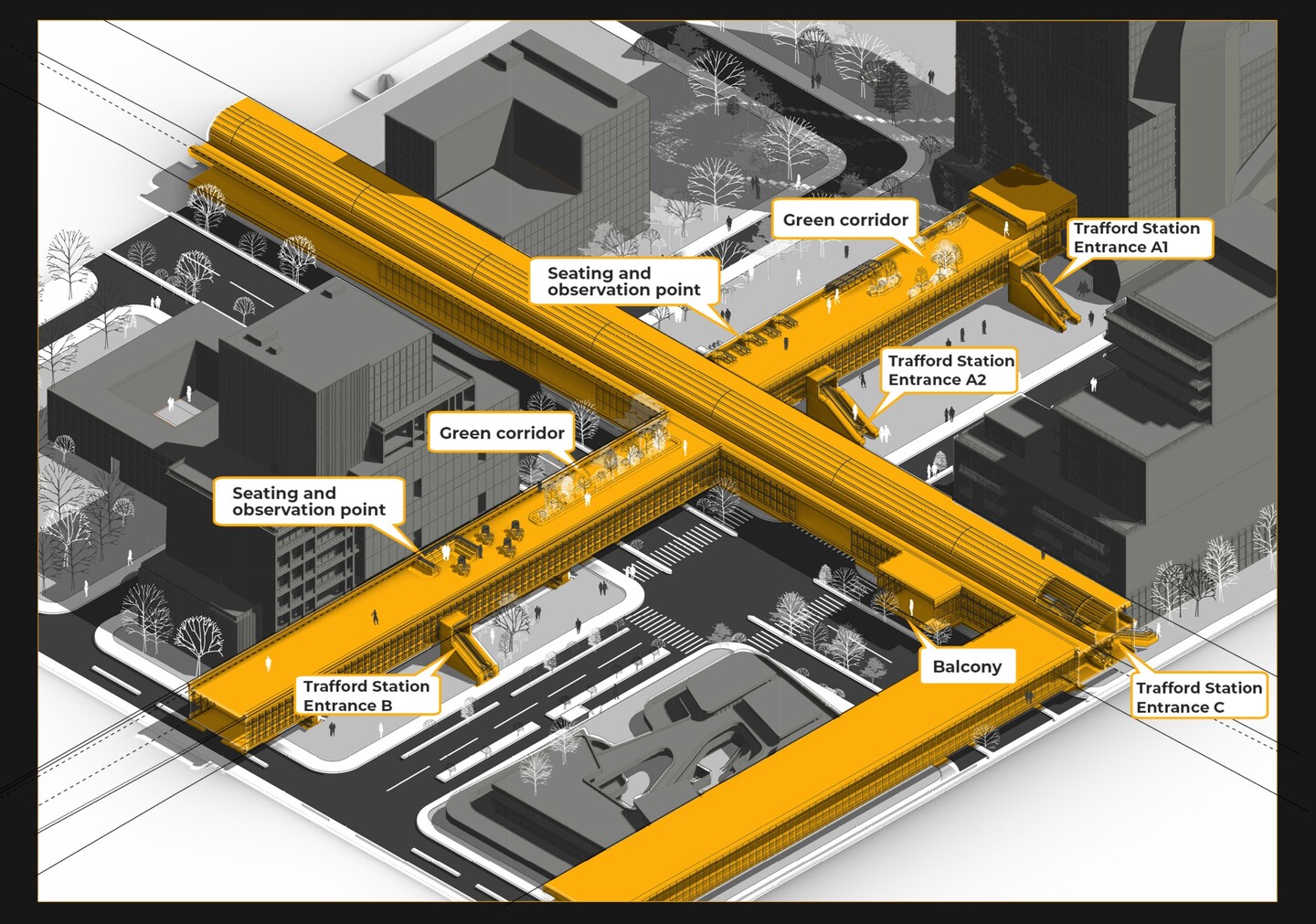
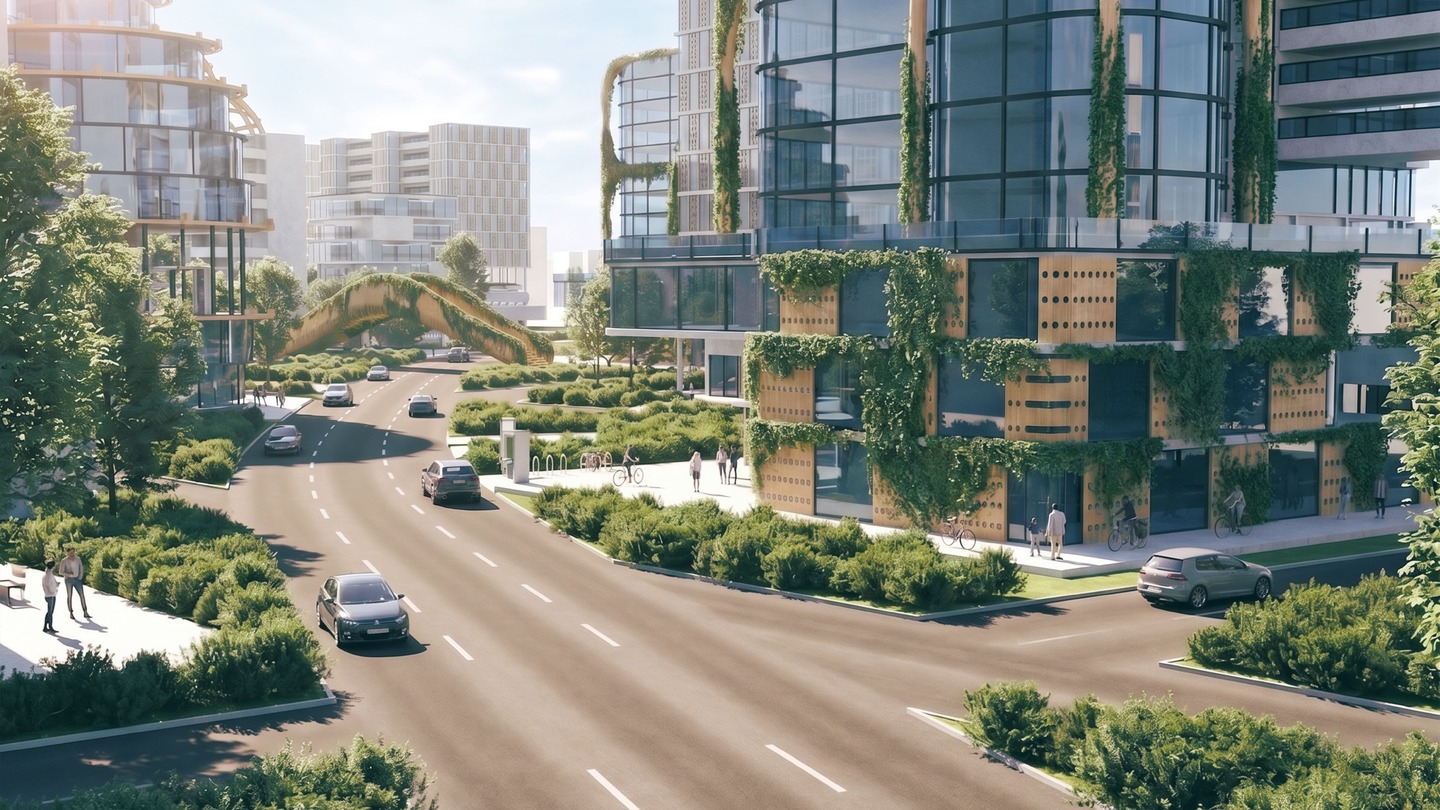
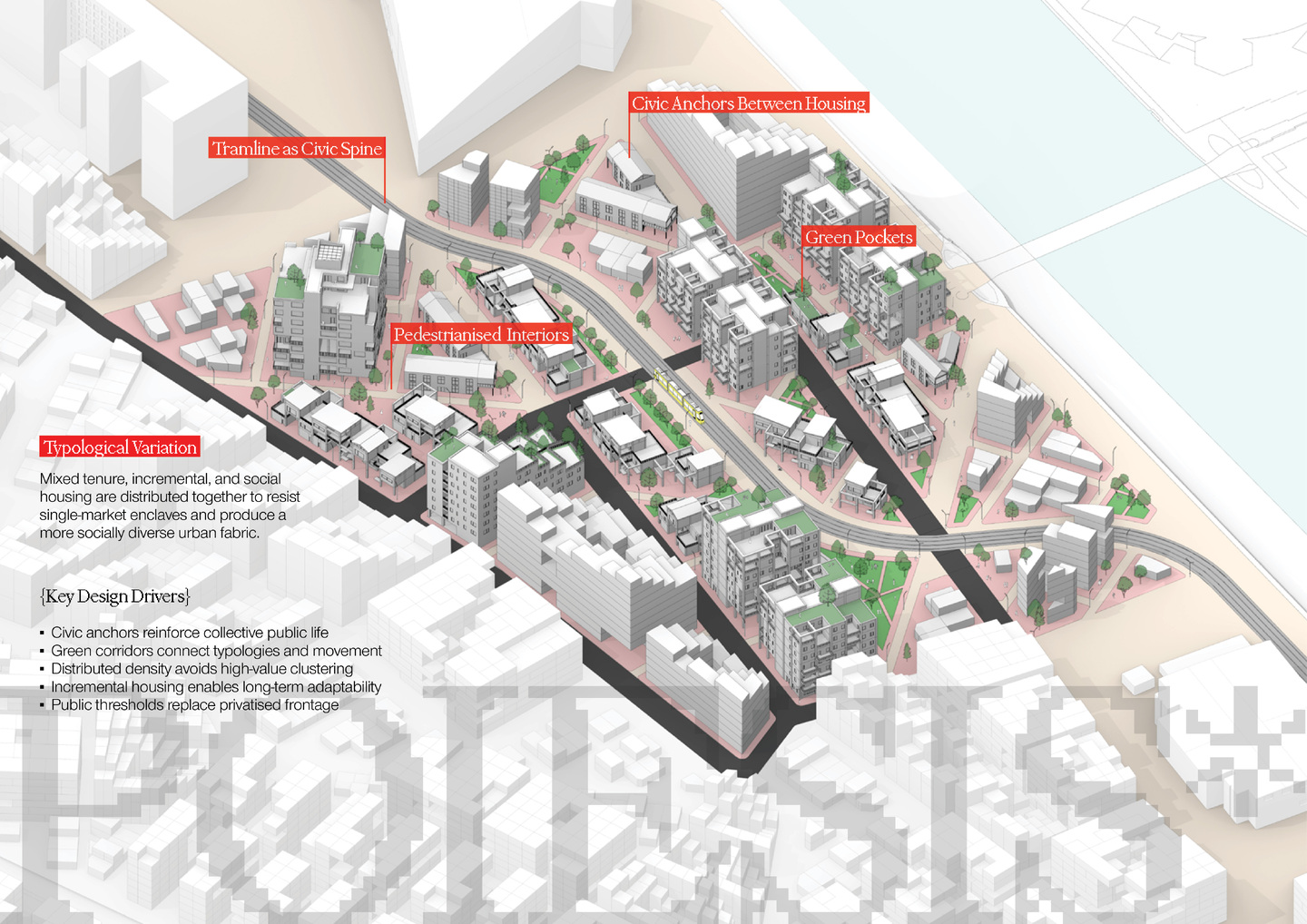
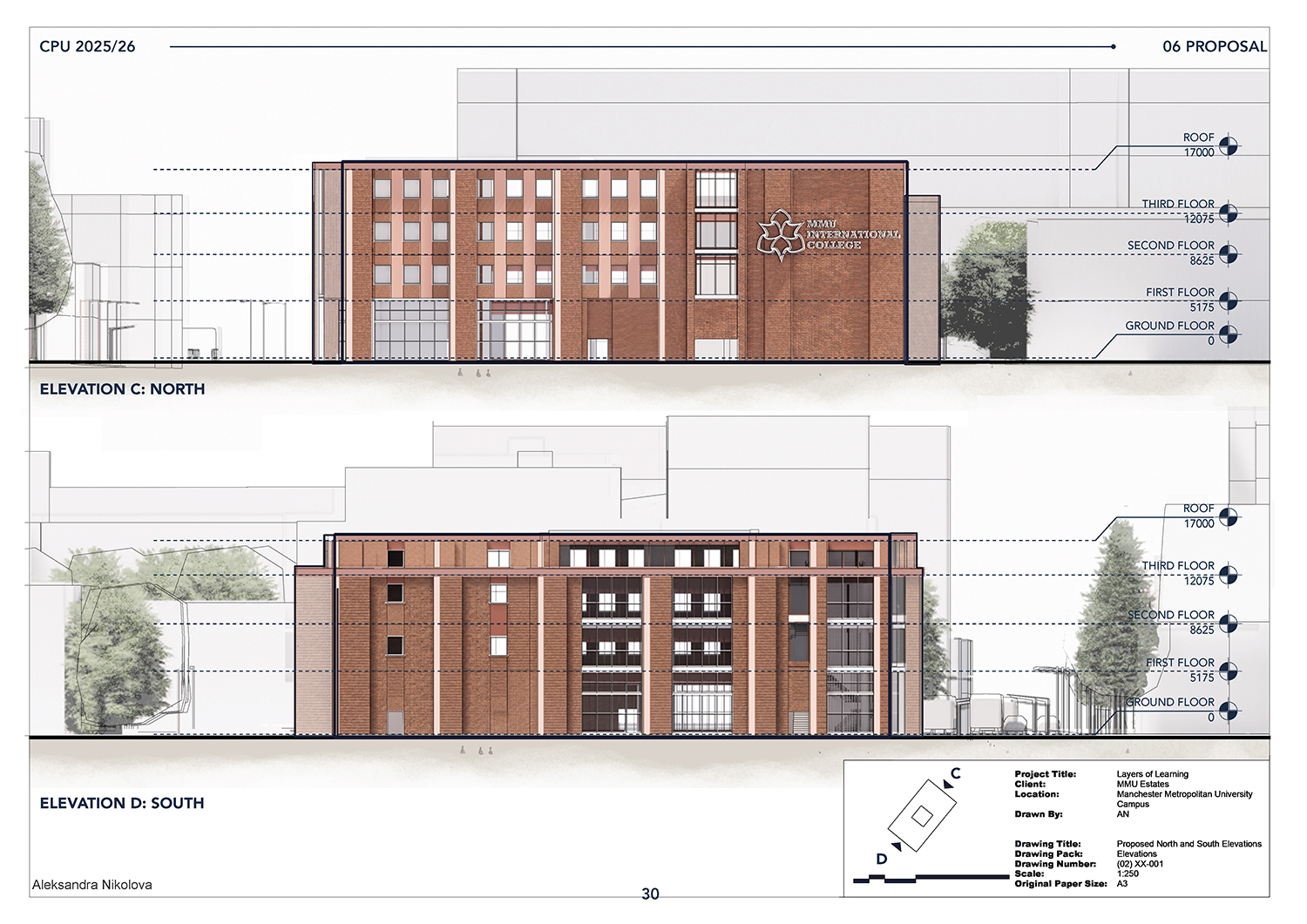
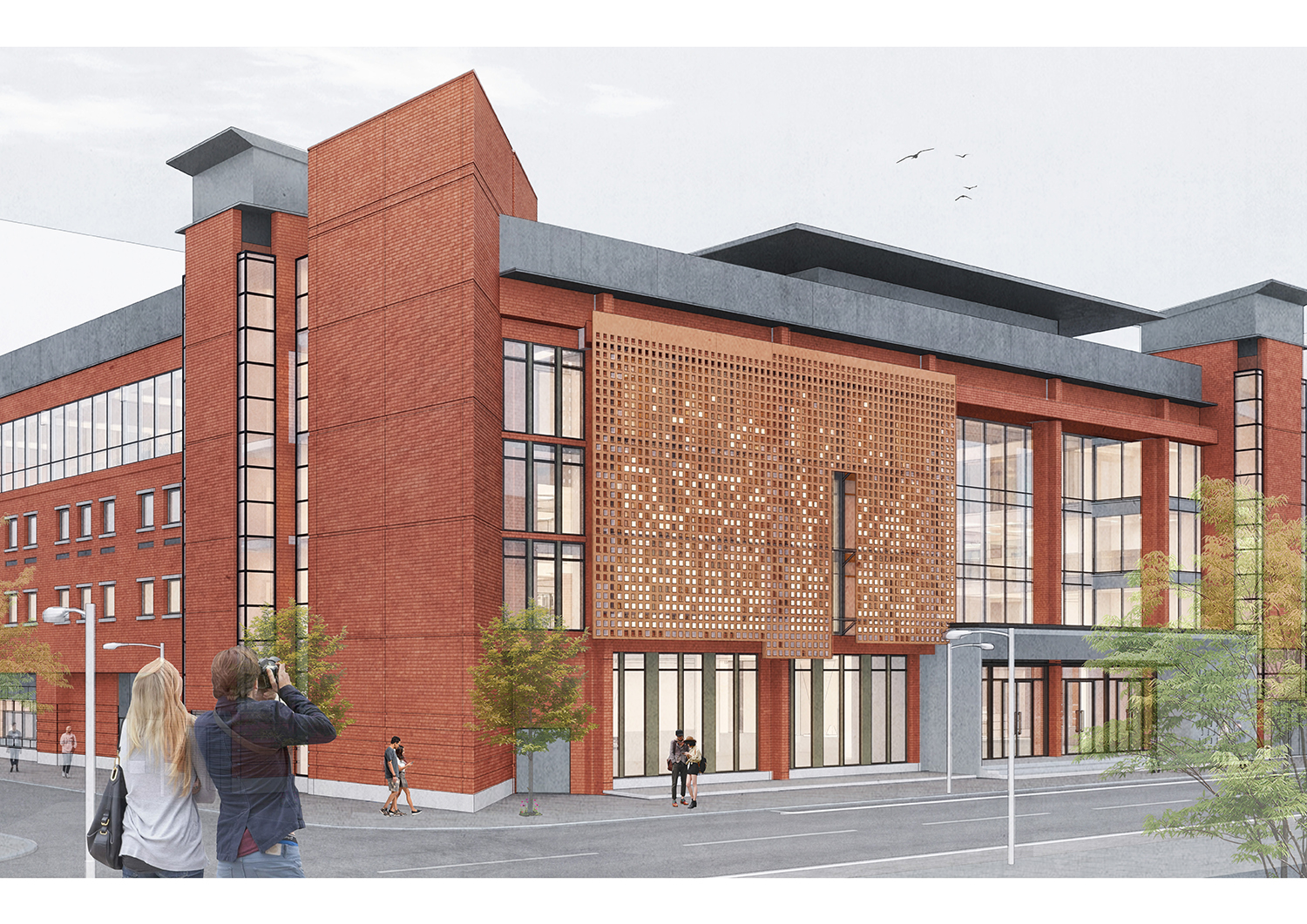
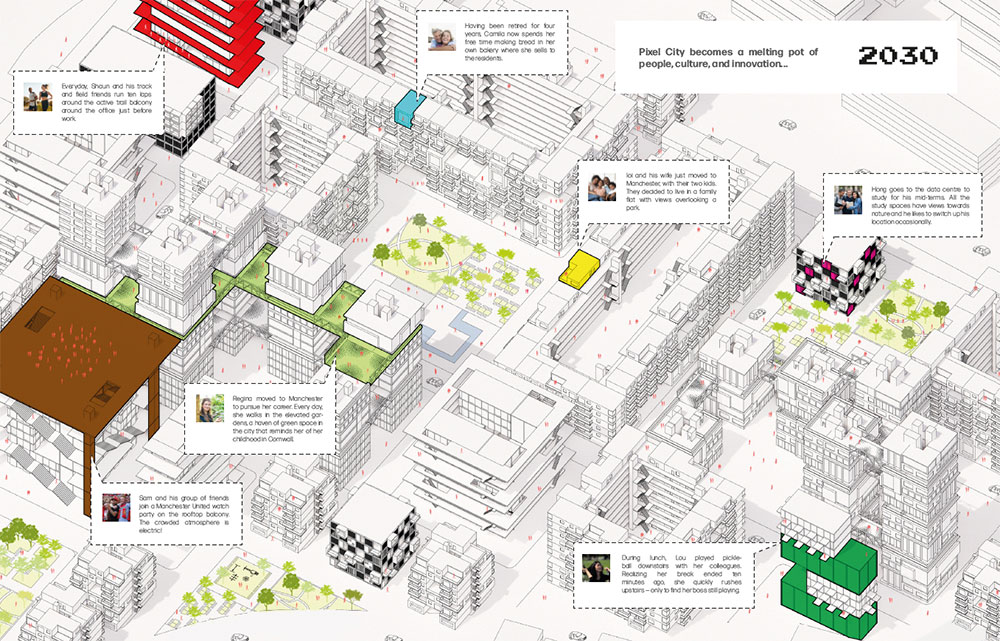
The 2025-26 brief engages with Trafford Wharf and the wider Trafford Park as a live project. Students critically examine the ongoing regeneration proposals, stakeholders, and policy frameworks to develop alternative visions for sustainable, high-density, mixed-use, climate-responsive, and resilient urban futures. Based in a scenario-based approach, they explore possible, probable and desirable future conditions, generating new architectural and urban typologies.
Research-led teaching in [CPU]ai is grounded in complexity concepts of emergence, self-organisation, and adaptation, drawing on the research work of [CPU]lab. Collaboration with industry partners, stakeholders, collaborators support students with critical, technical, and future-oriented skills to design for complexity and sustainability as future architects and agents of positive change.