

THE ADAPTIVE URBAN INTERFACE
My work is driven by an interest in complex systems, future urban change and the relationship between large-scale spatial strategies and human-scale architectural experience. Within the [CPU]Ai atelier, my research has focused on computational design, urban resilience and adaptive spatial strategies, exploring how architecture can respond to uncertainty, social change and environmental pressures.
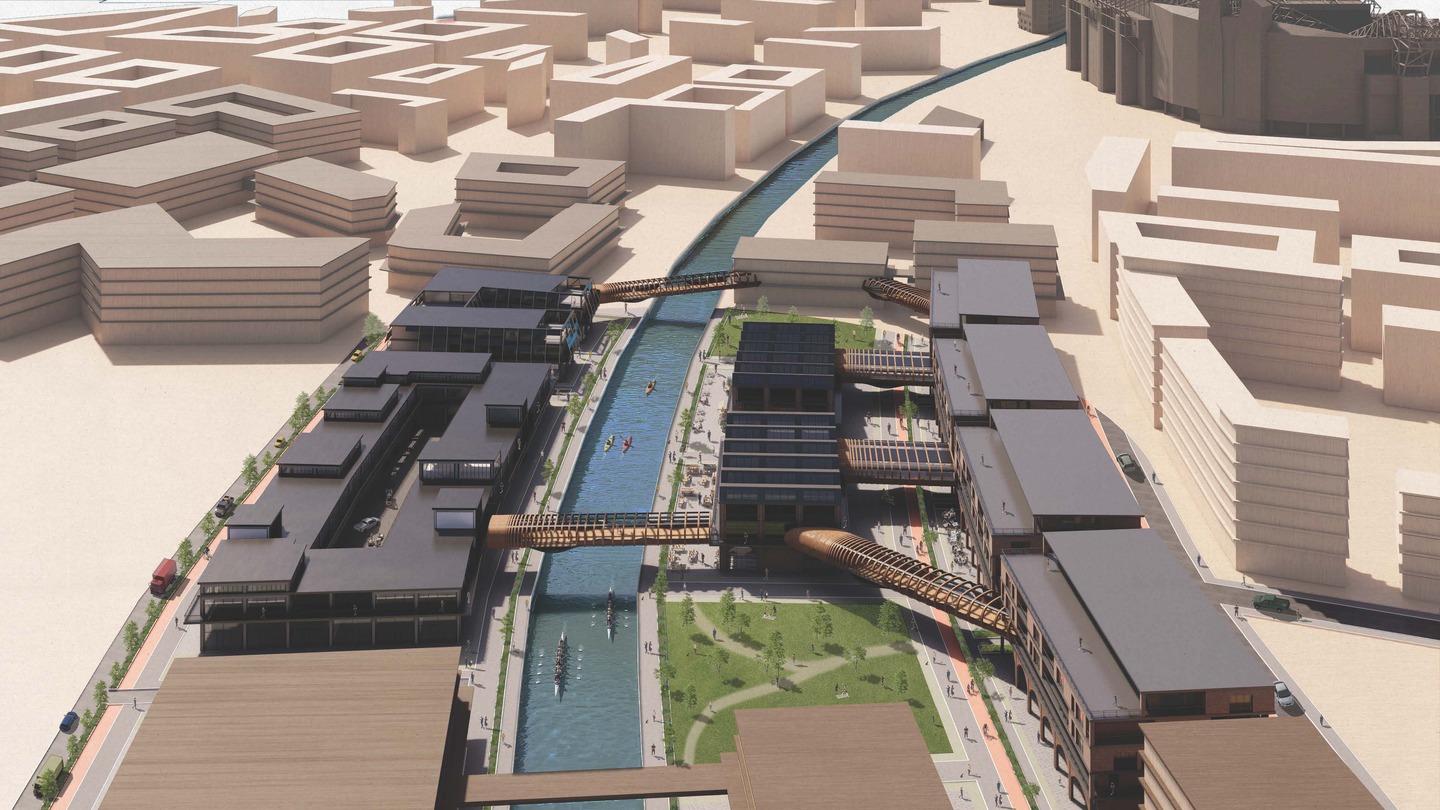
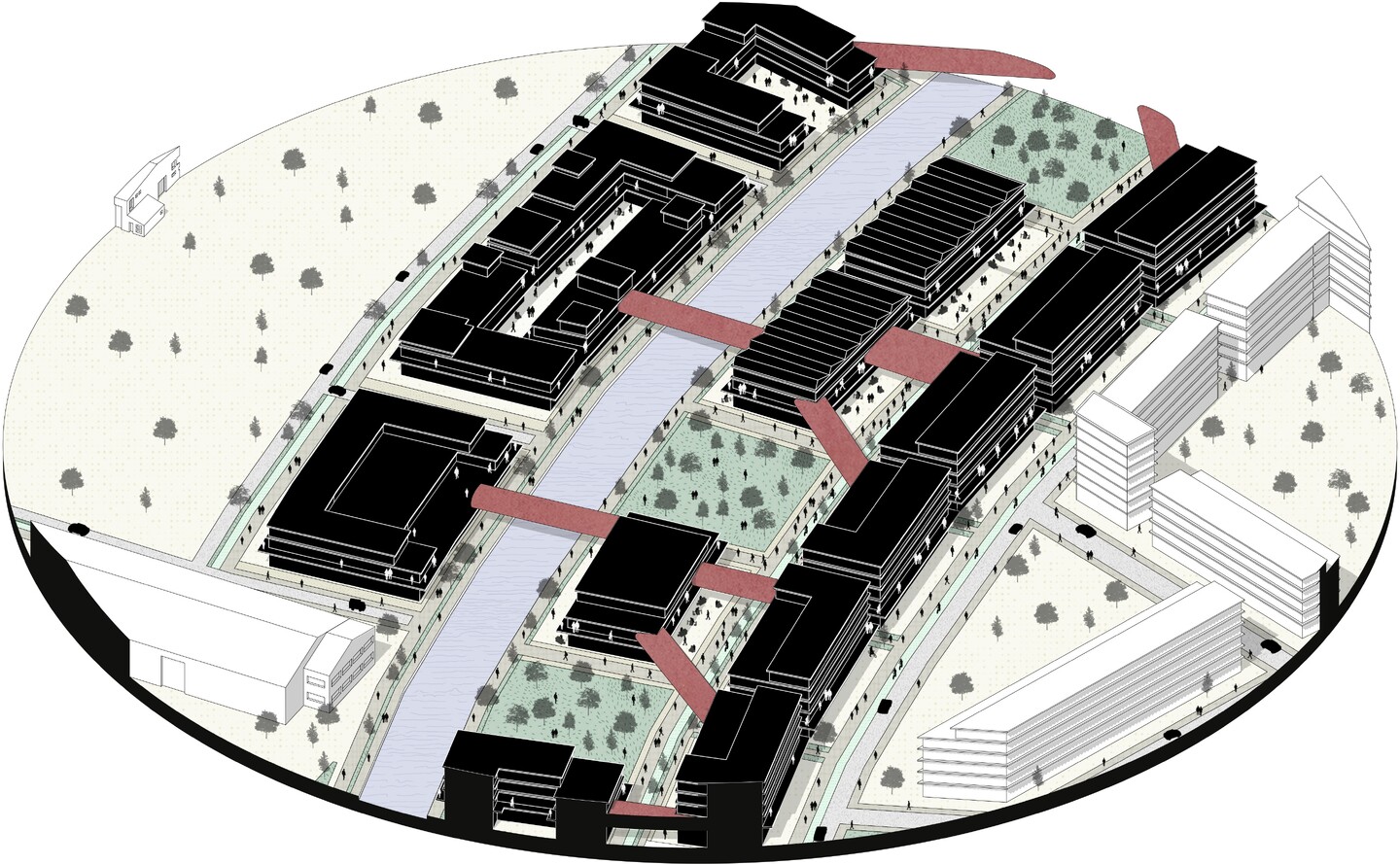
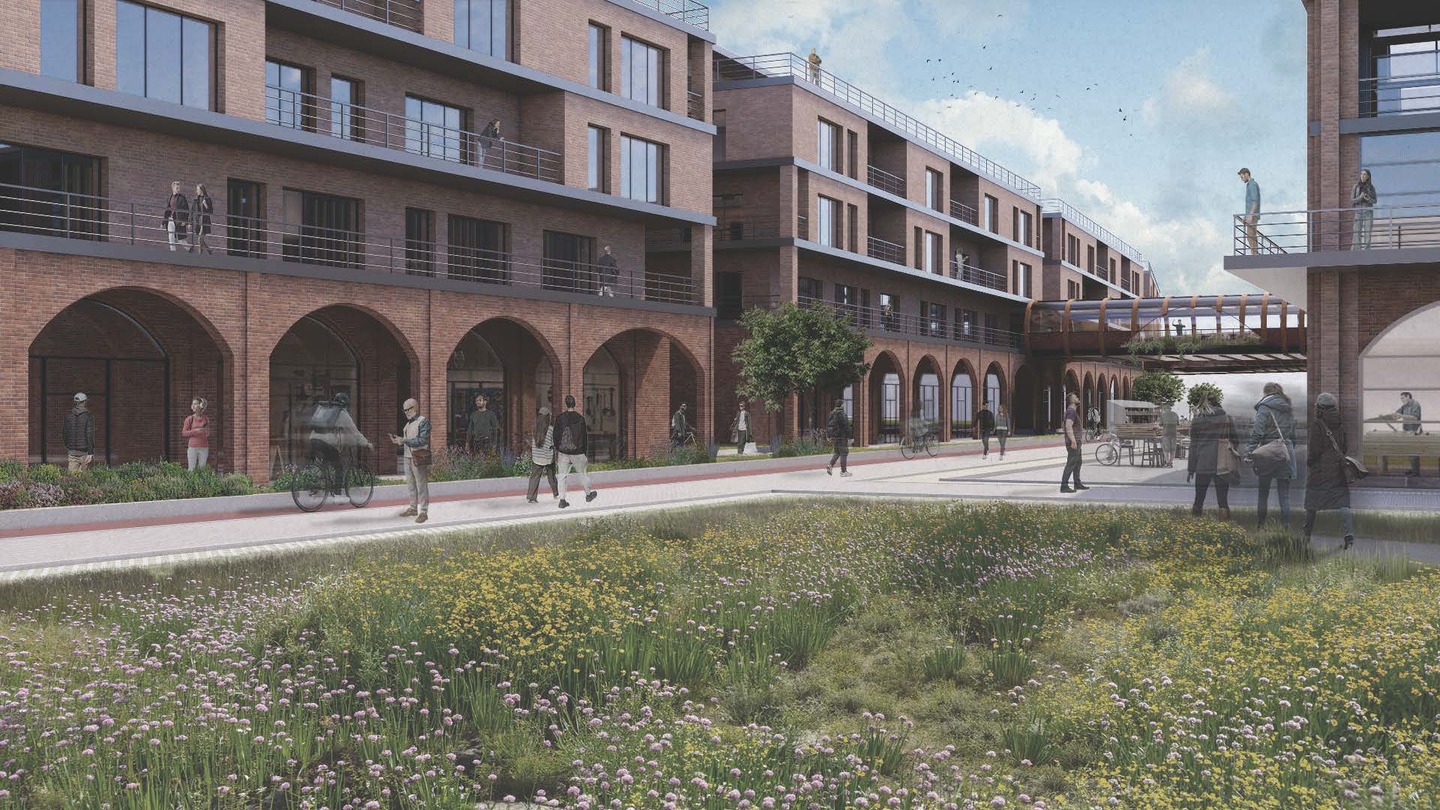
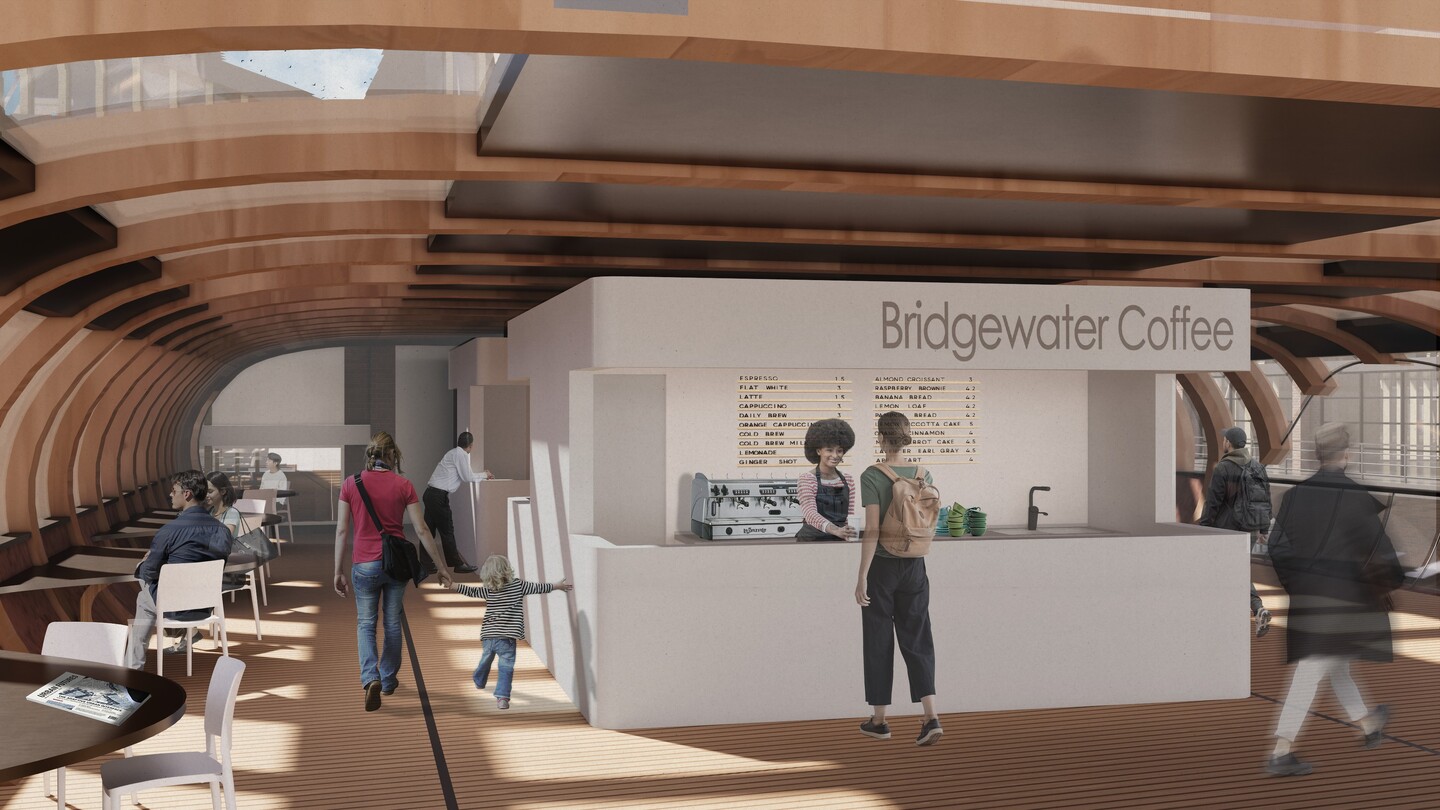
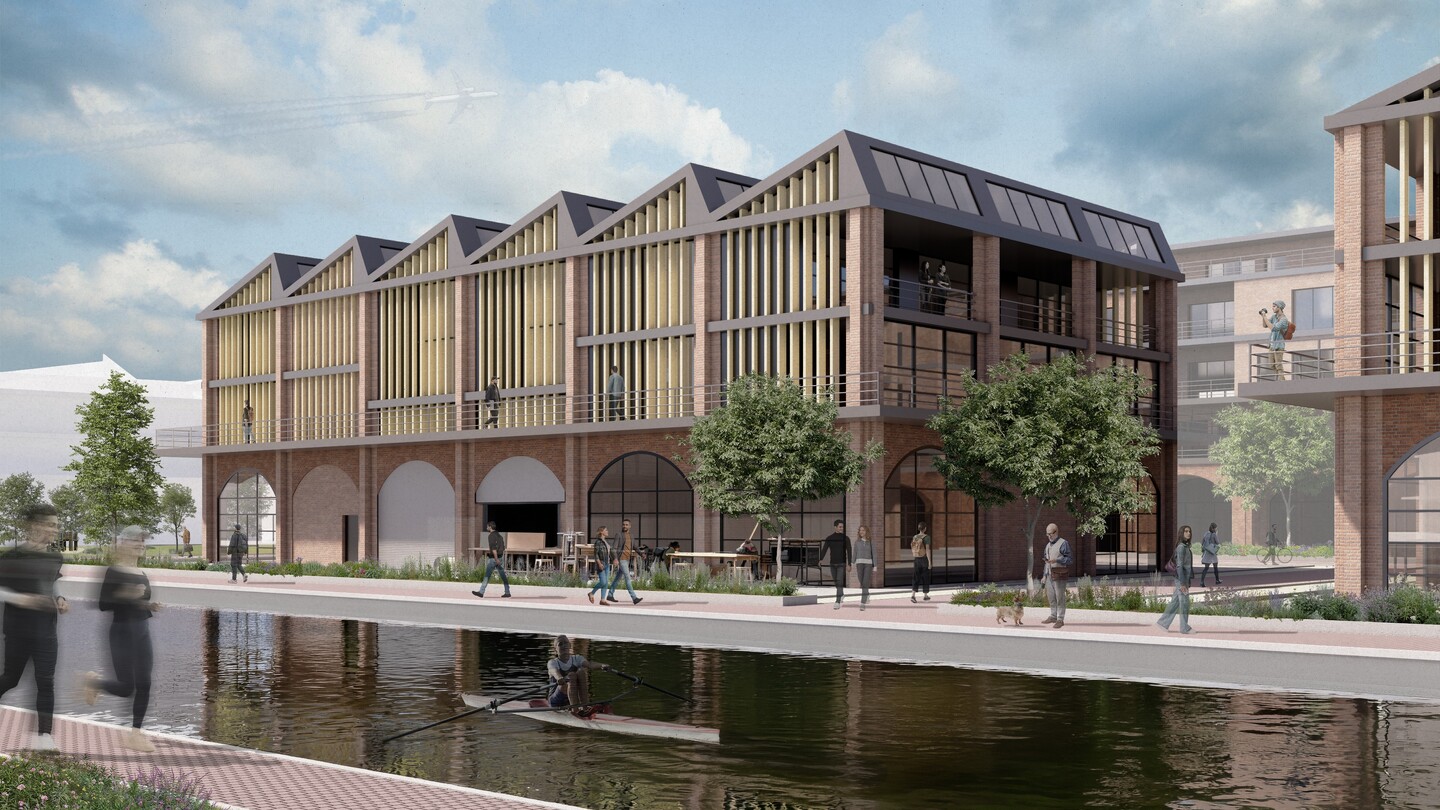
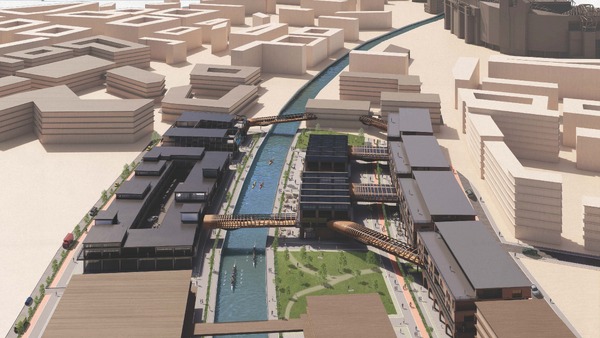
My final project investigates Trafford Park and Trafford Wharfside as a testing ground for new forms of coexistence between industry, housing, infrastructure, public life and ecology. Rather than approaching the project purely as a masterplan, I used the scale of the city as a way to understand how decisions around movement, land use, building typology, public space and detail influence one another. Through computational methods, pattern-based design and scenario testing, the project explores how fragmented urban areas can become more permeable, resilient and liveable over time.
More broadly, I am interested in architecture that operates across scales. I enjoy projects where design is part of a wider system, but where its success still depends on careful spatial, material and human decisions. I am particularly drawn to innovation within the industry, including computational design, emerging technologies and new ways of communicating architectural ideas. I enjoy learning new software and using digital tools not as isolated skills, but as ways to test, clarify and develop design thinking.
Collaboration is also central to the way I work. I value interdisciplinary environments where different perspectives can challenge a project and make it stronger. As a designer, I am interested in combining strategic thinking, technical understanding and clear communication to create architecture that is thoughtful, adaptable and connected to the world around it.