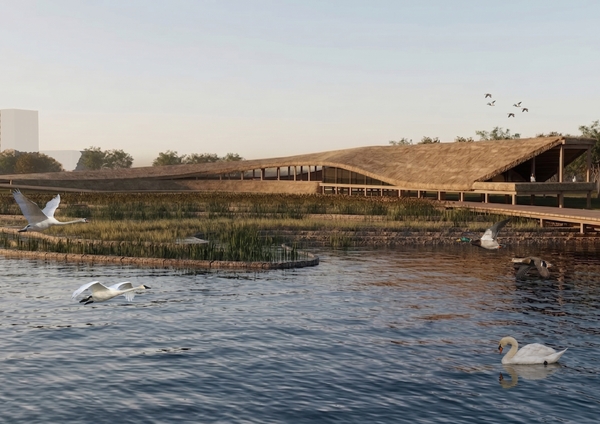


MEDIATOR OF COEXISTENCE
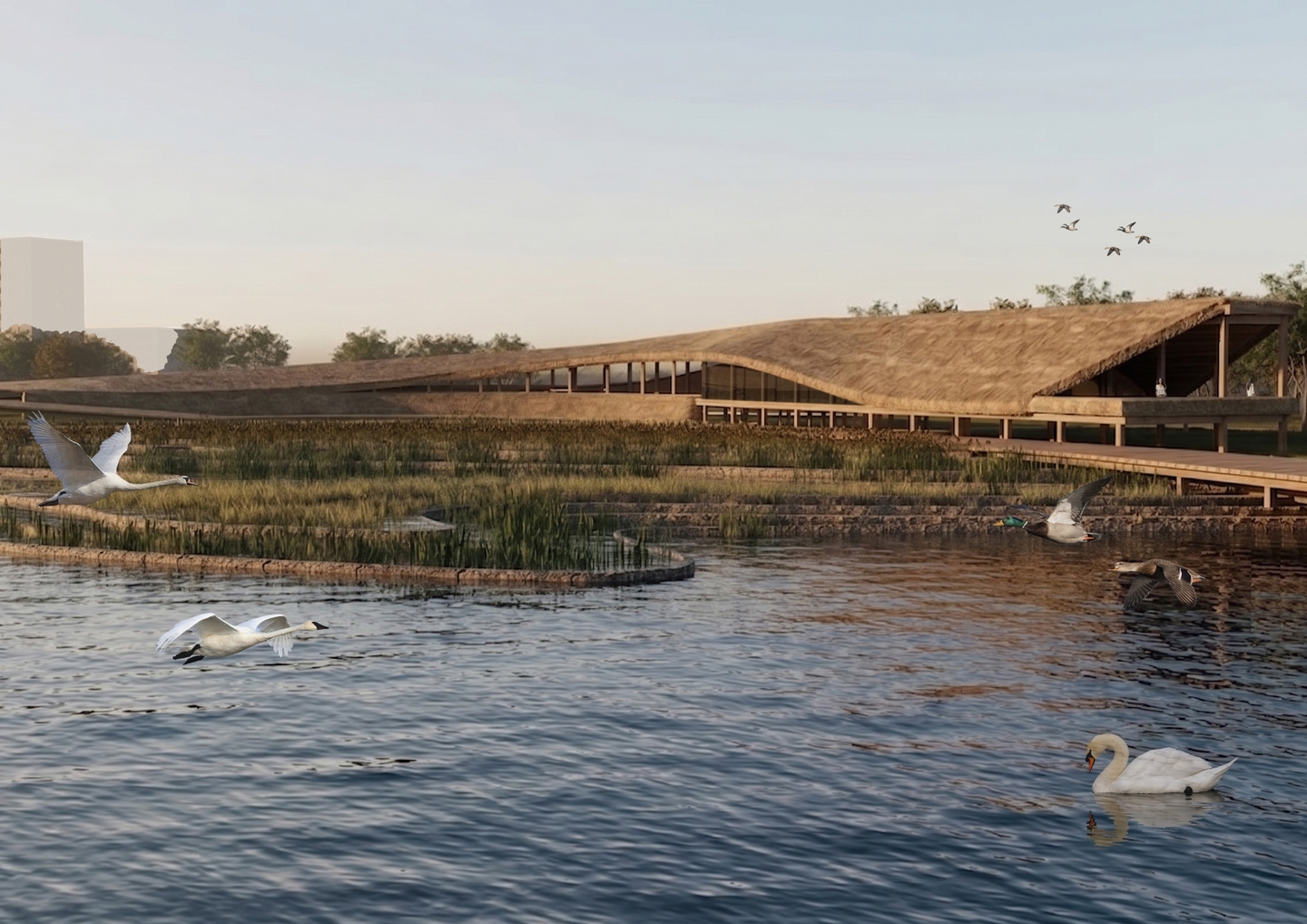
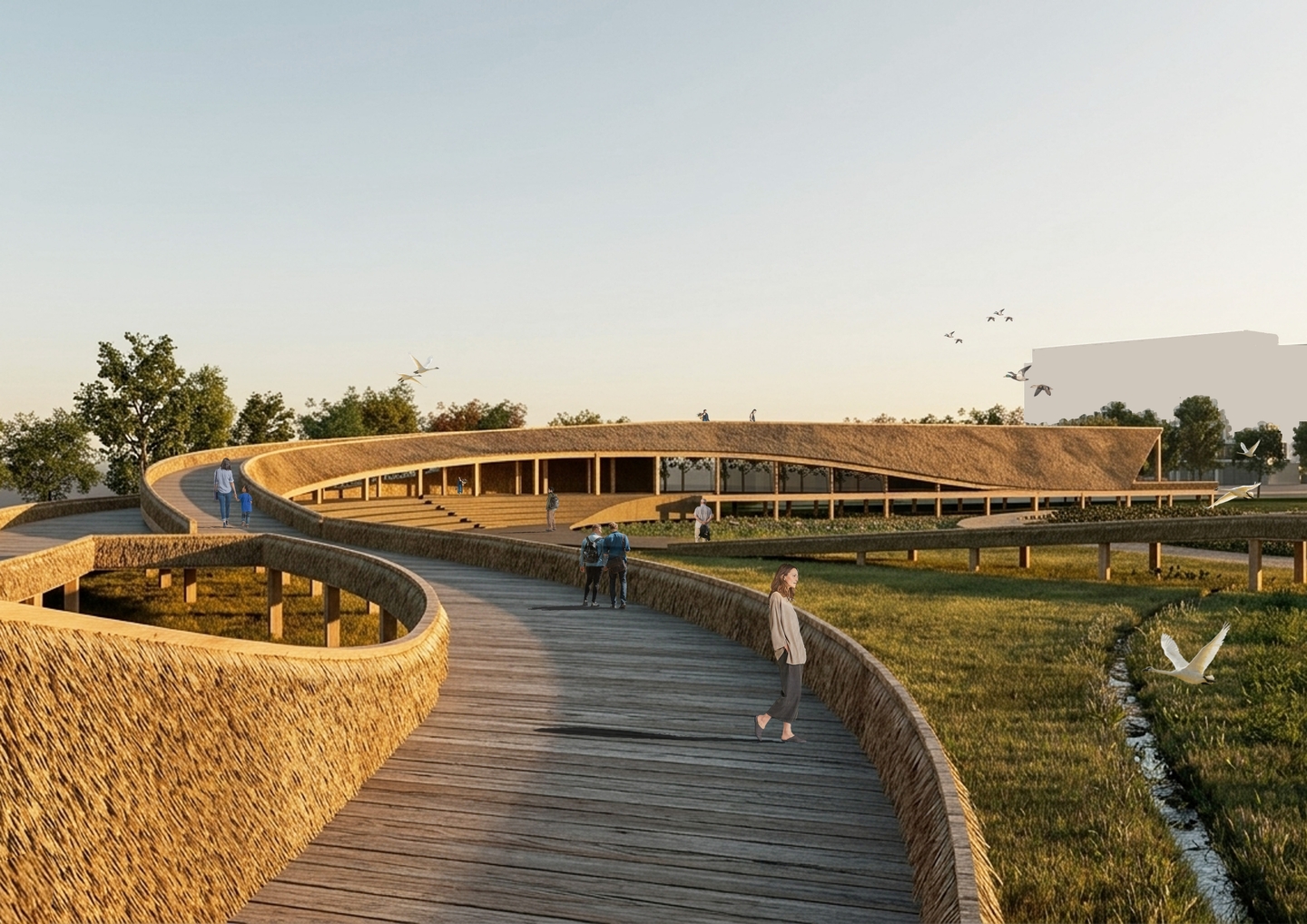
Pomona Island reflects Manchester’s evolving relationship between industry and nature, where cycles of growth, abandonment, and ecological recovery have continuously reshaped the landscape. This project explores rhythm as a shared language between humans and non-humans, using architecture to respond to changing perceptual and environmental conditions. Rather than imposing fixed forms onto the site, the proposal emerges from the existing ecological rhythms of vegetation, birds, light, and movement. Through spatial sequences and narrative experiences, the design reveals the island’s layered identity and reconnects visitors with the temporal character of the landscape.
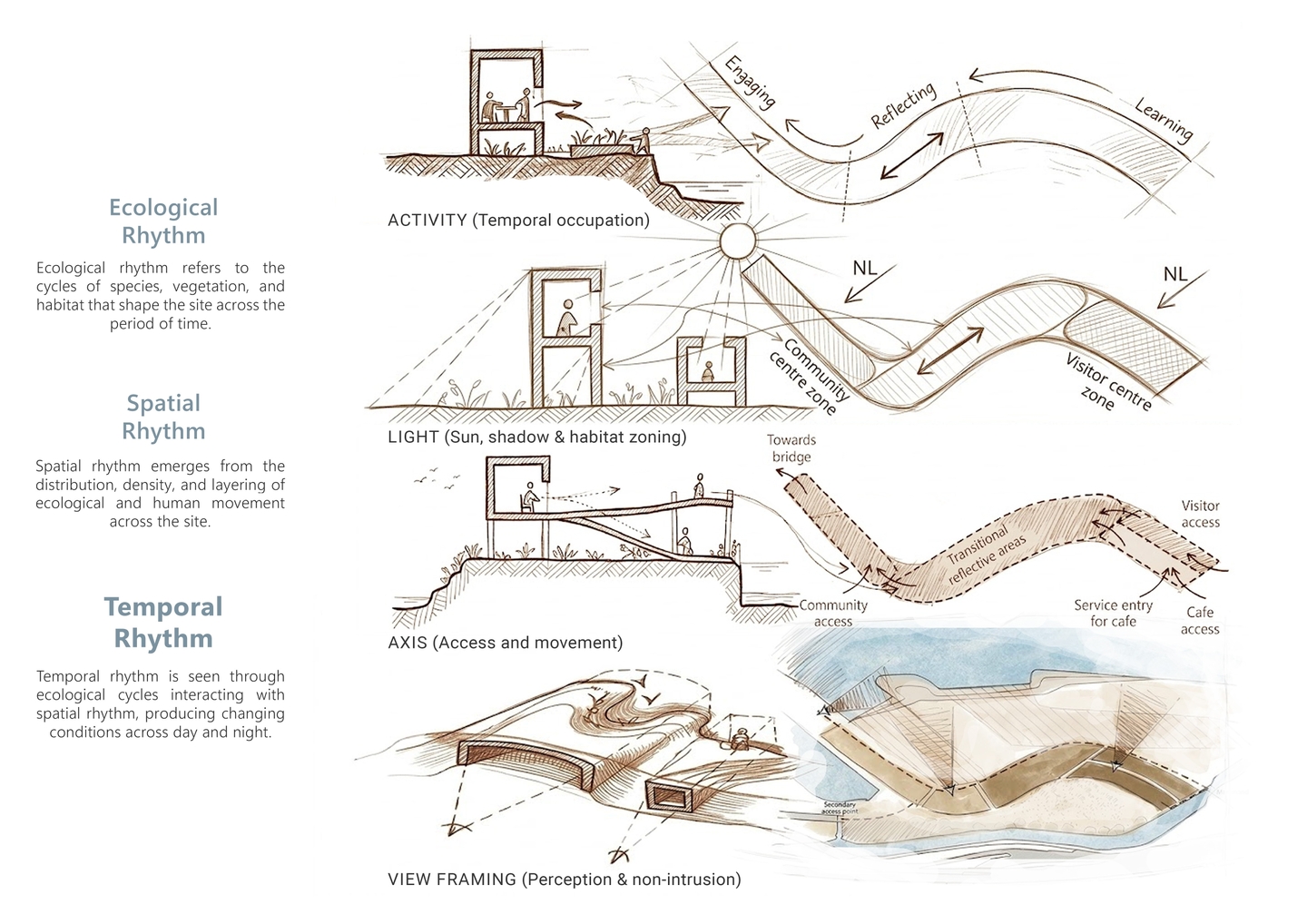
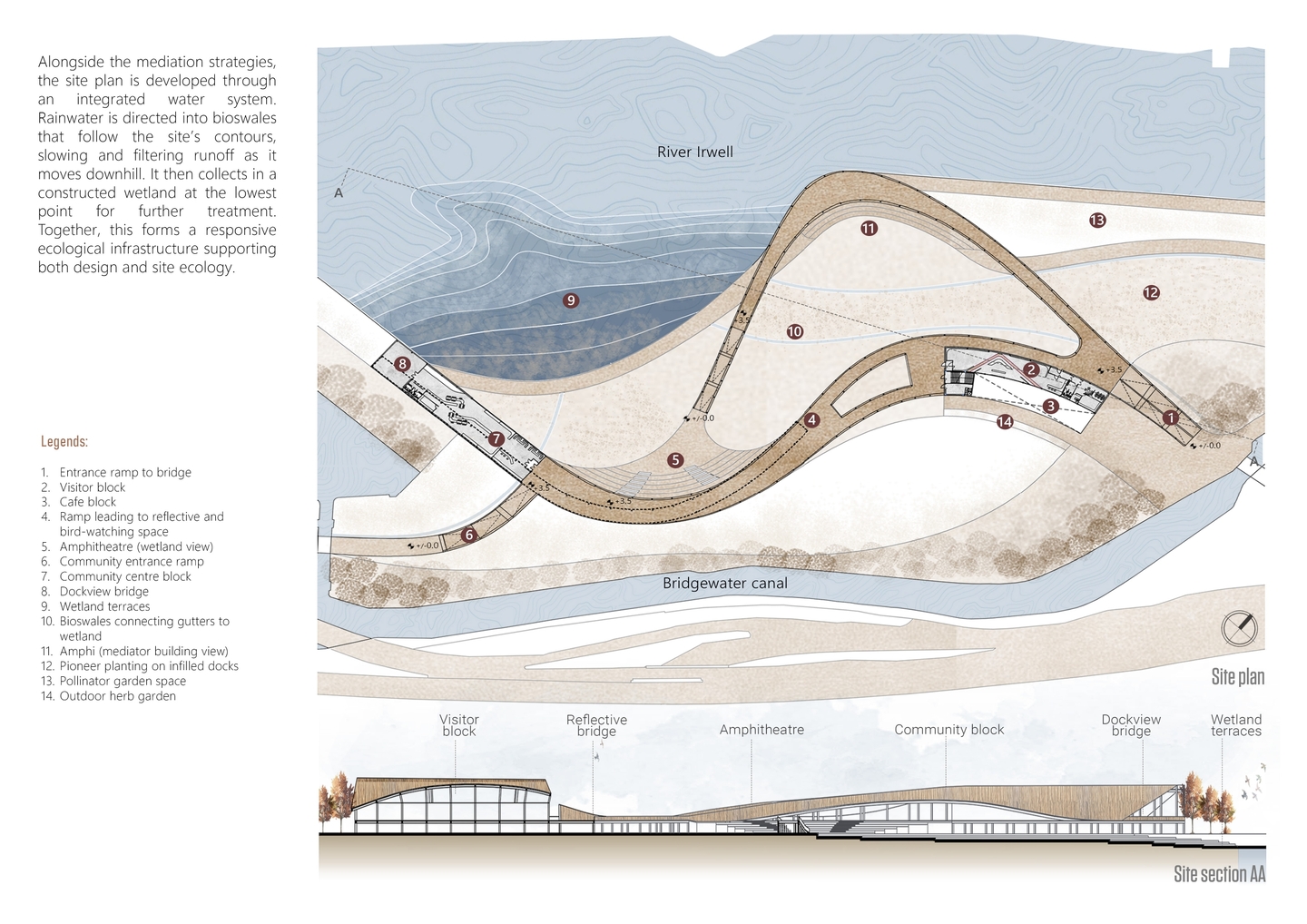
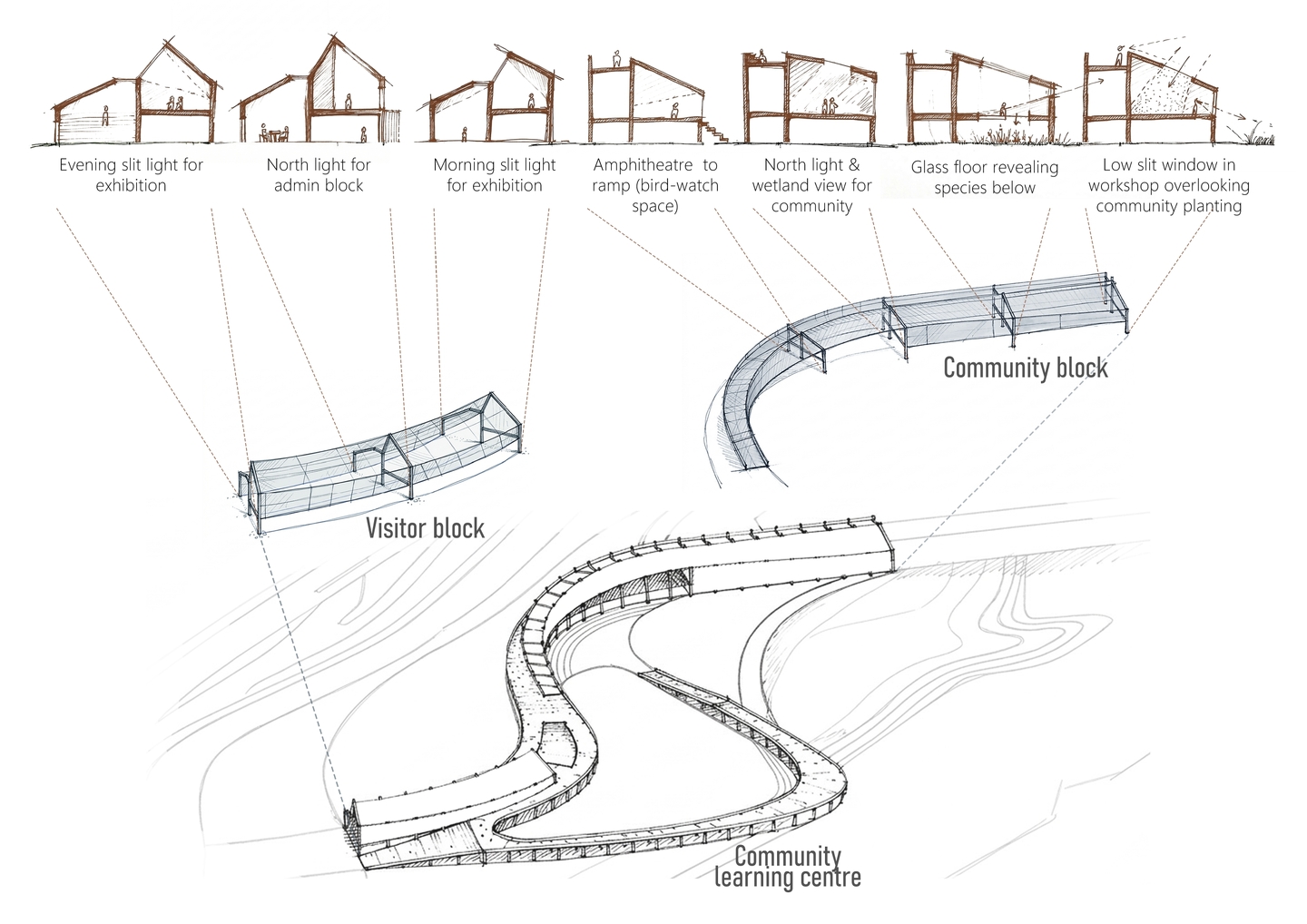
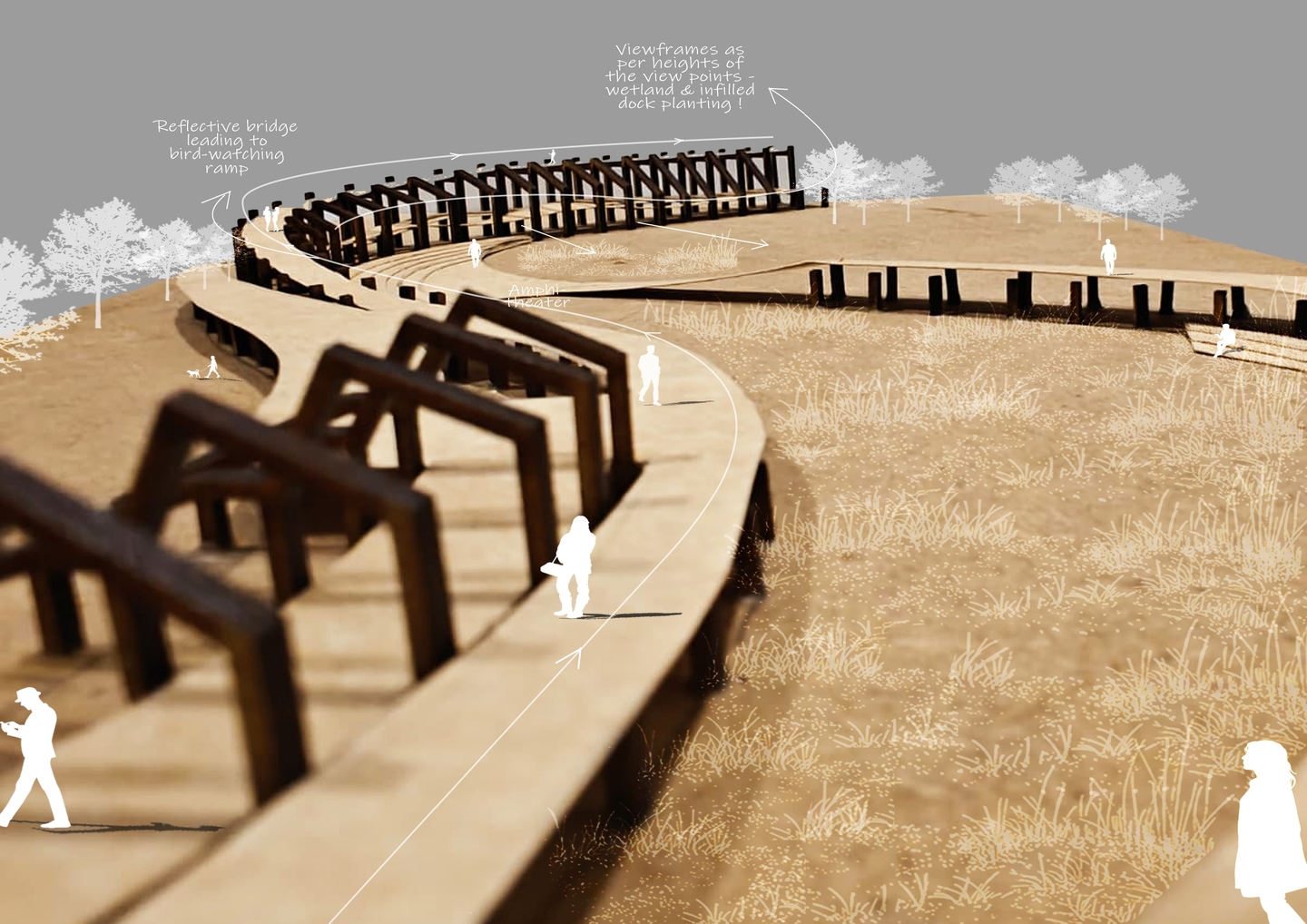
The project began through habitat mapping that identified plant species, bird shelters, pollinator zones, and patterns of sunlight across the site. These studies revealed sensitive biodiversity corridors alongside areas suitable for low-impact intervention. Ecological rhythms informed the spatial rhythm of the architecture, shaping how movement, pause, interaction, and observation unfold across the island. As visitors move through the site, shifting sensory experiences create an awareness of the coexistence between human and non-human life. The architecture becomes a mediator, allowing ecological systems to guide spatial experience rather than remain hidden in the background.
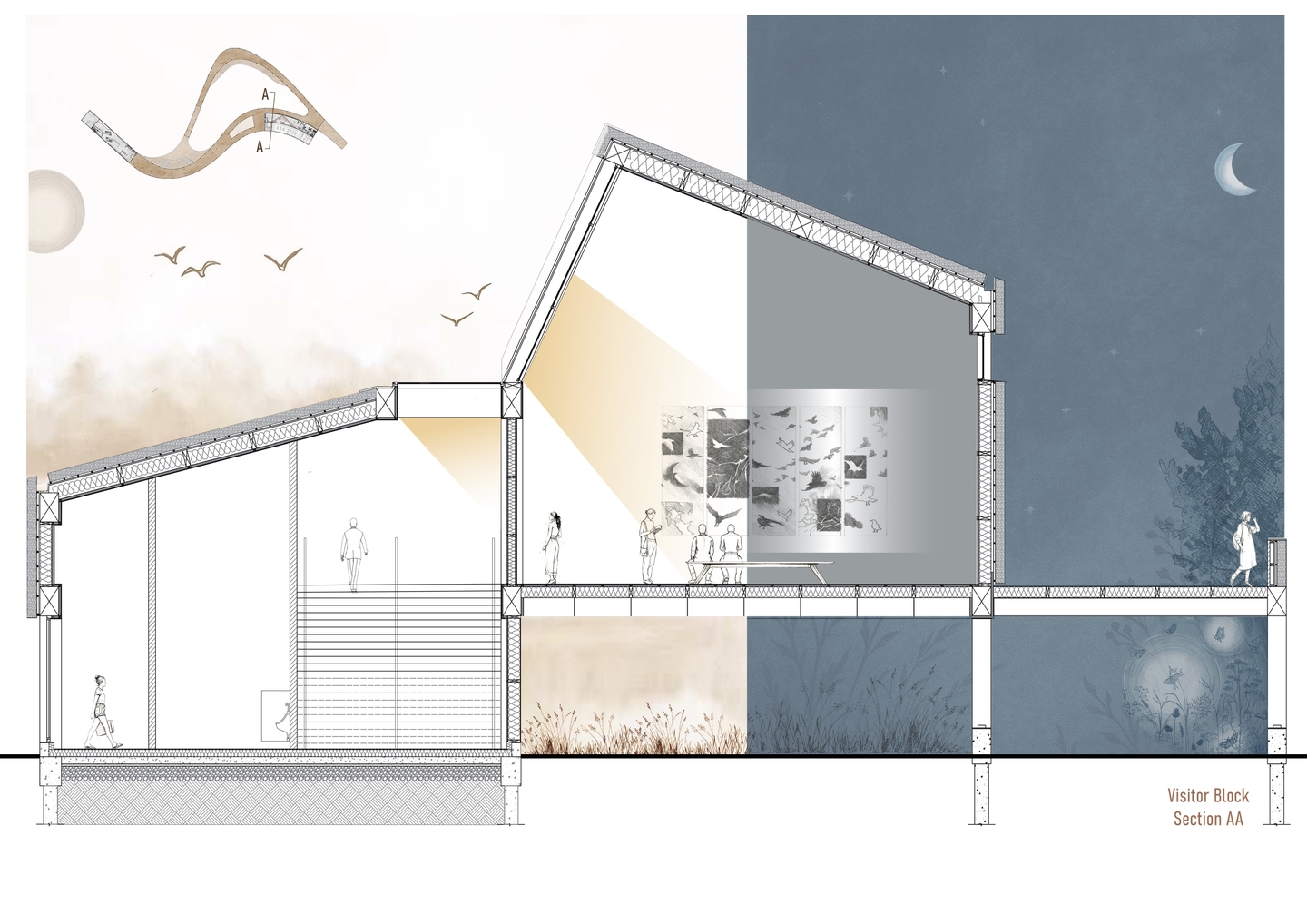
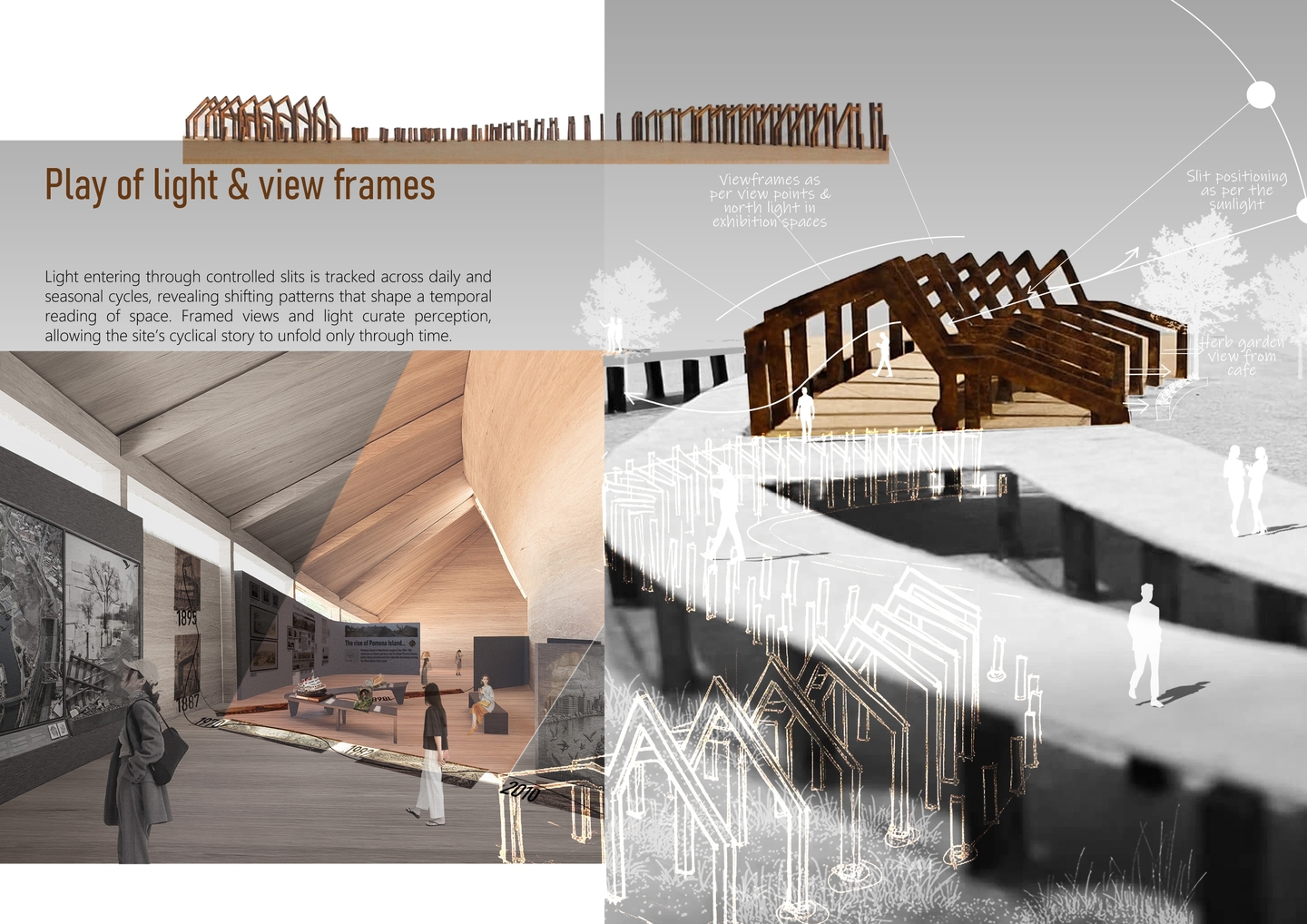
Building upon this rhythmic framework, the design negotiates human and non-human activities across day and night through mediation strategies that support a balanced system of coexistence. Temporal rhythms continuously transform the atmosphere of the site, ensuring that no experience remains static. Rhythm exists in the way bodies move, spaces unfold, light changes across space, and materials decay over time. My work explores architecture as a choreography of repetition, pause, and temporal experience, where spatial narratives emerge through the continuous interaction between ecology, movement, and perception.