
AND: 'Always designing ways to Live Well'

"Greater Manchester is home to 2.8 million wonderfully diverse people. But over 500,000 are out of work, 137,000 are long-term sick, and 490,000 live in absolute poverty. Food bank usage is soaring, and mental health issues are on the rise… We are ready to radically reimagine everyday support. To rewire our public services. To put people and places at the heart of growth. So that everyone in our city region, can Live Well." Greater Manchester Mayor, Andy Burnham

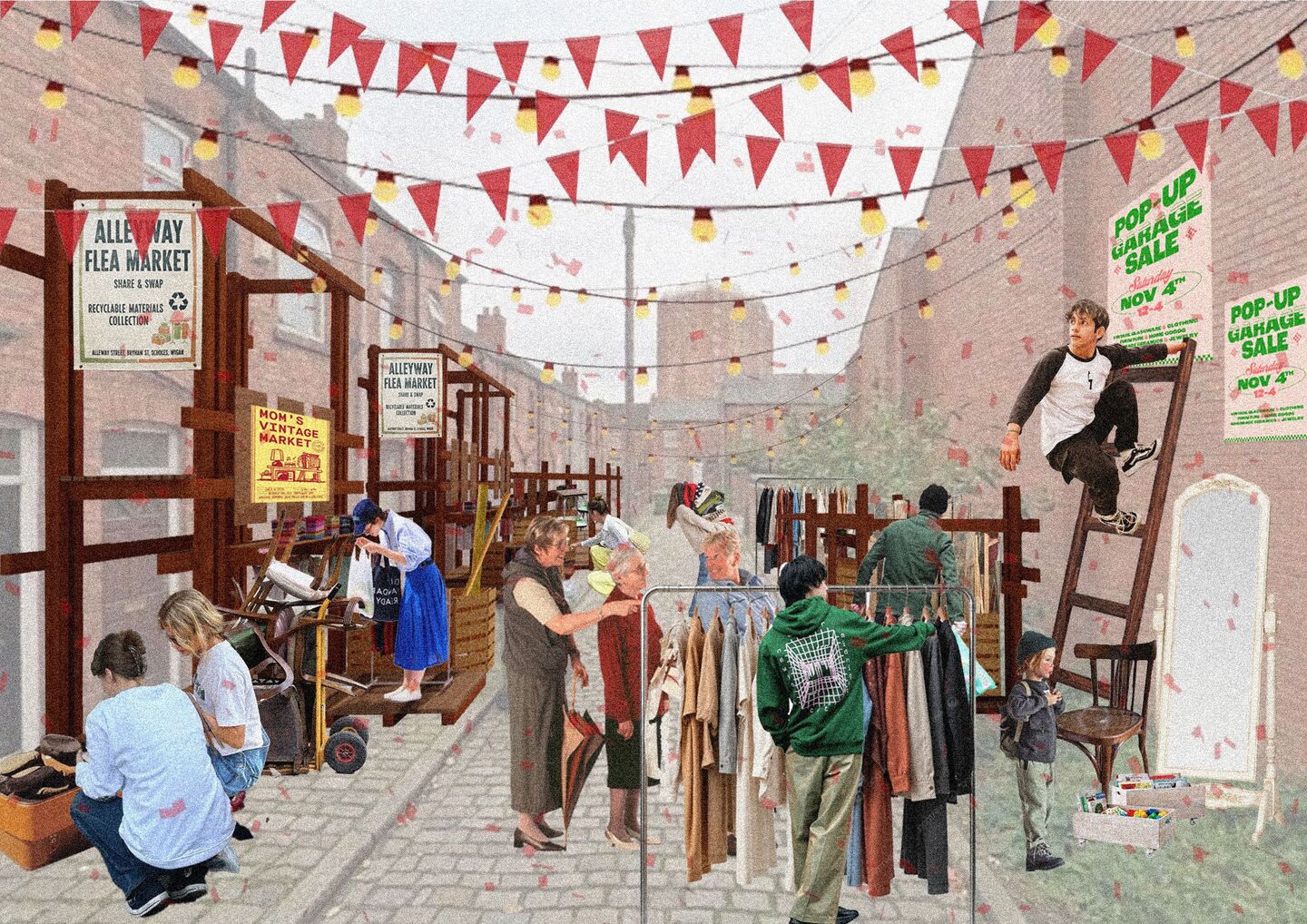
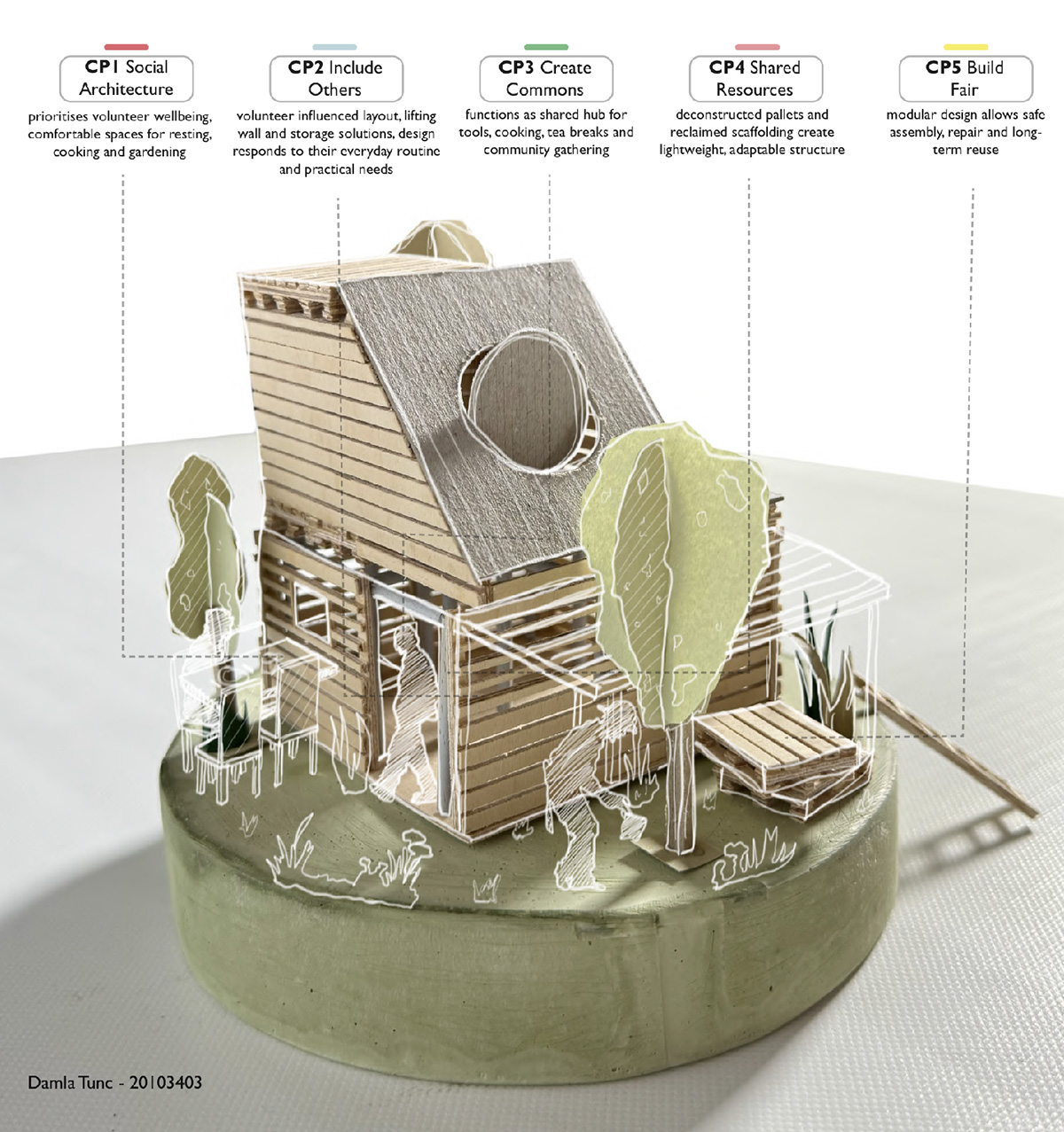
This year & Atelier (AND) explored the nature of care and community and the role of architecture, urban design and landscape in supporting people of all ages, occupations and attitudes to be able to 'live well' as they grow up and grow older. AND set out five central principles for ethical practice which the students explore through design: Support social innovation, include all users, contribute to commons, share resources and build fair.

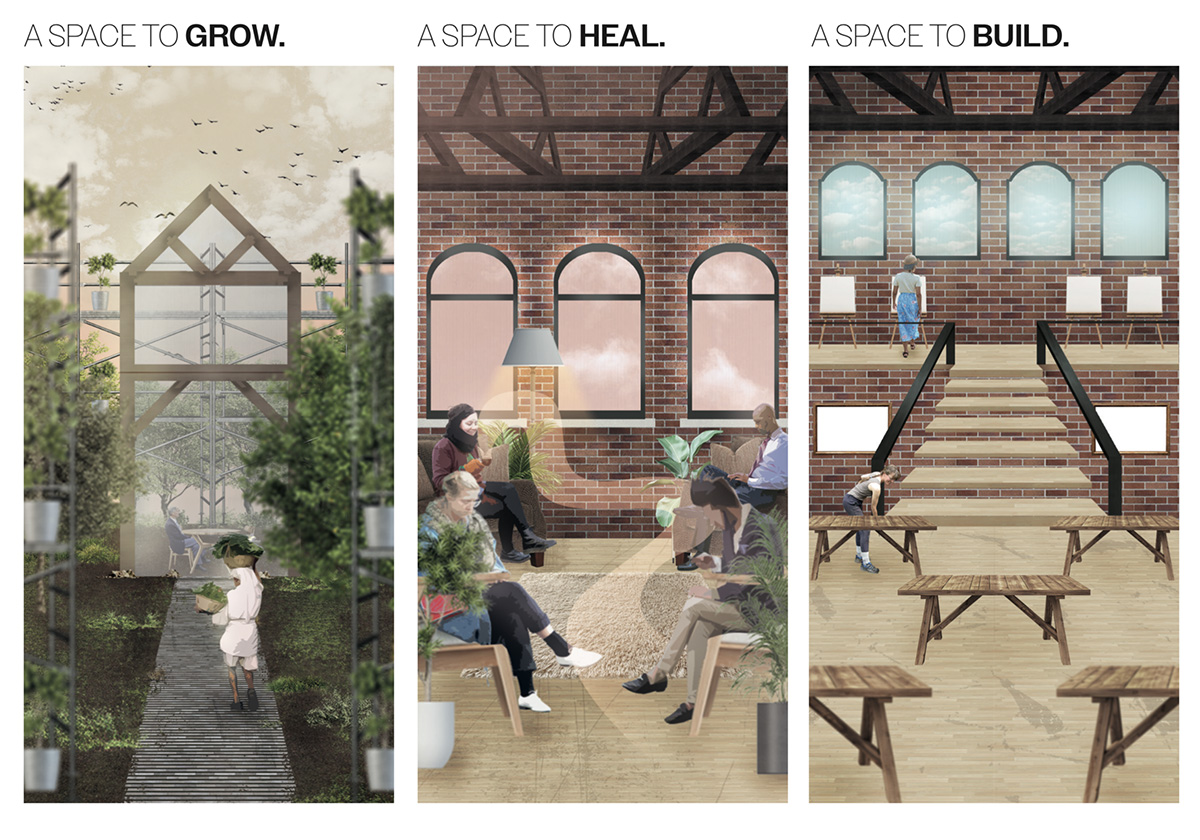
In Greater Manchester, Live Well has been identified as one of Mayor Andy Burnham's key strategies for improving the health, wellbeing and opportunities for local people, delivered through community and neighbourhood-based initiatives, which are set to develop Live Well Centres - as part of a Live Well neighbourhood which should include a range of Live Well Spaces. It is a significant political, economic and design challenge to make these opportunities available to all.

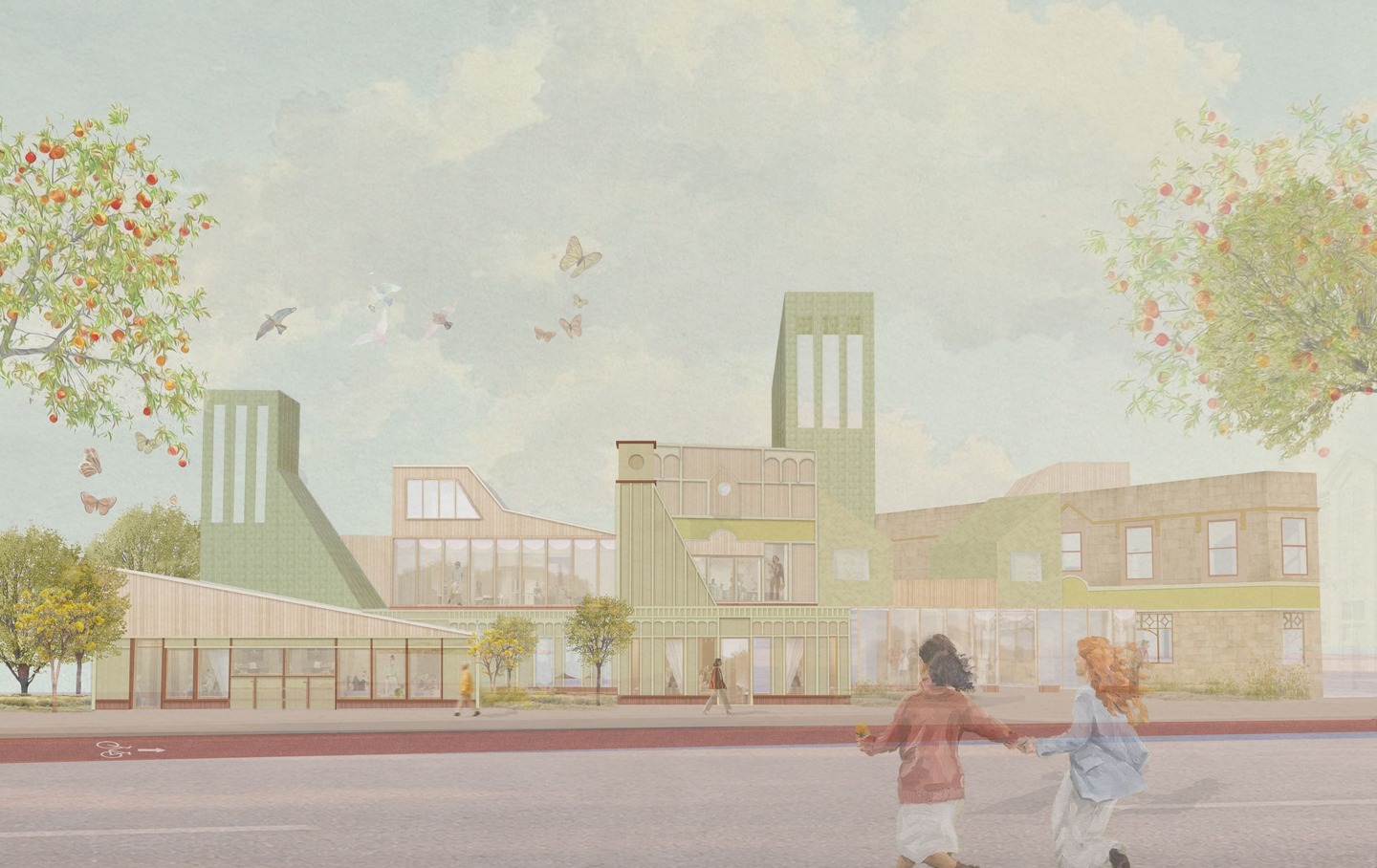
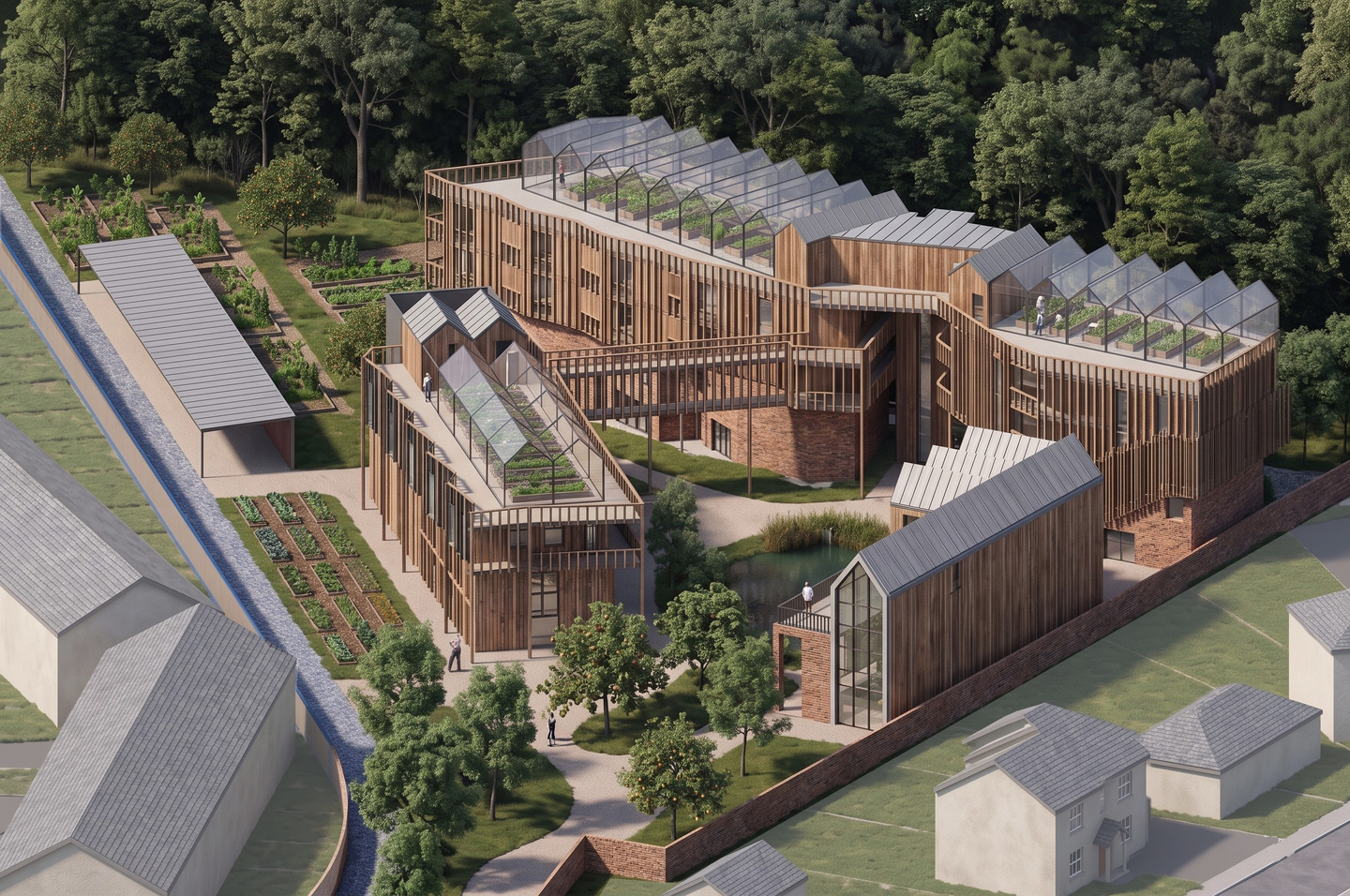
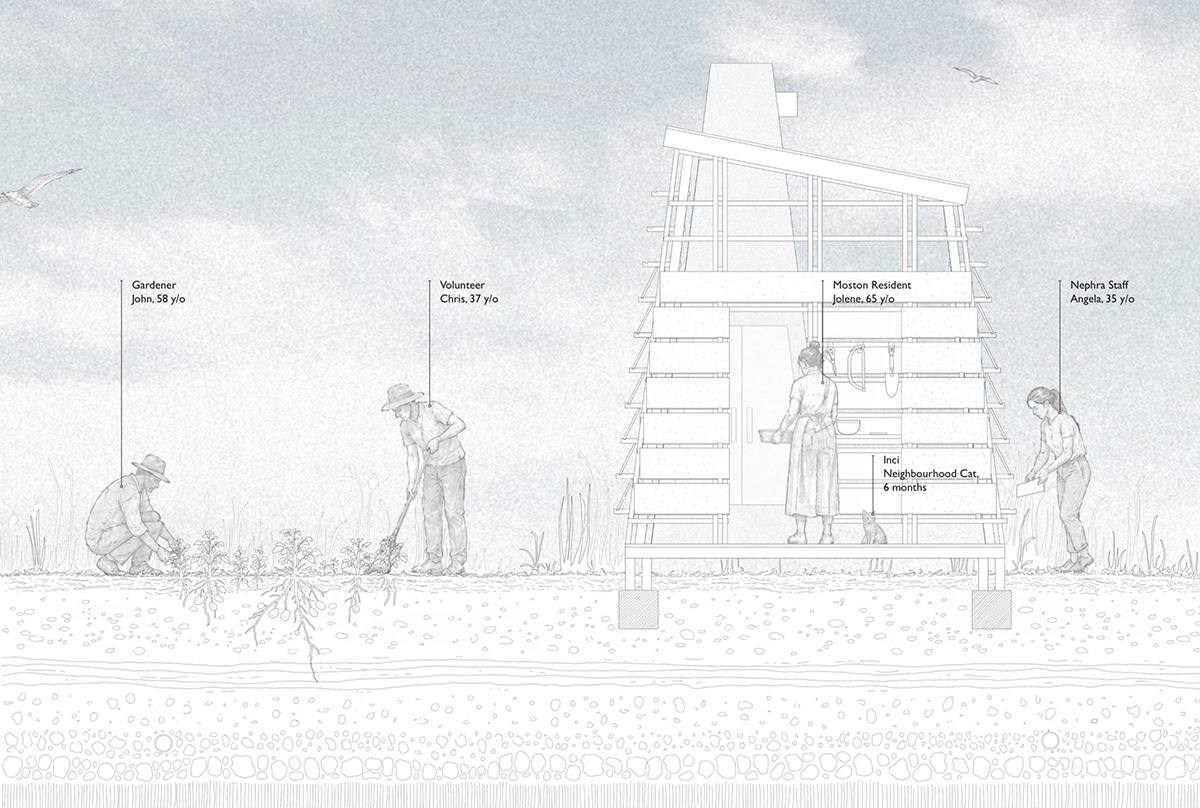
BA 3 (3&) and MArch 1 (5&) have engaged with sites on Moston Lane in Moston, North Manchester to explore what a Live Well centre might look like for the local community and how this might integrate with Manchester City Council's regeneration plans for Moston and the existing care and mutual aid provided by the local community.

ML2 (L&) have explored the wider contribution of the urban and natural environment to a Live Well Neighbourhood across the Moston ward.

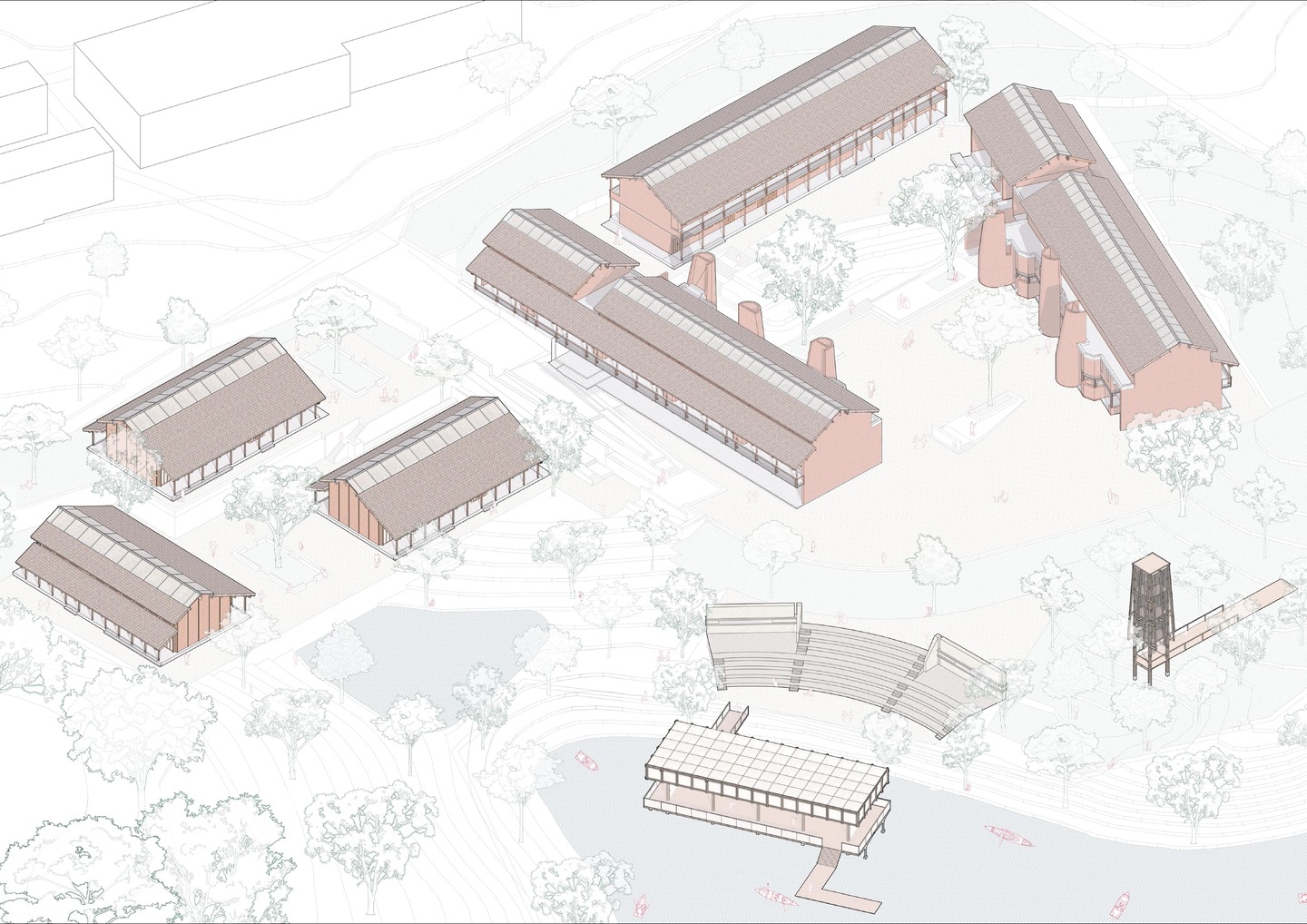
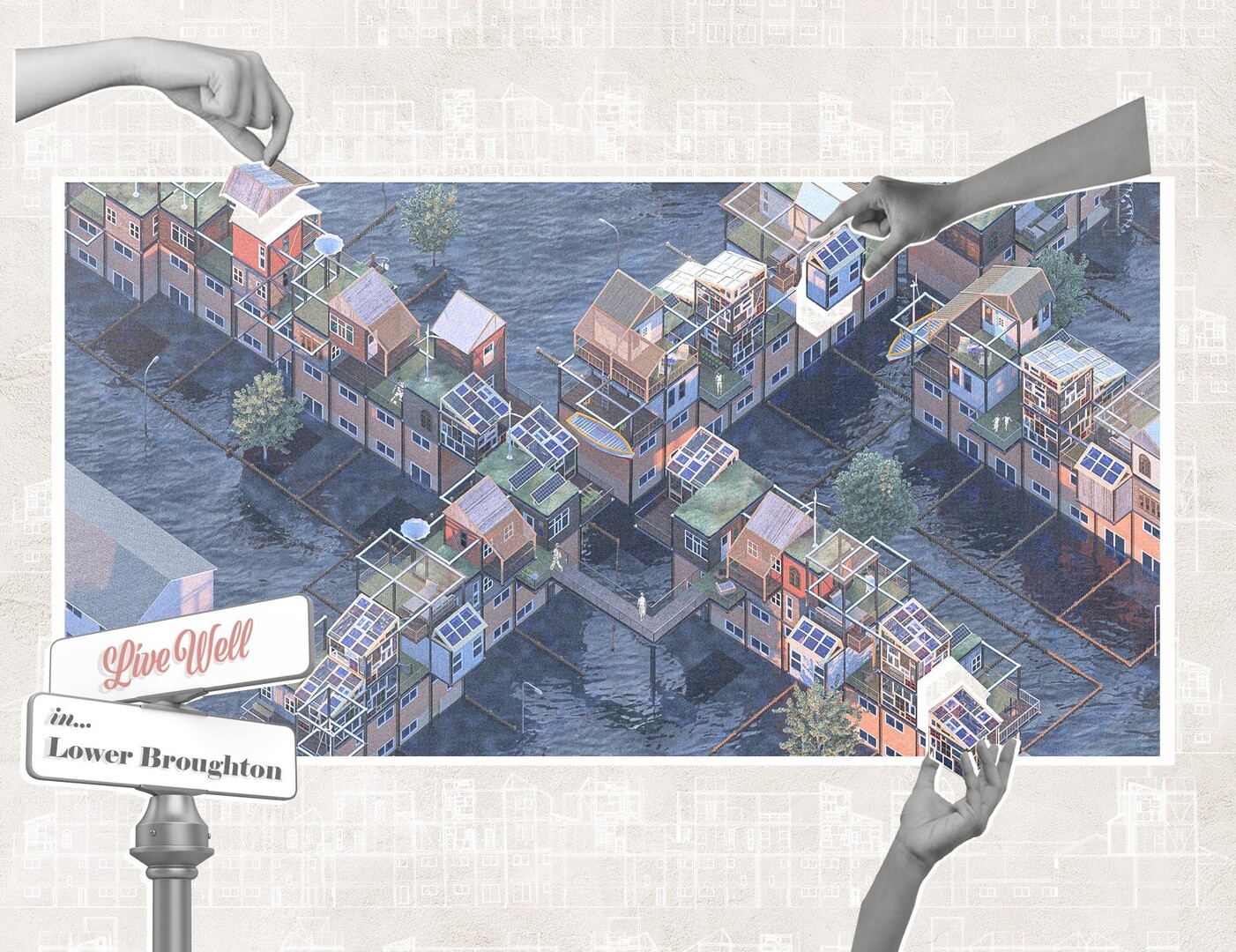
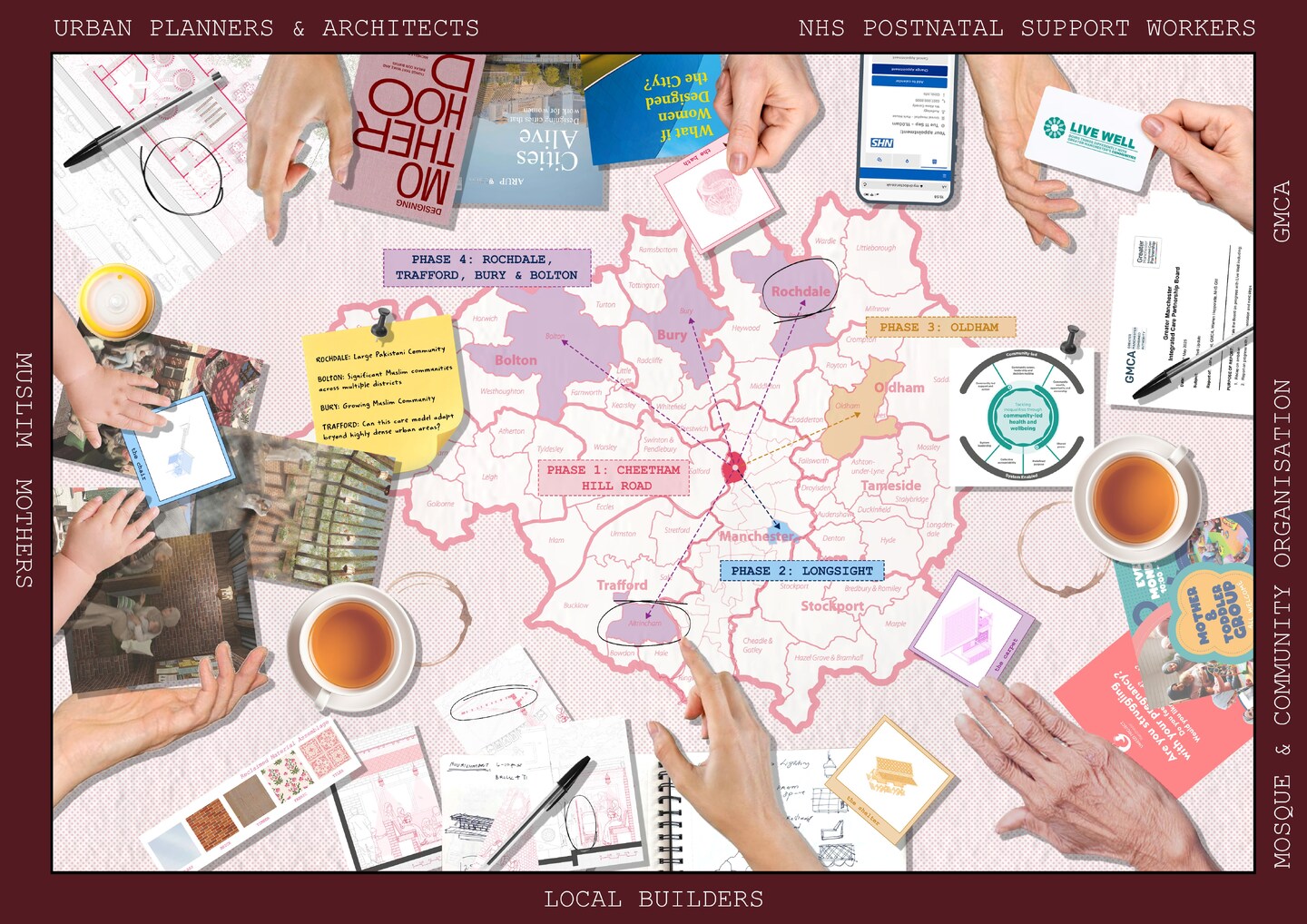
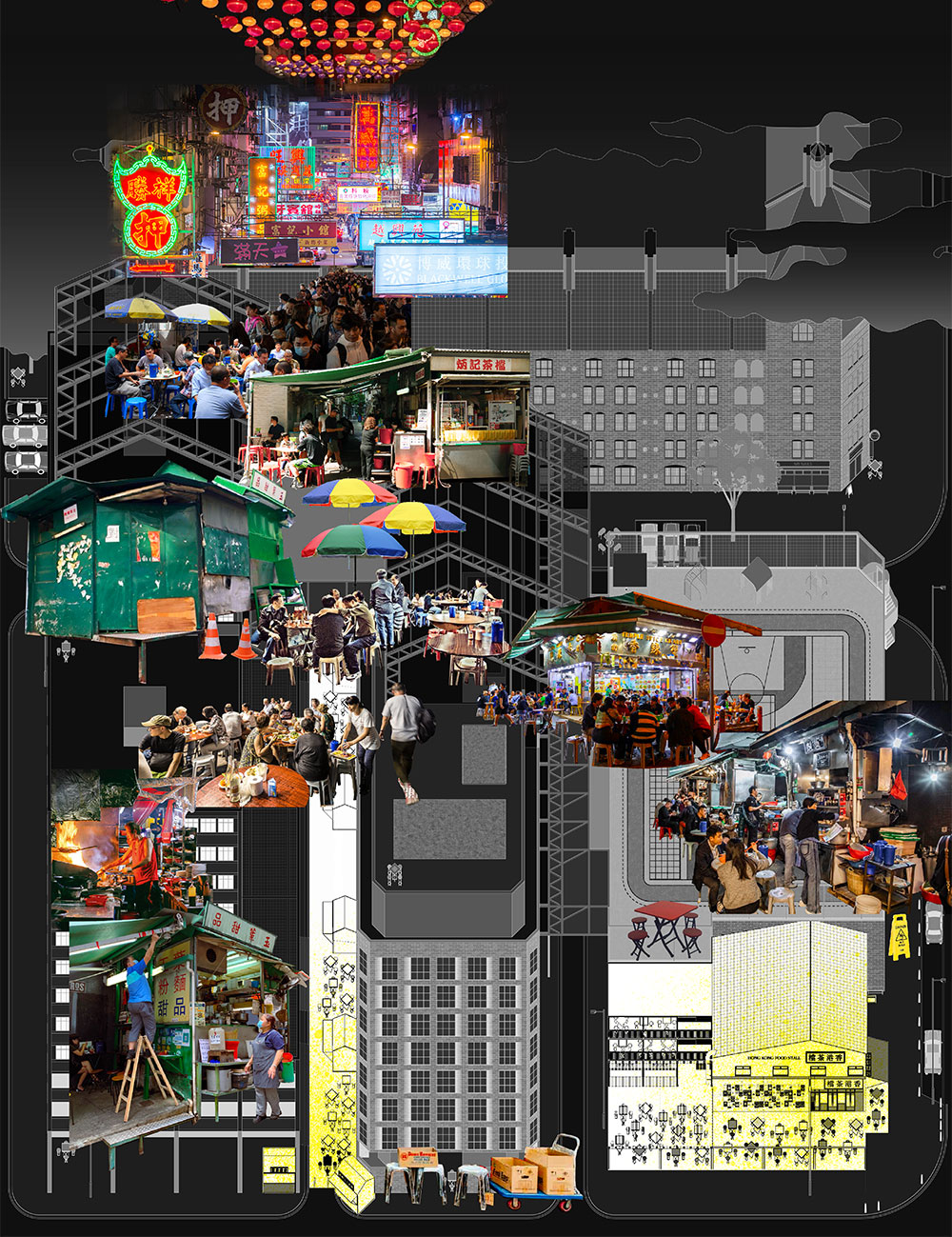
MArch 2 (6&) have investigated how Live Well approaches might address the needs of different groups across a range of GM contexts.
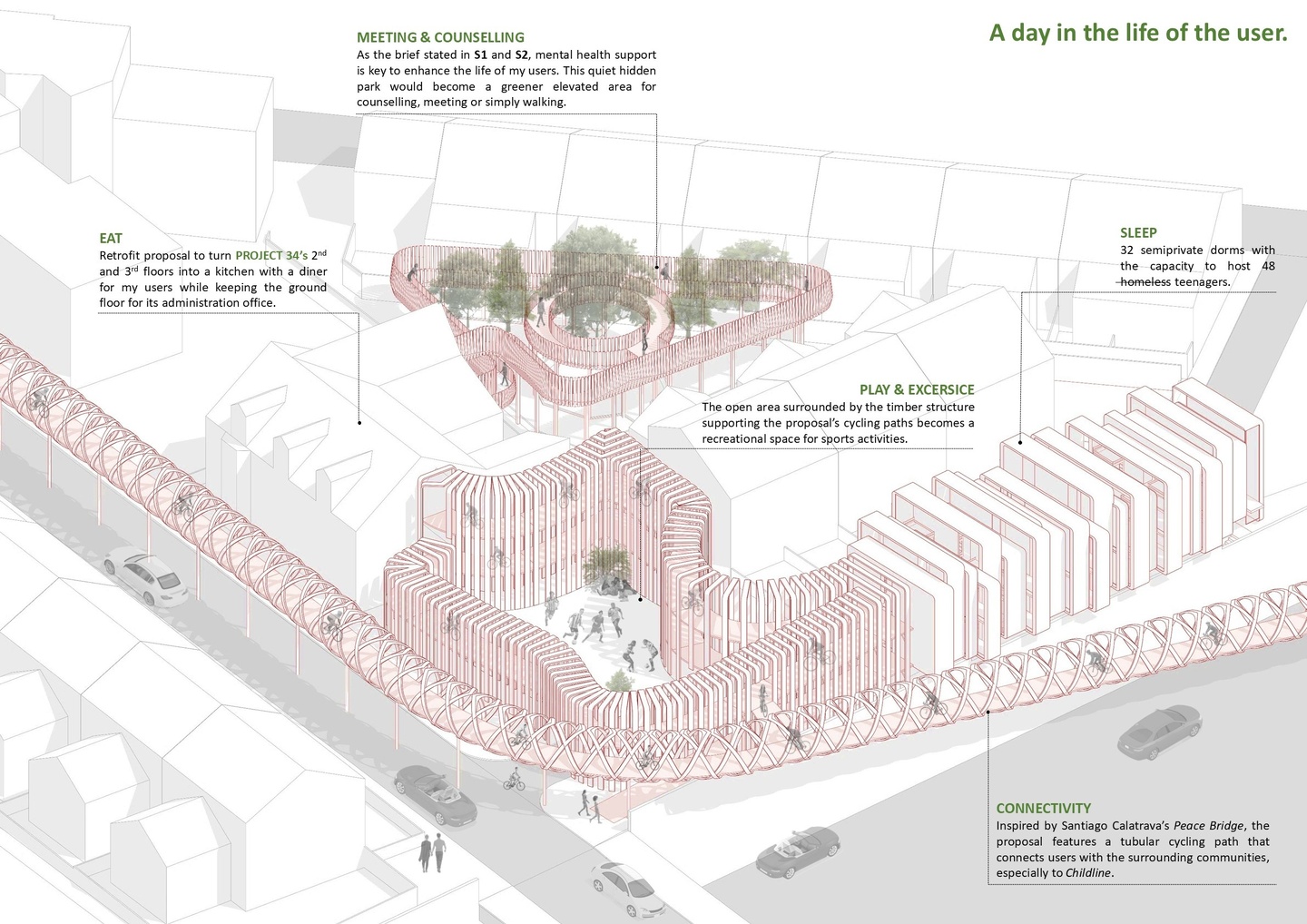
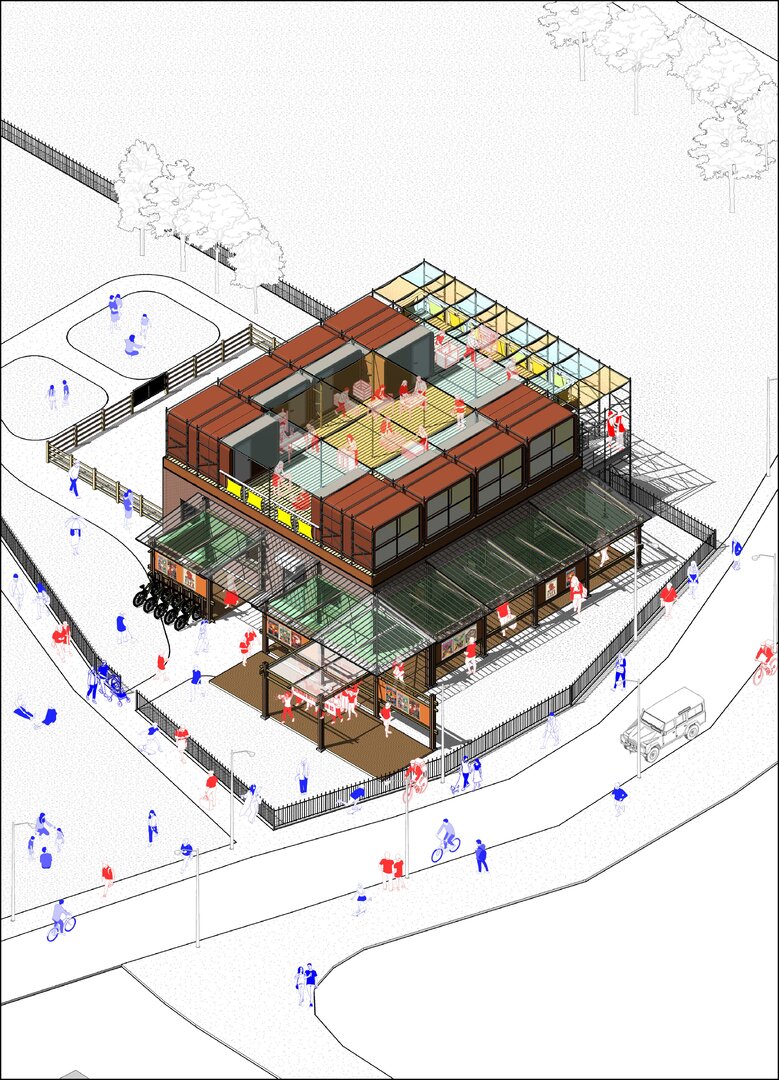
Architect in Studio

Architect in Studio: Strategy (AiSS)

Architect in Studio: Strategy (AiSS)

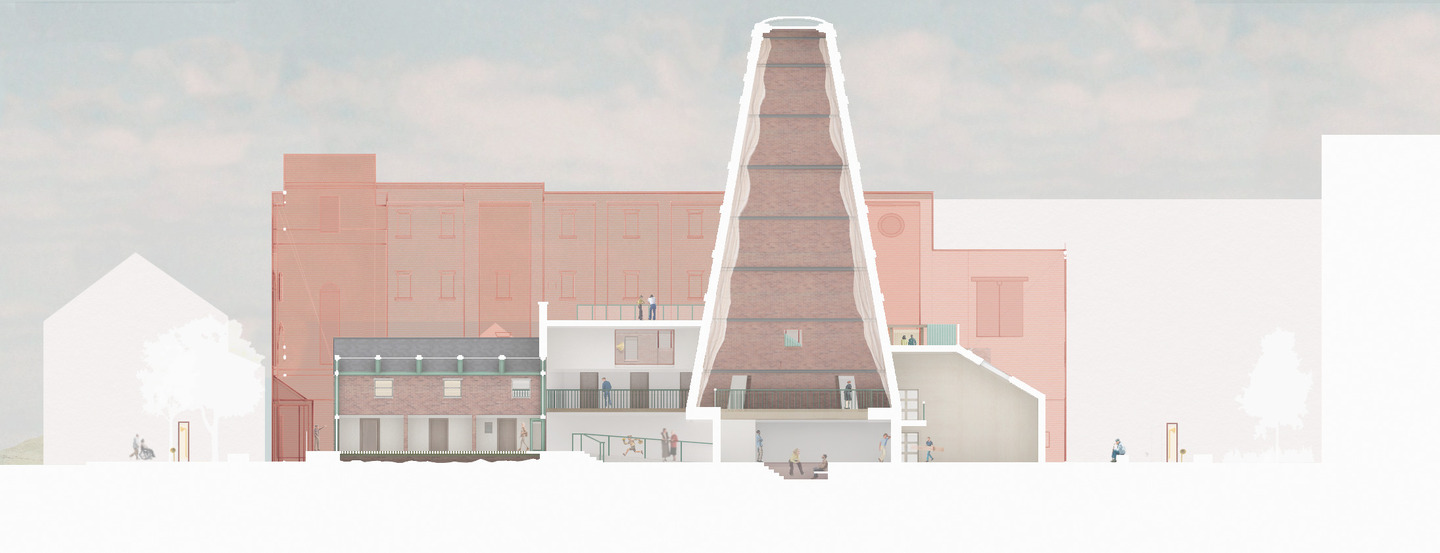
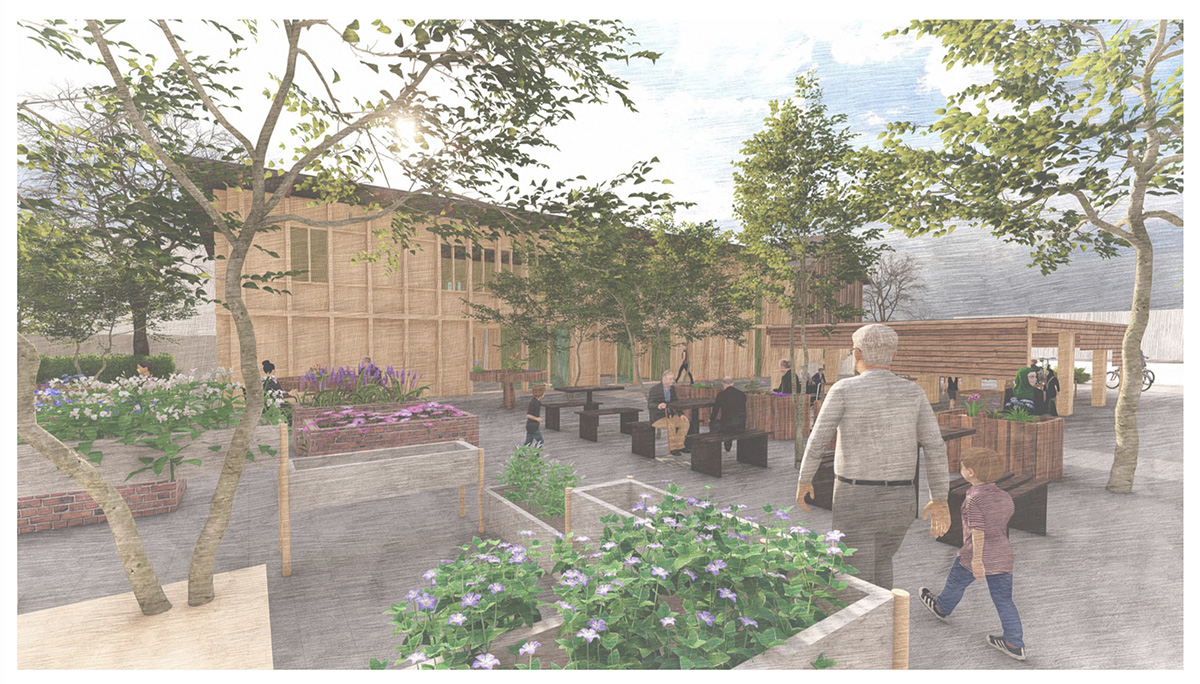
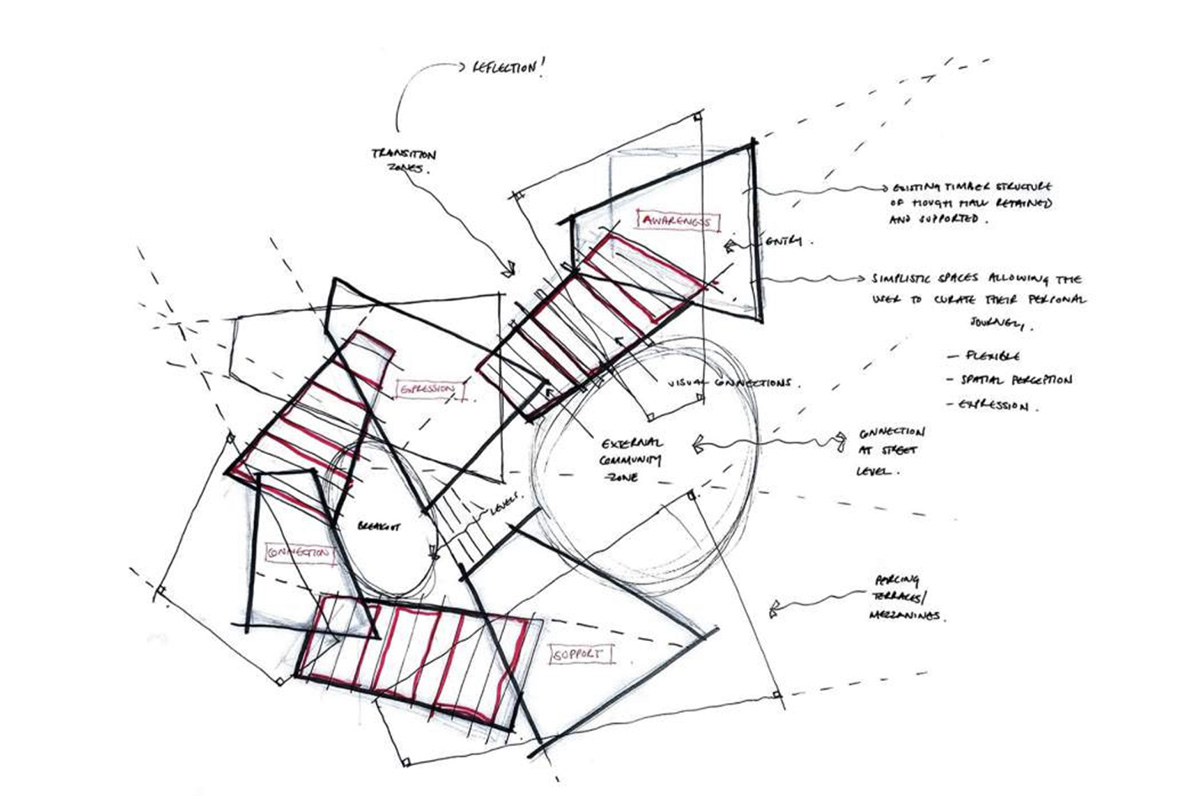
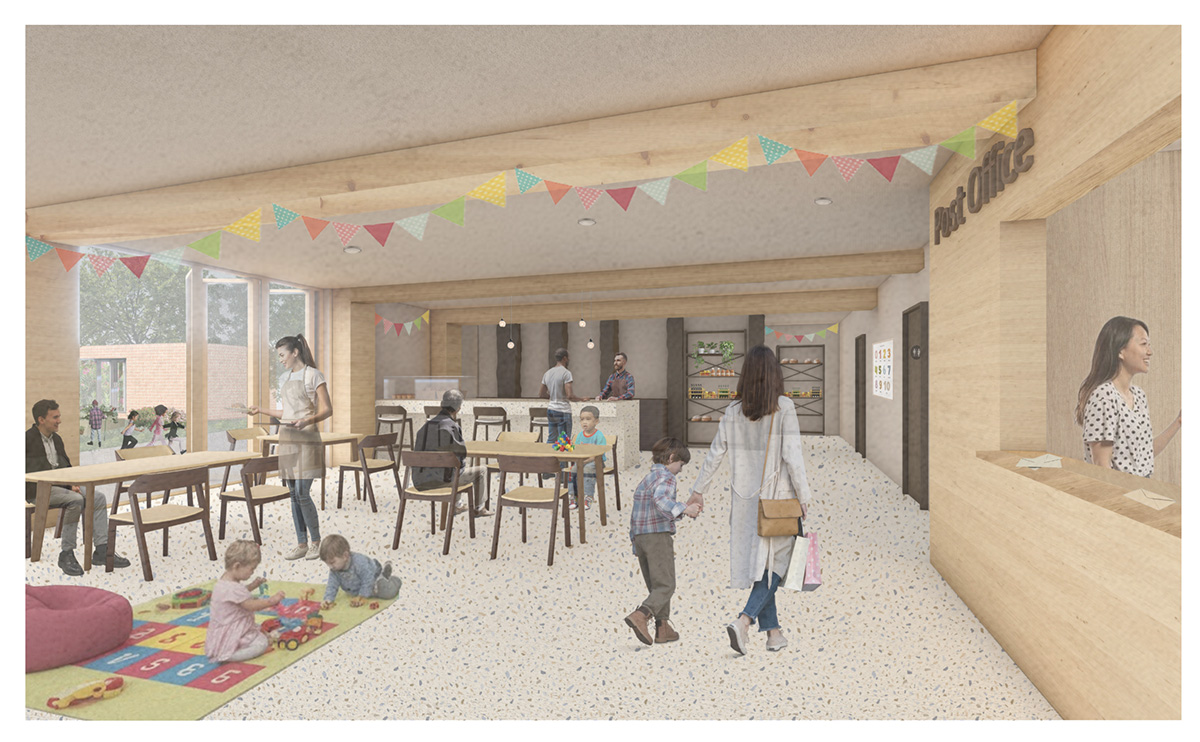
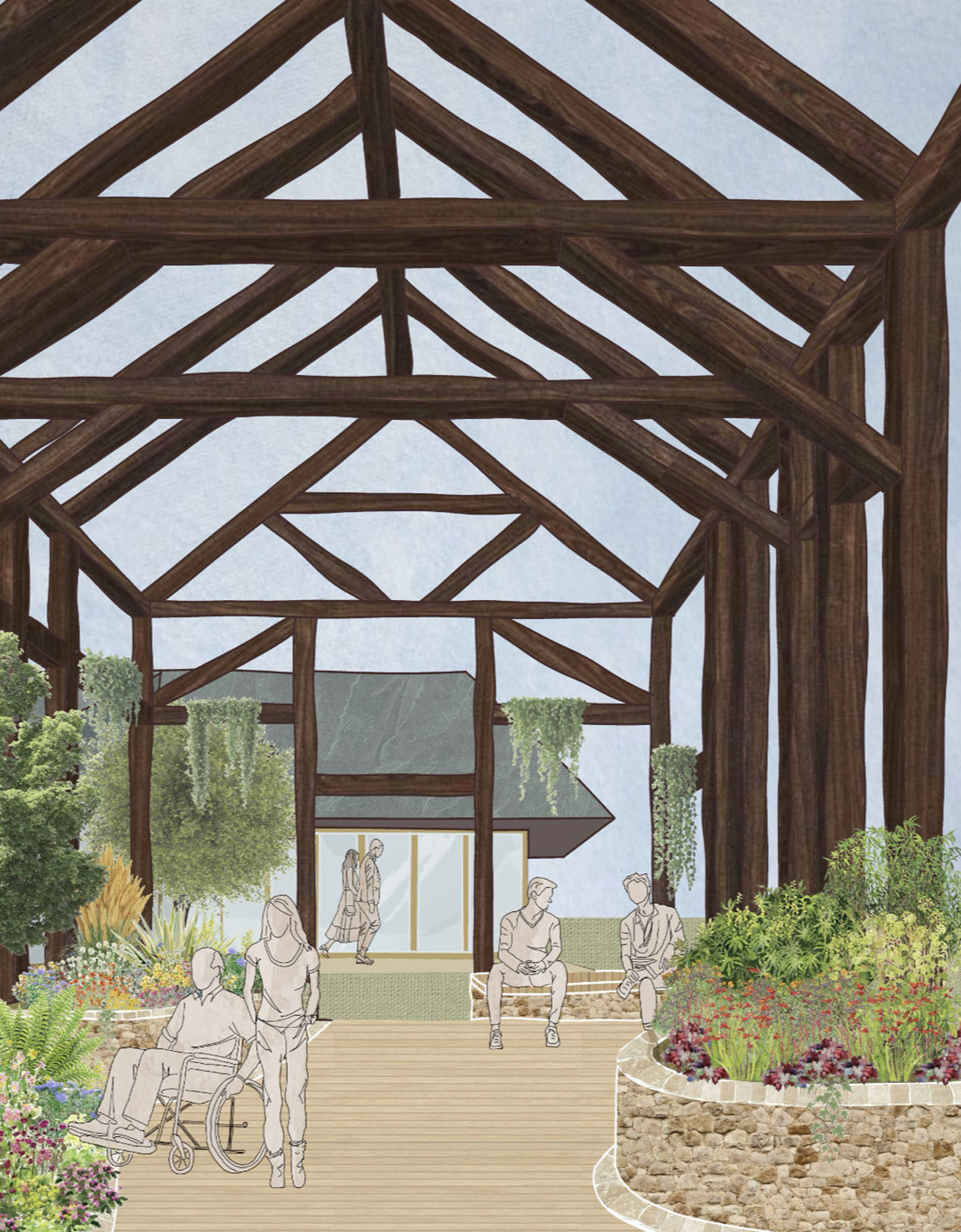
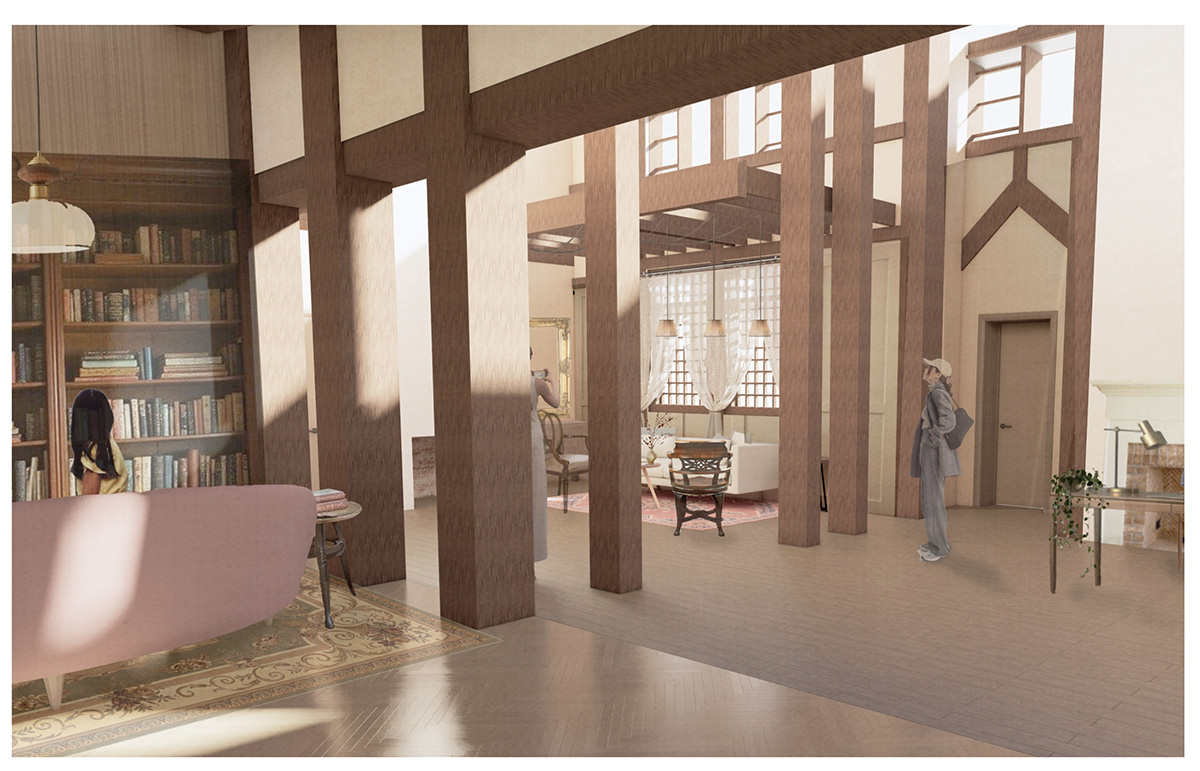
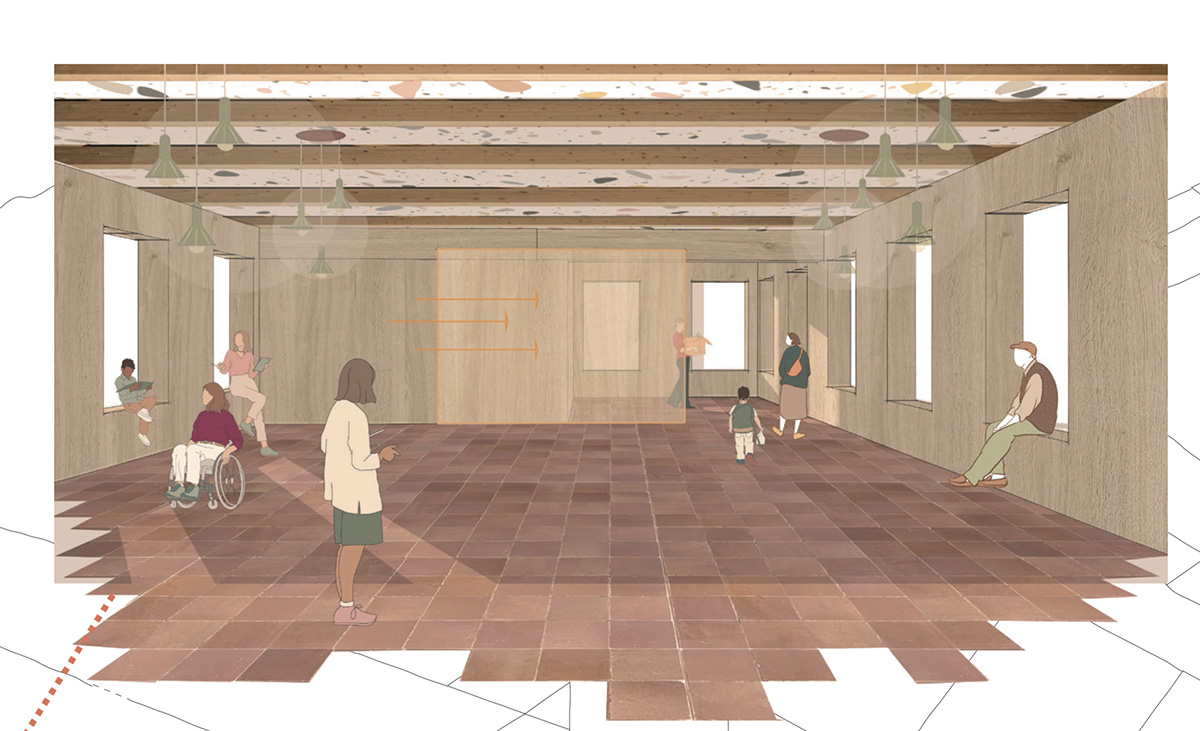
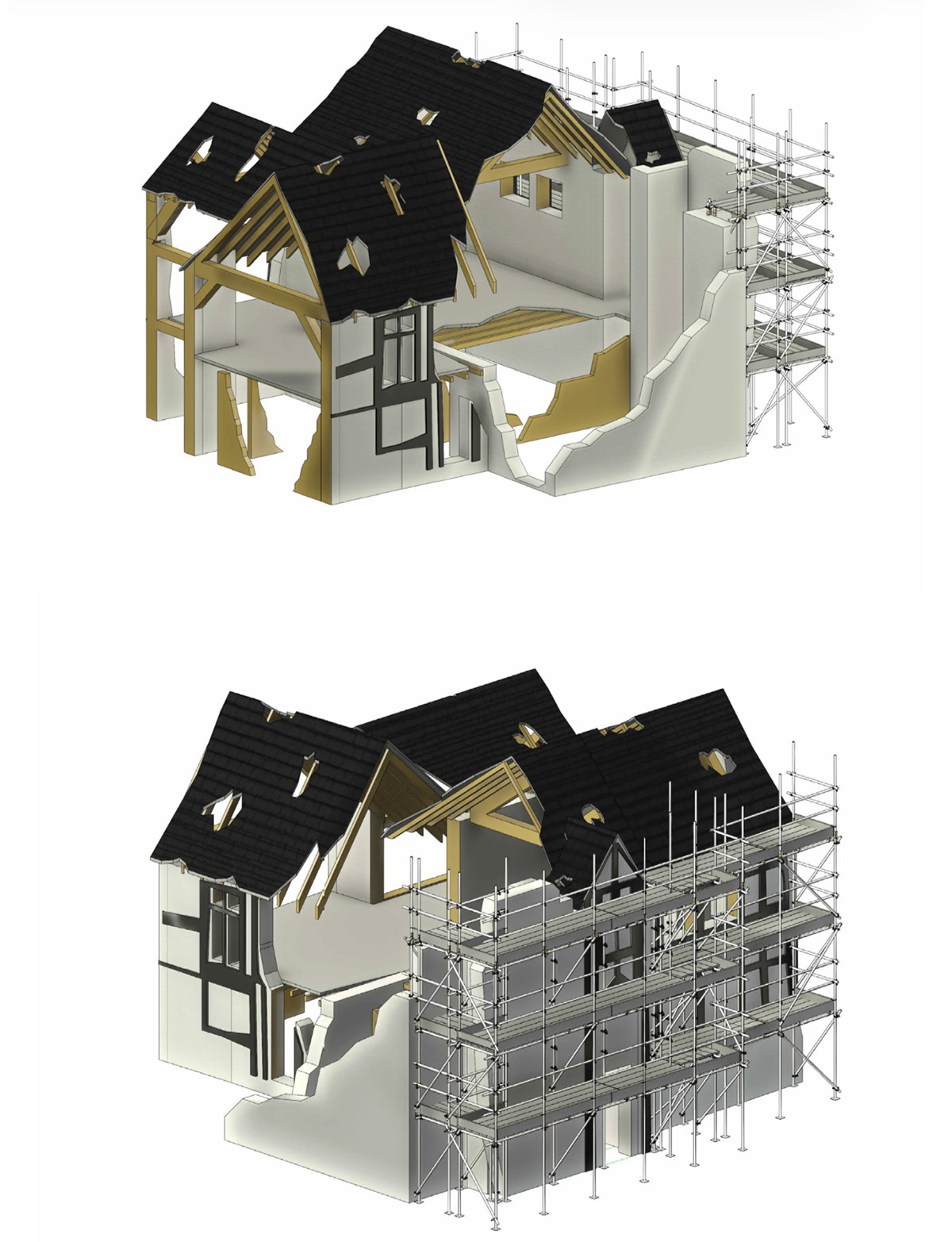
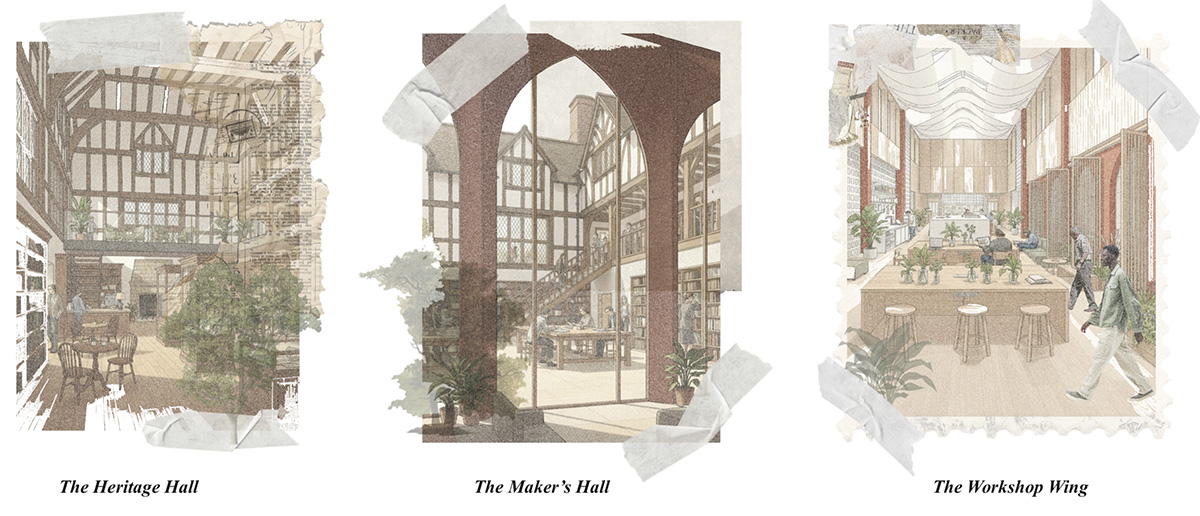
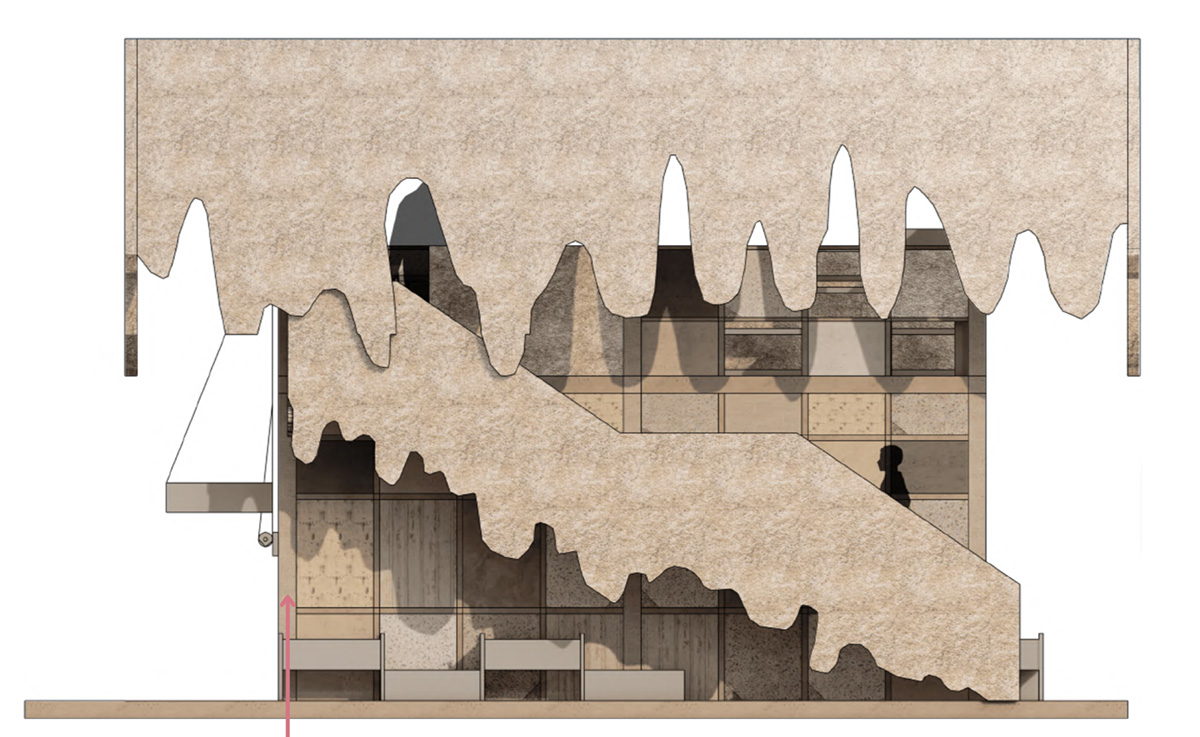
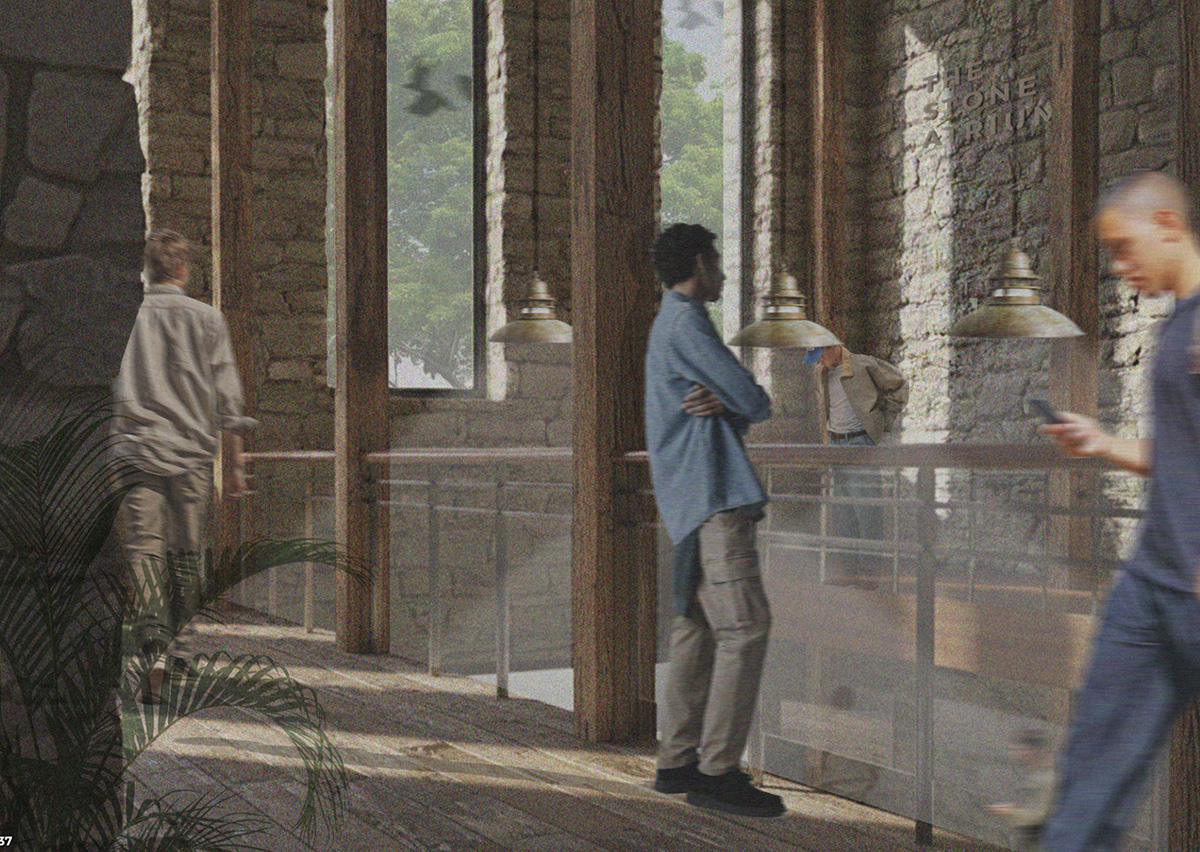
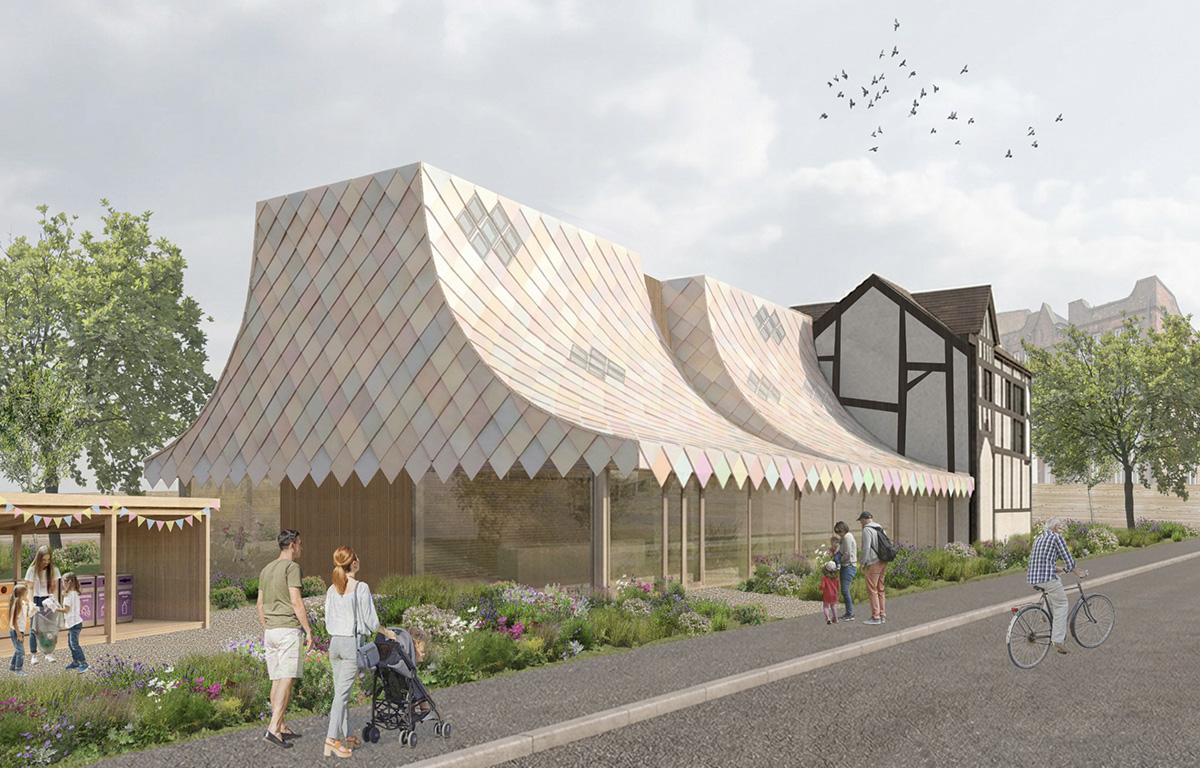
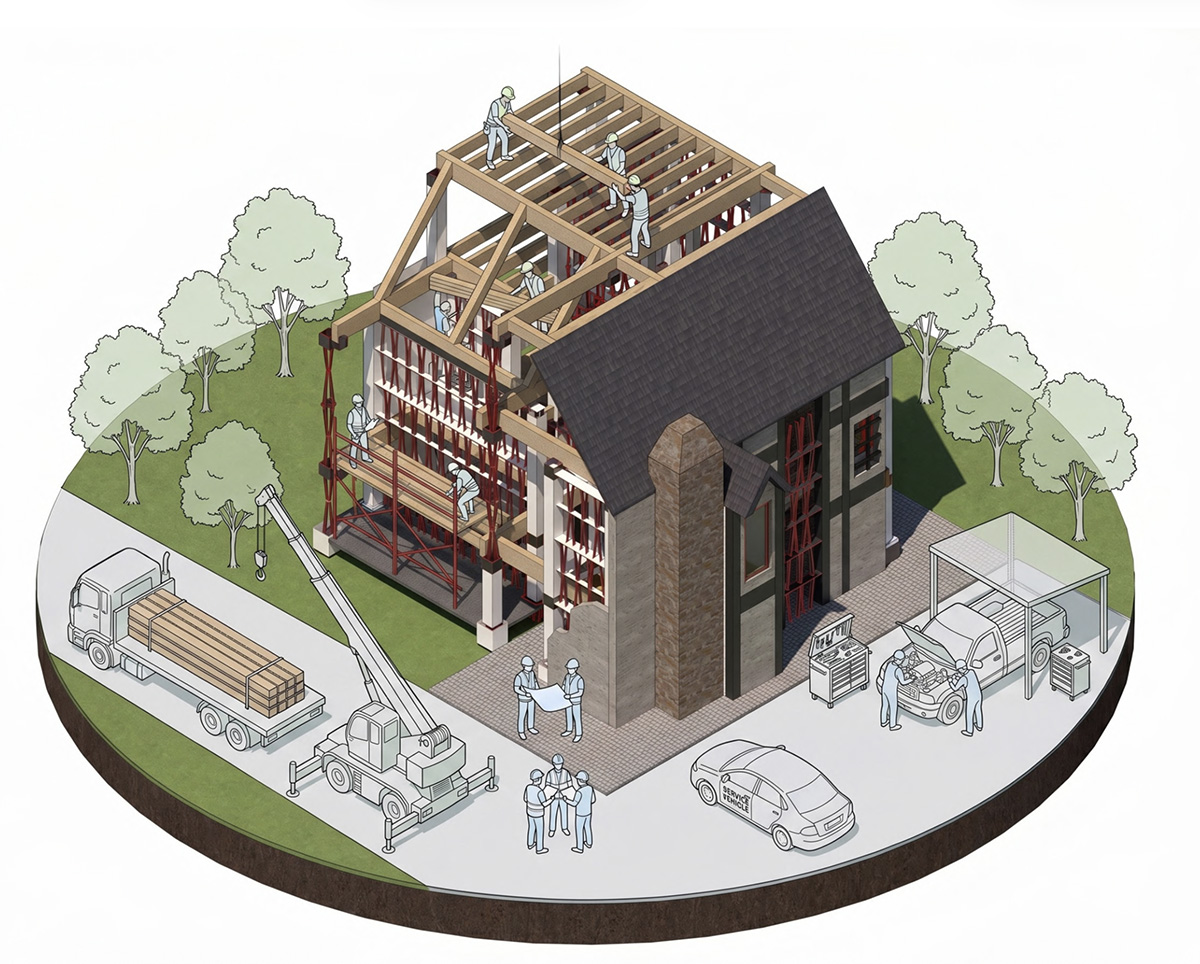
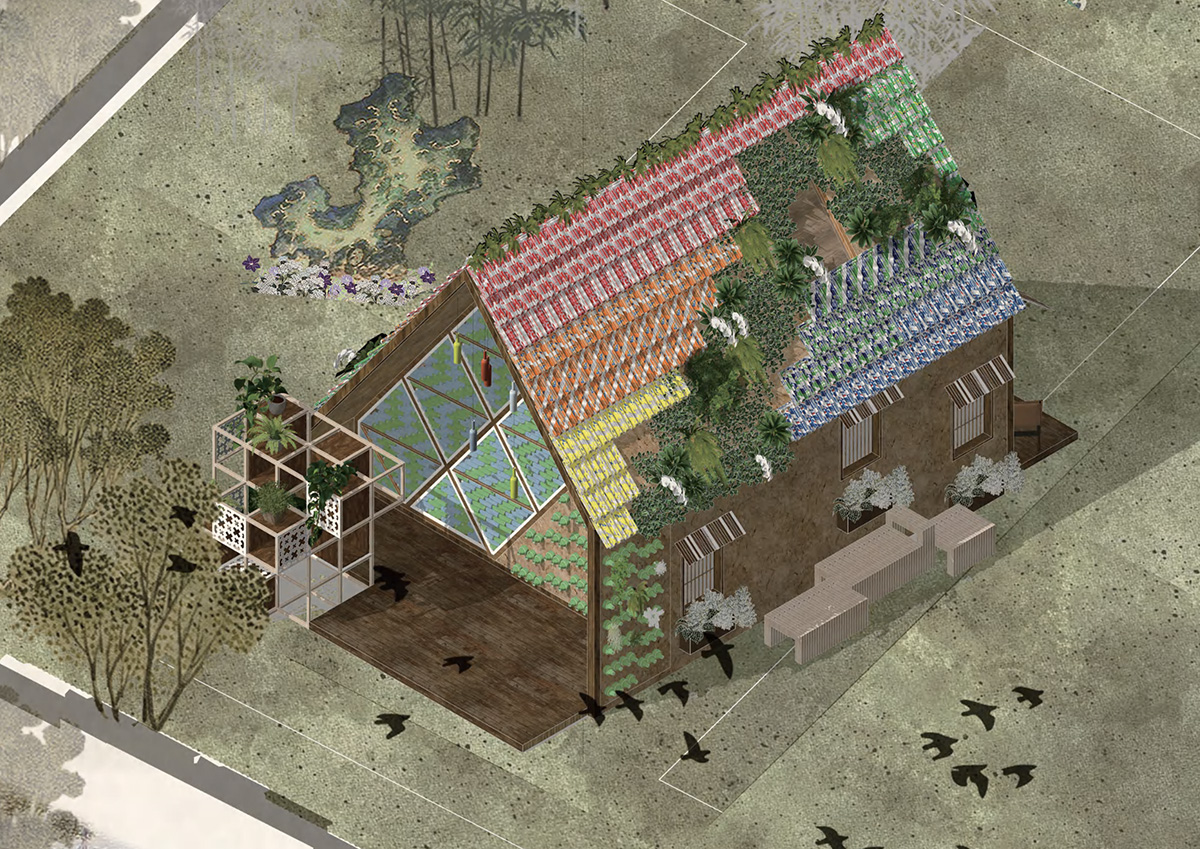
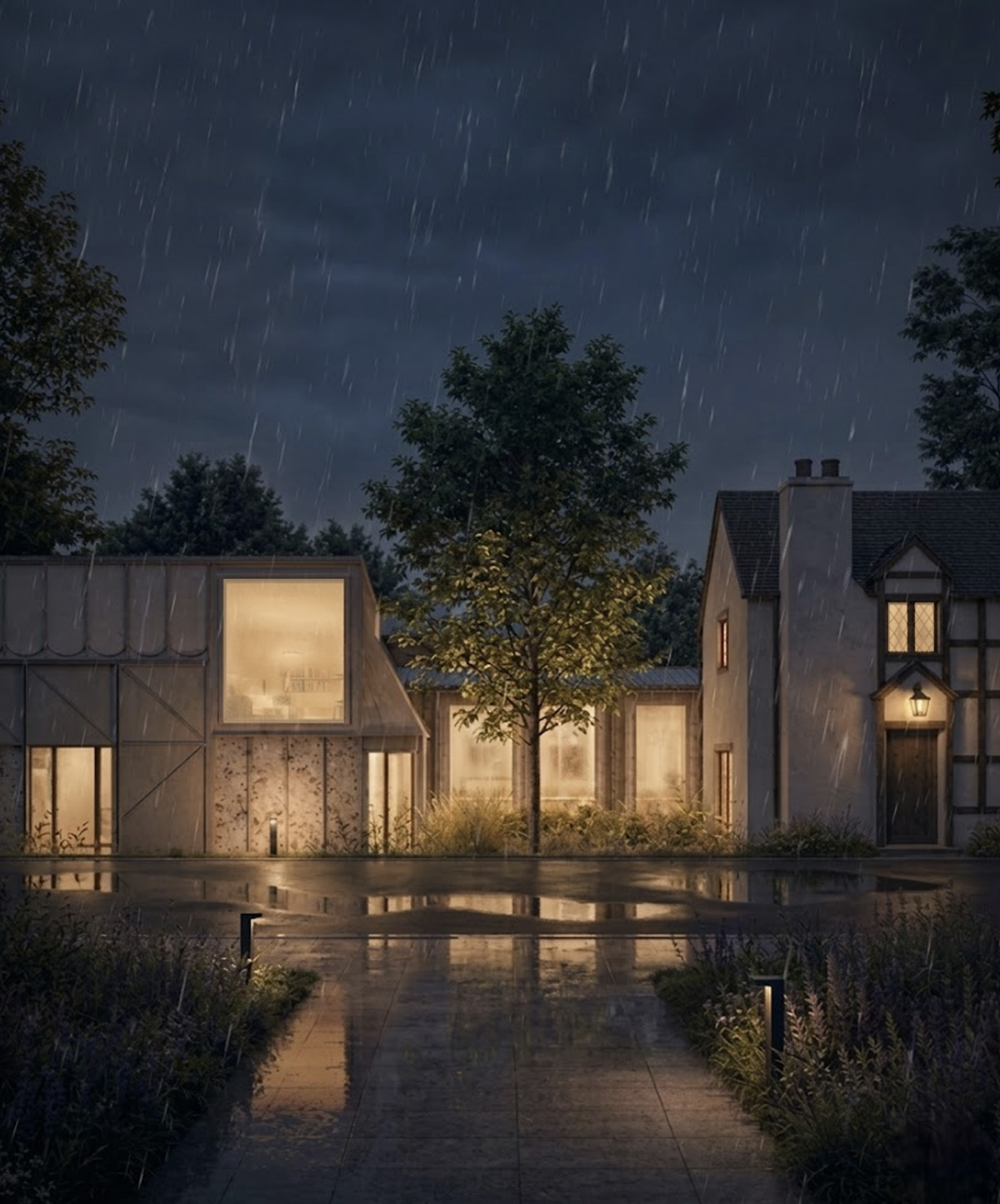
AISS explored how architecture can support the creation and sustainment of commons. Working within the context of Moston Lane in North Manchester, students engaged with a complex, lived high street shaped by social, economic, and environmental pressures. The project centred on the adaptive reuse of Hough Hall, reimagined as a Live Well Centre - a civic anchor for health, wellbeing, and community life.
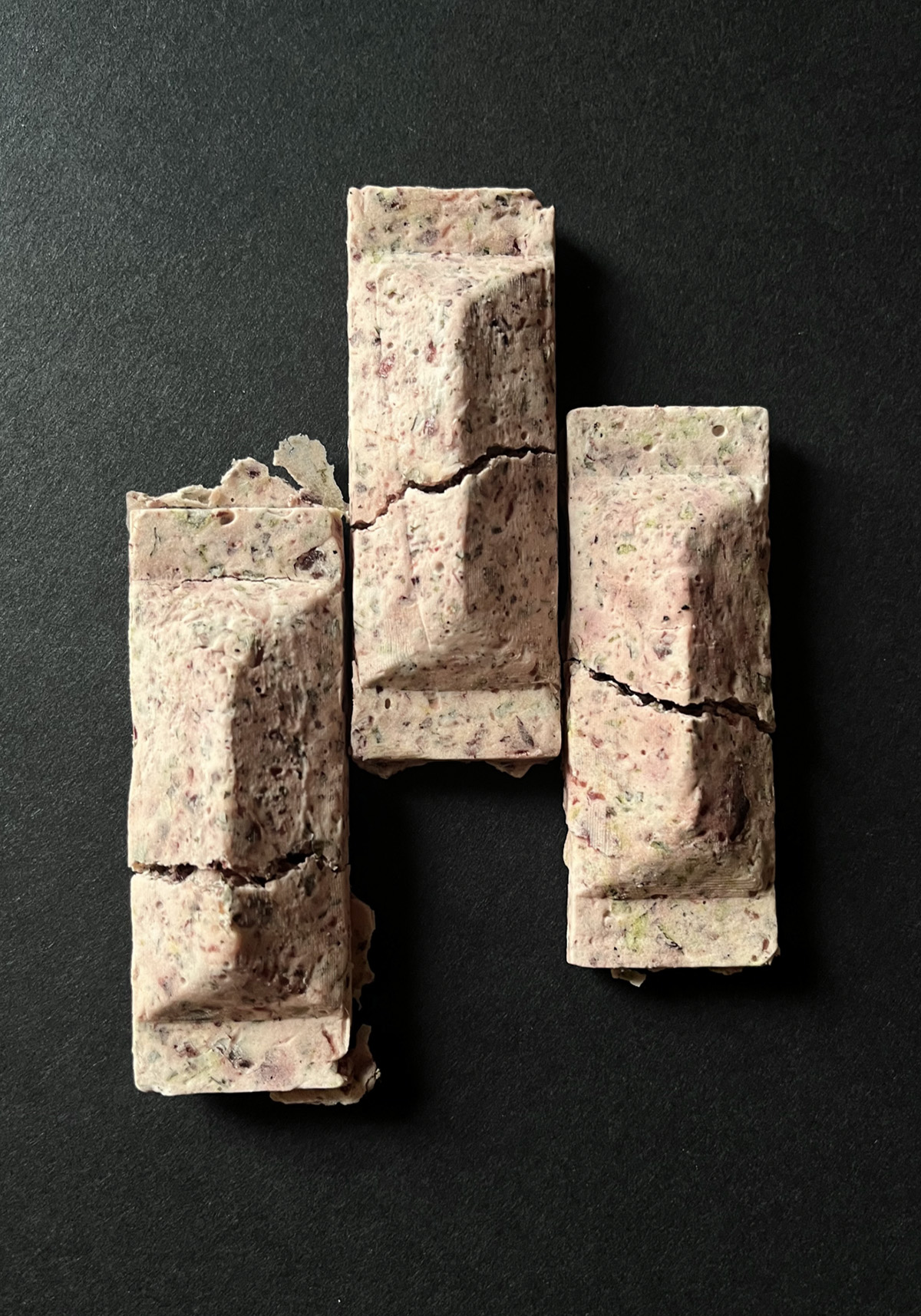
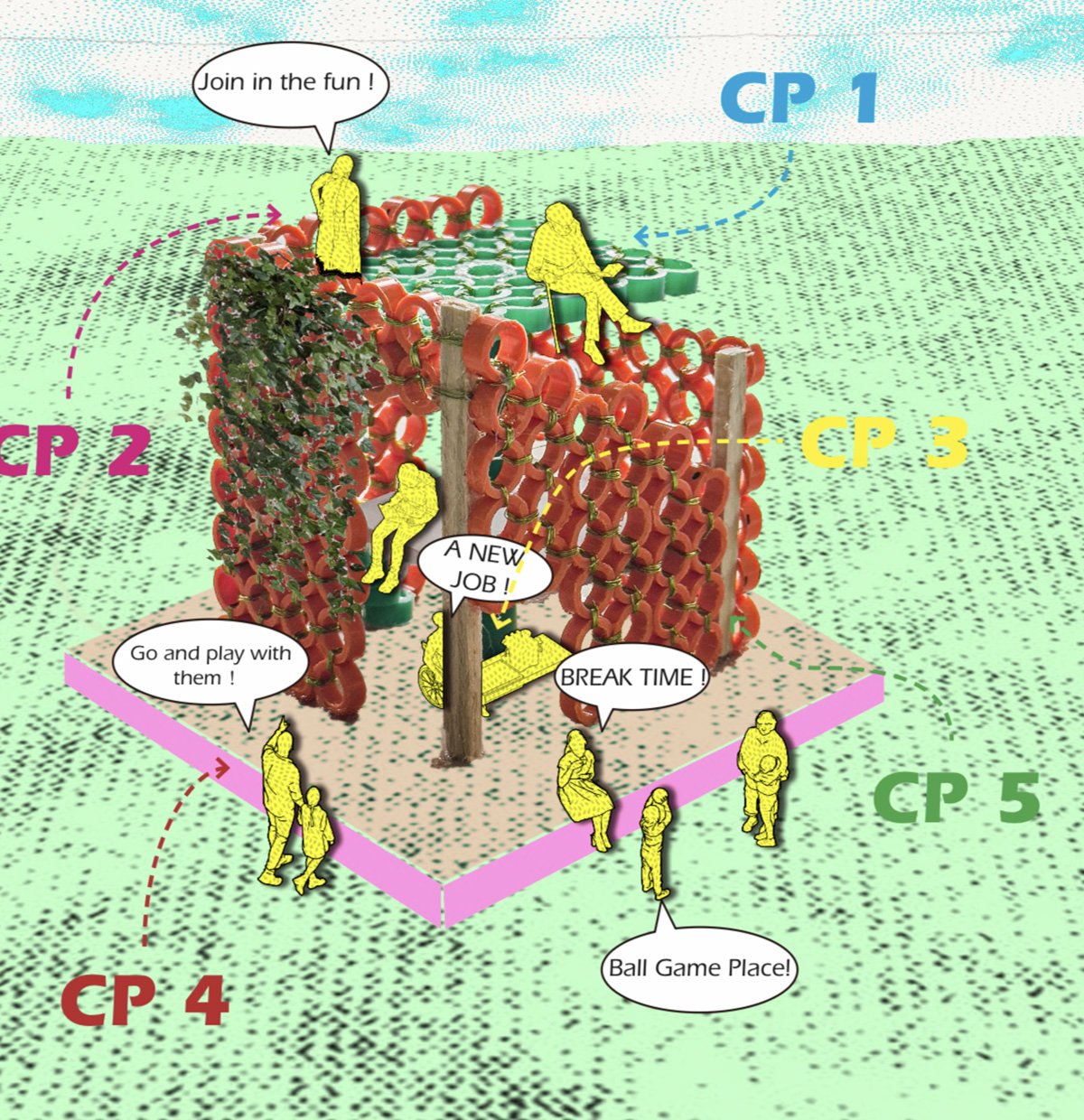
Grounded in the AND ateliers' five common principles; social architecture, inclusion, creating commons, shared resources, and building fair - students developed proposals that respond to real stakeholders and existing community networks. The work was informed by Gibson-Graham's Take Back the Economy, framing architecture as a tool to question dominant economic models and support alternative futures.

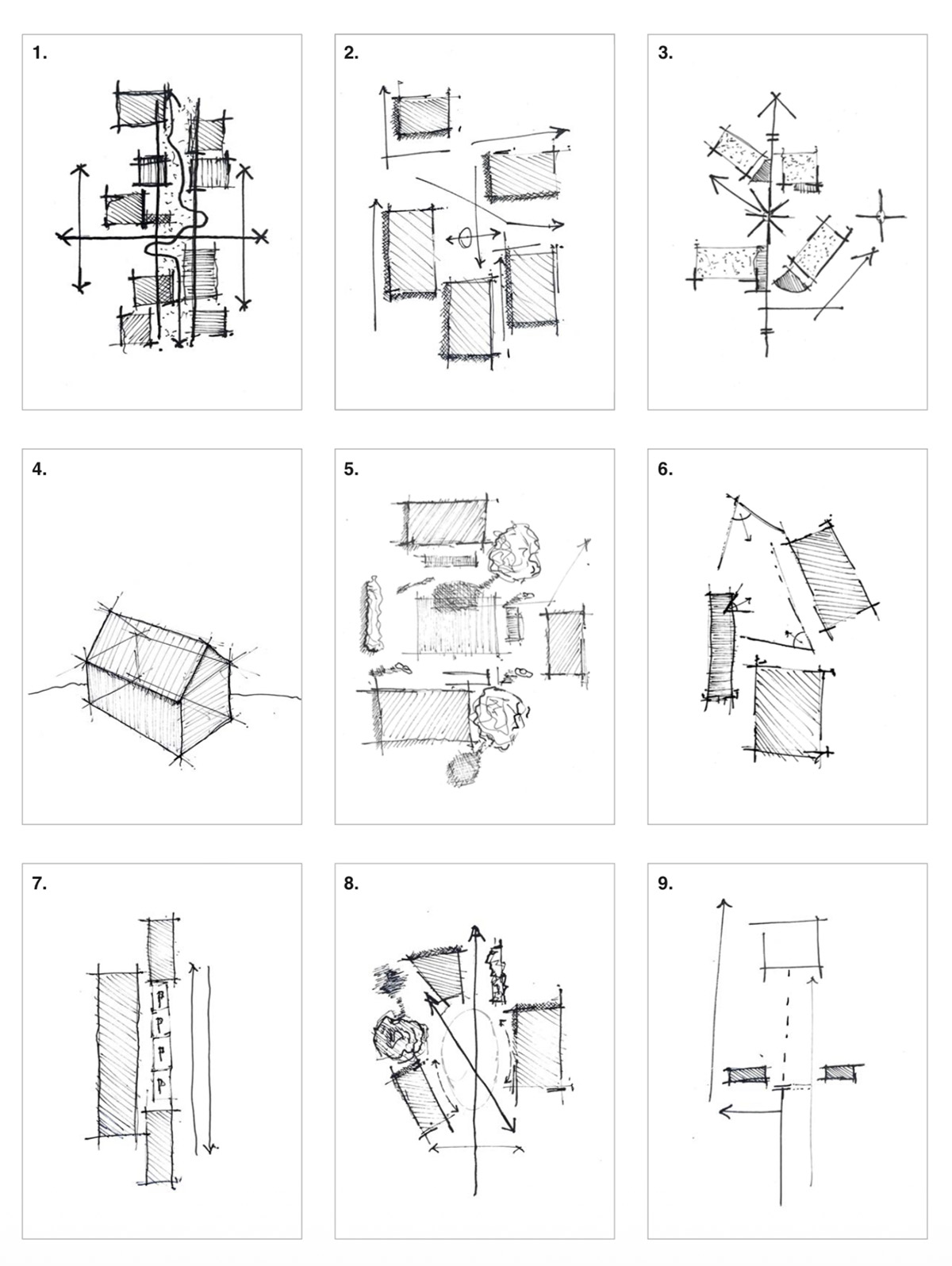
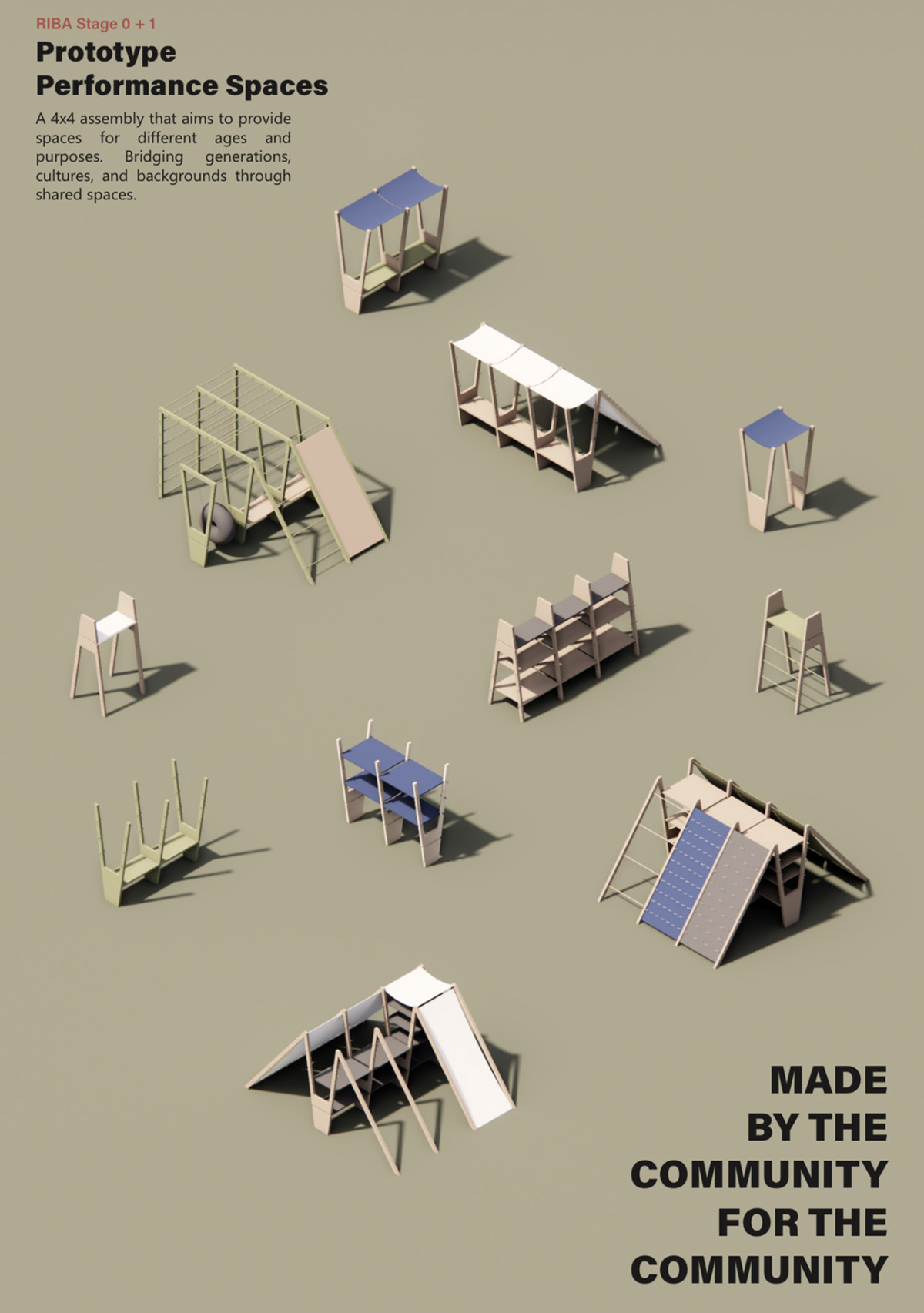
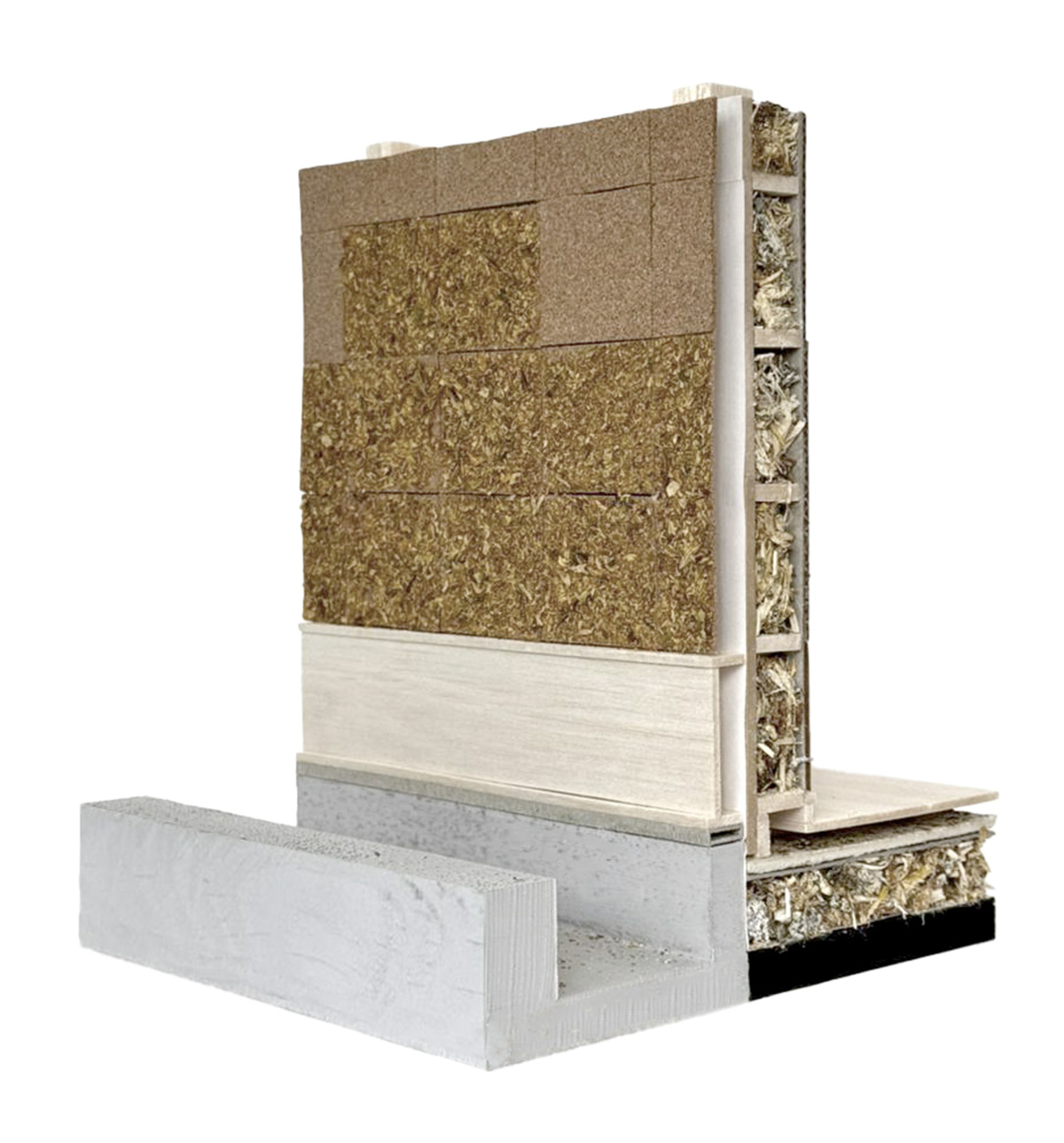
The studio emphasised collective learning, drawing on social constructivist approaches where knowledge is built through dialogue, making, and shared experimentation. Model making and prototyping were central, moving from early strategic thinking to detailed tectonic exploration.

Across the year, MArch1 students produced projects operating across scales, testing how architecture can mediate between people, place, and systems, and contribute to more equitable and resilient forms of everyday life.

Architect in Studio: Resolution (AiSR)

Architect in Studio: Resolution (AiSR)

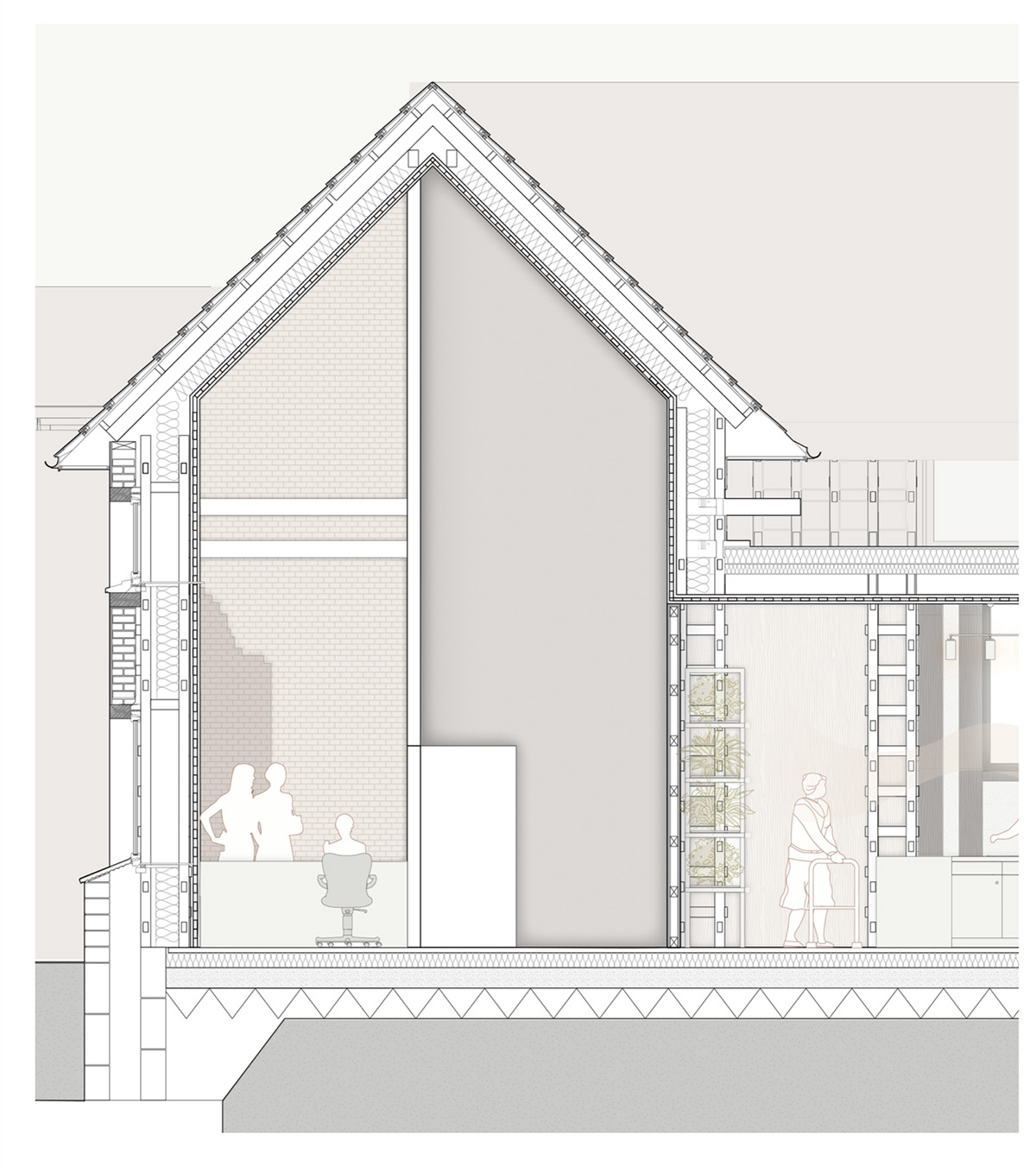
AISR moved from strategy into resolution through a dialectical process grounded in Critical Realism. The studio began by interrogating 'the common' — engaging directly with standard construction practices, regulatory frameworks, and material norms. Through the Red Pen phase, students critically dismantled their own Stage 4 outputs, exposing inefficiencies, assumptions, and embedded social, economic, and environmental consequences.

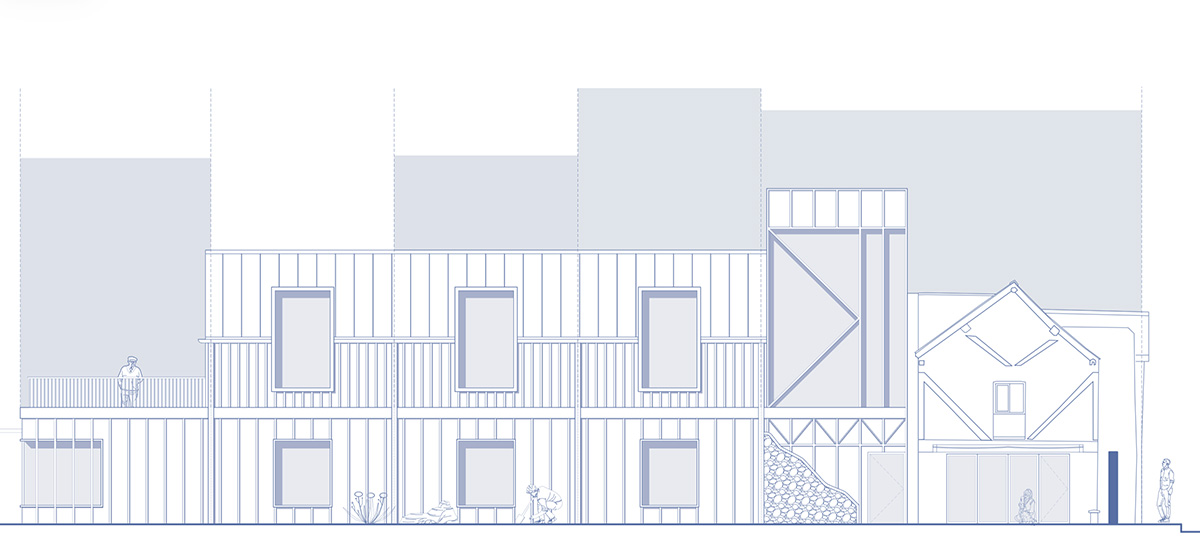
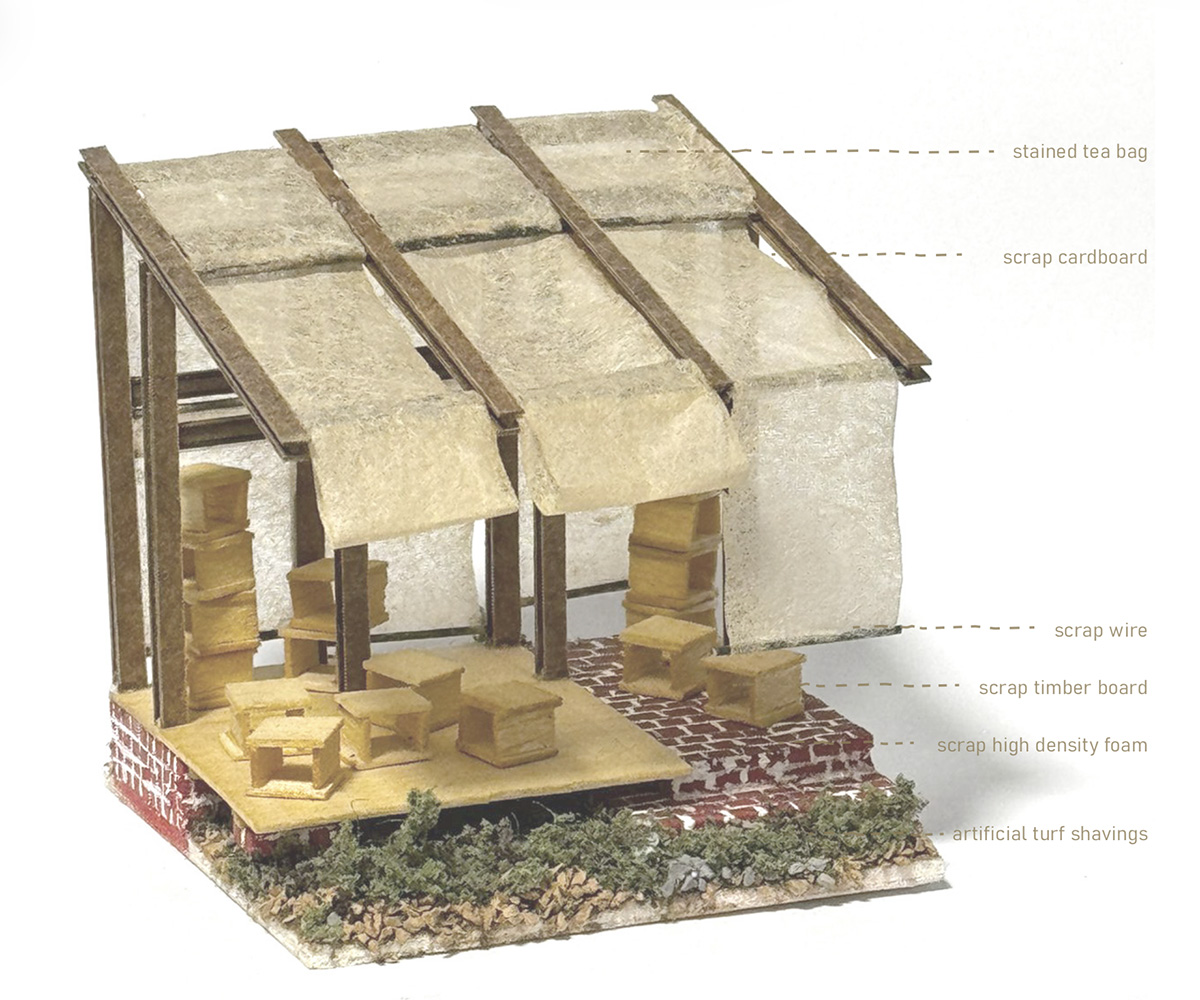
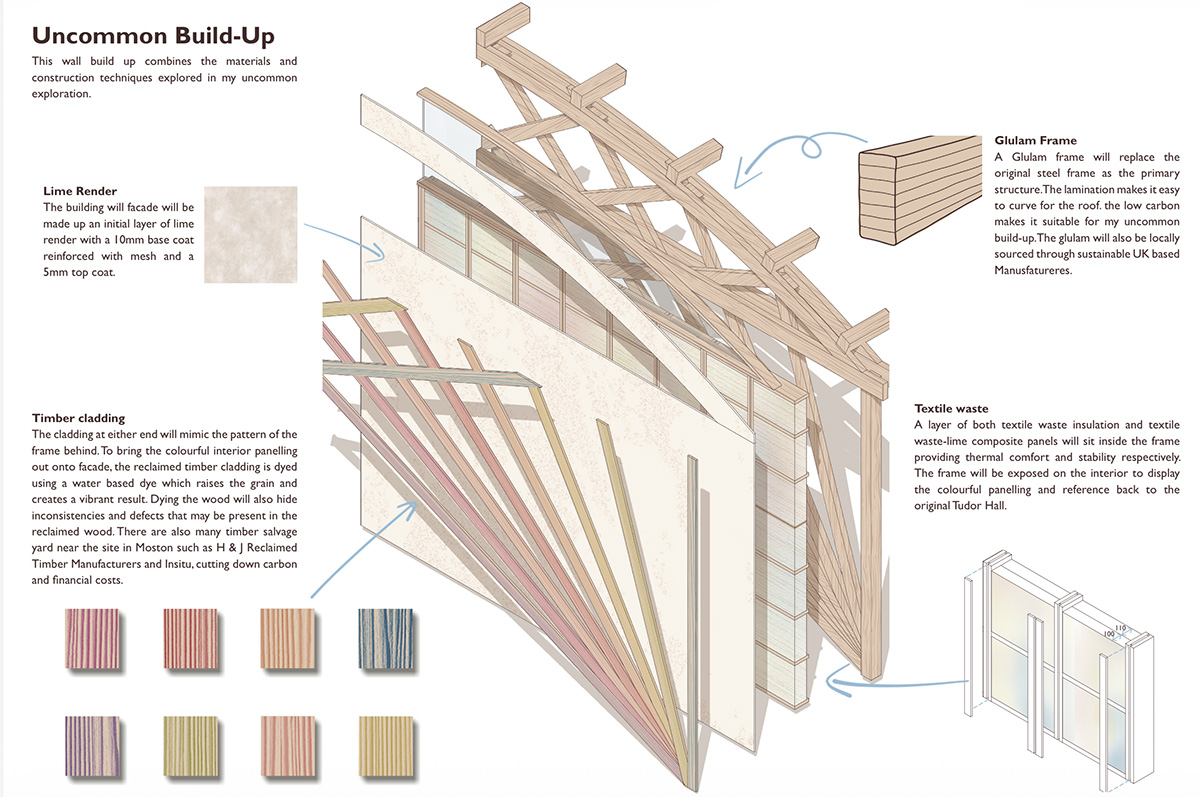
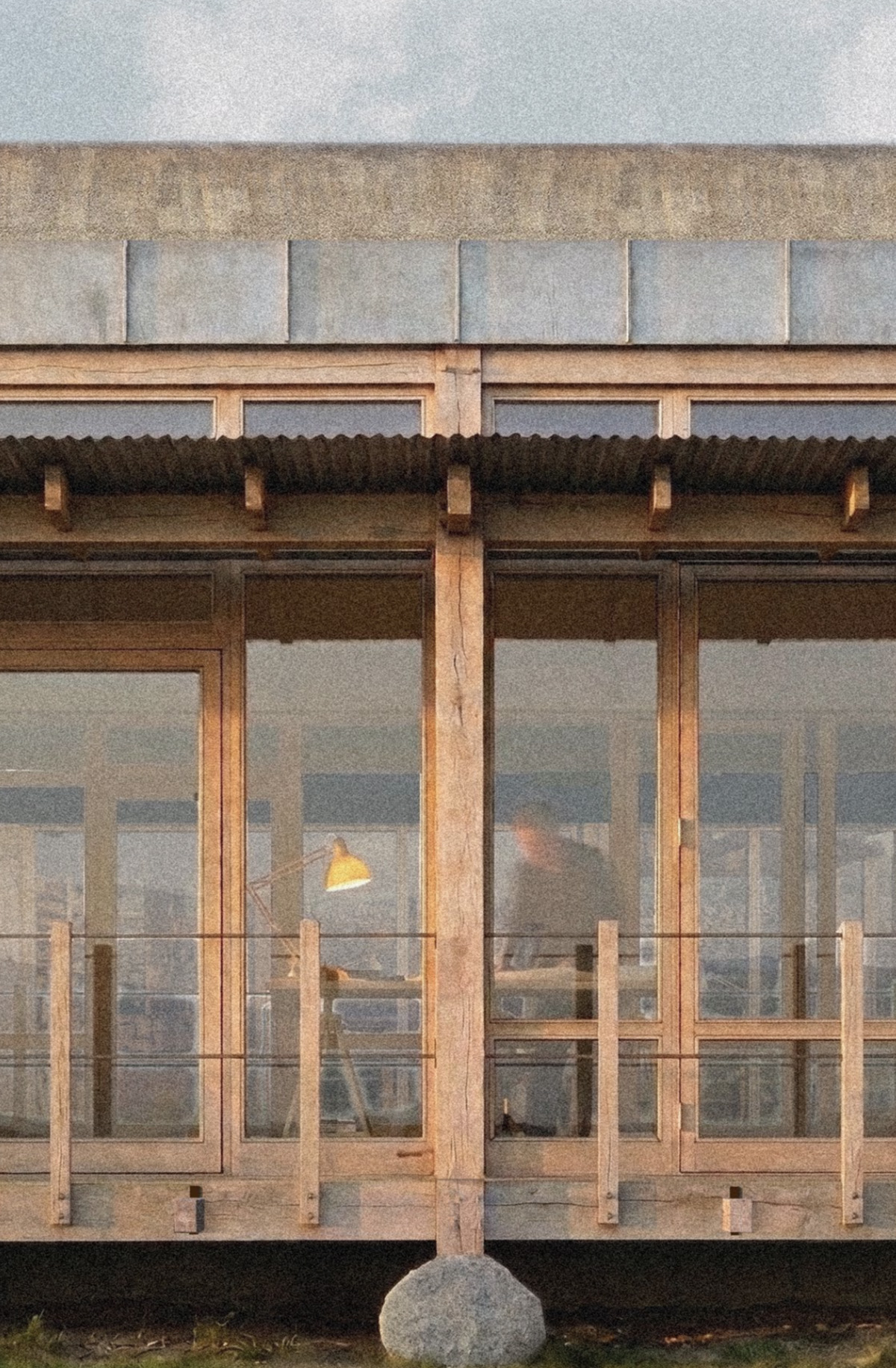
This critique acted as a hinge rather than an endpoint. From here, students developed Un-Common propositions — speculative yet grounded alternatives that challenge conventional materials, assemblies, and construction logics. Working across multiple levels of reality, proposals remained rooted in the constraints of Hough Hall while exploring new possibilities shaped by different values, technologies, and forms of making.

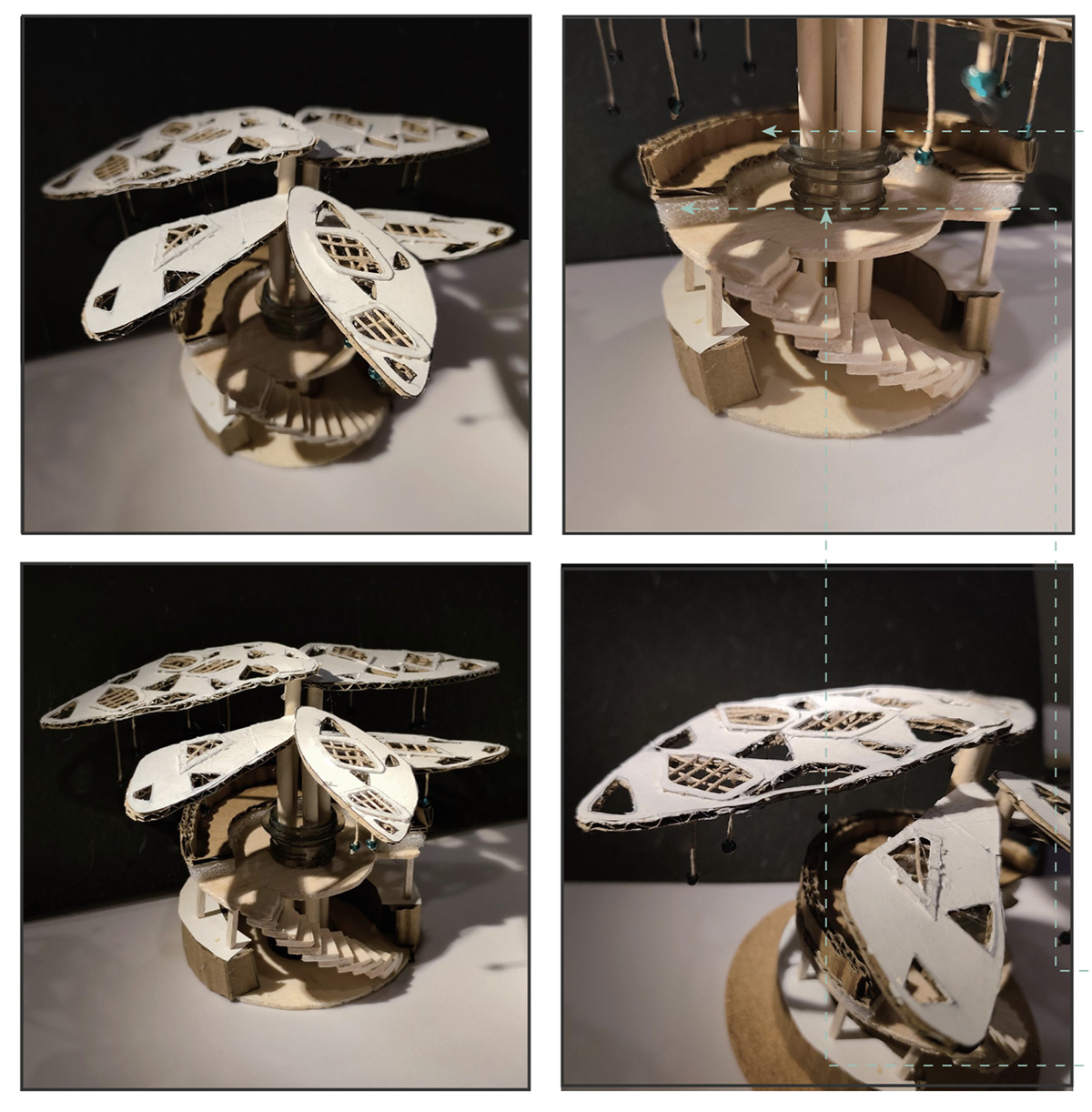
Material experimentation and model making were central, enabling students to test ideas through fabrication, performance, and tectonic exploration. This process emphasised architecture not as abstract speculation, but as an applied and accountable practice.

Through this transition from critique to proposition, students developed resolved architectural responses that balance imagination with responsibility. The work demonstrates how architectural resolution can act as a form of care — engaging with real conditions while proposing more ethical, sustainable, and equitable futures.

Students

MArch2

Nurul Atifah Binti Abd Jalil, Nur Hazirah Binti Abdul Samad, Clara Evangeline Dorathy Amritharaj Rowland Devanand, Farah Kamilia Binti Norazman, Dulcie Burchill, Tsz Kiu Jackie Cheung, Charlotte Clegg, Meng Feng, Megan Hague, Irdina Husna Binti Kamarularifin, Talha Kassim, Ellesse Lally, Taras Mandziuk, Nur Iman Sofiah Nur Aziz, Shanon Krist Antony Pinto, James Prideaux, Yufei Song, Hoi Ting Chloe Tam, Dominika Wochowska, Elliot Yerena Castro