

Our MLA1 students engaged in a variety of dynamic learning environments to deeply explore the field of landscape architecture, examining the relationship between theory and practice while gaining an understanding of the discipline's global context.

Through experiences landscapes across Manchester and beyond, complemented by precedent studies from global contexts, students engaged with the complexities of landscape systems, addressing their social, environmental, ecological, technical, and theoretical dimensions.

The MLA Studio+ unit, designed to support the studio, enabled students to develop both digital and analogue skills to underpin their creative work. Additionally, the technology and planting studios featured live site visits, including the recently constructed John Dalton West Landscape Court, the Mayfield Park, the All-Saints Park Public Realm and the Glade of Light Memorial Project, expanding our students' knowledge of material, planting, and specification.

Engagement with alternative perspectives on landscape architectural history and the potential for sustainable urban futures enriched the theoretical discourse, encouraging students to develop a critical and reflective approach. This empowered them to create connections between theory and placemaking, testing complex and meaningful propositions in the studio.

The year culminated in an MSA Live project of each student’s choice, empowering them to collaborate with real communities and contribute to meaningful change. Other highlights included a visit to Grey to Green Project, Sheffield City Centre and a guided tour of the Green Estates Horticultural Facility guided by the Pictorial Meadows Team, offering valuable insights into public realm transformation.

Studio

Landscape Atelier 1a

Landscape Atelier 1a: Connect!

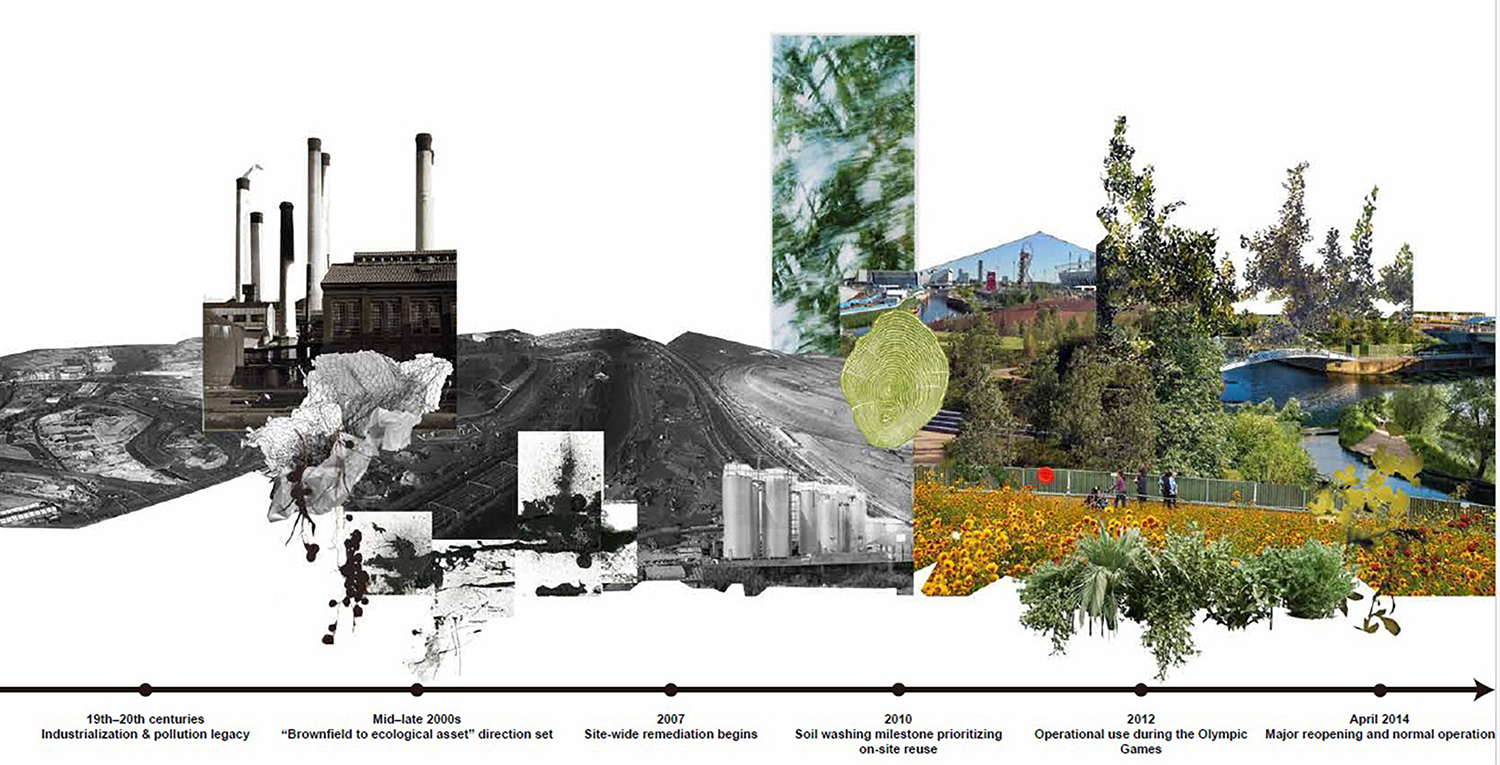
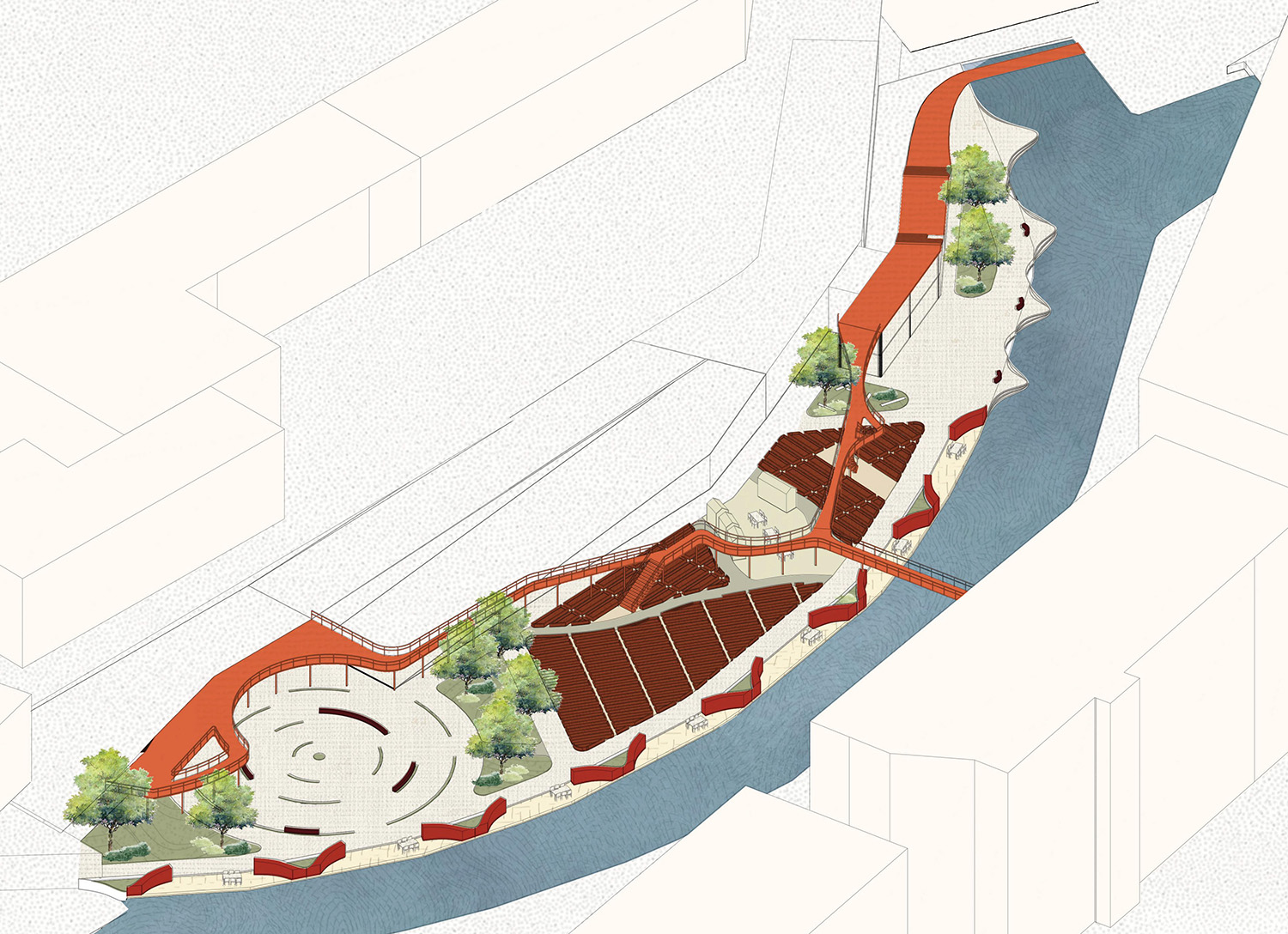
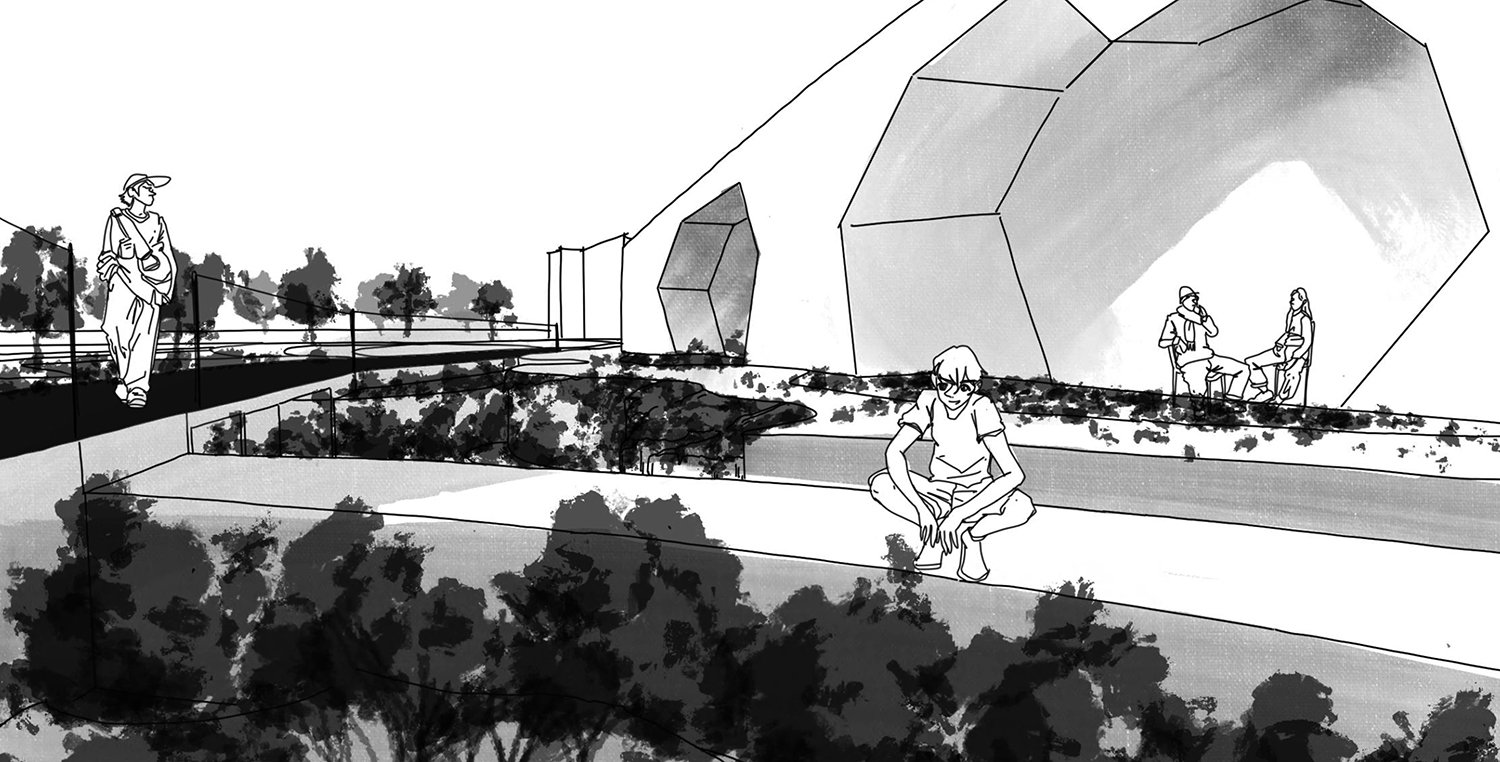
The first studio brief of MLA1 acts as the vehicle for a collaborative investigation into the idea of landscape and foments an exploratory approach to the conceptualisation and design of urban space. The module brief, entitled Connect, comprised two distinct projects, focused on contrasting sites within the Castlefield area of Manchester. Students moved through scales, from the small and intimate, to the larger and more exposed, adopting the archetypes of ‘the garden’ and ‘the park’ to frame their design responses to these complex urban locations.

The core idea of ‘Connection’ encouraged students to investigate relationships between humans and nature, between different communities or user groups, and between site and context, as they explored multiple ideas for the reimagining of these places. Engaging with subjective and sensory experience, as well as documenting the objective and tangible, the brief challenged them to experiment with diverse media, design tactics and conceptual frameworks in generating and exploring ideas. Working in groups, they developed ephemeral installations before progressing to individual designs, developed through modelling, drawing and visualisation.

Throughout both projects, MLA Studio+, led by Sandeep Menon, provided invaluable guidance in developing innovative communication strategies to convey research, design evolution, and final outputs. Employing a wide range of techniques and media, students demonstrated creativity and ingenuity, qualities clearly reflected in the accompanying student work.
Landscape Atelier 1b

Regenerative Futures: Multi-Functional Landscapes for Sustainable Living

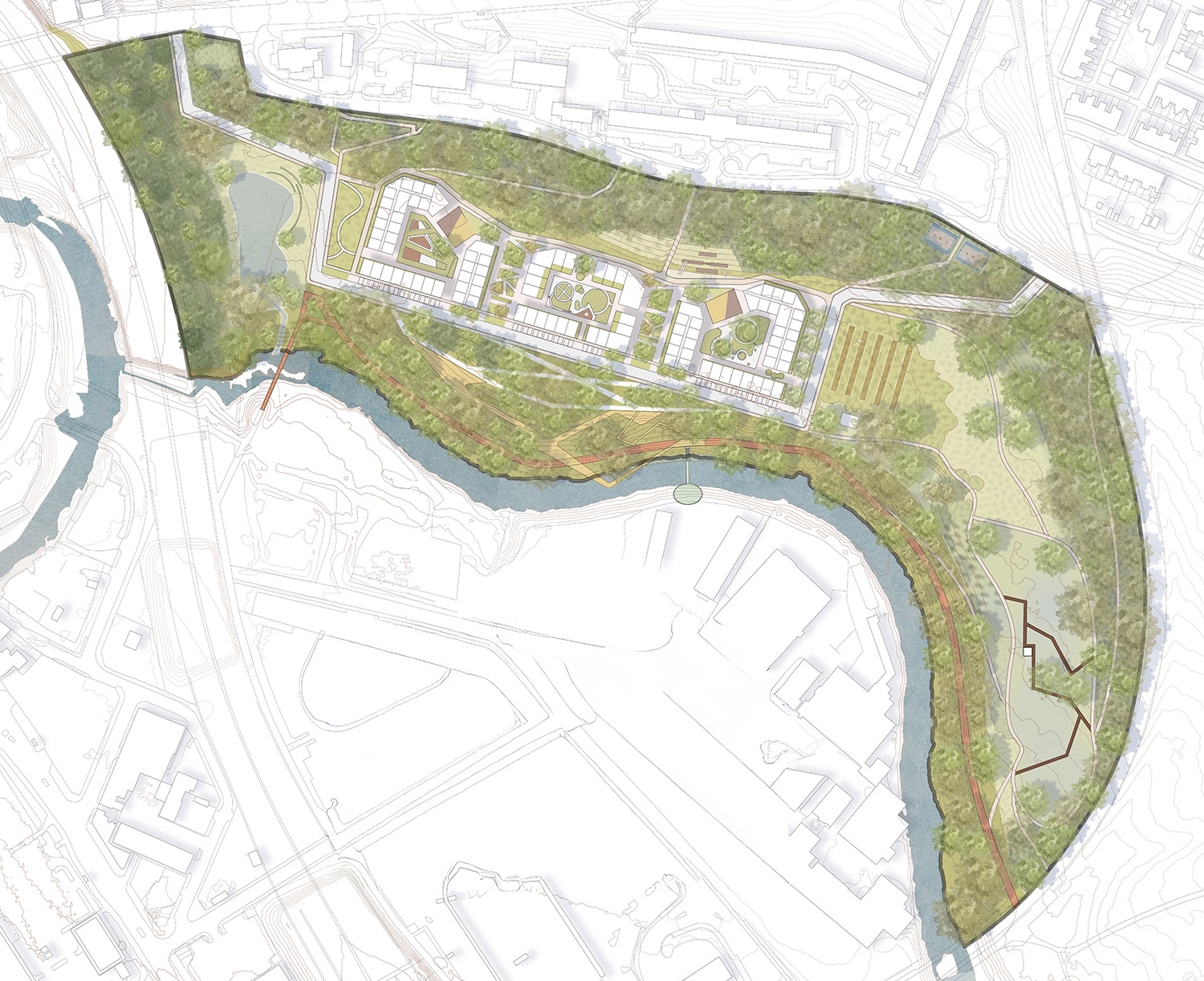
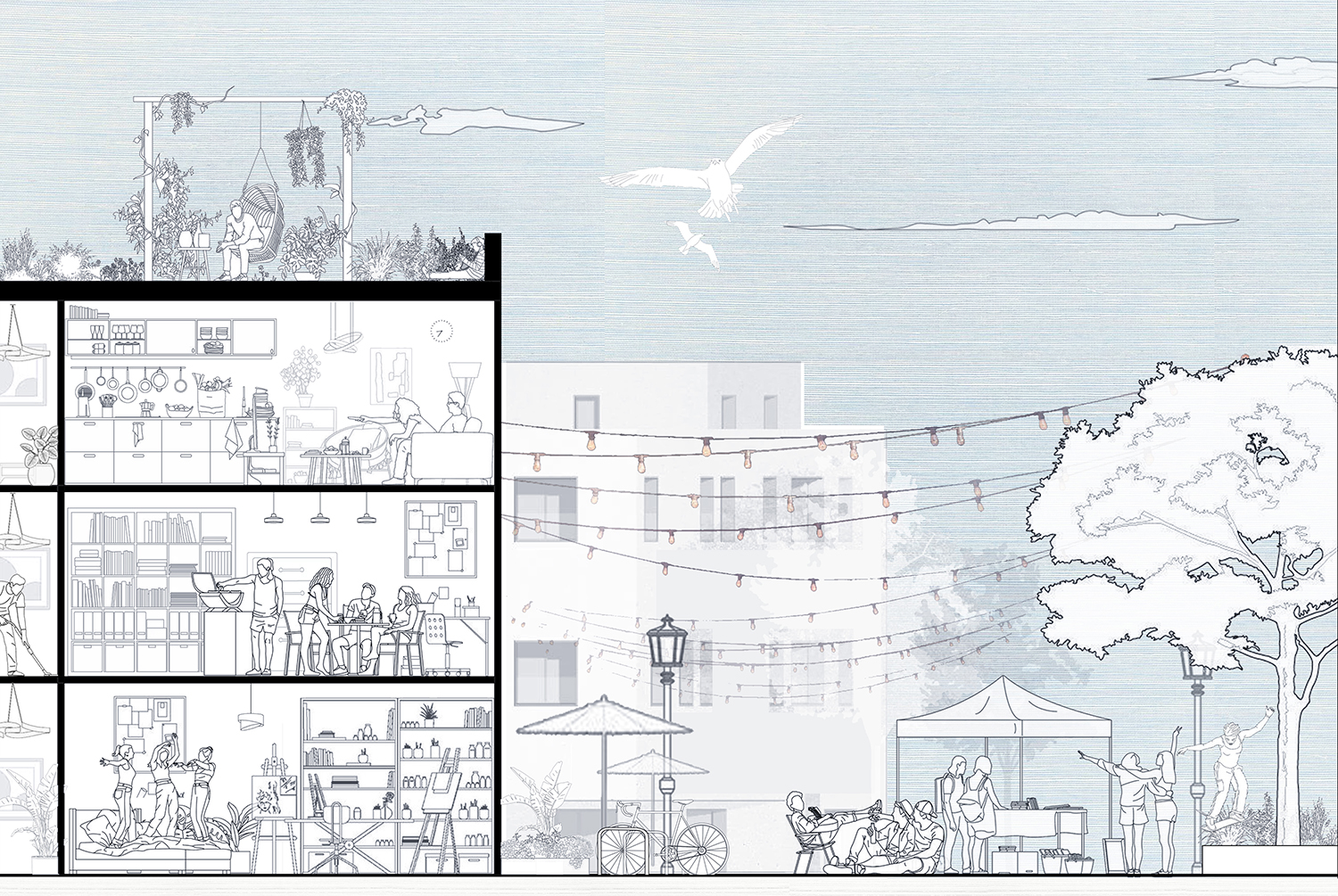
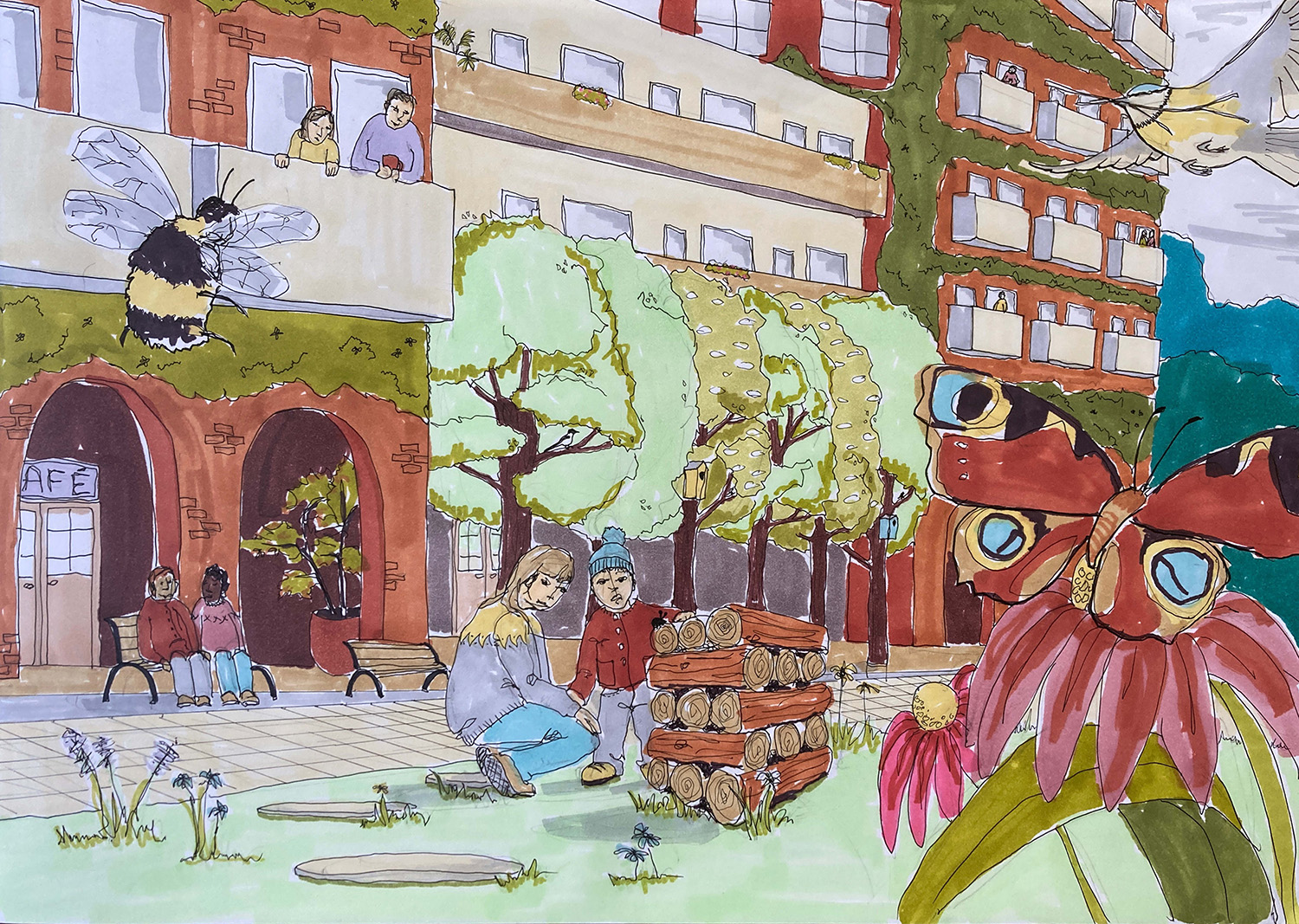
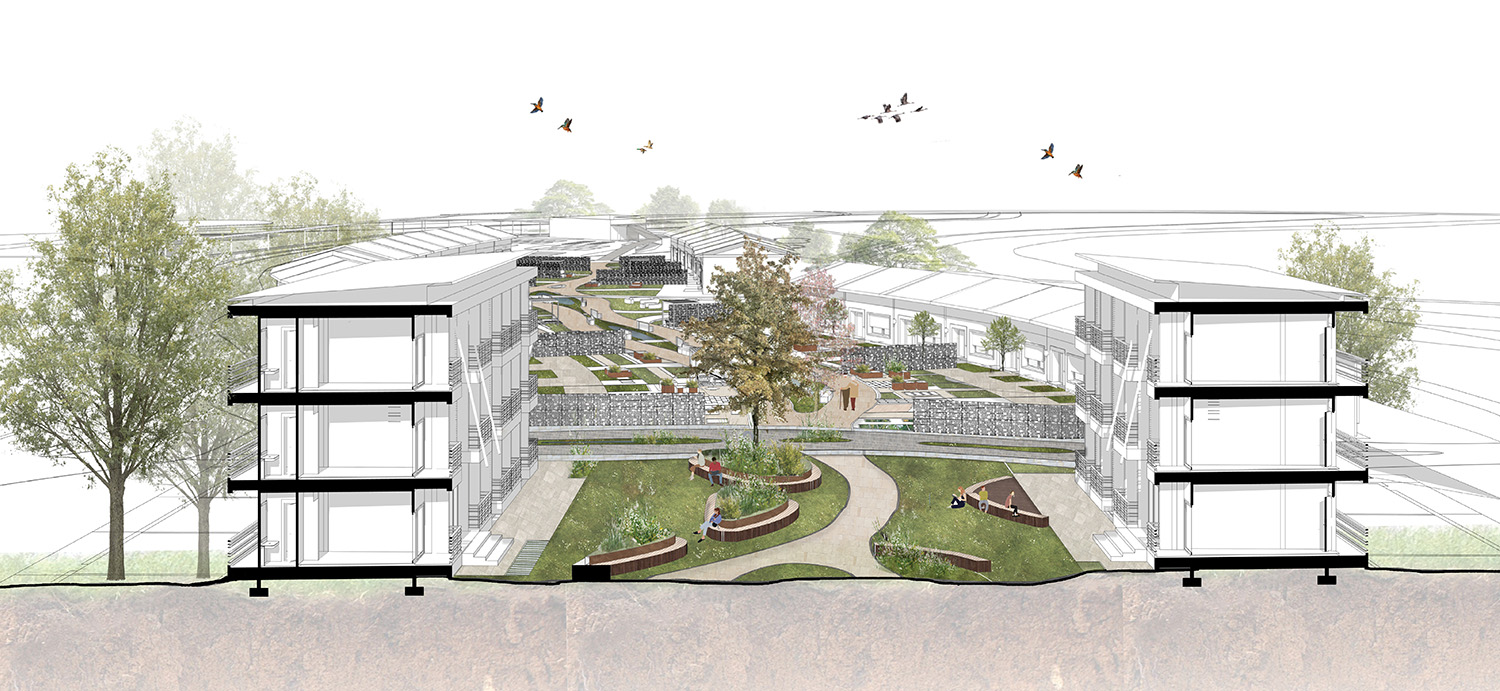
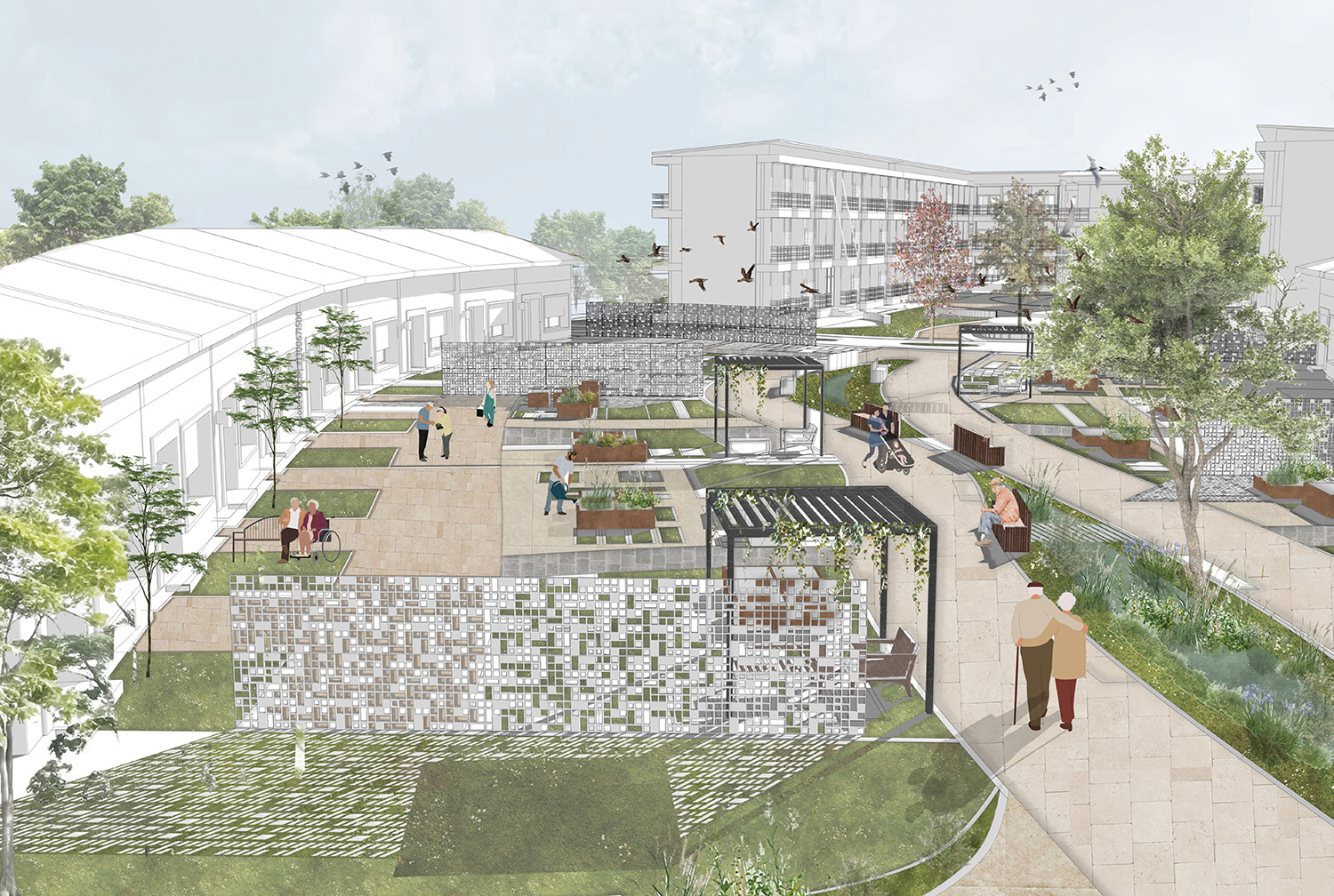
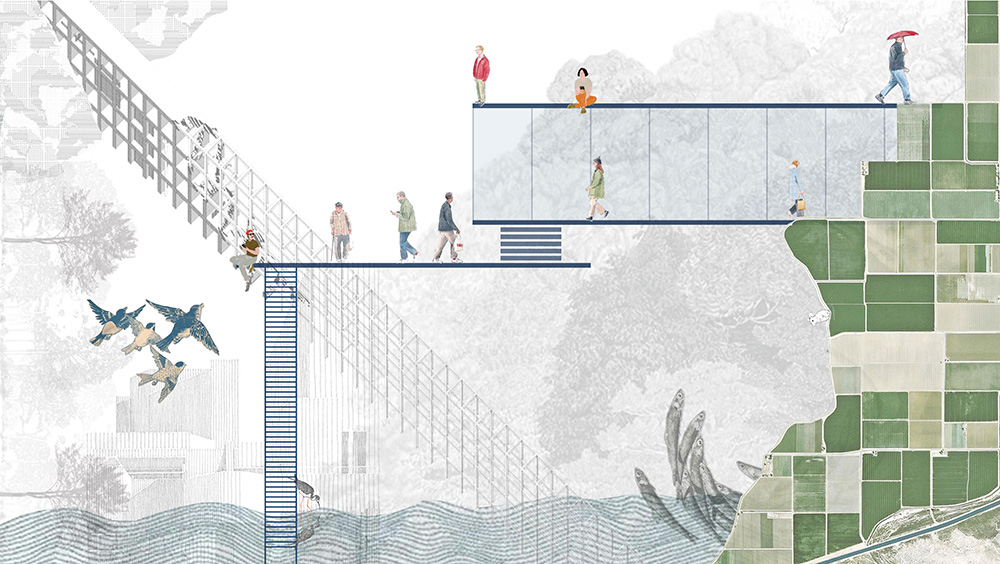
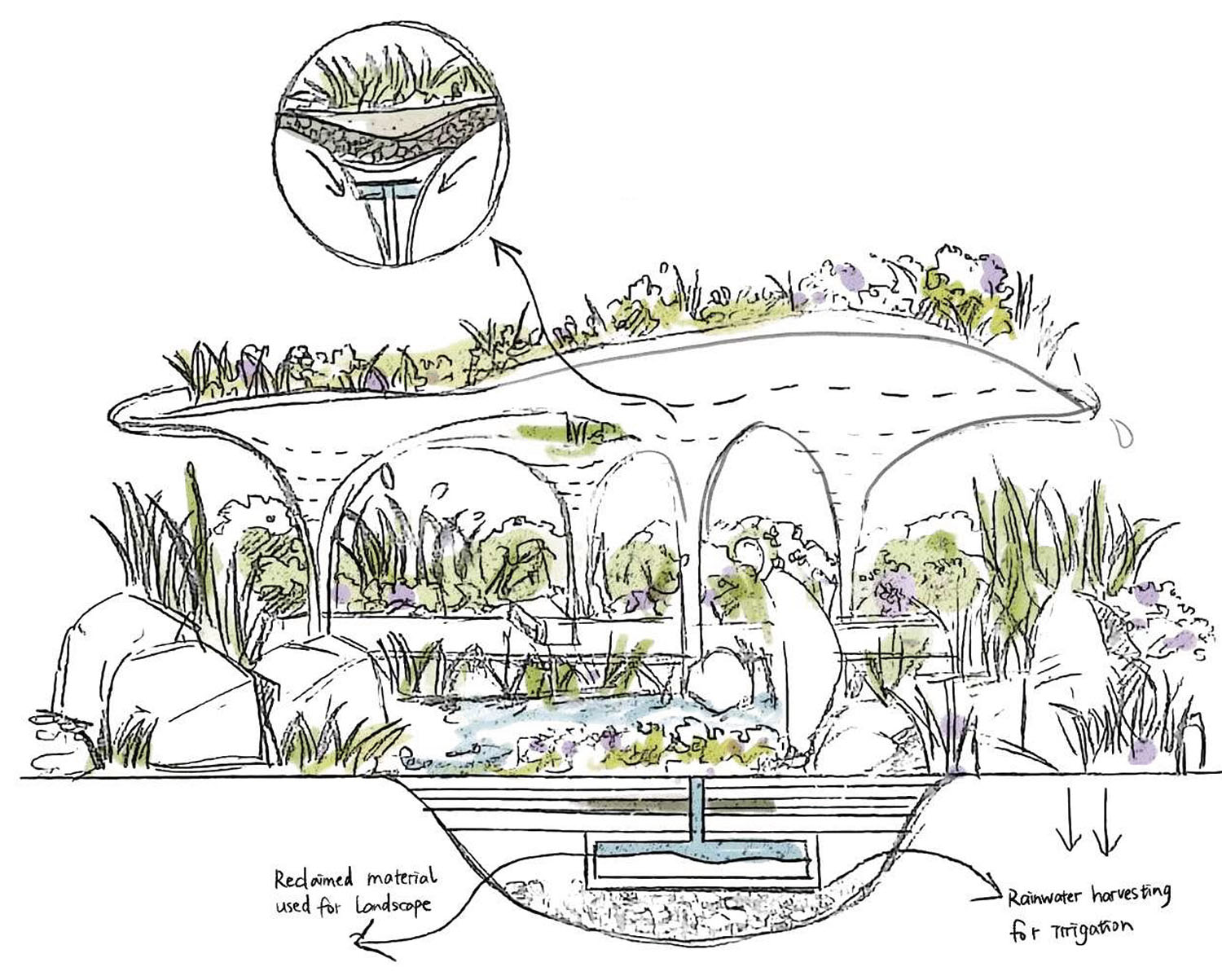
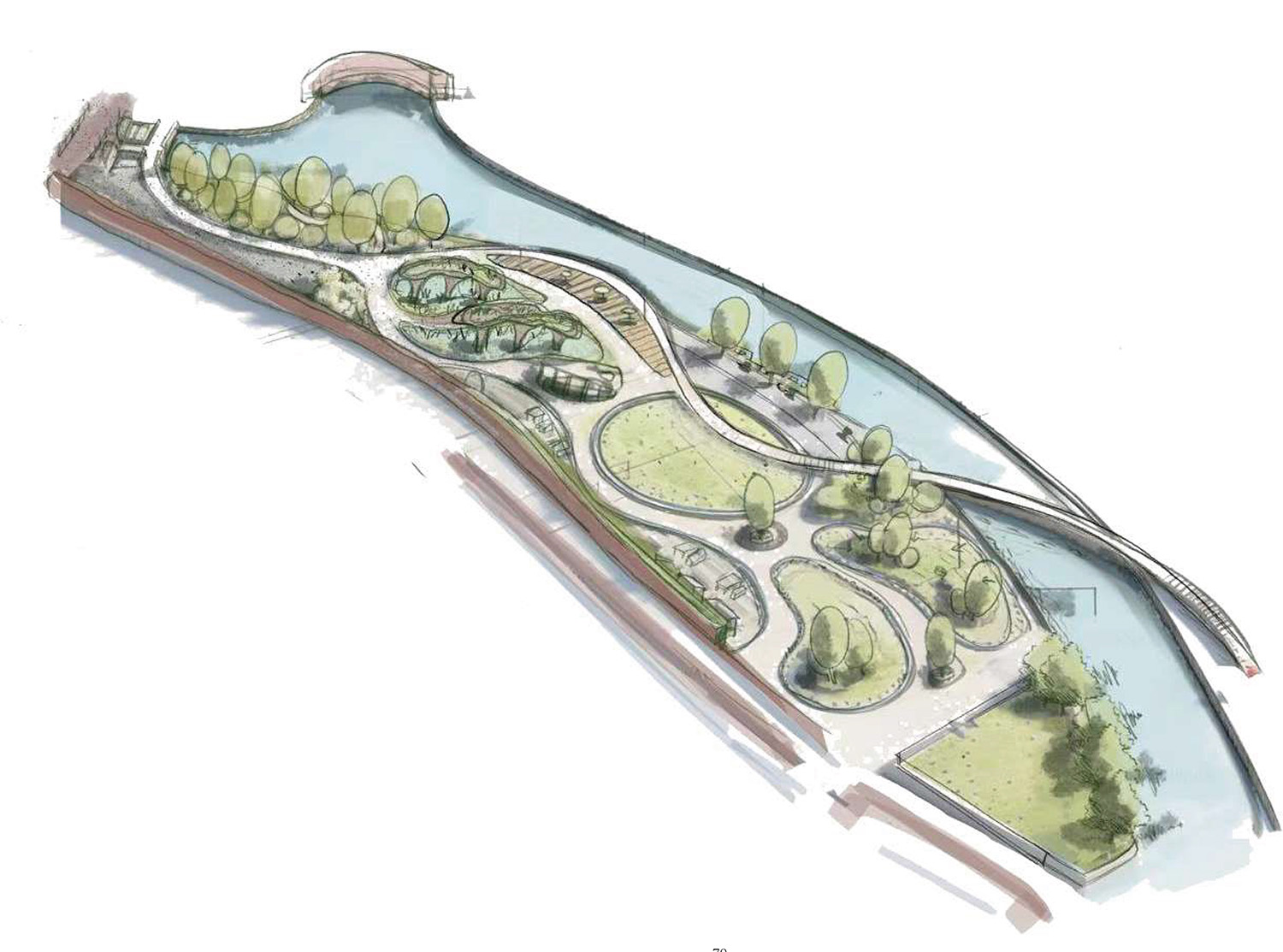
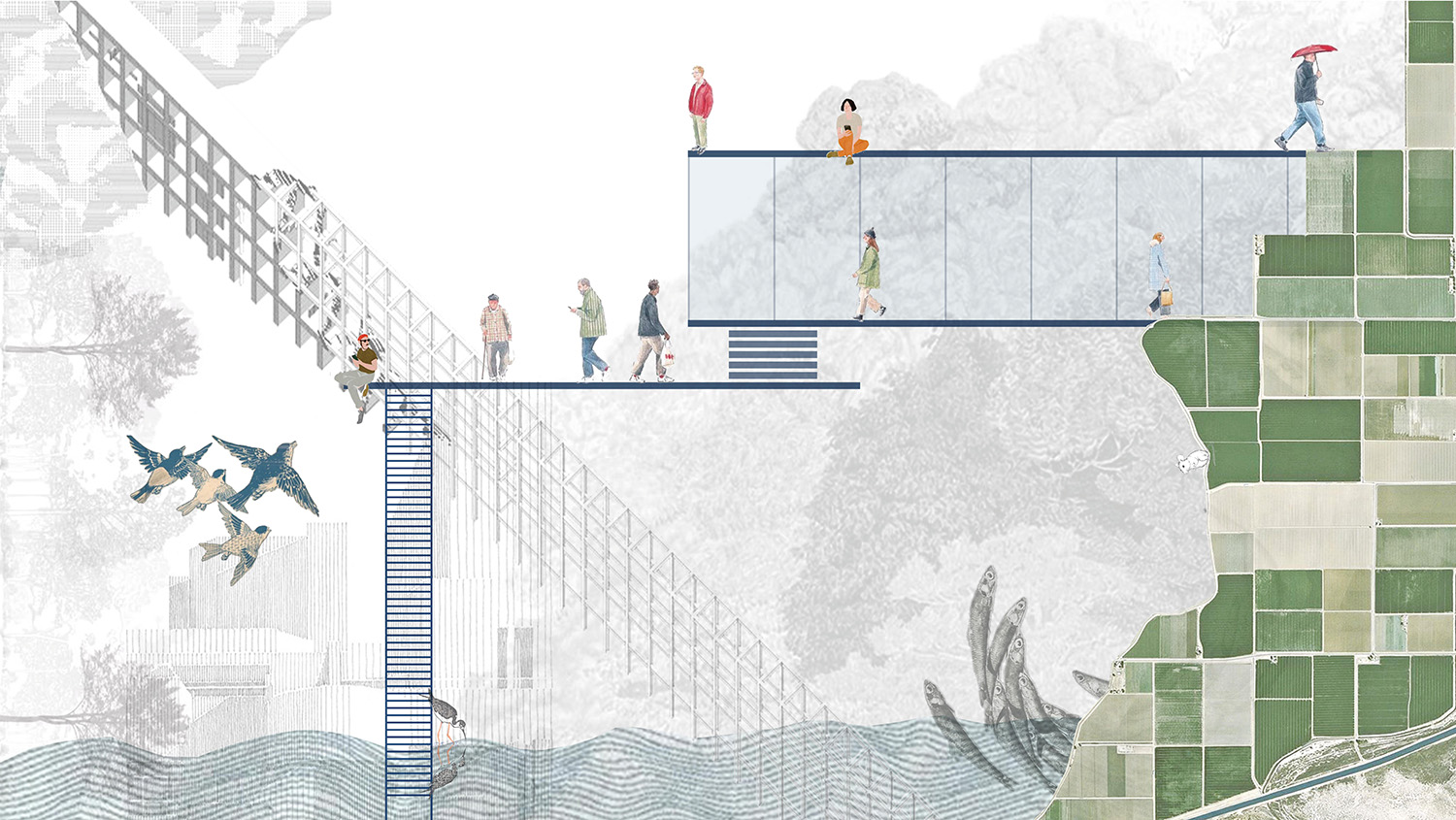
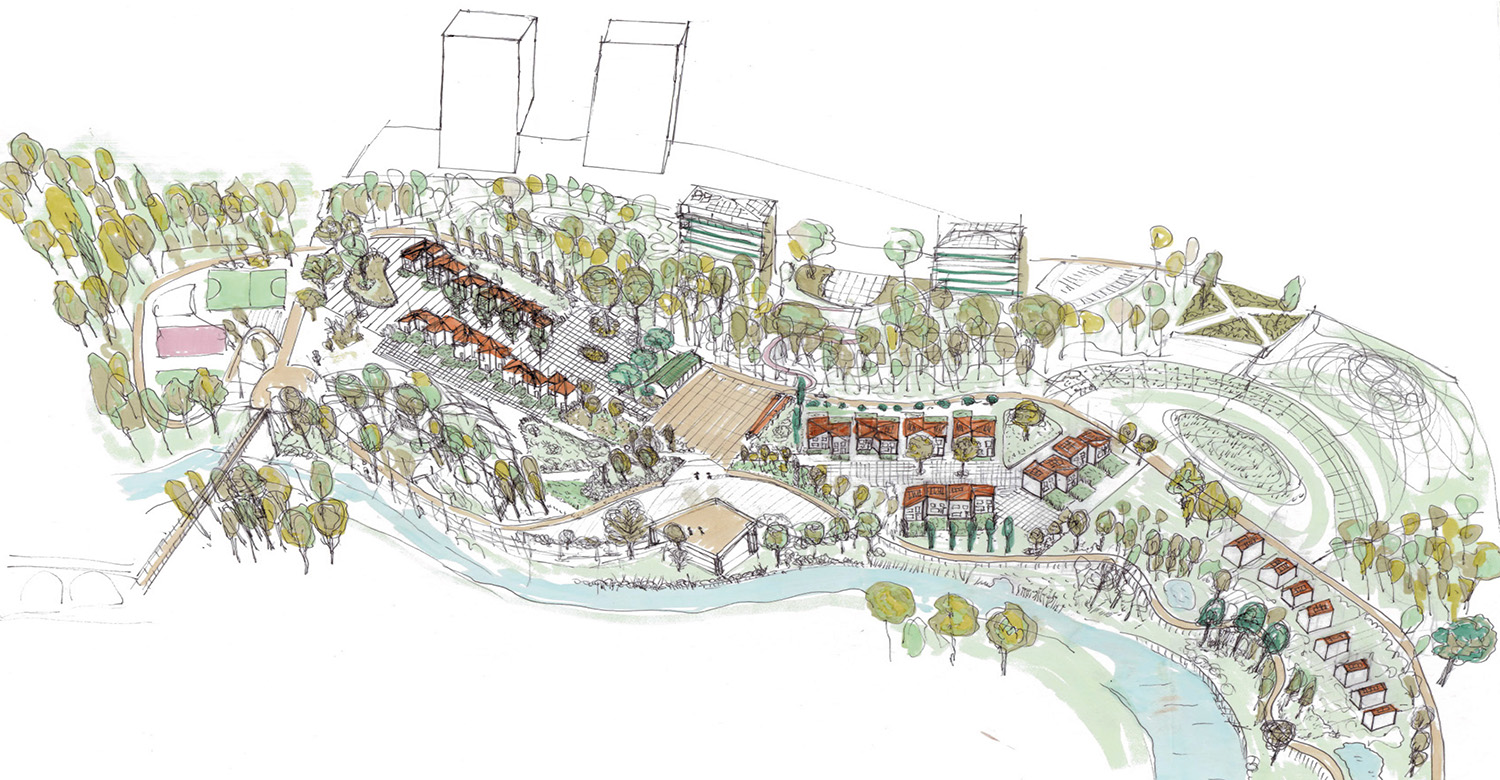
The second design studio module represents an increase in scale and complexity as well as a contrast in context, moving from the historically layered area of Castlefield in the city centre, to an undeveloped area of land alongside the River Tame in Stockport. Students are challenged to think and design across scales from 1:10,000 to 1:50. Regenerative Futures asks students to envision a multi-dimensional landscape, encompassing a mixed-use residential community embedded within a broader ecological and social framework. The goal is to enhance quality of life while addressing climate change, biodiversity loss, and the housing crisis.

Working collaboratively during the site analysis phase, students explored themes such as landscape character, inclusivity, ecology, flooding, connectivity and health, building a robust knowledge base that informed strategic design proposals. The support of the urban regeneration team from Stockport Council provided an understanding of social and policy context which helped to ground students’ work.

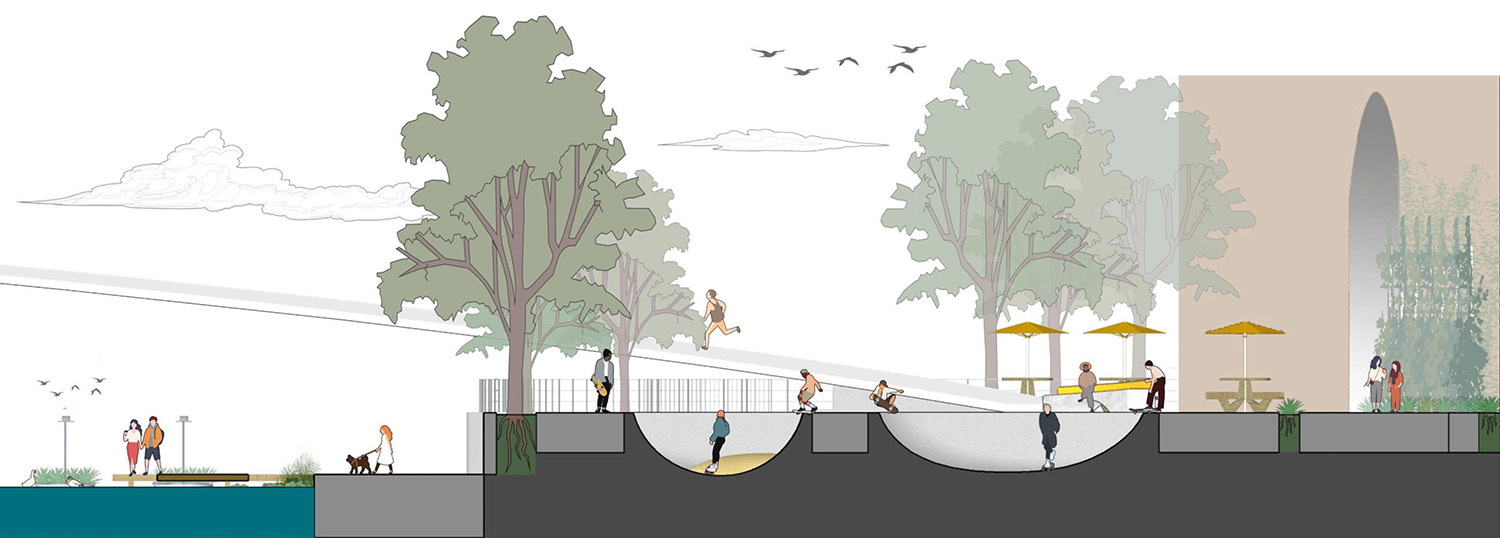
Balancing local context with global challenges, students developed complex masterplans and refined key areas to demonstrate both technical skill and a clear vision for sustainable, integrated communities. The final projects reflected individual agendas rooted in the reconciliation of social and ecological priorities.

To complete the unit, MLA students collaborated with Master of Architecture Year 1, MA Architecture and Adaptive Reuse, and BA(Hons) Architecture years 1 and 2, working together on a range of MSA Live projects. These initiatives engaged external partners to generate social impact and deliver meaningful benefits to communities across Greater Manchester.

Humanities

Landscape Studies 1a

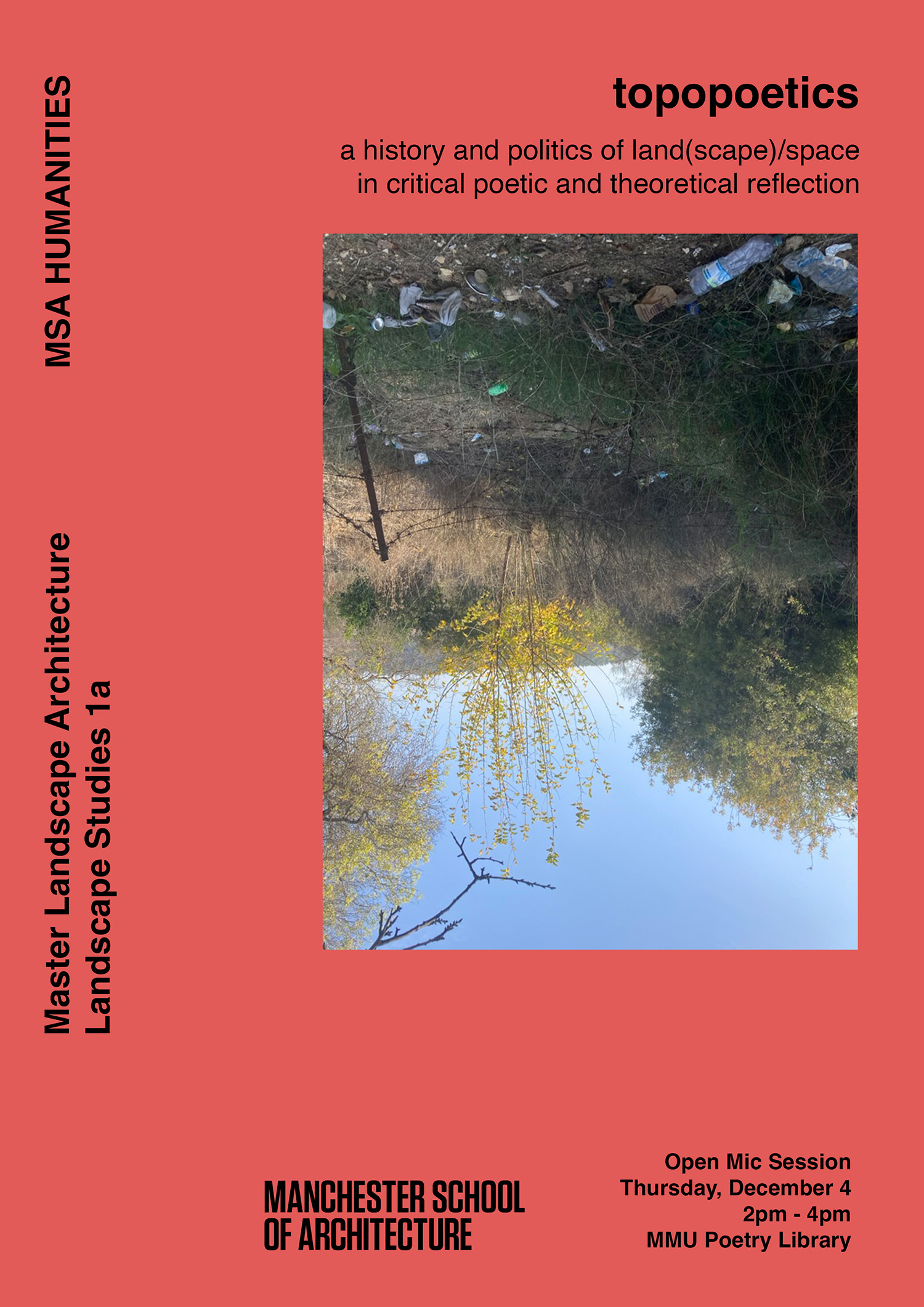
Landscape Studies 1a: “topopoetics” a critical history of (land)scape/space

This post-graduate introductory course and lecture series unsettles the relationship between ‘us’ and land (landscape) by making legible what lays outside the normative registers of the architectures as a set of ‘secular’ disciplines. Turning away from historically privileged forms of representation in the architectures, (the visual, the plan, the detail) this course instead attunes to the affective and sensory domains to foreground language (as more than words) and land as interrelated matters that undergird our political, social, and aesthetic lives and practices.

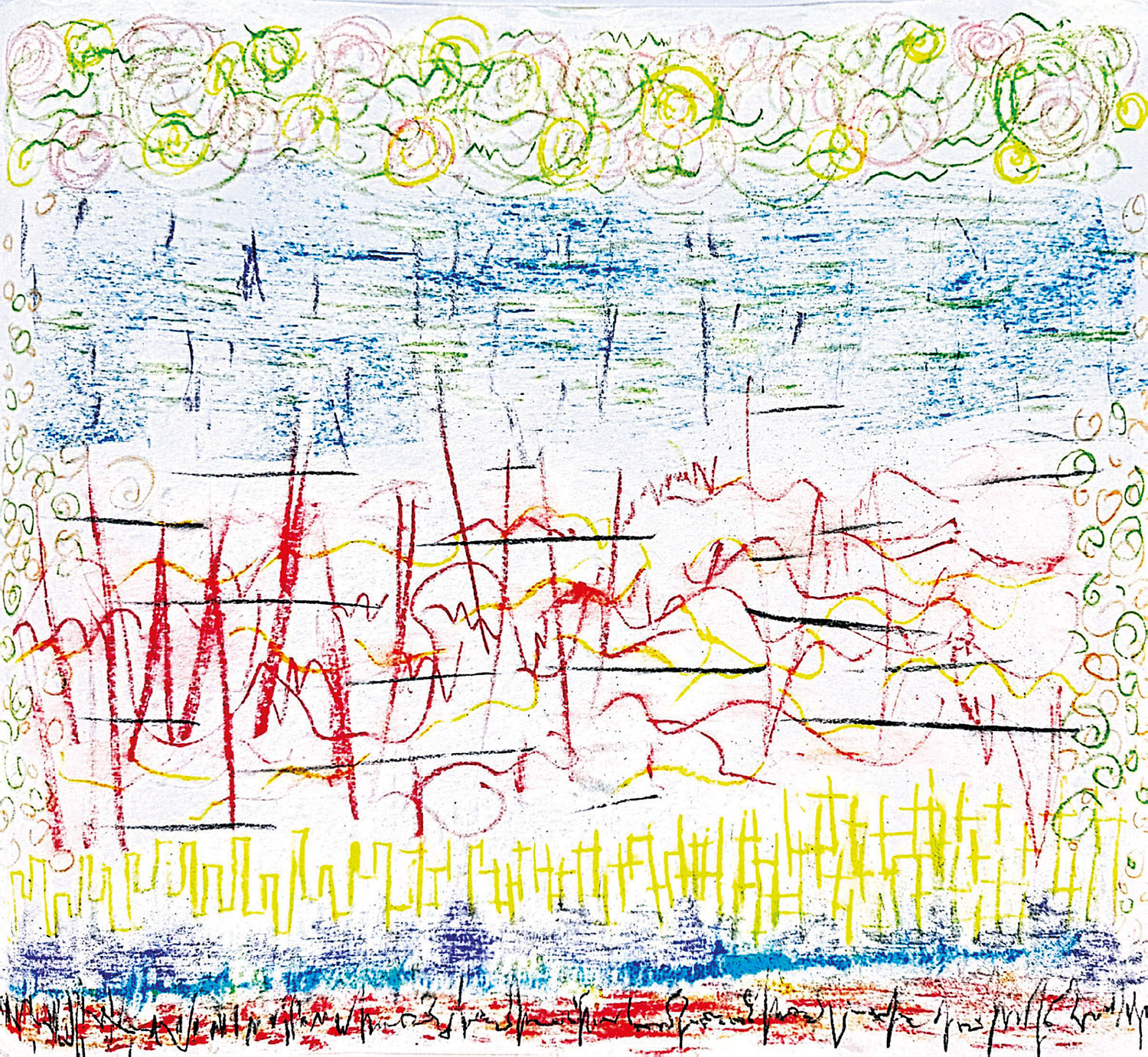
We will be turning to (and unlearning) the vocabularies and binaries which, essentially, constitute who ‘we’ are as practitioners/students/academics. We take seriously the stance that there is generative agency in transgressing the disciplinary (and other) divides and as such we first turn to a wide range of texts (in all their forms: as music, literary works, academic texts, poetry, soundscapes, and film) and will read widely from across postcolonial theory, the decolonial conversation, critical landscape studies, history, political ecology and philosophy. We will, then, set out to write a “topo-poetic” (from: topos = place) piece, in groups or individually—that is a poetic, but theoretically informed, and historicising, exploration of land relations (land-scape) by writing with/to/from the texts we read, the sites and people we encounter in conversation, and the worlds we inhabit.

Instructor: Jens Haendeler

Landscape Studies 1b

Landscape Studies 1b

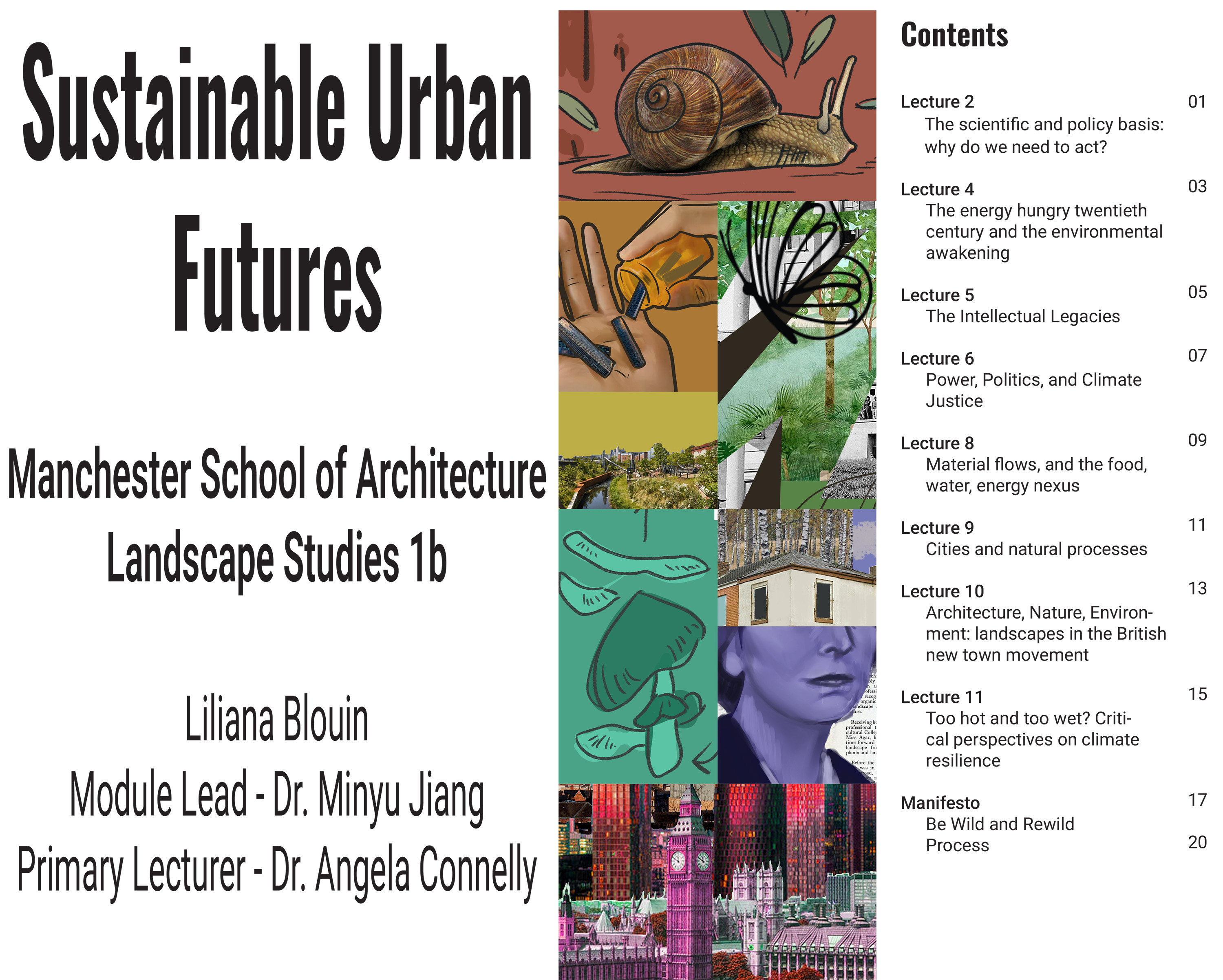
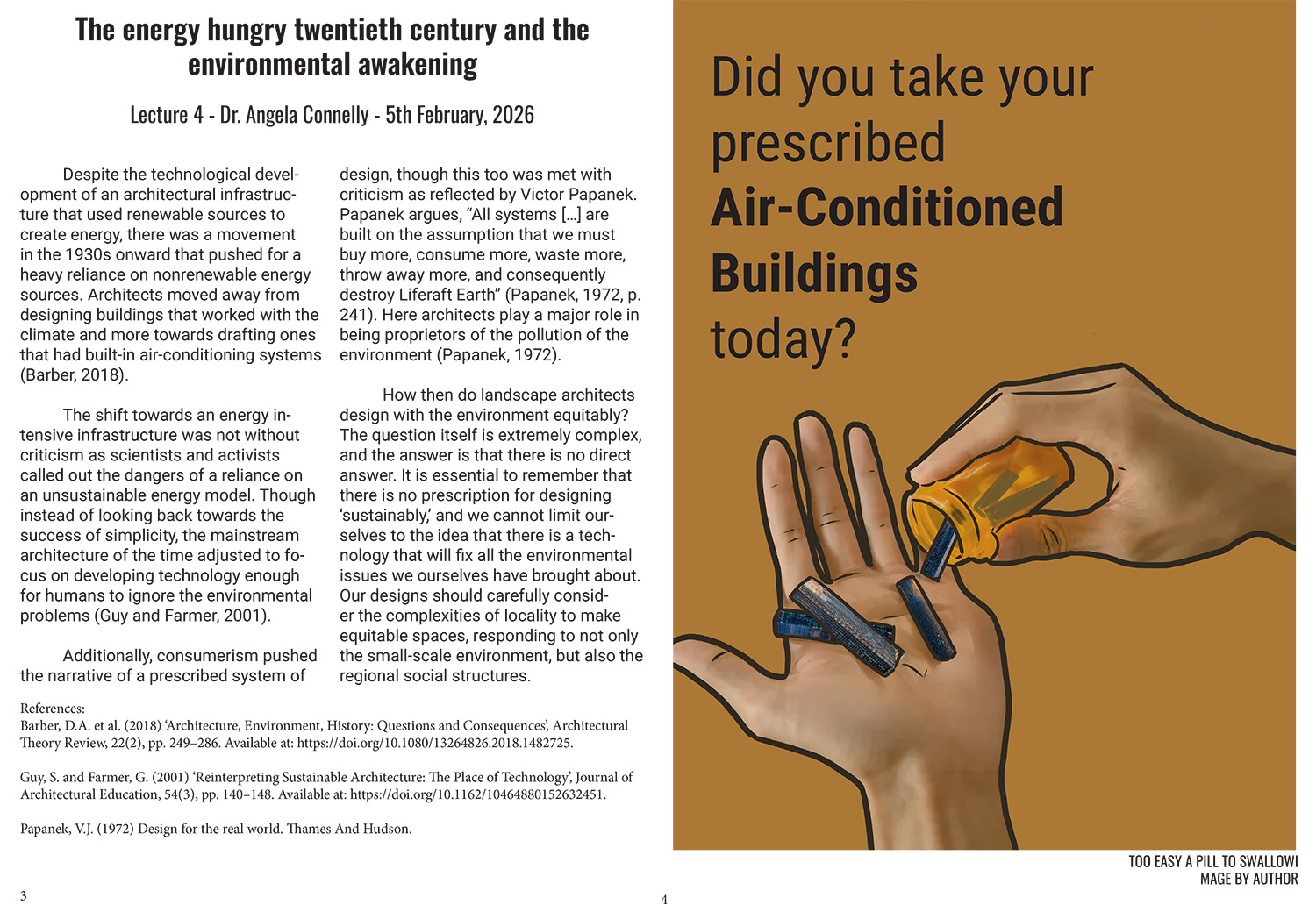
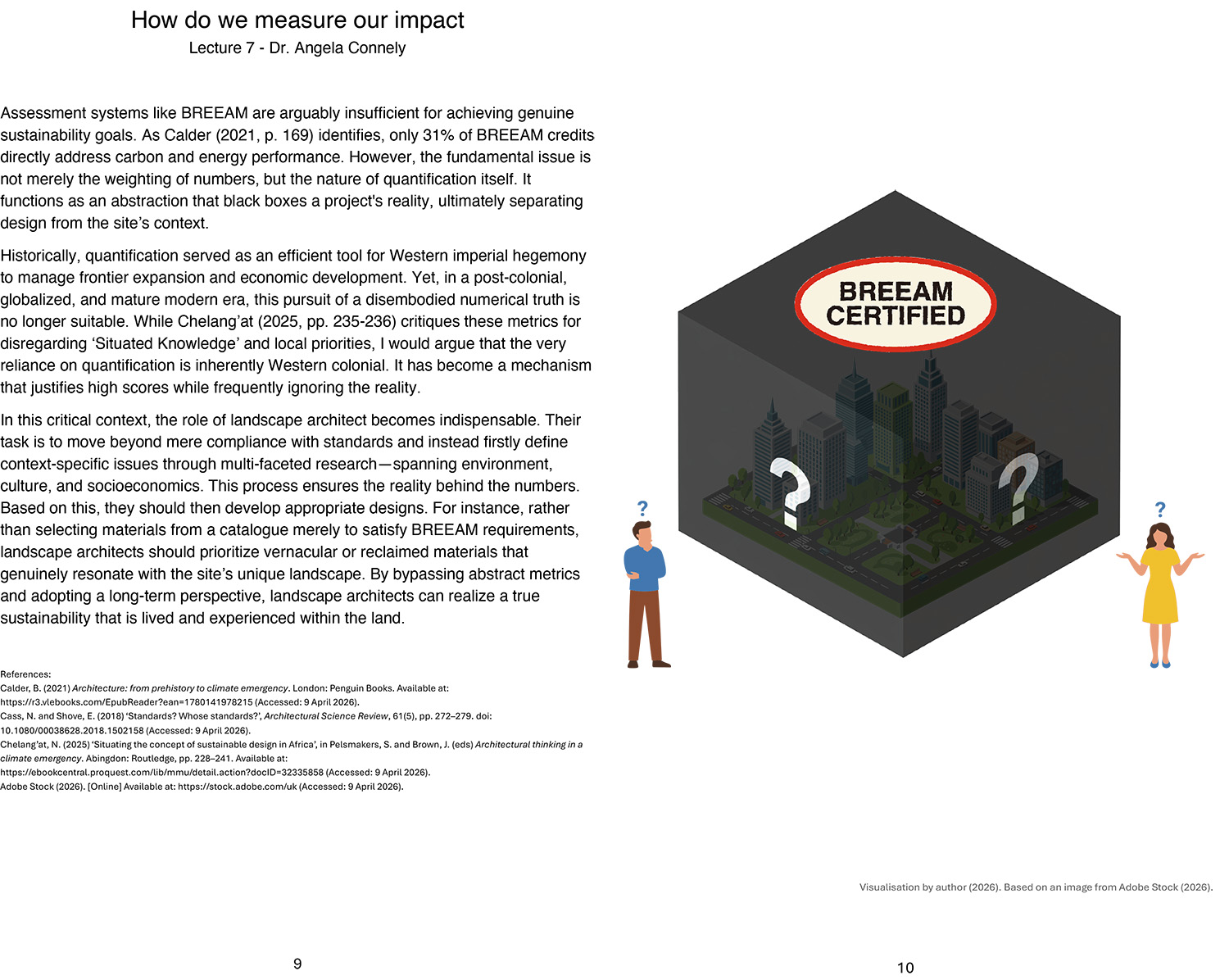
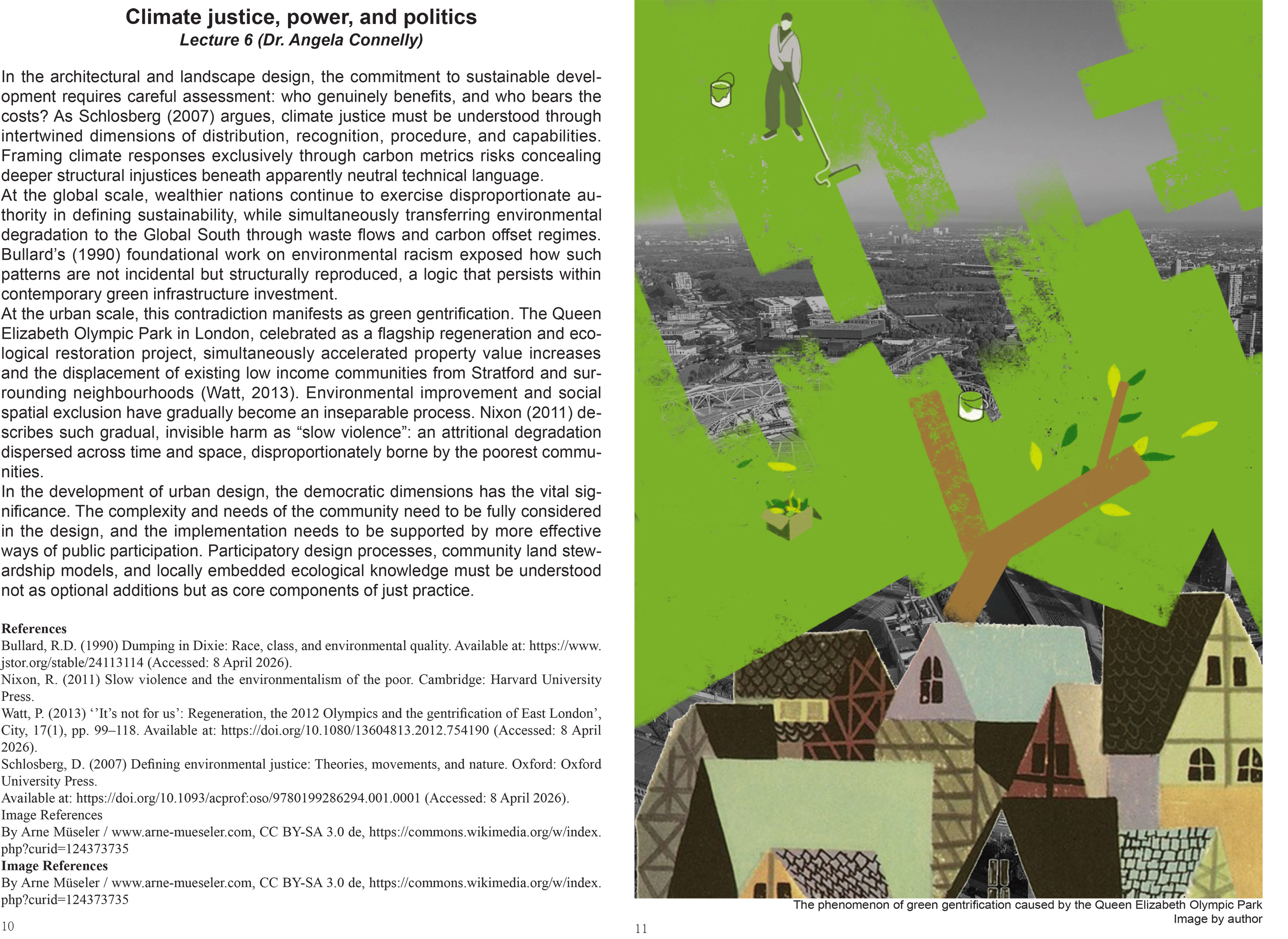
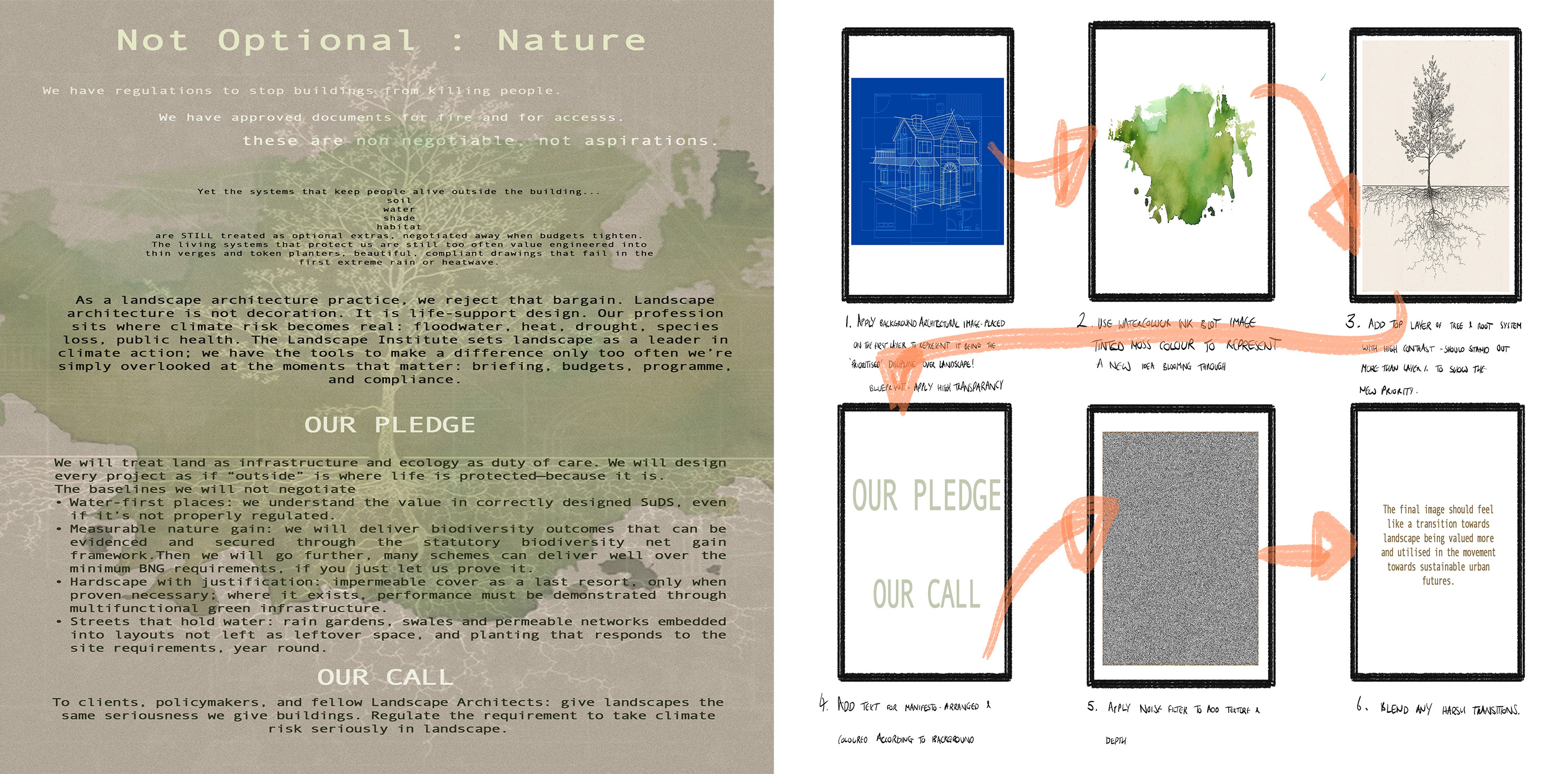
Sustainable Urban Futures is a central pillar of our broader strategy on creating climate literate landscape architecture graduates. The module encourages students to develop their critical thinking on a range of issues relating to climate breakdown and biodiversity loss. Students cover debates including the role of technological change vis-à-vis human behaviour, the interconnectedness of humans with other species, insights from indigenous knowledge, and how to advocate on behalf of the climate. We welcomed guest lecturer Professor Luca Csepely-Knorr (University of Liverpool) who discussed ‘Context, precedent, antithesis: the role of nature in architecture’. The course draws on literature from a variety of disciplines to help students understand the importance of developing a theoretically informed positions when addressing the climate emergency. Central to the course is an appreciation of the complex social, environmental, and economic contexts within which the built environment disciplines operate, and how this translates into an ethical and moral responsibility towards engaging with the climate emergency.

Technology

Landscape Studies 2a

Landscape Studies 2a (Technology)

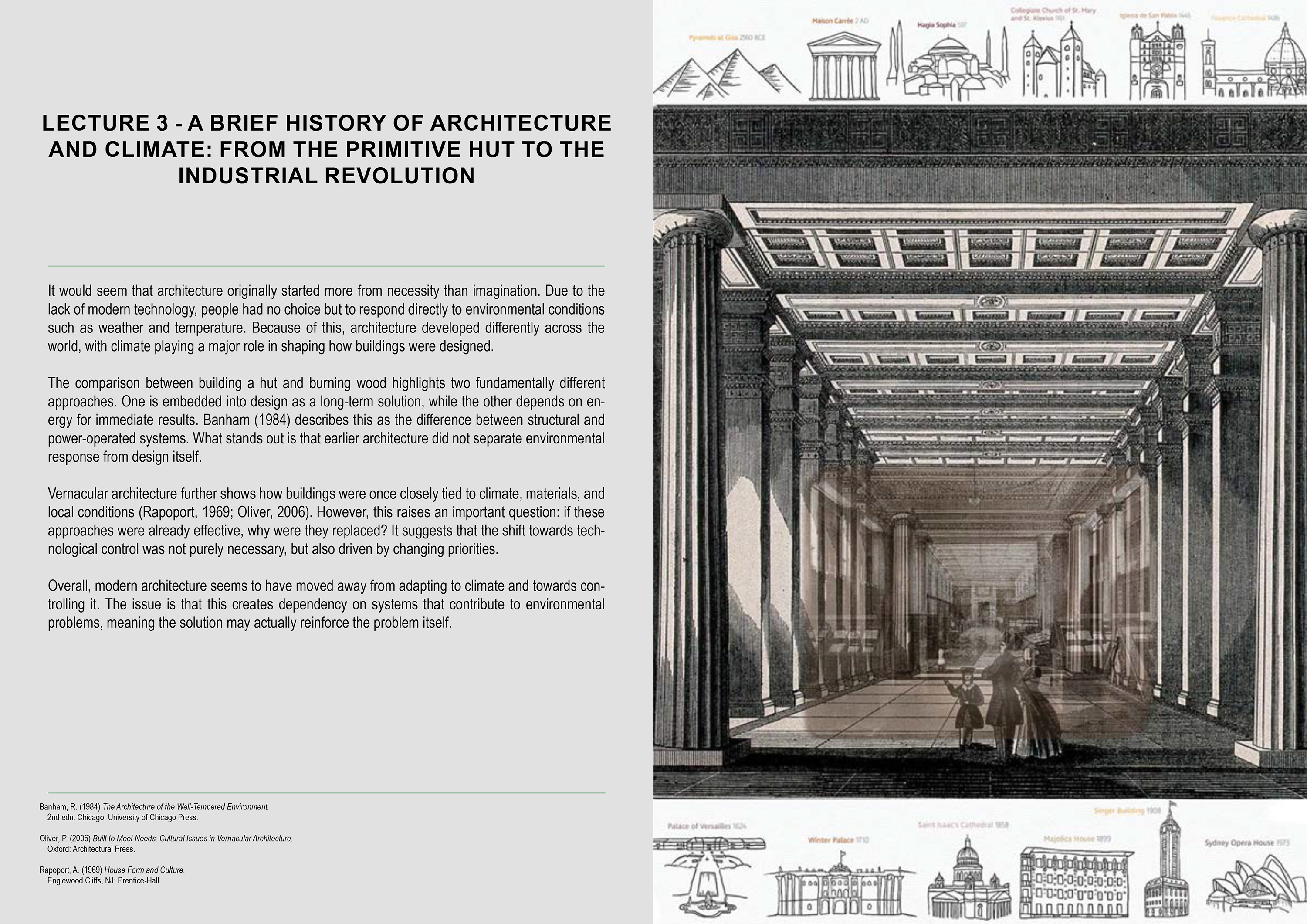
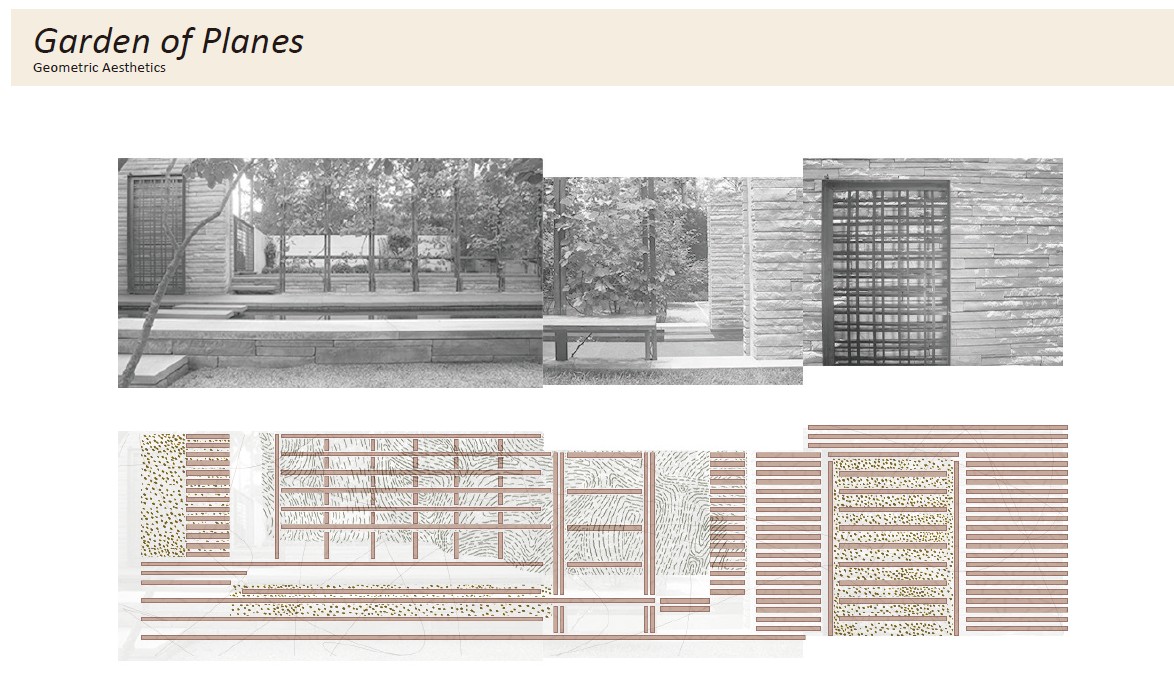
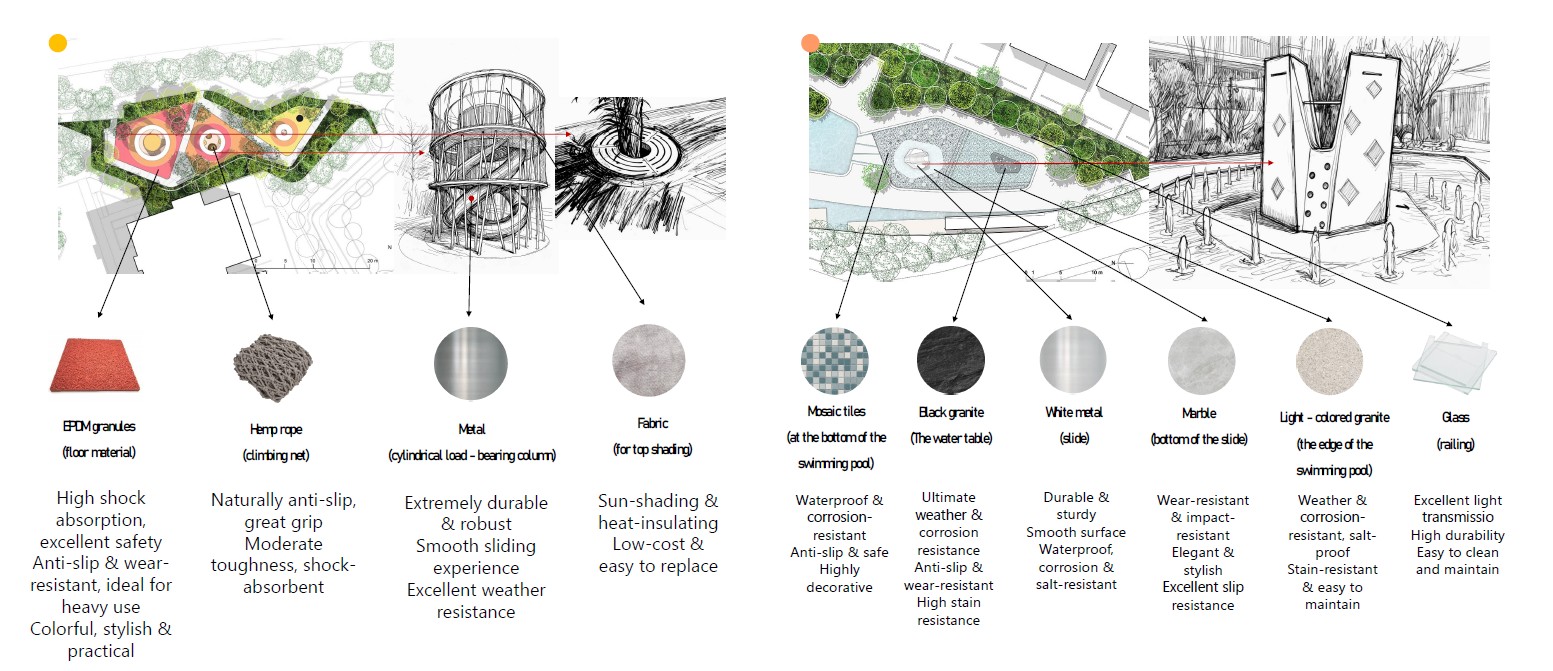
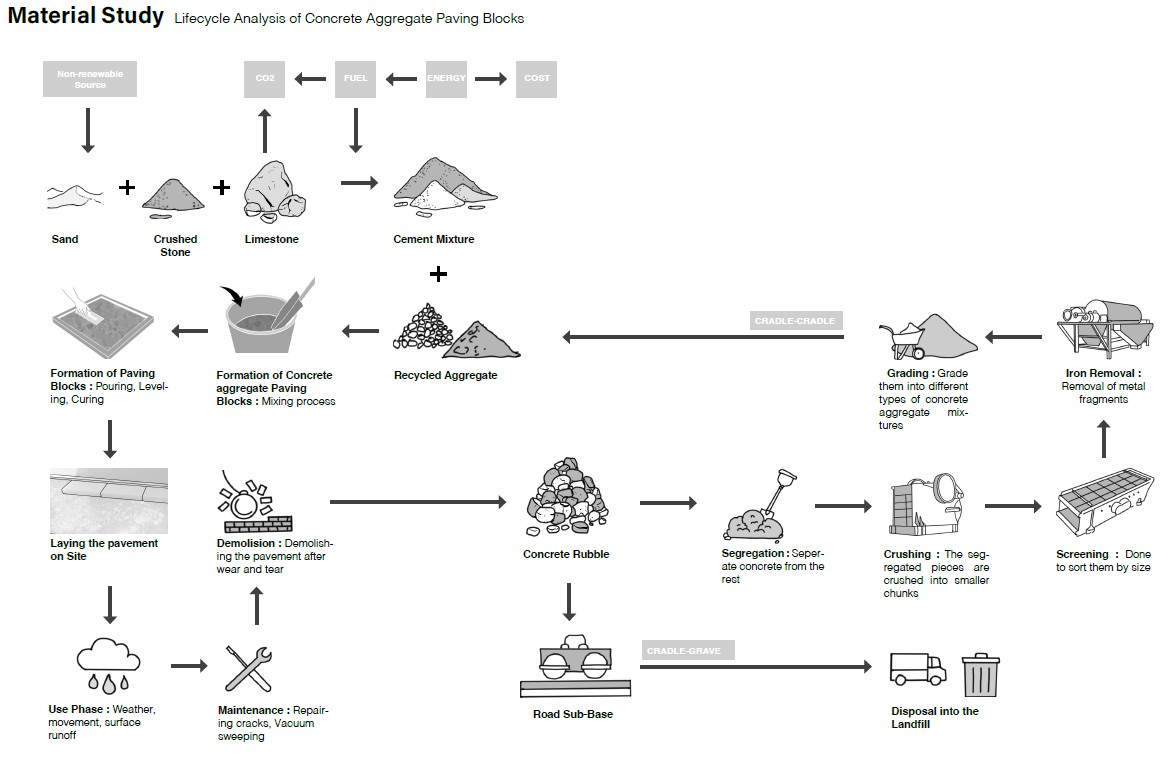
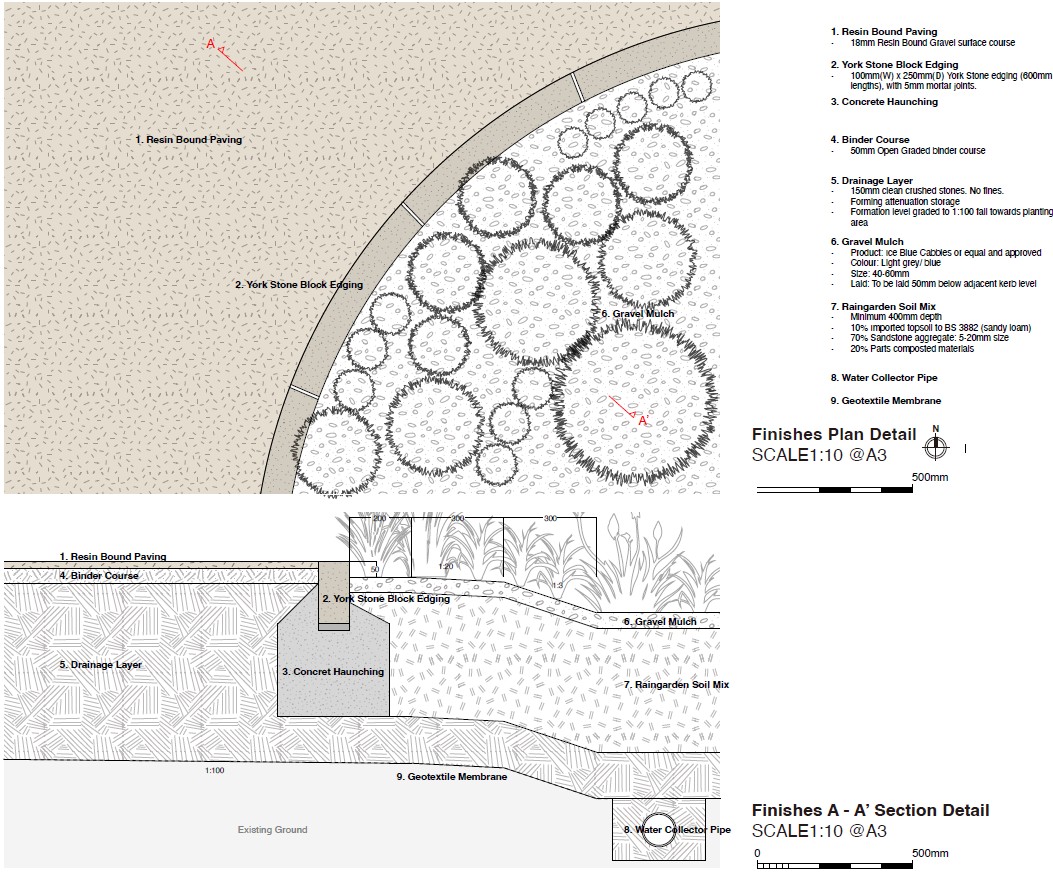
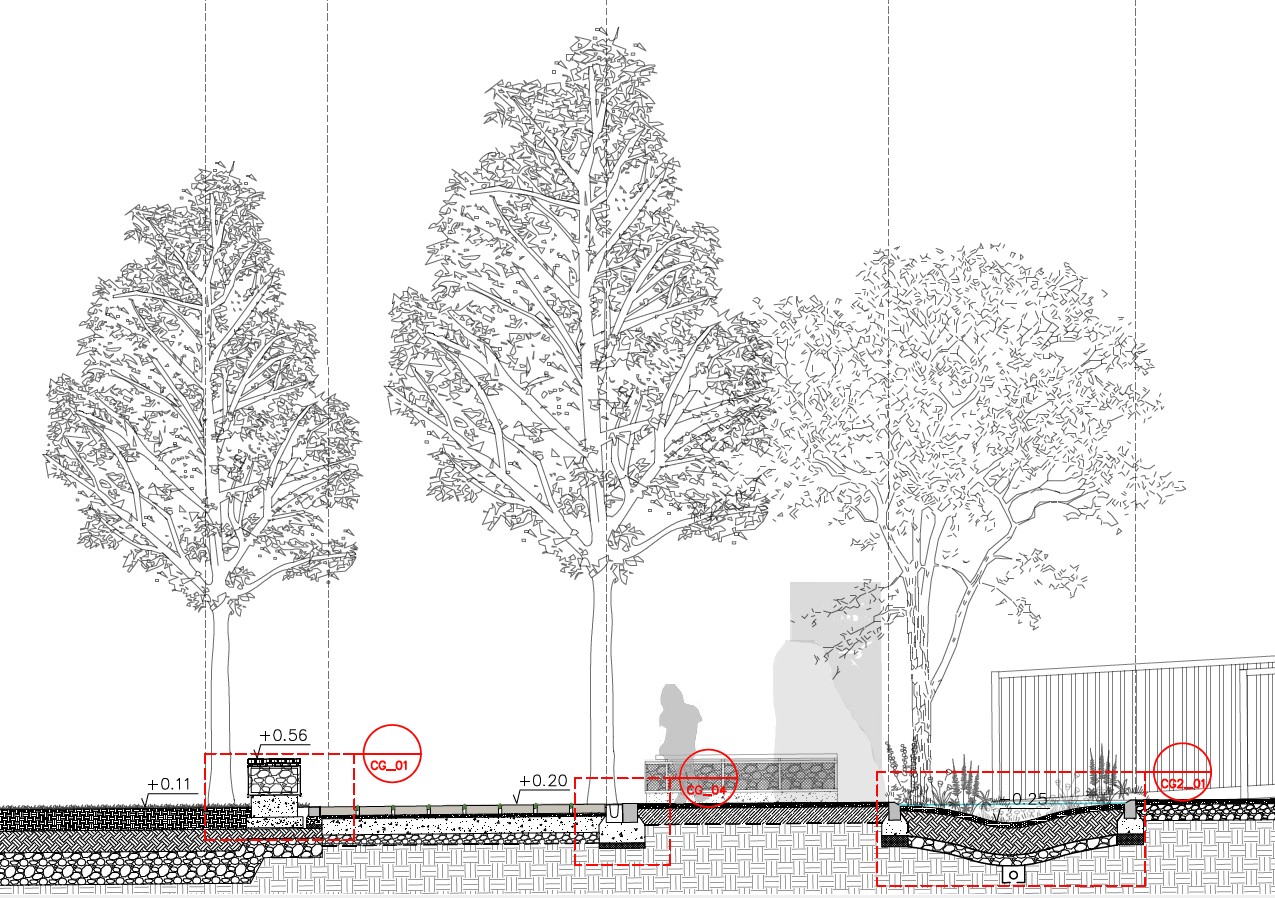
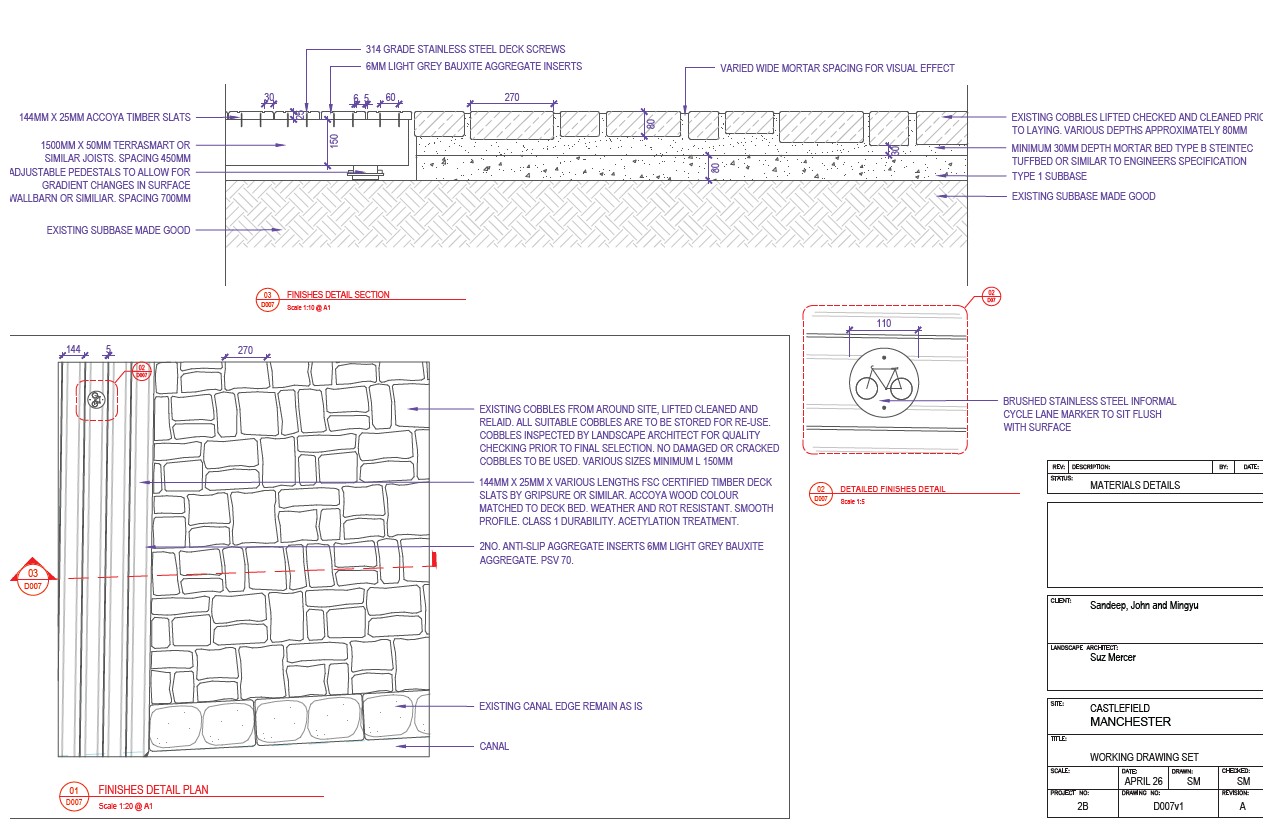
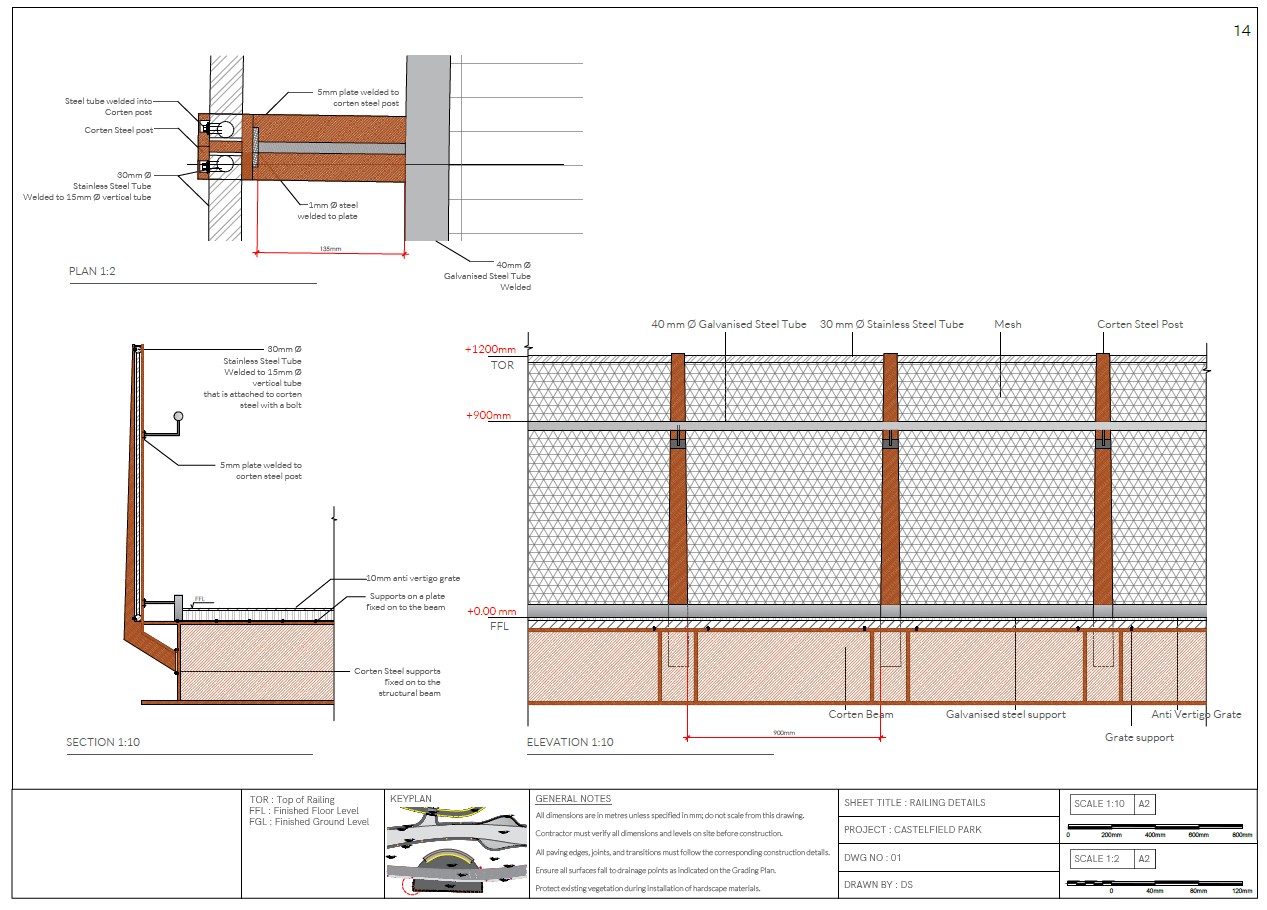
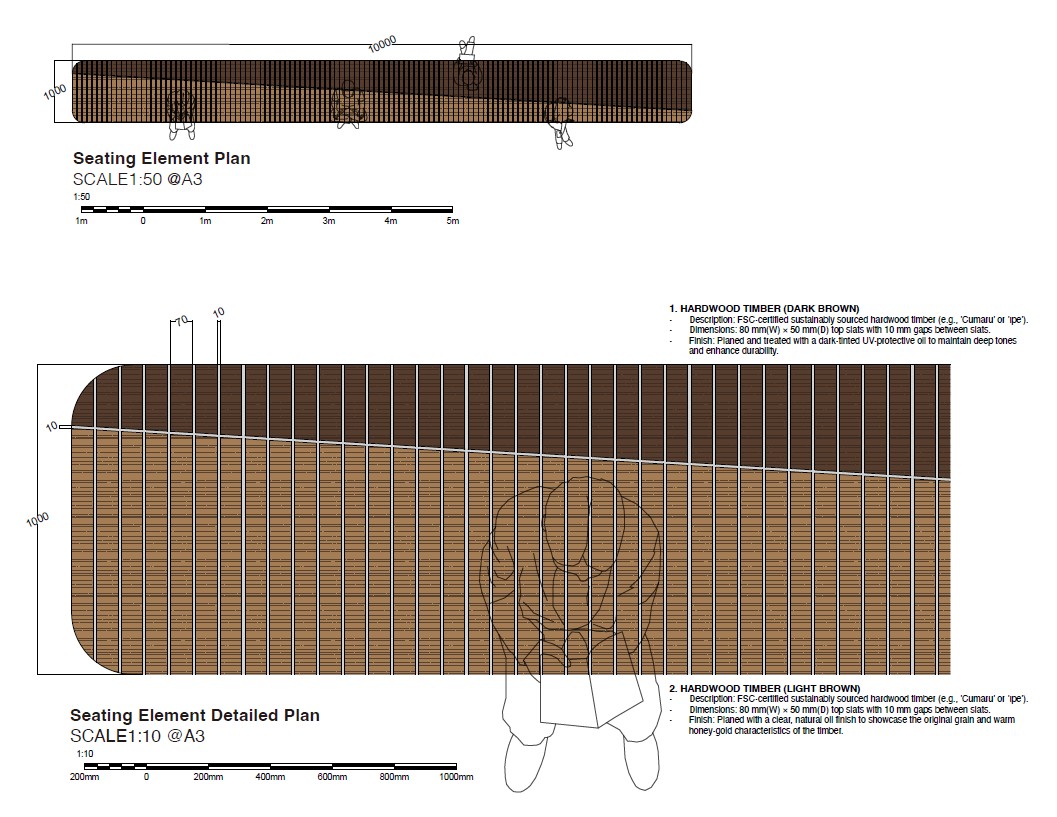
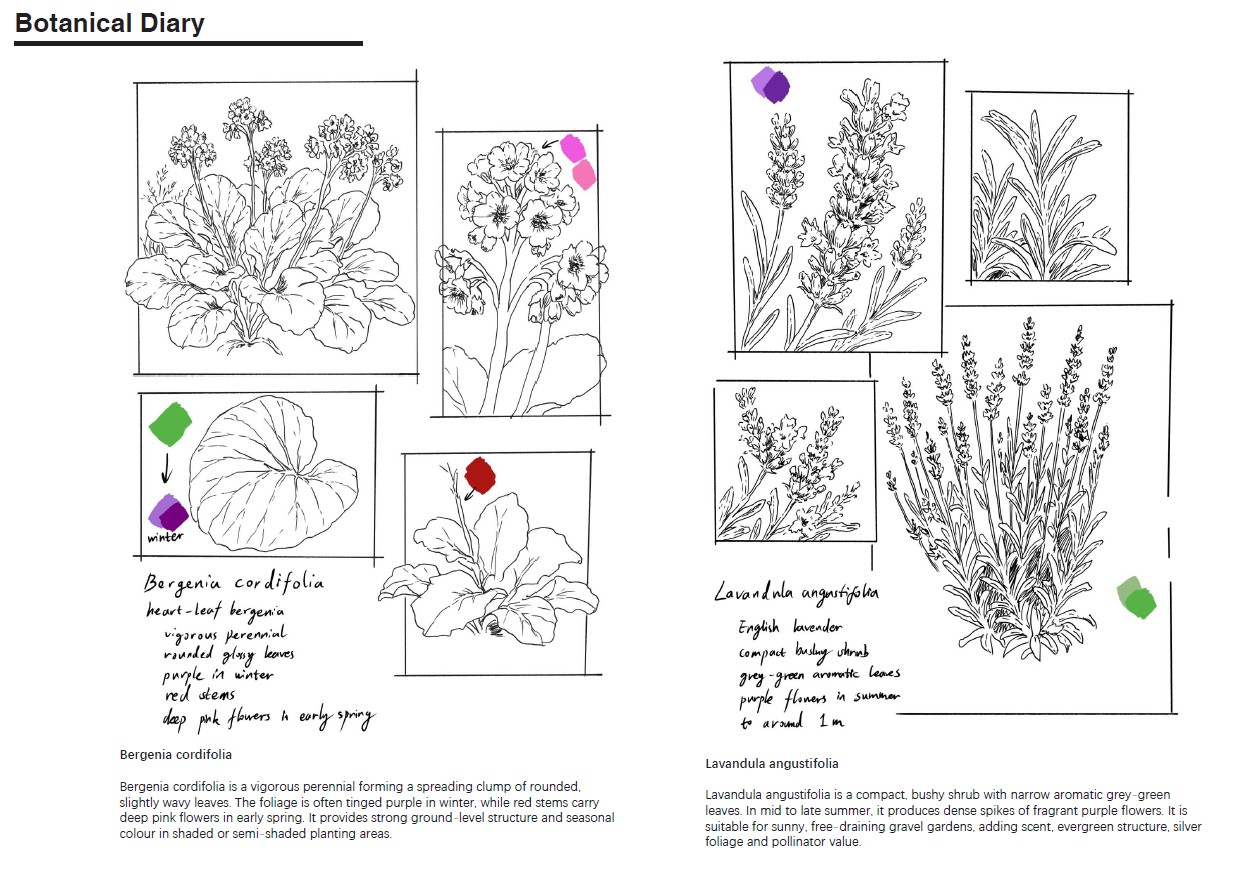
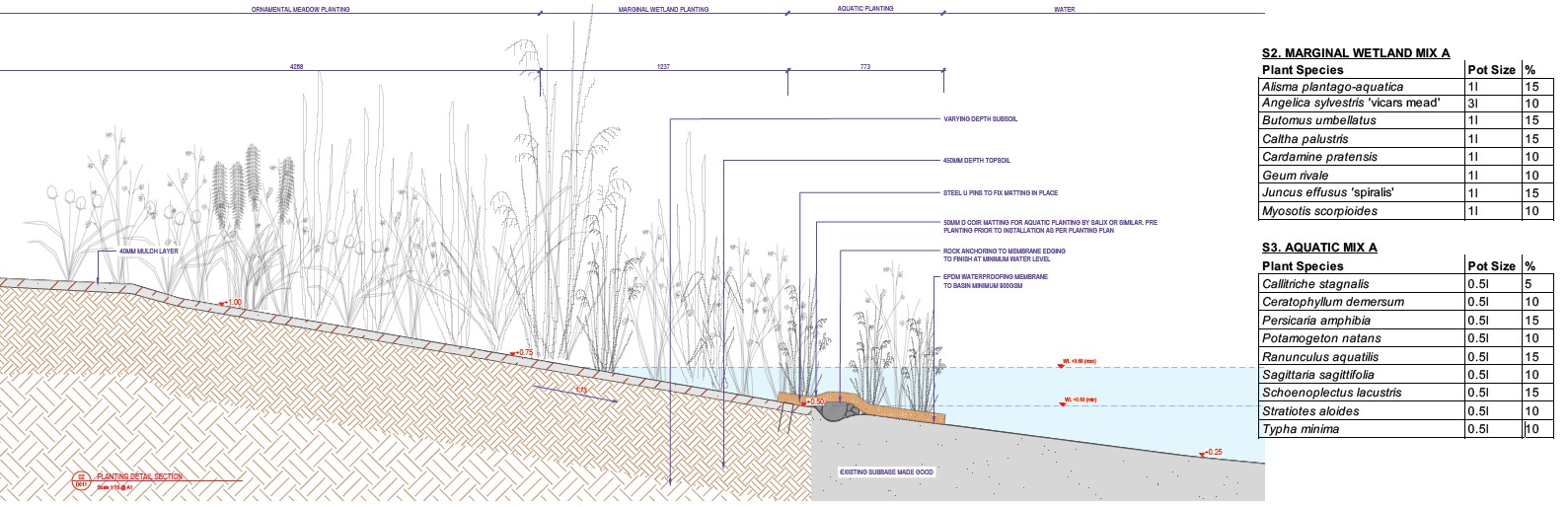
Landscape Studies 2a Module is designed to introduce the MLA 1 students to the basic characteristics/ applications of a range of materials (both inert and living) and processes of relevance to the discipline of landscape architecture. Through a series of structured explorations, the students developed an awareness of the technological aspects of landscape architecture including characteristics of site conditions, landscape grading, detailing of hardscapes and comprehensive planting knowledge, life-cycle analysis of materials and the application of this knowledge in the design process.

The tutors and the guest speakers provided contextual knowledge scaffolded with the series of live case studies, landscape construction site visits giving further insights into the design decisions and material choices, and the wide range of considerations which are imperative for a comprehensive understanding of landscape technologies. This year the students visited the All Saints Park Public Realm, the recently inaugurated MMU Dalton Building Landscape, the Glade of Light Memorial Garden and the Symphony Park-Circle Square, Manchester.

Landscape Studies 2b

Landscape Studies 2b (Technology)

In Landscape Studies 2b, students built on the foundational knowledge from the previous semester by exploring urban ecological issues and their connection to landscape architecture. This unit provided an in-depth look at emerging policies, initiatives, and strategies in the field.

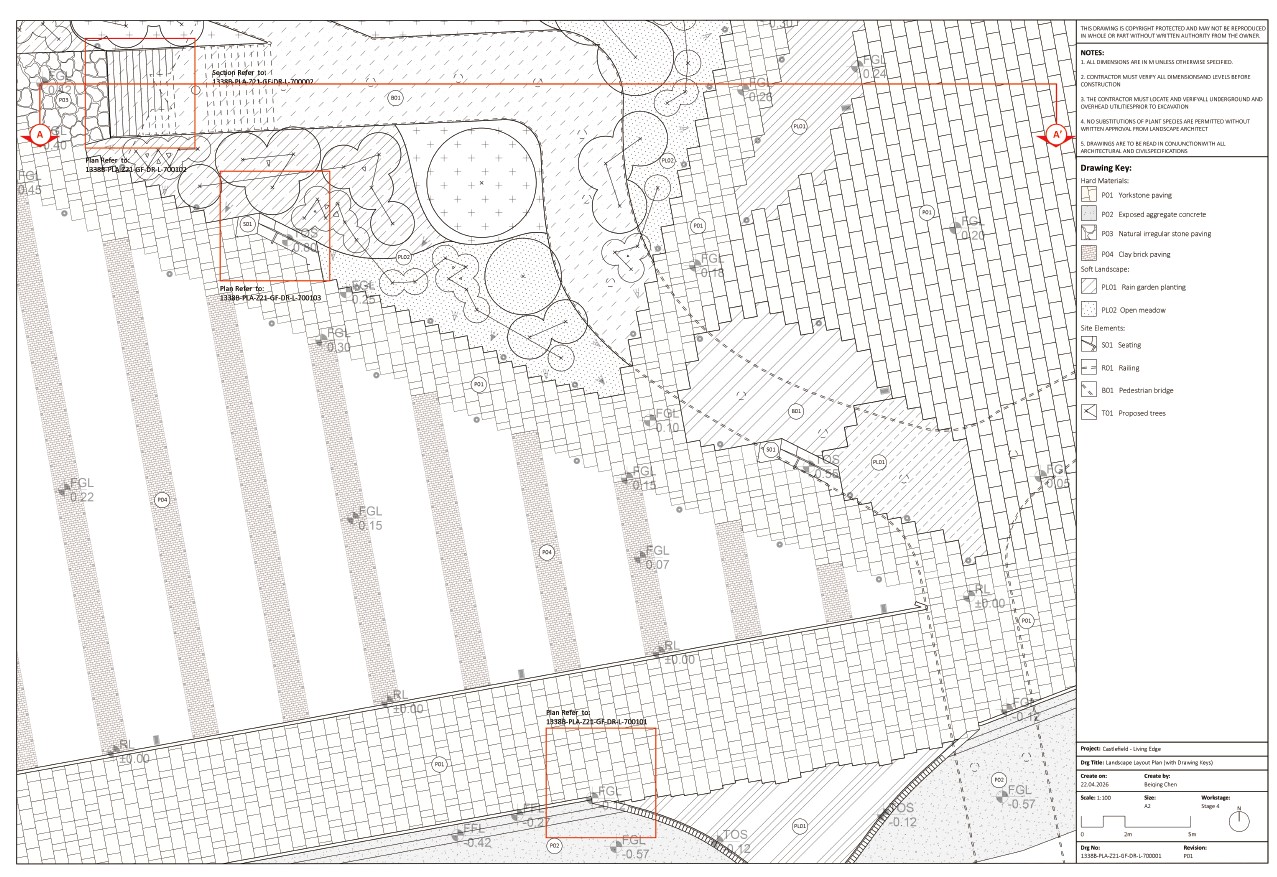
Students gained the skills to create technical construction documents, develop landscape specifications that meet code requirements, and draft scale-appropriate construction drawings for various design details. By understanding the technical aspects of complex built landscapes, students were prepared to apply this knowledge in their studio projects. Through material studies, they further honed their skills and learned to create alternative design plans for areas within their Landscape Atelier 1A projects.

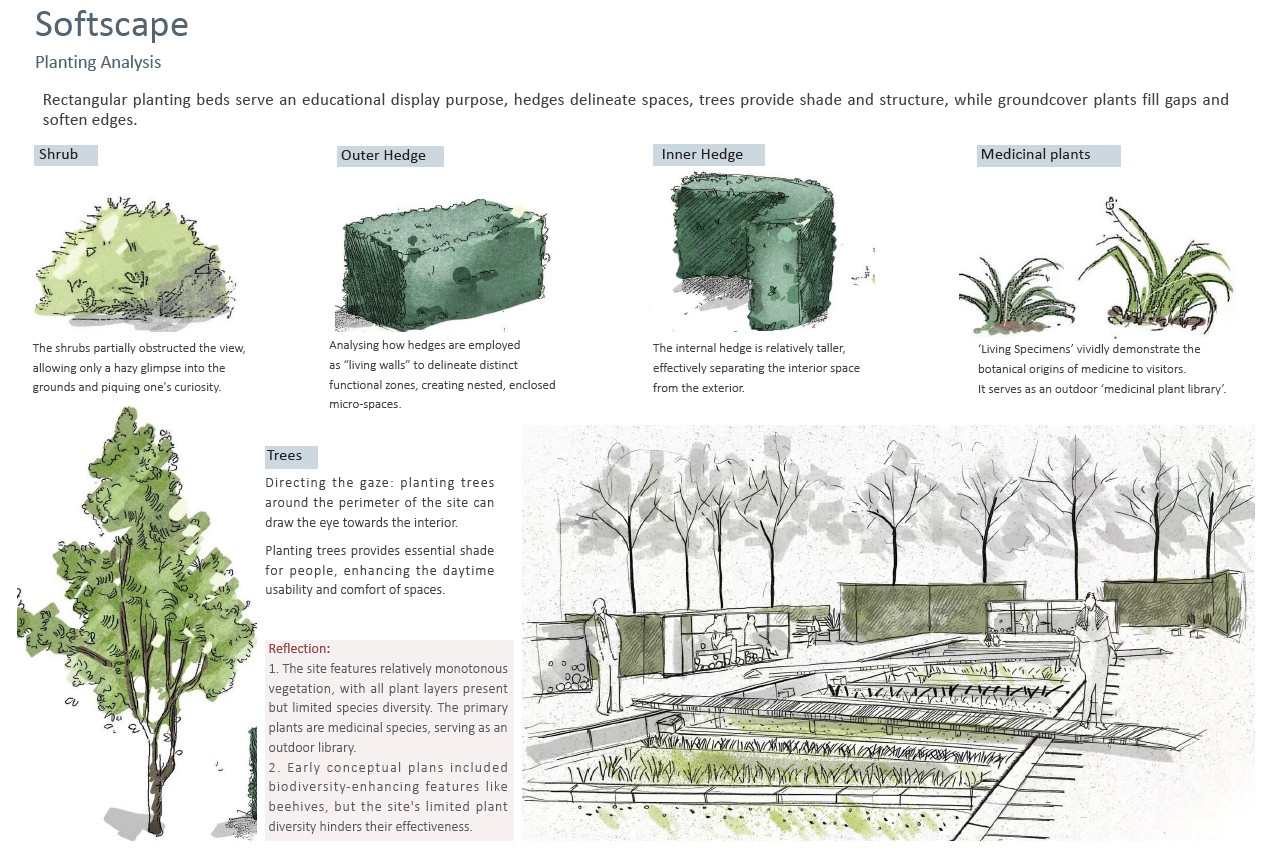
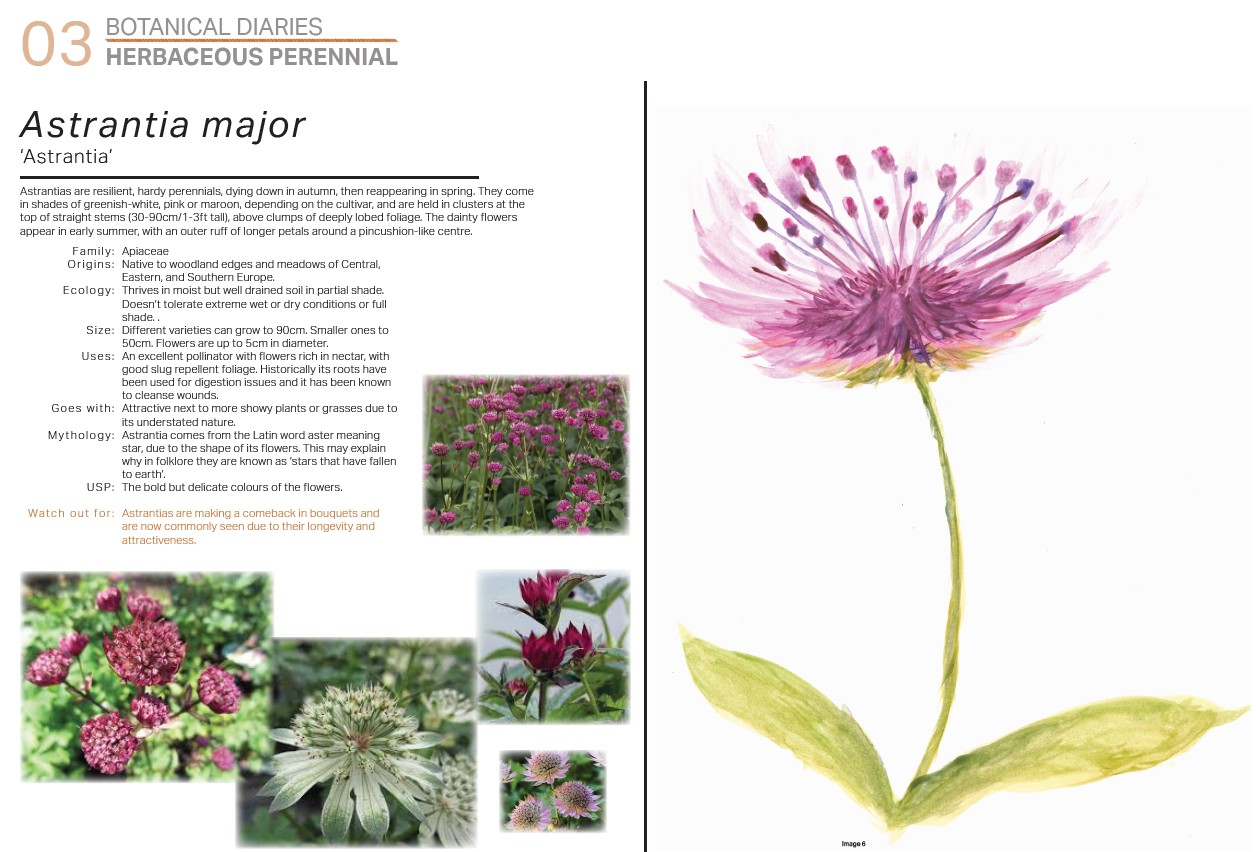
The curriculum also emphasized the importance of understanding the ecology, conservation, and management of different plant species, as well as how to use them effectively in design. A study visit to Mayfield Park gave students the opportunity to observe planting techniques in a real-world context. This holistic approach equipped students with the skills needed to balance ecological considerations with landscape architecture, fostering a deeper understanding of sustainable design practices.