

MEMORY OF THE SOUND
This project investigates how sound and acoustics can actively shape spatial experience and influence architectural form. Set within the cultural context of Pomona Island, it challenges the idea of sound as something invisible or secondary, instead revealing it as a force that leaves traces“acoustic fingerprints”across both time and space. From its past as a site of orchestral,leisure gatherings to its present role as a source of inspiration for musicians and artists, the island becomes a layered field of sound memories.
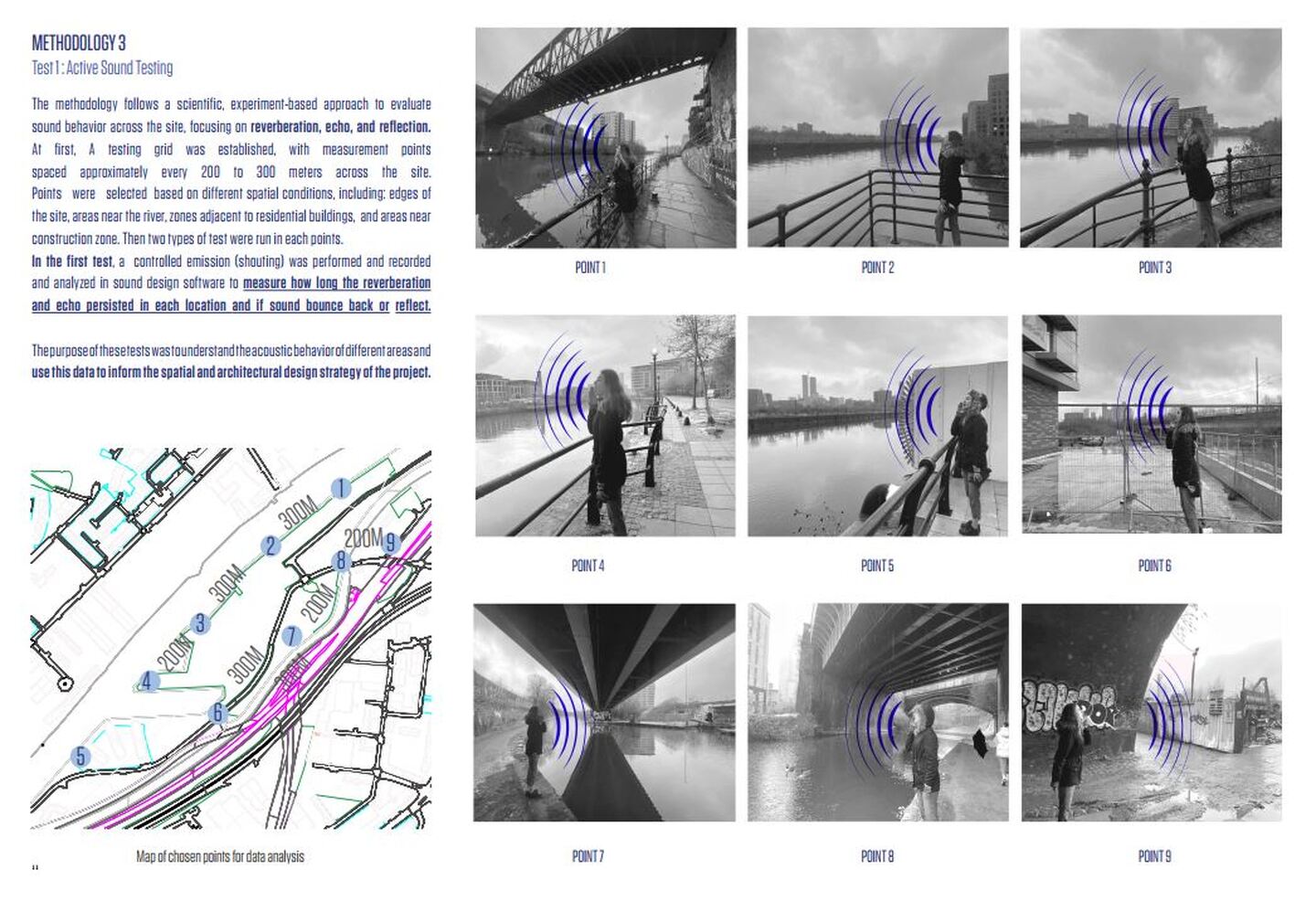
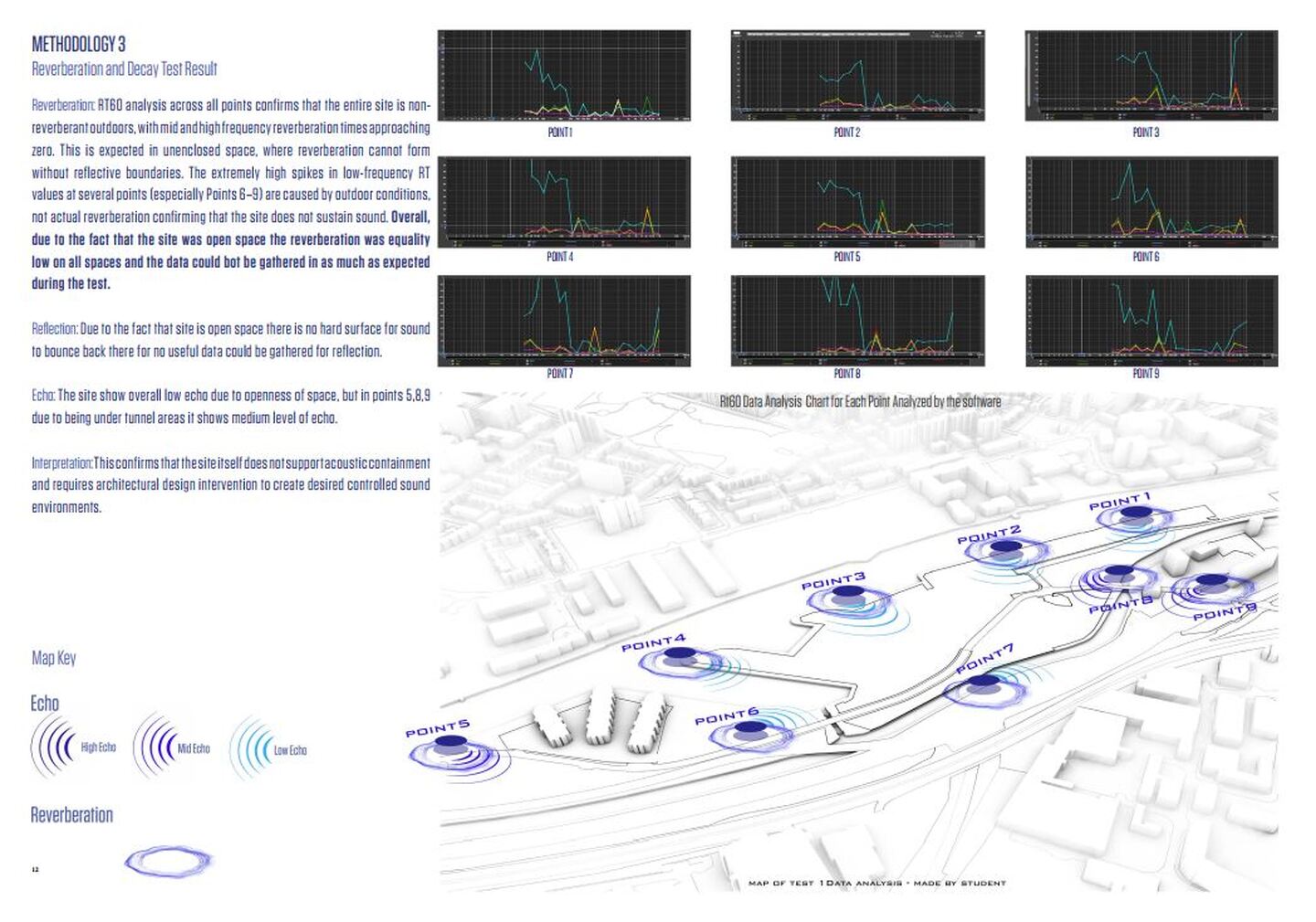
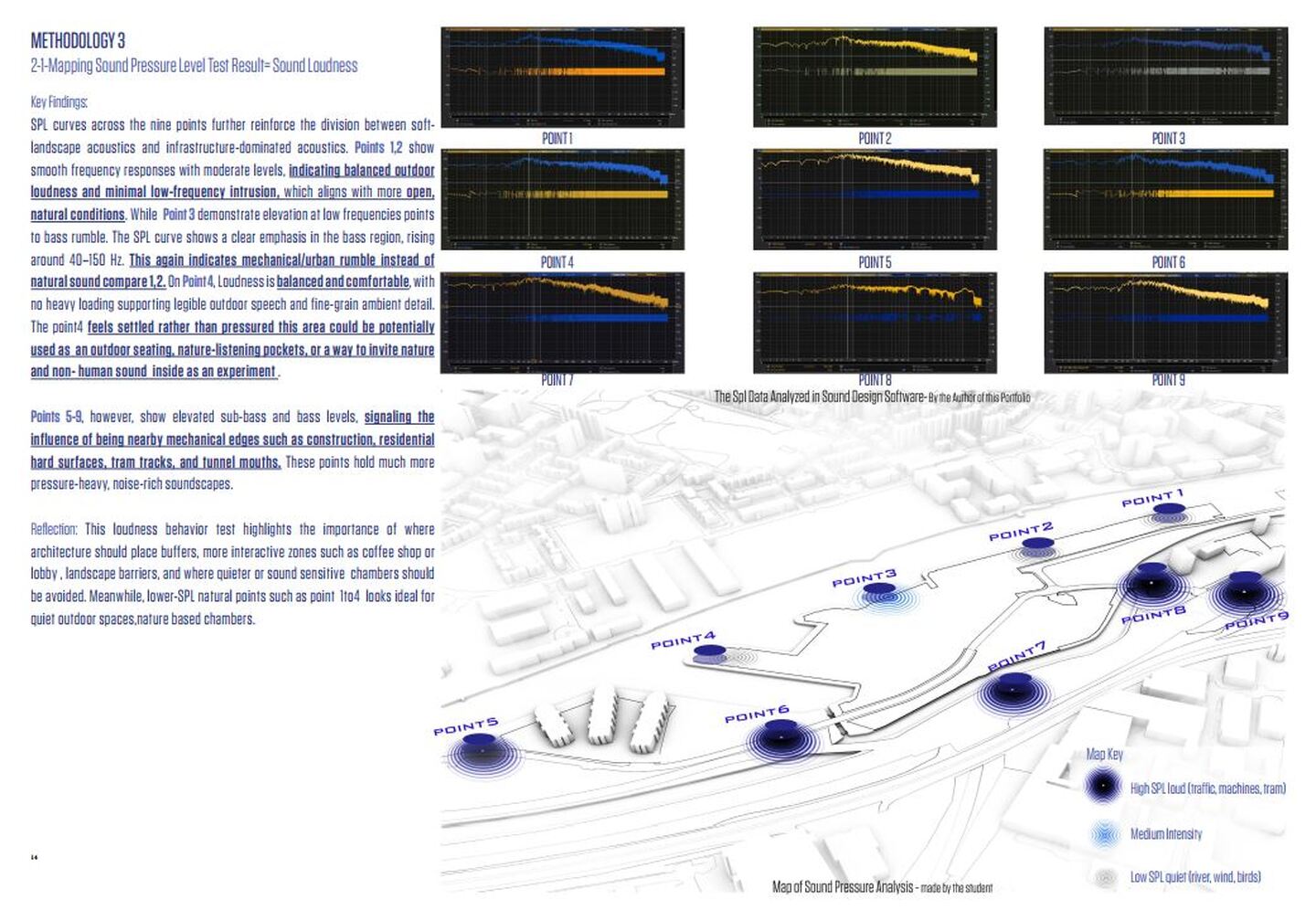
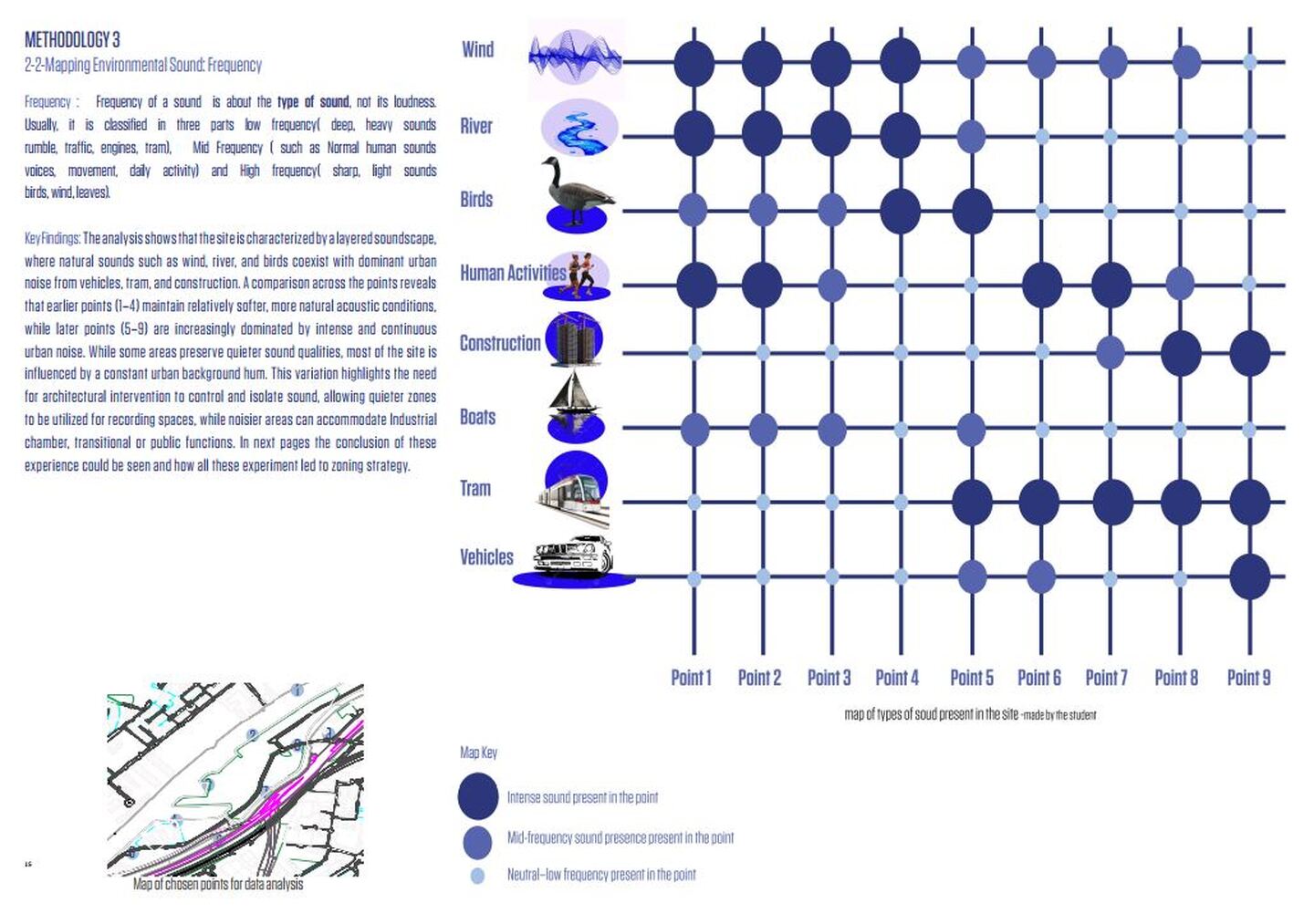
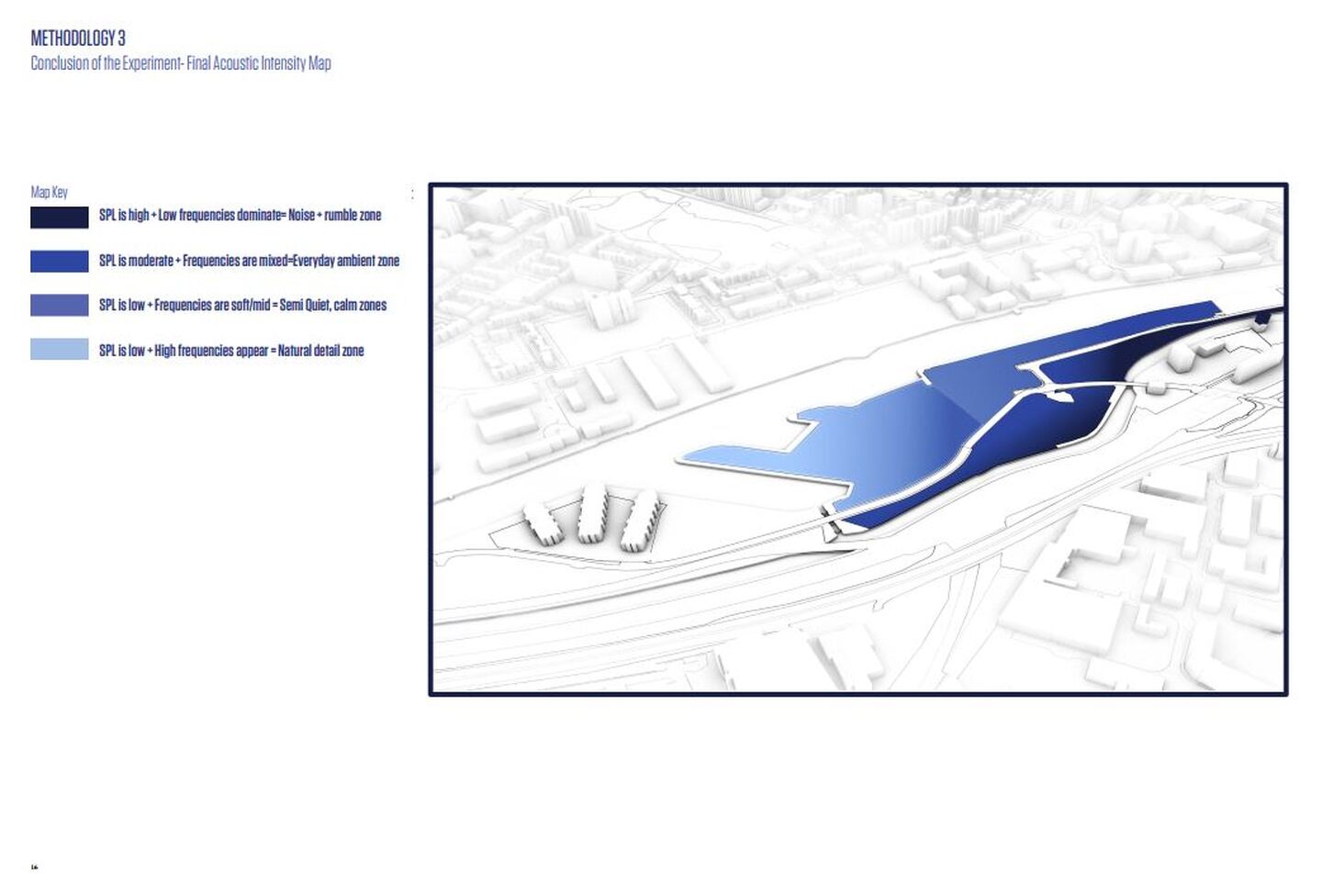
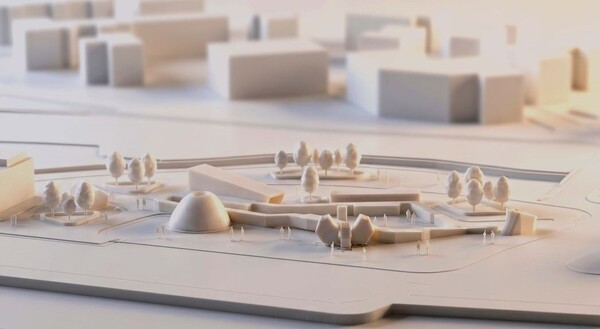
The design process begins with acoustic analysis and cultural mapping, using listening as a method to understand the site. These explorations inform the transformation of the project into a Museum of Sound, where architecture is not only seen but heard and experienced through shifting sonic conditions.
The project frames sound as an ongoing process of discovery. It uncovers echoes of the past, engages with present natural and urban soundscapes, and provides spaces to record and project new voices into the future. In doing so, it creates a continuous dialogue between time, Acoustics, and space.
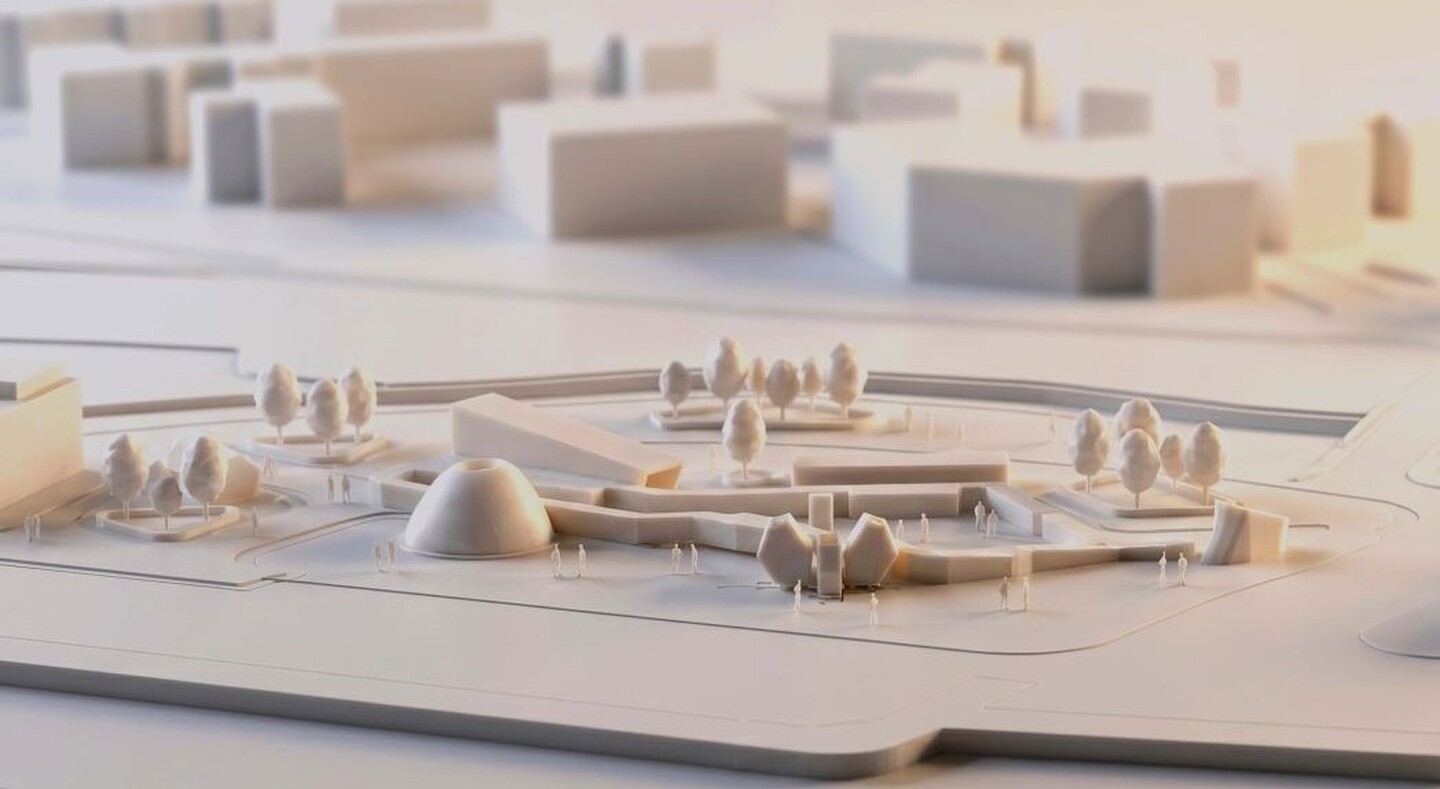
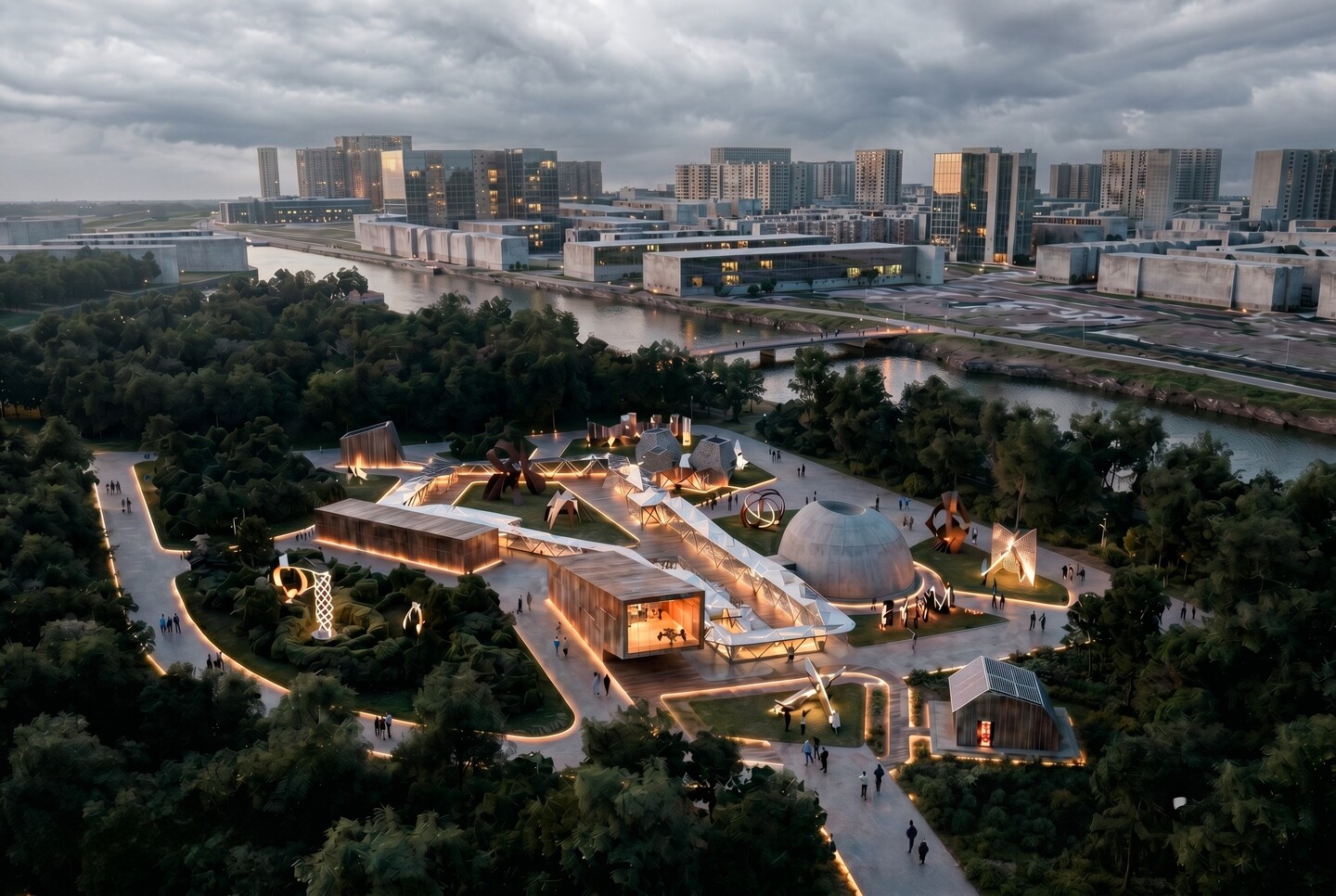
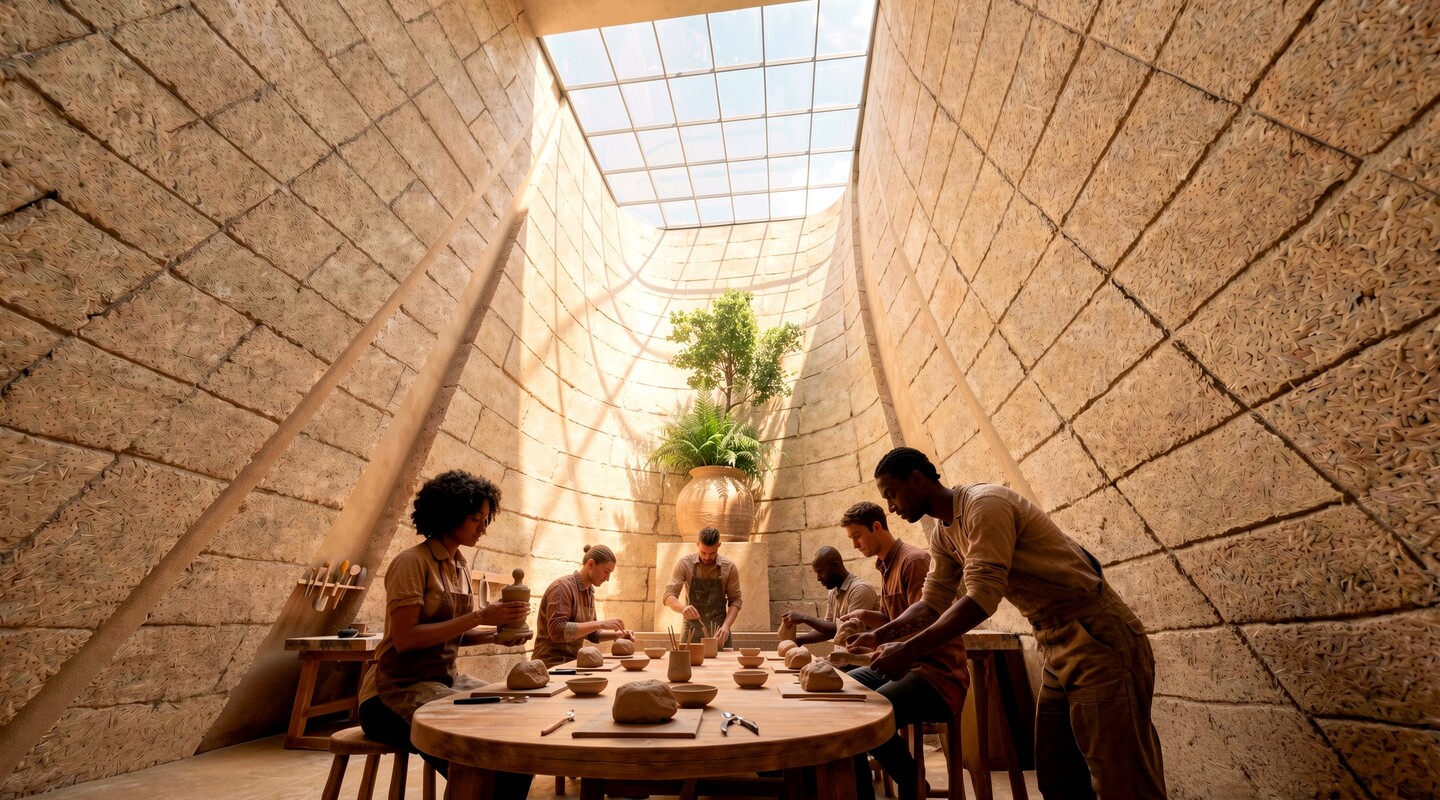
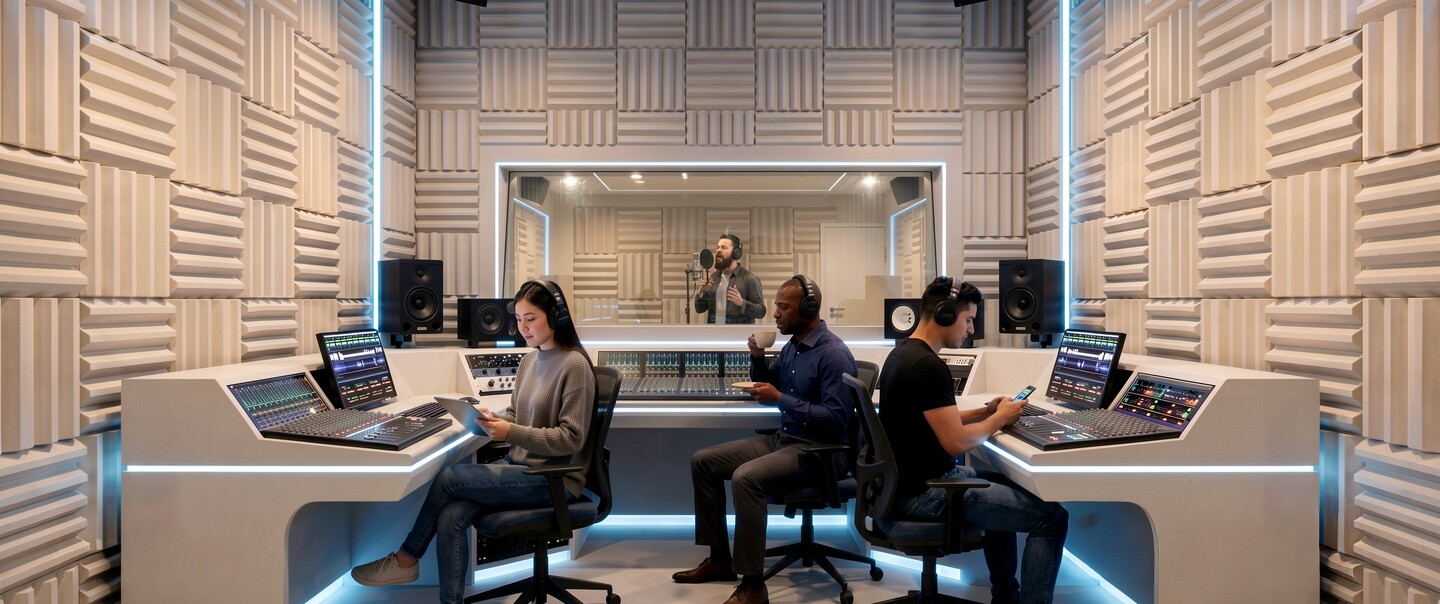
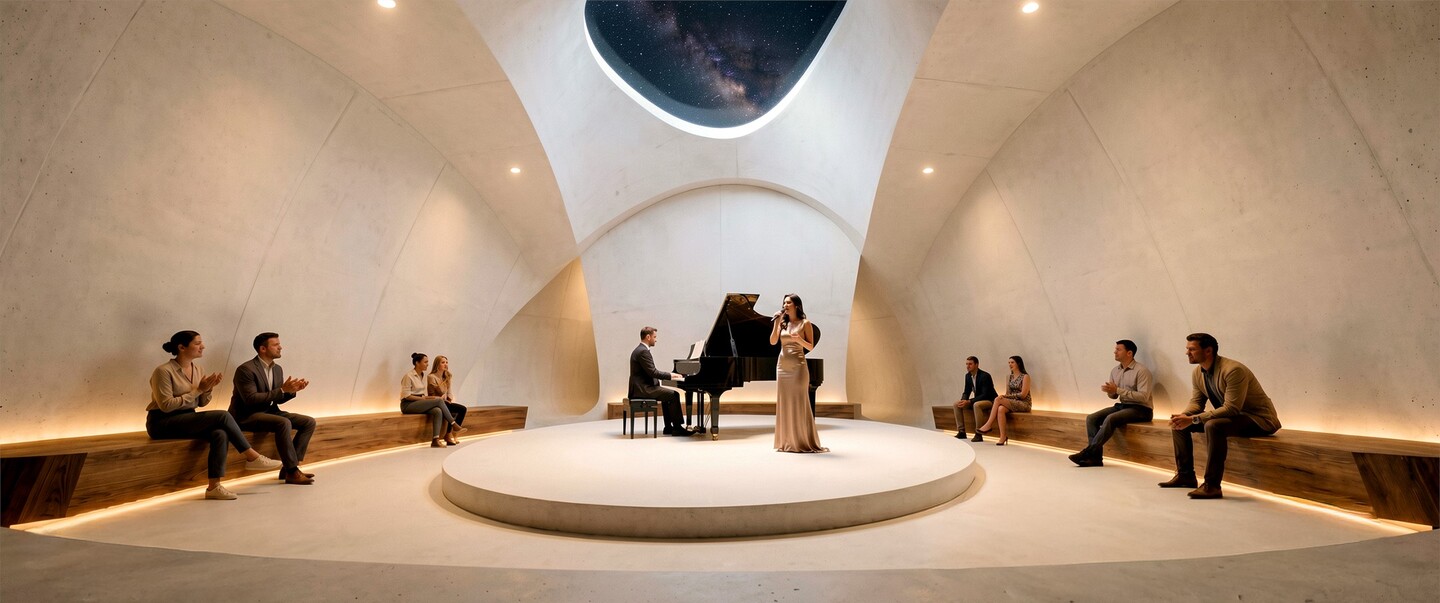
Sound as a primary design driver in this project, directly shapes the geometry through contrasting acoustic conditions. Industrial chambers is elongated and tilted, reflecting sound harshly and intensifying its impact. In contrast, Nature chambers adopt softer, convex forms that gather and diffuse environmental sounds like wind and water. The Historical chamber is defined by a dome, amplifying echoes and resonance to emphasize memory and permanence.The Anechoic chamber emphasize on sound absorbing materials. Through these differences, each space takes on a distinct form, height, and character making geometry and function as direct expression of sound.