

Claiming the City : For Youth
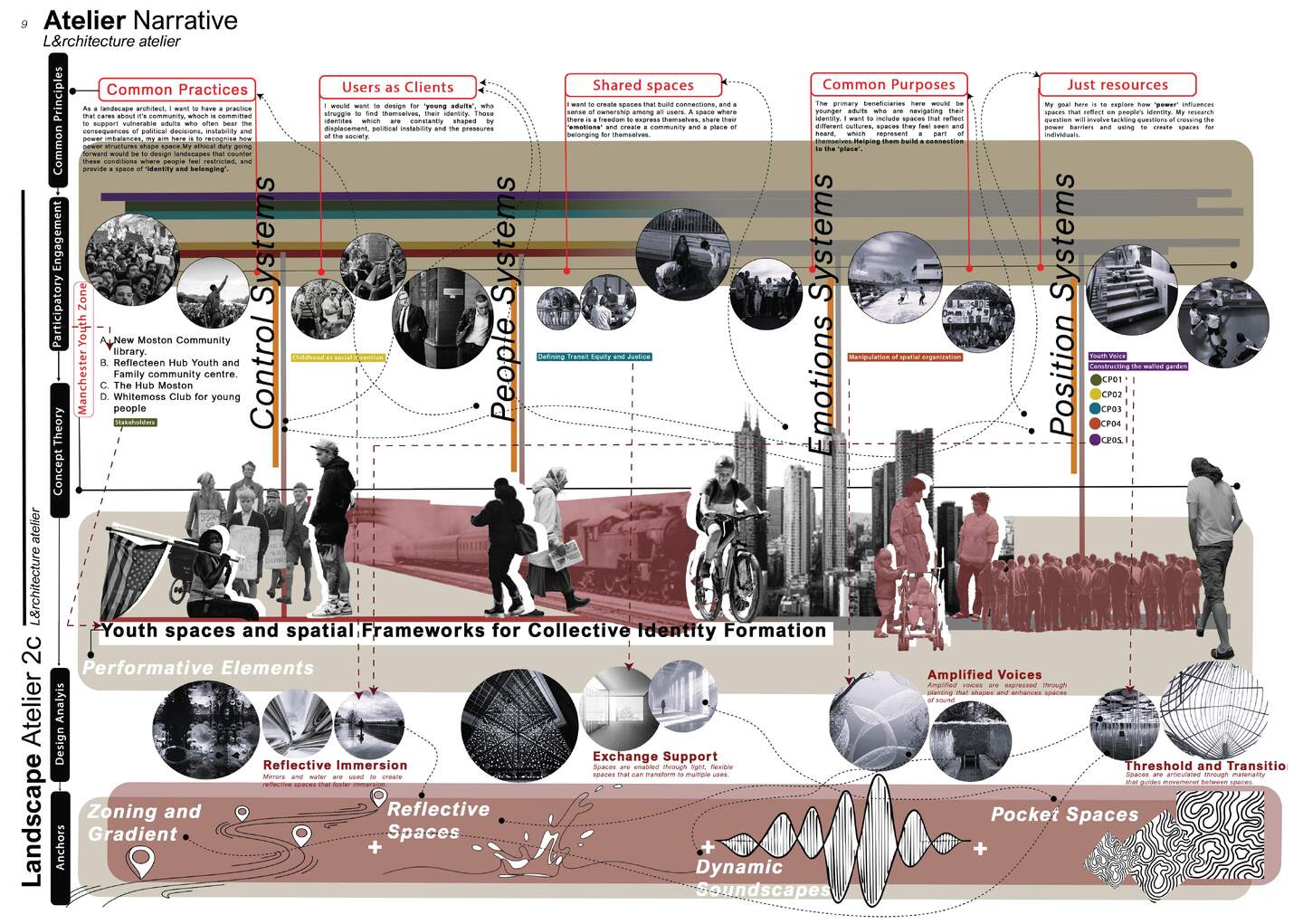
My thesis started with understanding 'space' and 'people' and a keen interest towards Spatial justice in Landscape Architecture.
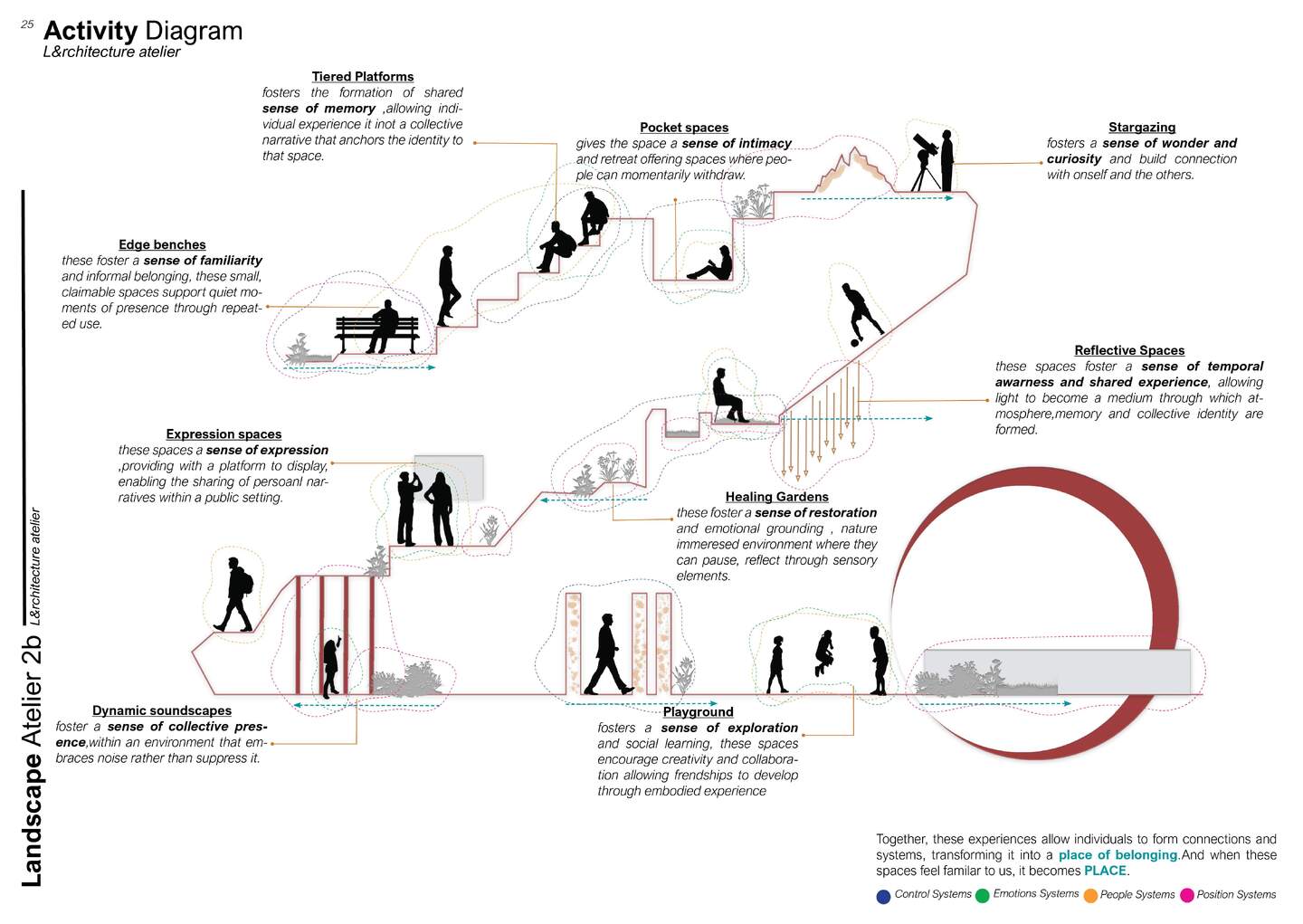
I began by understanding that spaces are never just physical.They hold memories,emotions,encounters and invisible systems that shape how people live, including how they connect and belong.This happens through repeated experiences, individuals begin to form attachments to spaces, transforming them into places of comfort, familiarity, and an Identity.
And when a space begins to recognize us as much as we recognize it, it becomes a "place of belonging".
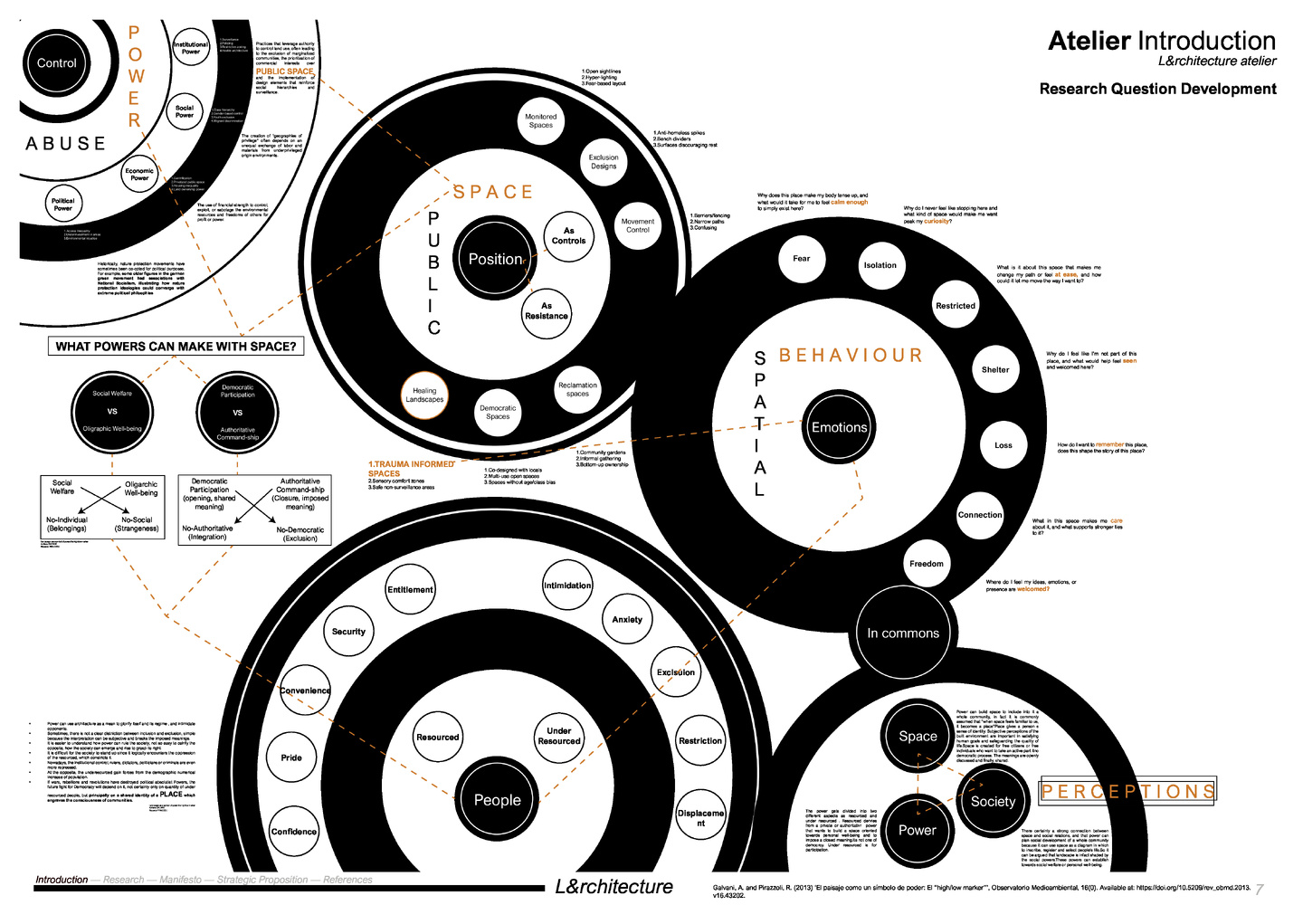
While exploring this relationship between people and space, the understanding of space for me has shifted significantly over time, from viewing it merely as a flat container or backdrop for human activity,to recognizing it as an active force that shapes human life.Space is no longer neutral, it influences behavior,economic development, environmental conditions, social relations and ultimately the production of justice and injustice which leads to:
But why claim the city specifically for 'youth'?
Research shows that self-organized youth spaces strenghten collective identity and social belonging.However, many exisiting youth environments remain overly institutionalized,limiting opportunities for participation and connection.
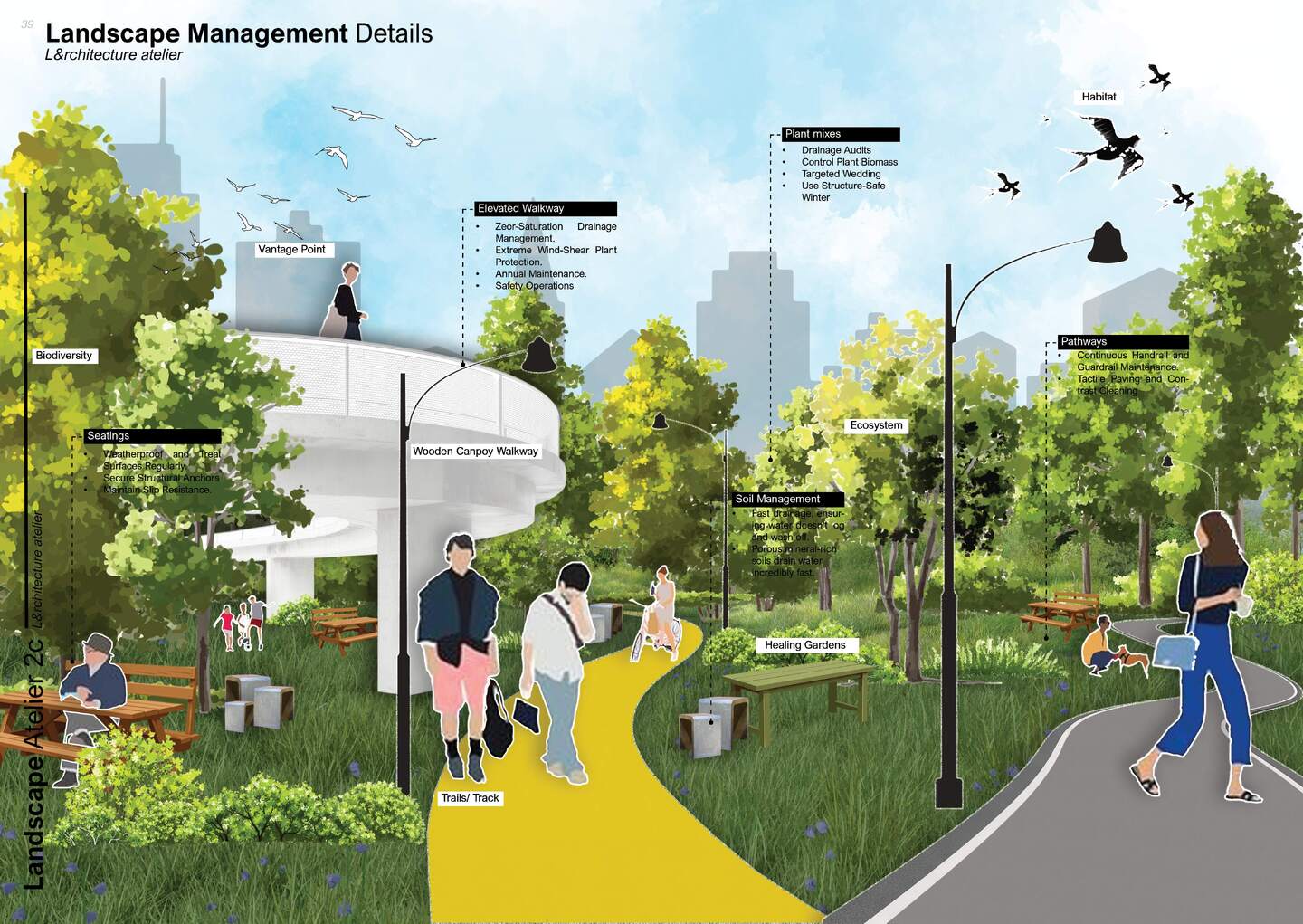
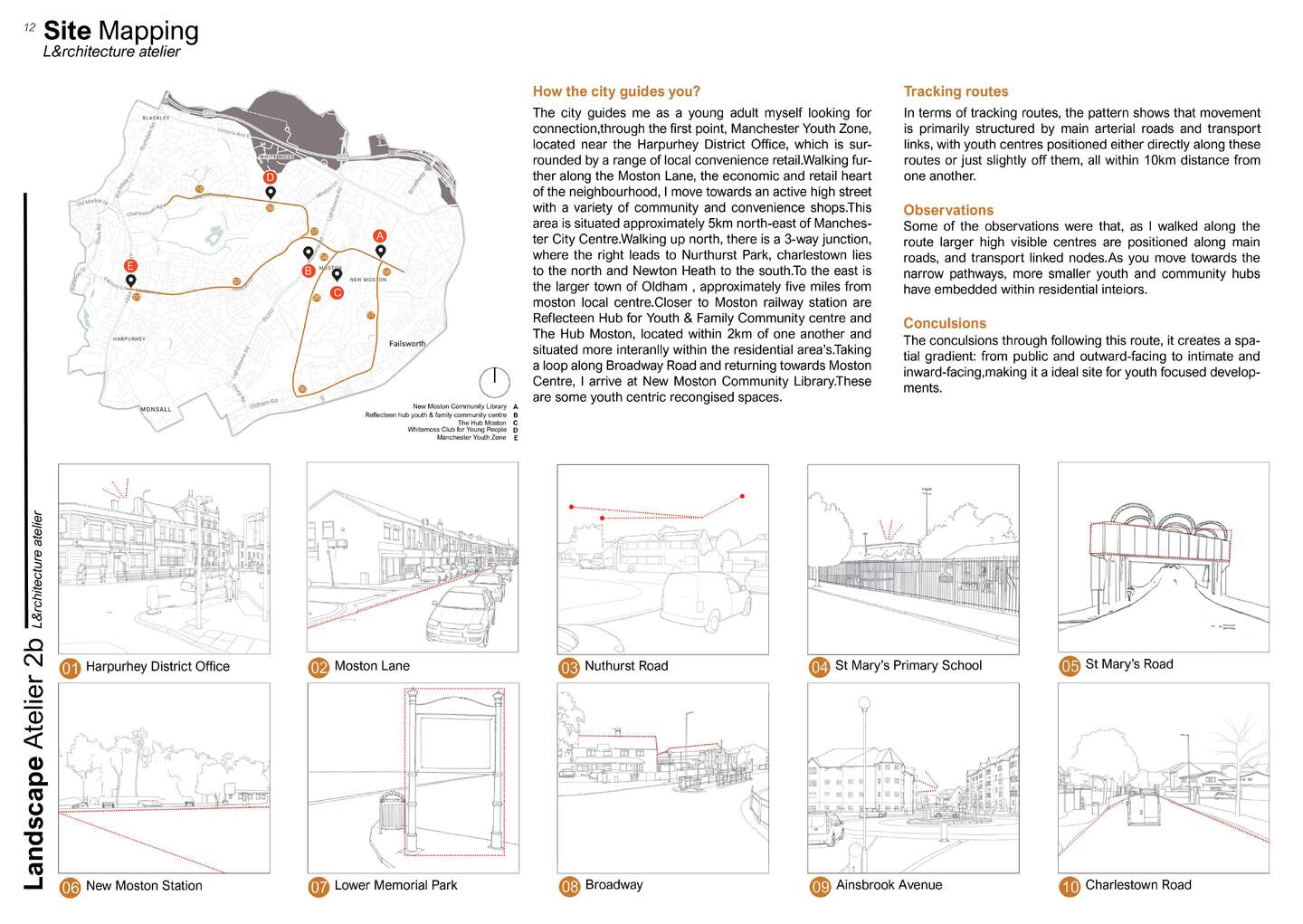
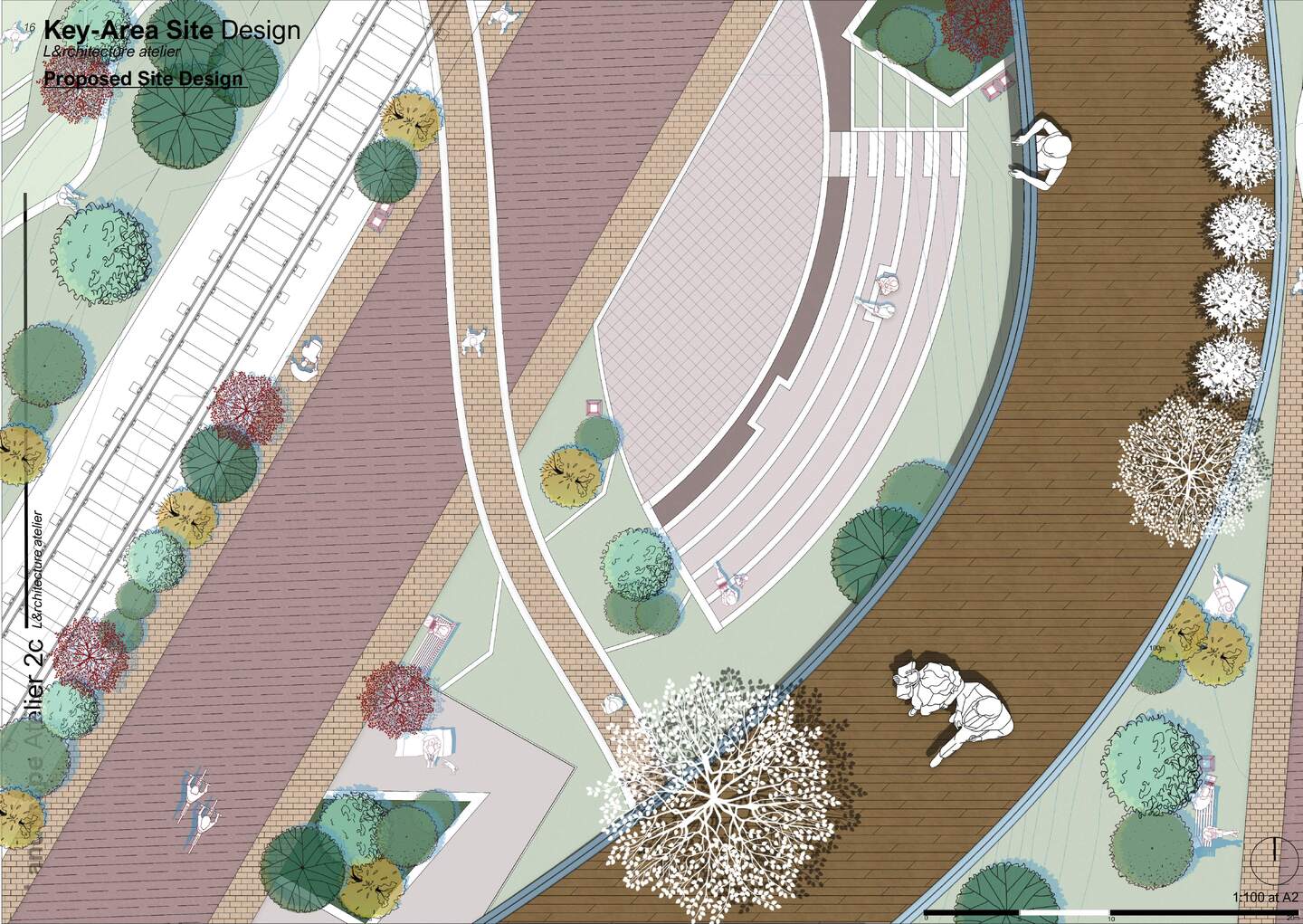
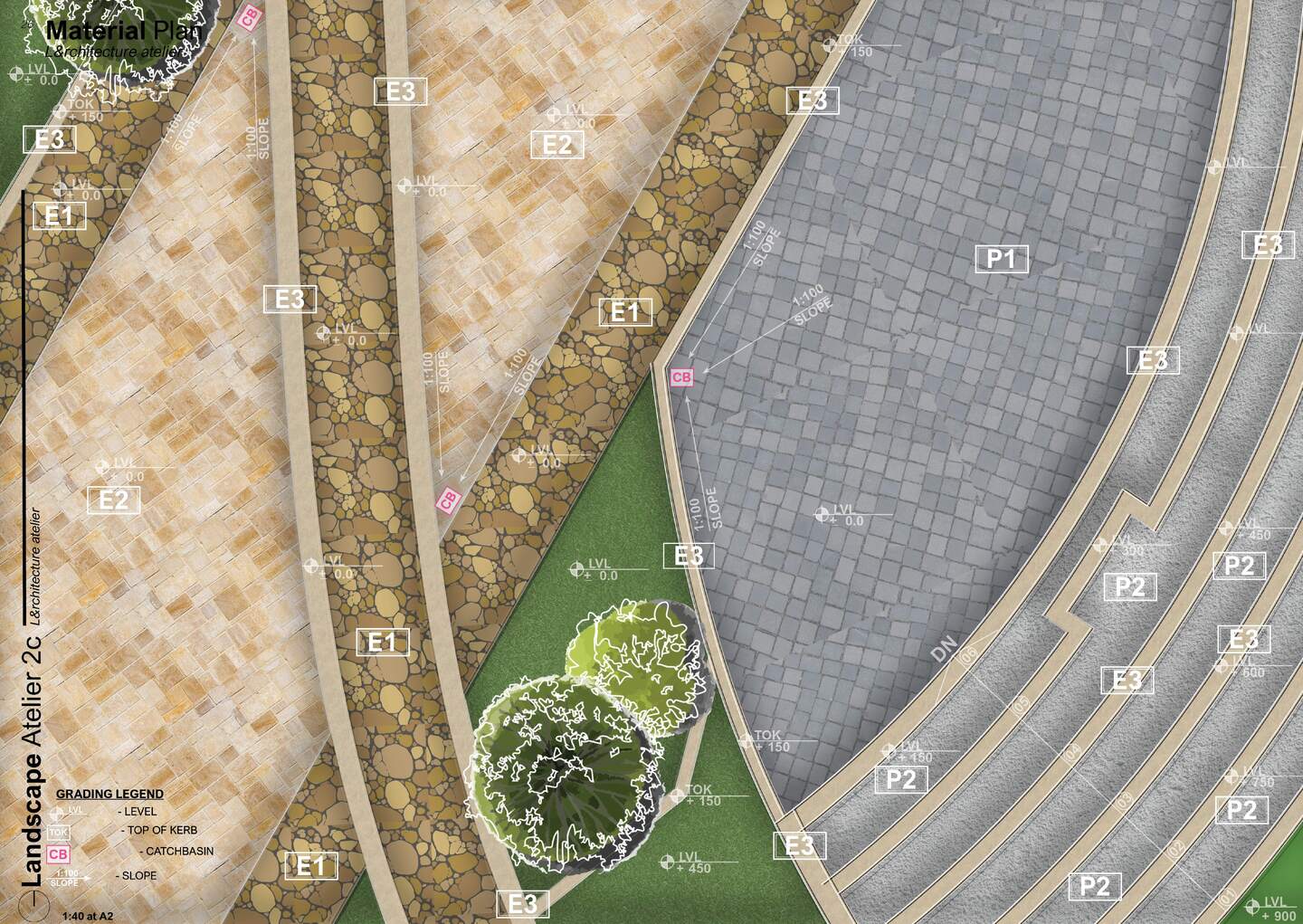
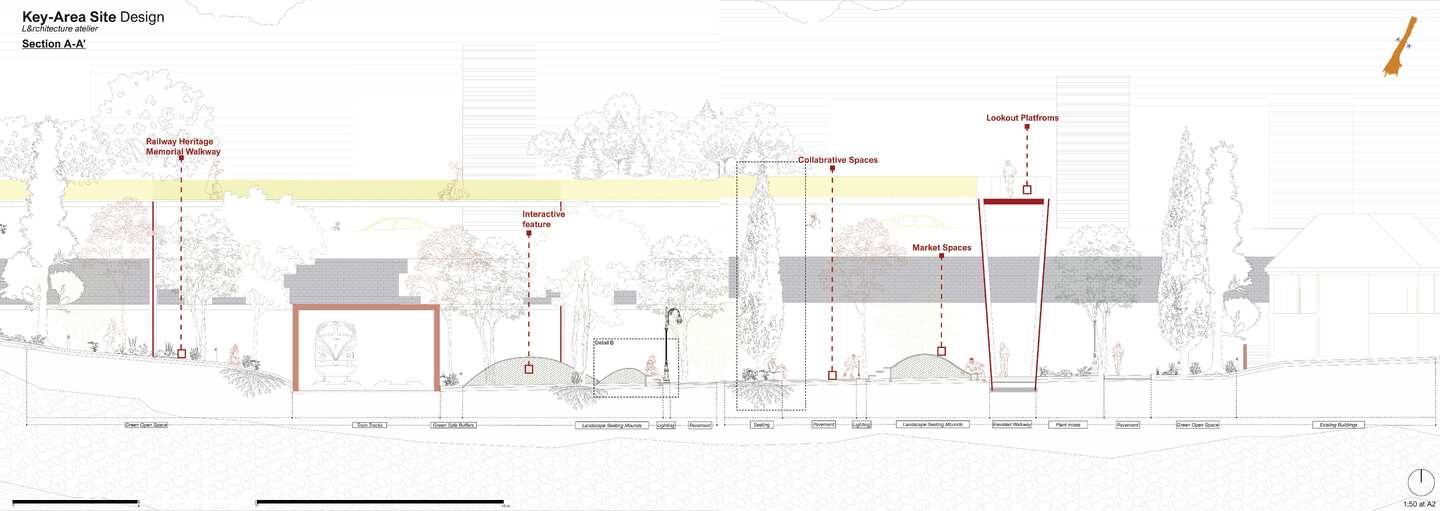
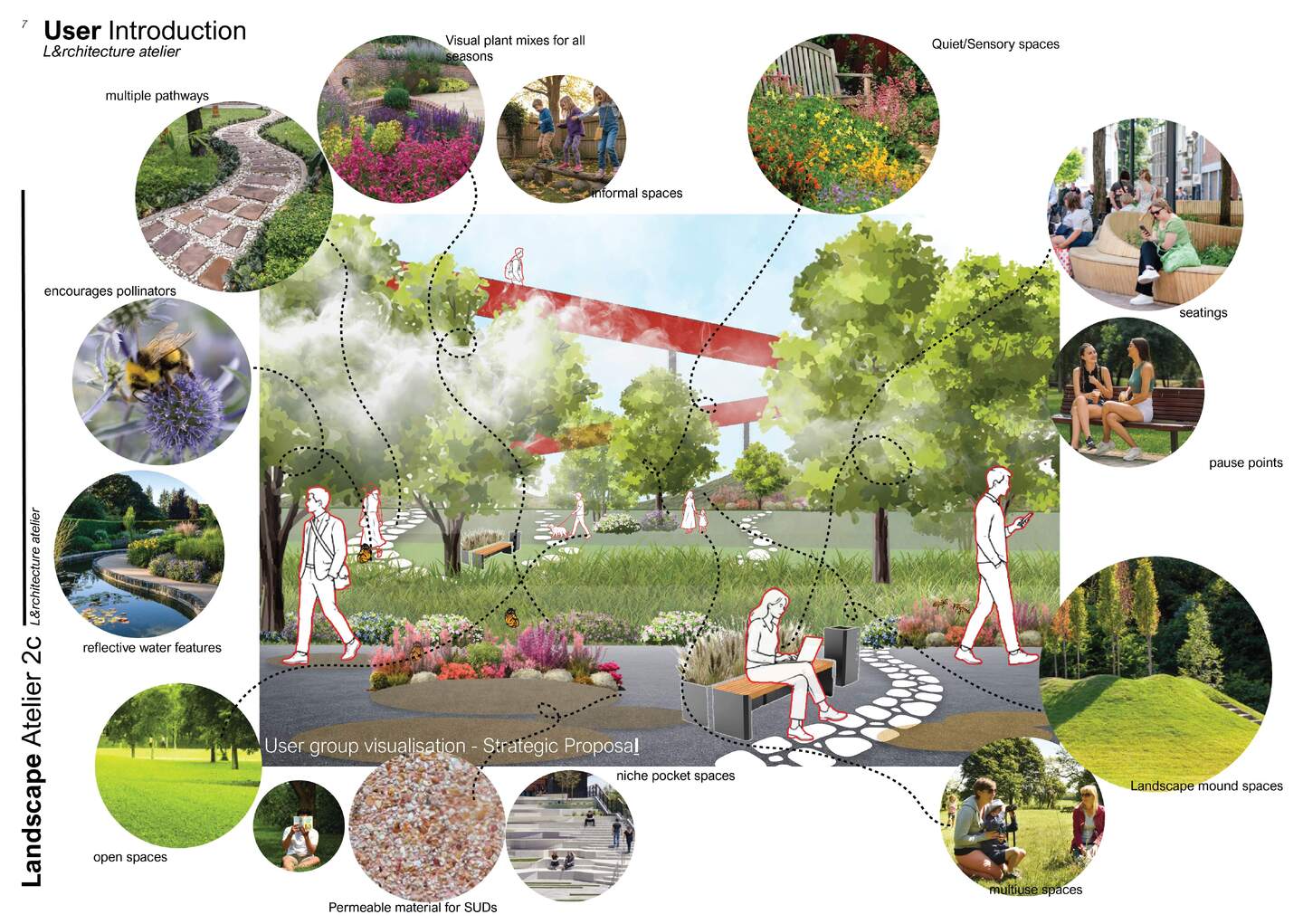
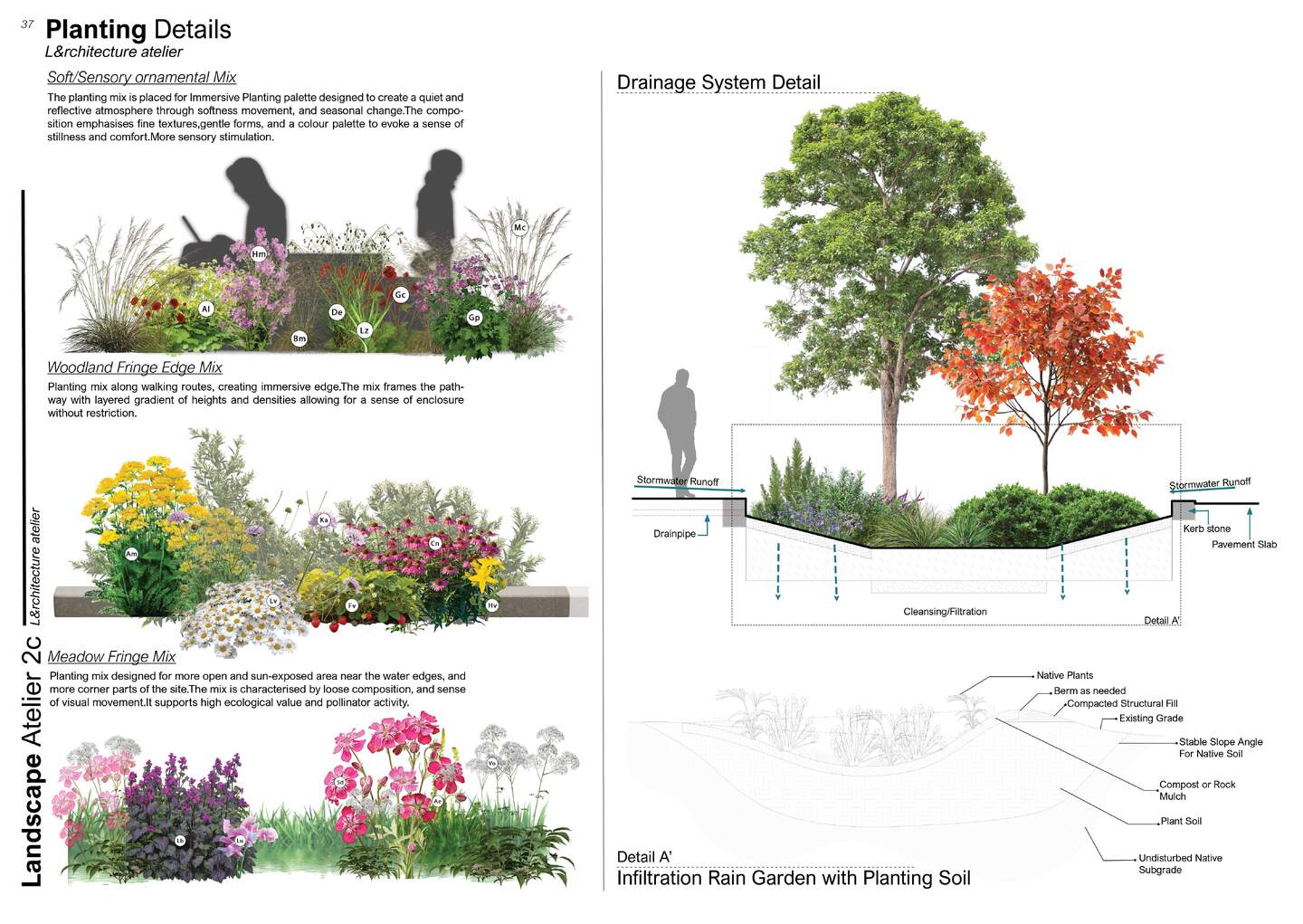
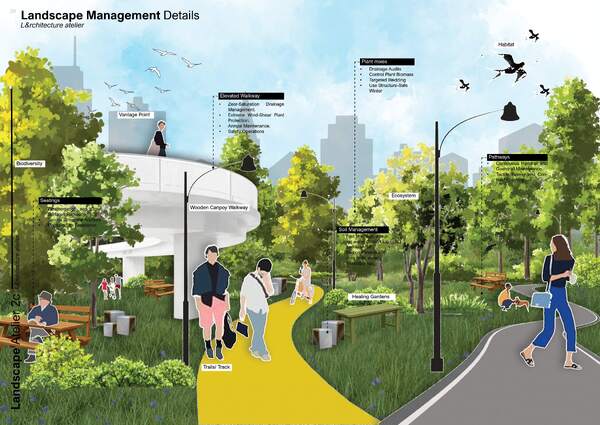
In this thesis, I questioned the exisitng platforms for youth in Moston and Reimagine how landscape and public space can move beyond neutrality to become platforms for "Belonging".Drawing from diffferent "Anchors" of the environment, the project explores how youth-led spatial appropriation can reclaim neglected spaces and create environments that encourage agency and community identity.Emerging as a direct response to the absence of youth-focused politics,the project attempts to demonstrate how youth space can become catalysts for social belonging and beome an answer for spatail justice.