

My research and design practice treat landscape architecture as a critical and interpretative medium for revealing, reconnecting, and reimagining the hidden ecological, hydrological, geological, and cultural systems within the urban environment. I am particularly interested in landscapes shaped by industrial history, water infrastructure, ecological succession, and non-human habitation, and I explore how design can render these often-overlooked relationships visible and meaningful.
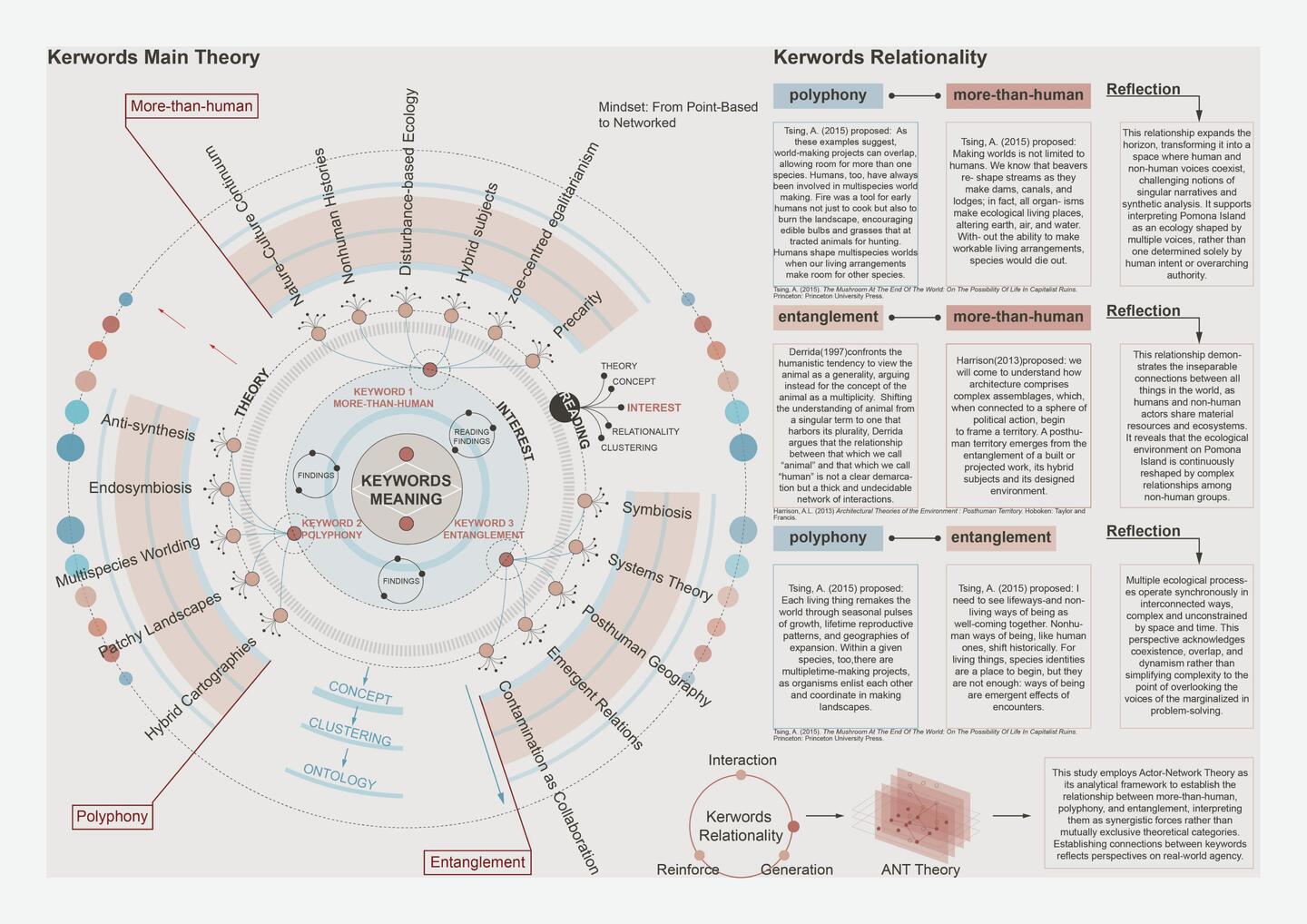
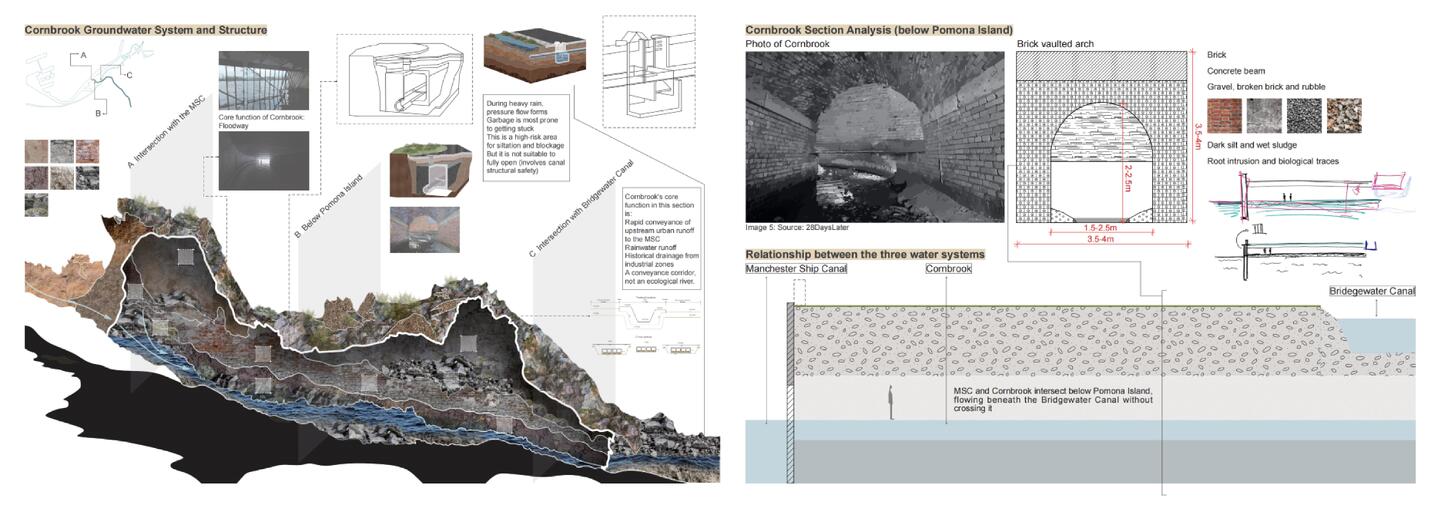
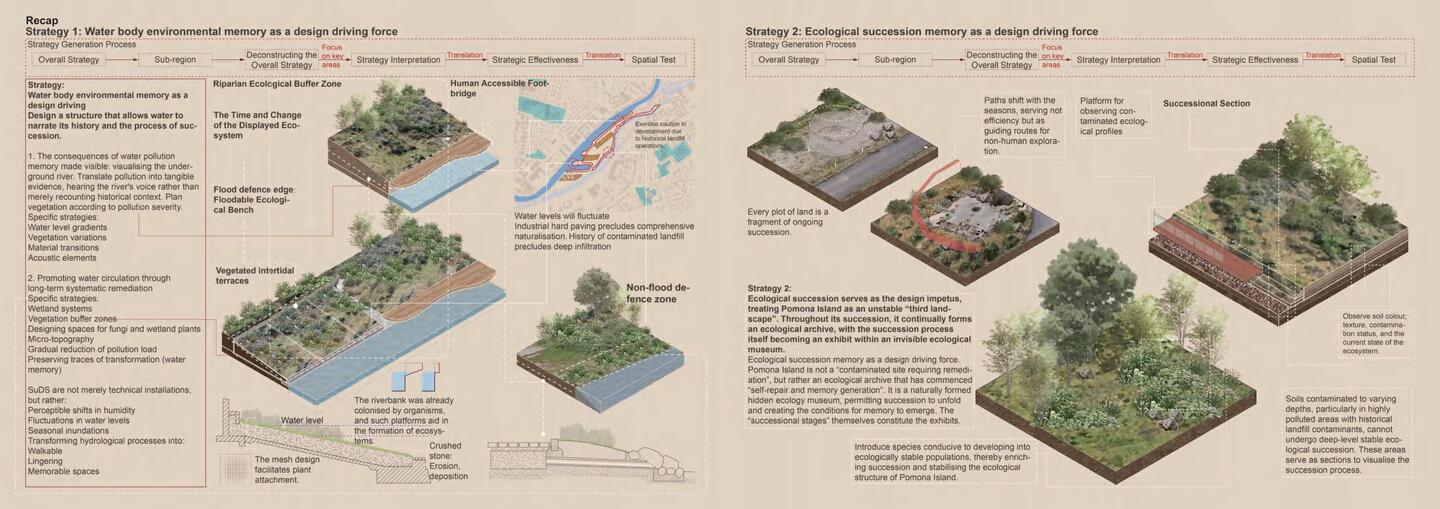
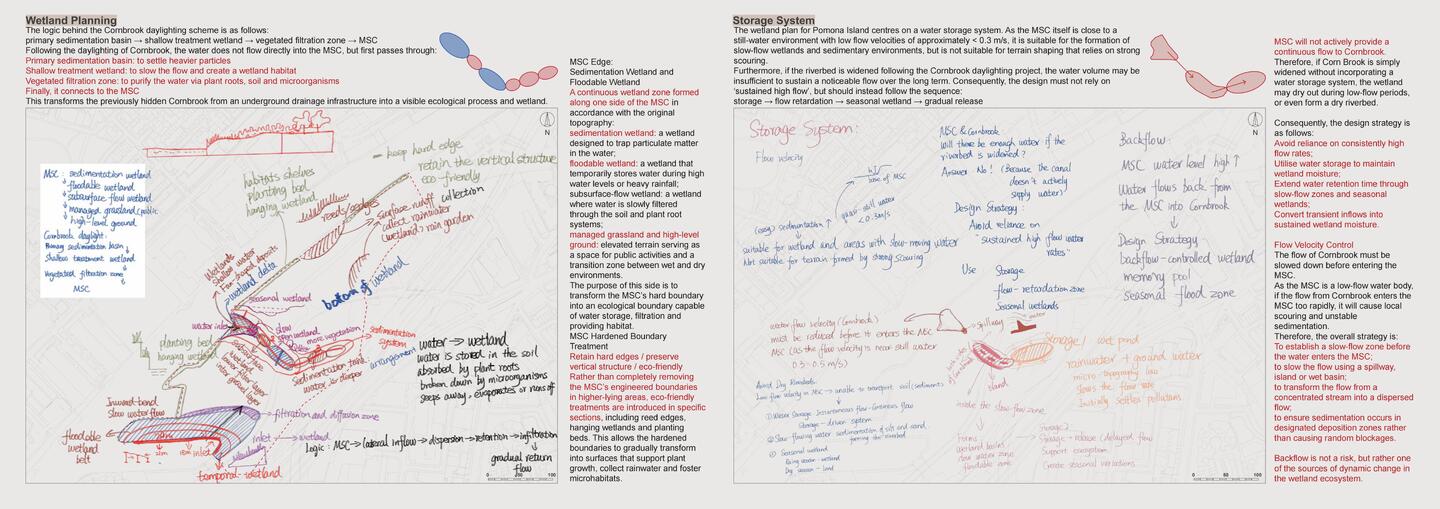
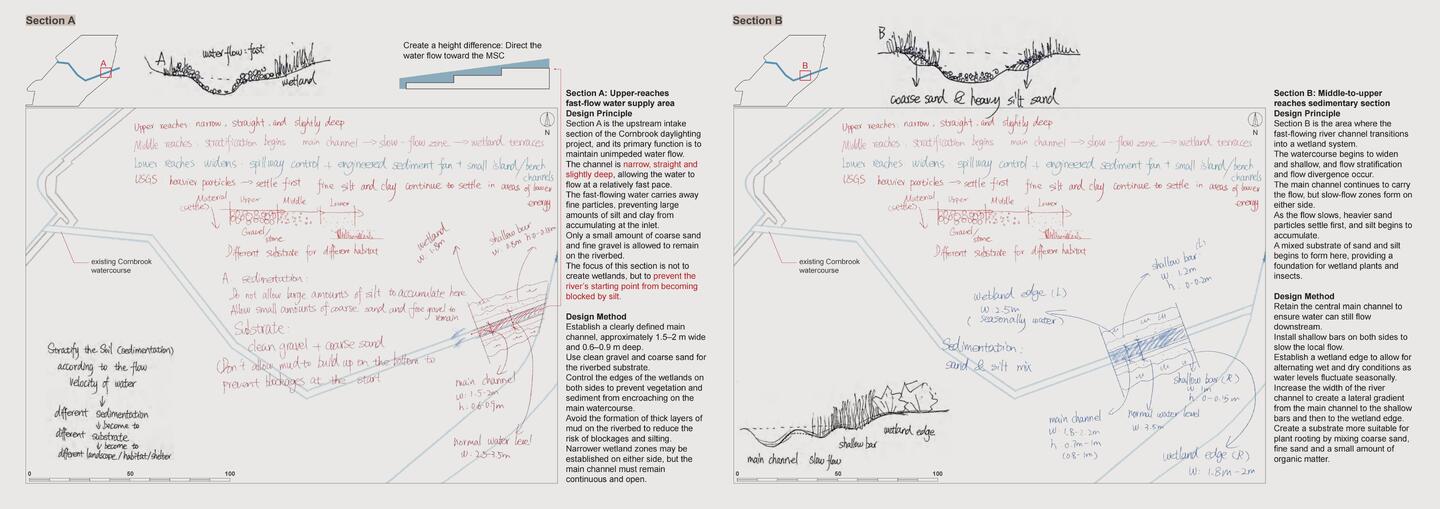
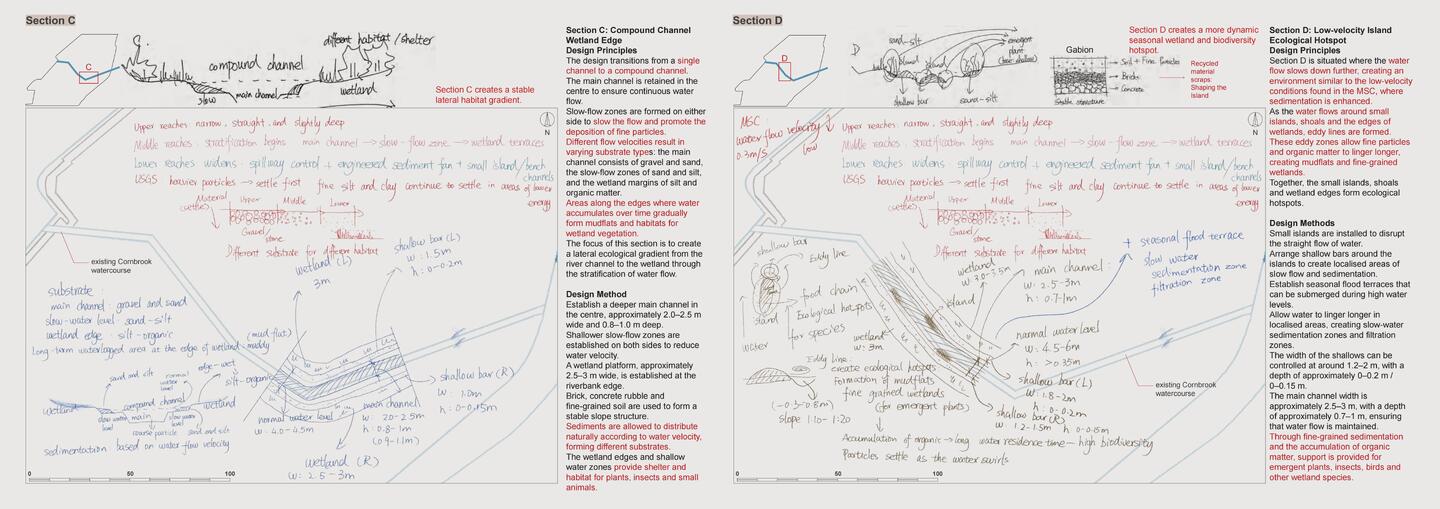
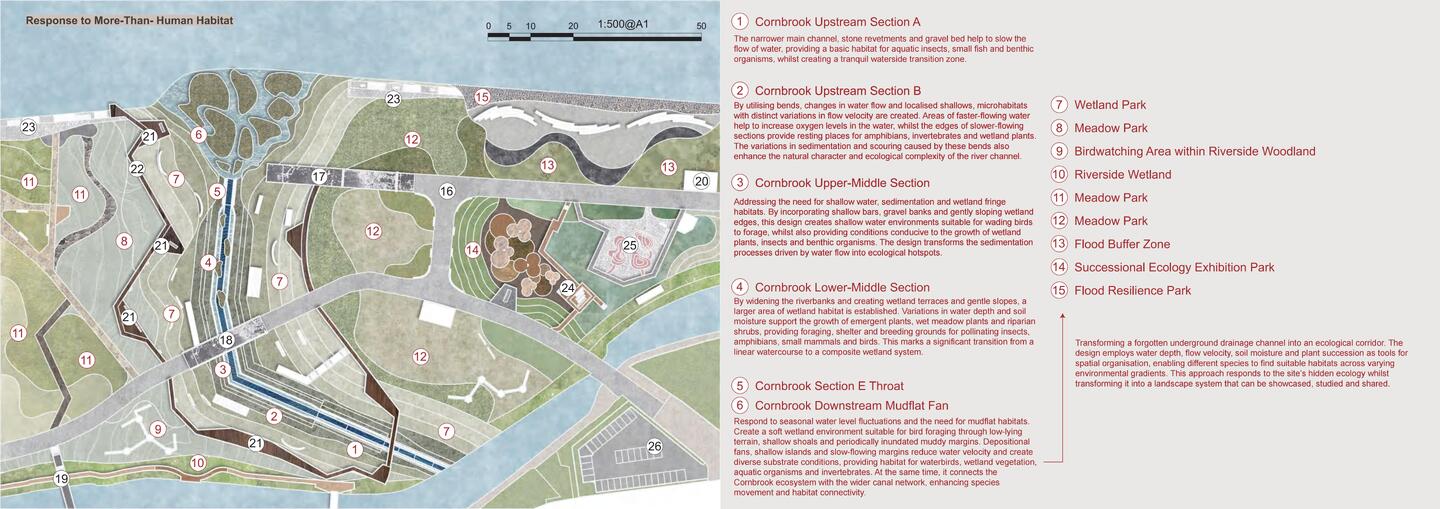
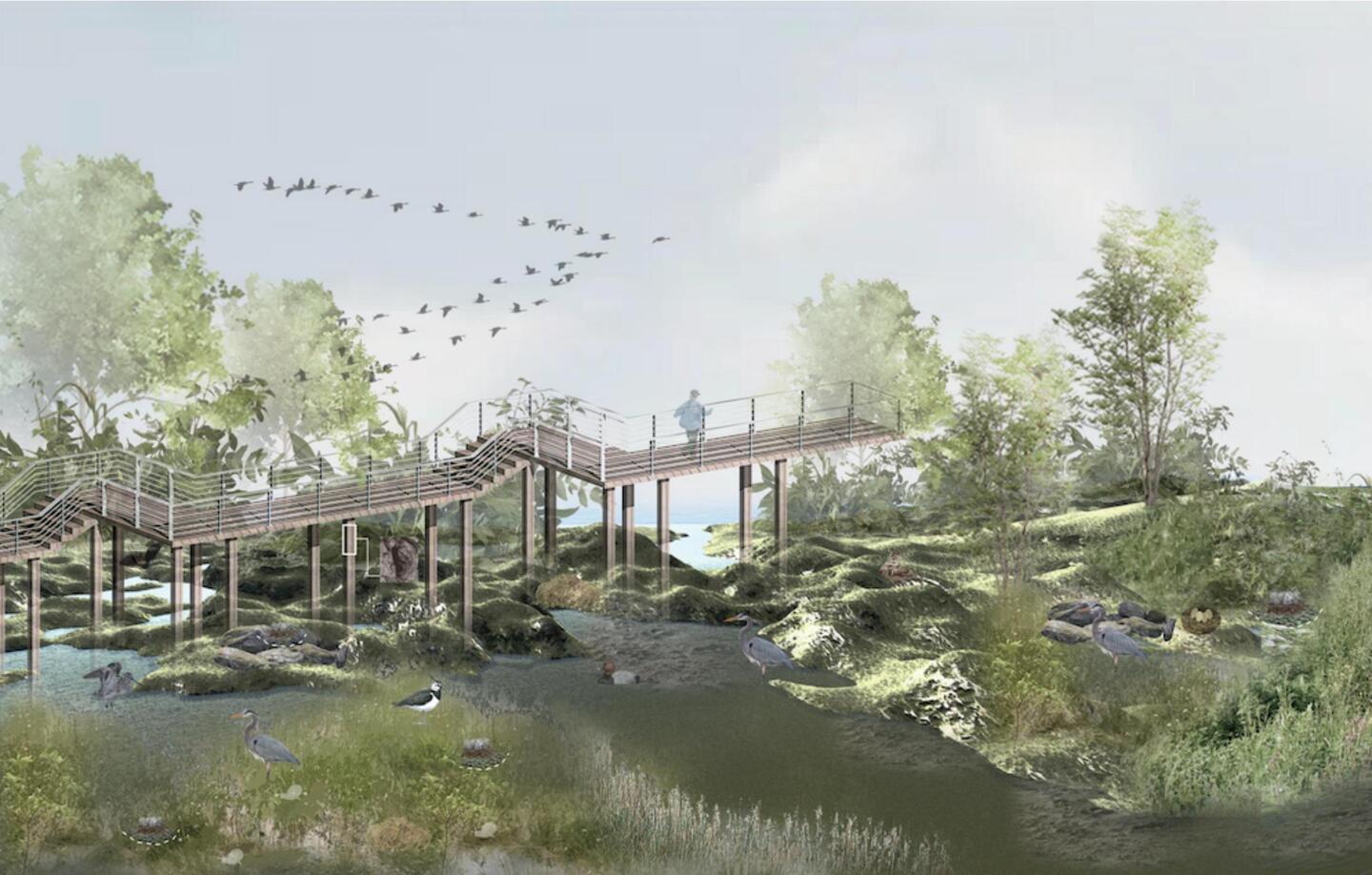
My recent project at SKN Studio, Hidden Waters, Living Memory, focused on Pomona Island in Manchester and the buried Corn Brook. The project proposed daylighting this concealed waterway and integrating it into a broader “Museum of Hidden Ecologies”. Rather than treating the site as residual brownfield land awaiting development, the project interprets it as a complex, living archive: water, soil, sediments, plants, animals, industrial remnants, and human activity all participate in and continuously shape this landscape.
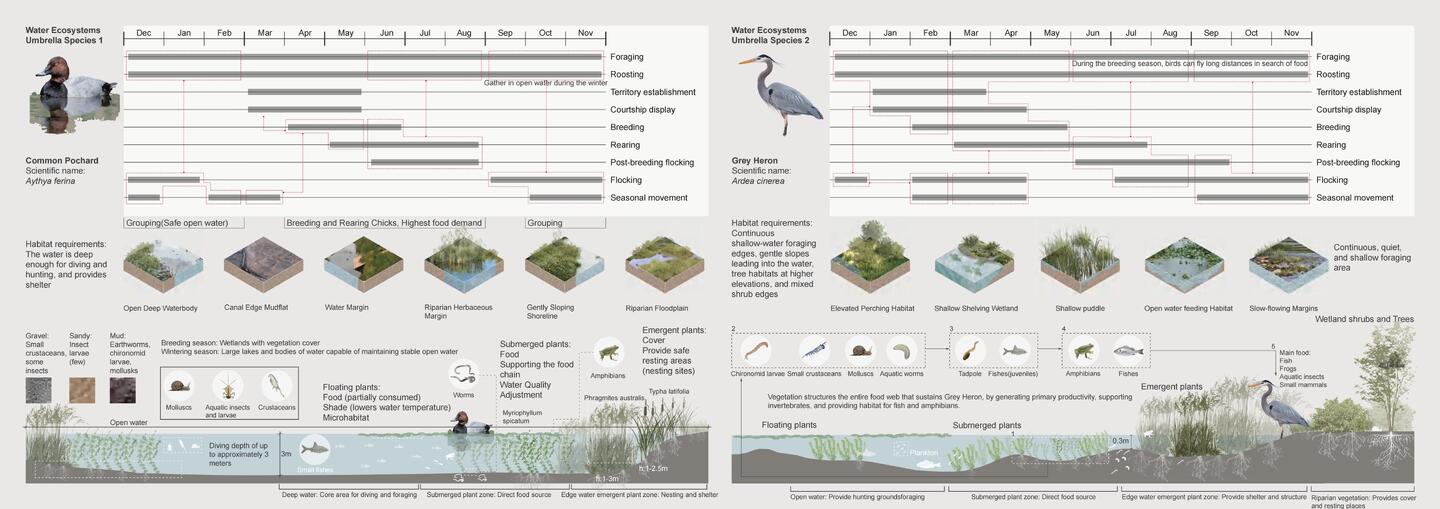
Through adaptive water management, ecological restoration, habitat creation, material reuse, and long-term succession management, the project explores how landscape architecture can collaborate with unstable and constantly shifting environmental processes, rather than imposing fixed, human-centred forms upon them. Seasonal flooding, sediment migration, spontaneous plant colonisation, and shifting species relationships are all treated as active participants in the design.
This practice focuses on landscape as a complex living infrastructure, capable of bearing multiple and even conflicting histories. I aim to develop a design approach that is ecologically responsive, critically aware, and capable of continuously adapting over time. Through this work, I hope to contribute to a more resilient, inclusive, and post-anthropocentric urban future.