
Manchester Metropolitan University

The MSA's PhD programme focuses on transforming the way we think about cities and envisaging new ways of living and working. Our Research Degree students are supported by staff who possess a unique and broad range of interests and expertise across theory, design, policy, and practice. Our approach is intrinsically interdisciplinary and is open to students with interests in any aspect of architectural research, including Architecture and Urbanism, Heritage, Urban and Community Resilience, Smart Cities, Adaptive re-use, Ageing in Place, Landscape Architecture, Digital arts and design.

Our students develop collaborative, inter-disciplinary methodological approaches to understanding architecture and engaging with contemporary practice in global contexts. Through this, PhD candidates build networks and relationships that will be beneficial for their future careers, whether in academia or otherwise.

Manchester Met's Researcher Development Programme provides research training, skills development opportunities and workshops on the various progression stages of the doctoral experience. Students are supported by seminars, exhibitions, and reviews, complemented by symposiums and student led activities.

Profiles of PhD students at Manchester Met


University of Manchester

PhD Architecture at the University of Manchester is based within the Manchester Architecture Research Group (MARG) and looks beyond technical design to the complex processes and practices that run through the development, adaptation, and the use of built environments.

We traverse the disciplinary boundaries of architecture, the humanities, and social sciences to open new areas of architectural research, create new standards of architectural study, and craft new conceptual language to inform and influence architectural policy.

Sitting within the School of Environment, Education and Development and the Manchester Urban Institute allows us to benefit from synergies with Planning and Environmental Management, Geography, and several other disciplines. Through these connections, we have developed a distinctive expertise based on theoretical experimentation, methodological rigor, empirical attention, and a hands-on study of architectural practice, building technology, and techniques of architectural representation and mapping.

Profiles of PhD students at The University of Manchester

Current PhD students

Charlie White (MMU)

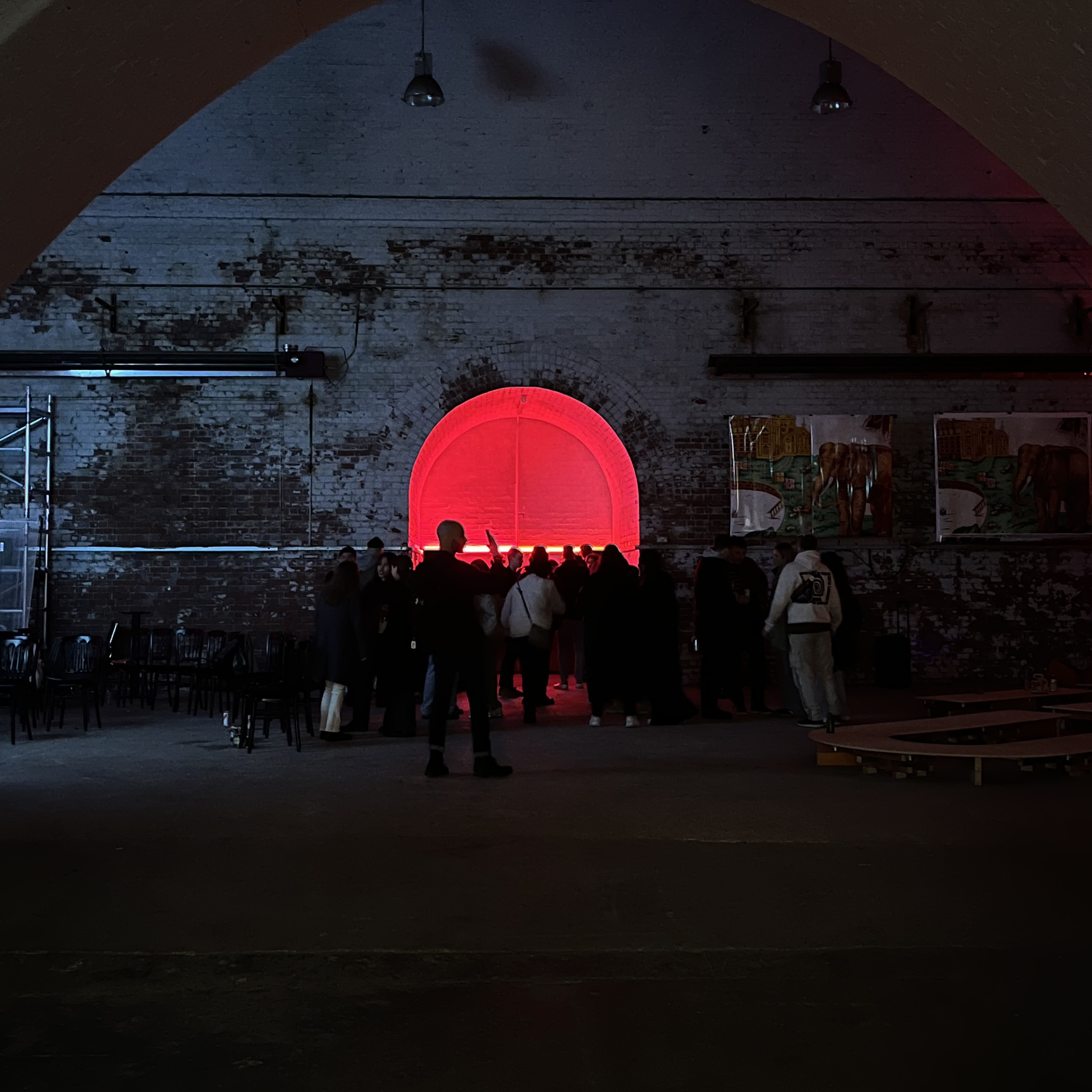
As residential development pushes into established nightlife districts, noise has become a central fault line in the politics of the nocturnal city. Nightclubs rely on loud, amplified sound as the foundation of collective experience, yet that very condition places them in direct conflict with neighbouring residents. Through noise complaints, nightclub sound becomes a site where contests over cultural recognition and urban belonging are played out.

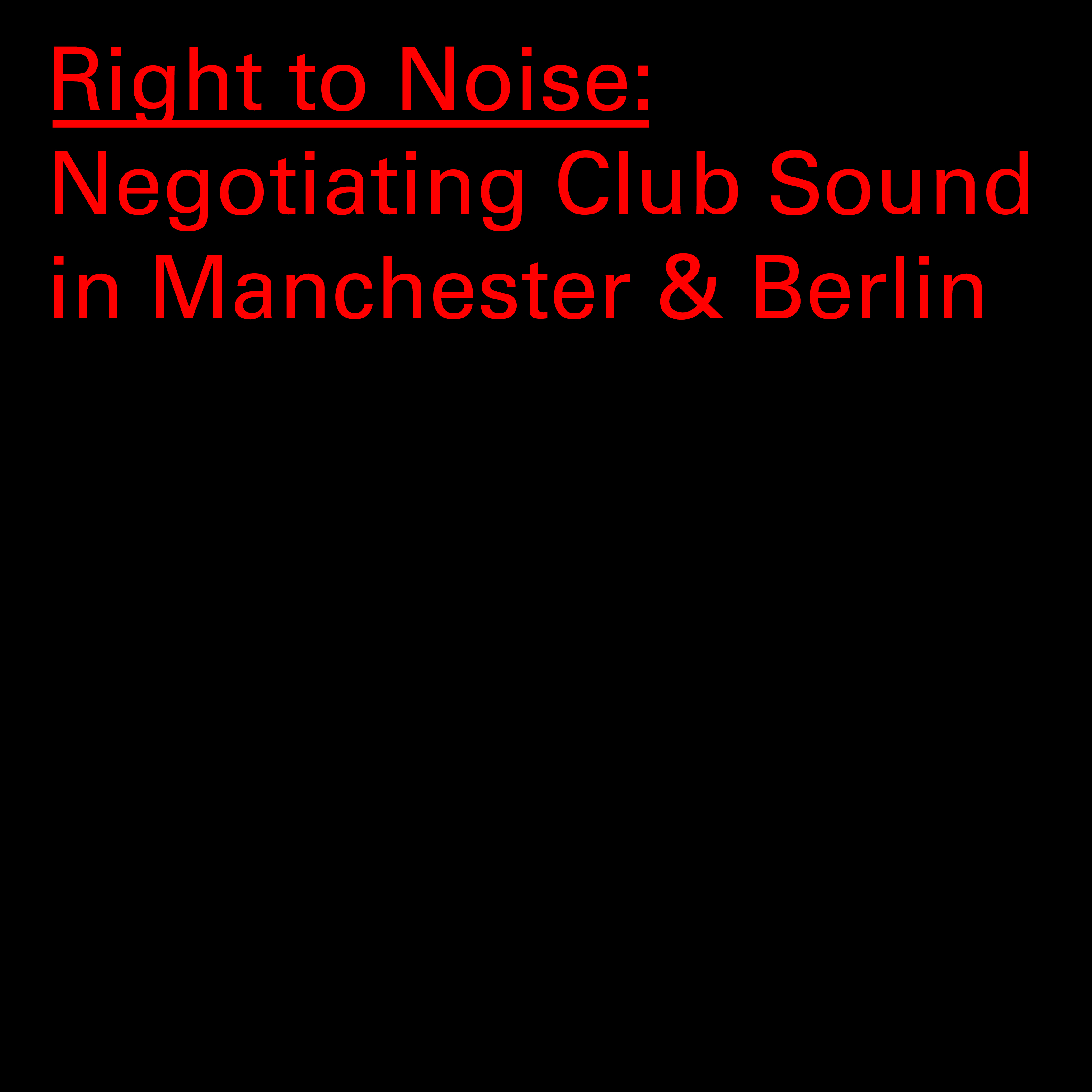
Extending Lefebvre's Right to the City, this paper develops a Right to Noise, asking who has the right to make noise—or the power to silence it? It argues that complaint-led regulation systematically marginalises club culture and renders venues structurally vulnerable. For minoritised communities, clubs function as vital cultural infrastructure—spaces of refuge, visibility, and belonging—yet they lack formal voice in the governance systems that shape their future.

Manchester and Berlin serve as comparative case studies. In Manchester, Night and Day Café was drawn into a three-year court battle despite planning protections, exposing the limits of the Agent of Change principle. In Berlin, the Schallschutzfonds has delivered technically successful acoustic interventions, yet complaints persist even where venues operate within legal thresholds. The research combines nocturnal field observation, soundscape recording, and policy analysis, demonstrating that sound is a complex phenomenon that resists the technical categories on which noise governance relies.

The paper argues for a fundamental reorientation: from club culture rendered vulnerable by regimes of enforced quietness, toward governance that actively tolerates and enshrines sound-making cultures. Examining emerging initiatives, from Cologne's Kulturschutzzone to Berlin's Kulturschallverordnung, it argues for integrating venue protection across planning, operational, and regulatory stages, extending debates on spatial inclusion to the sensory conditions of urban life.

Next