

Coexisting with Water
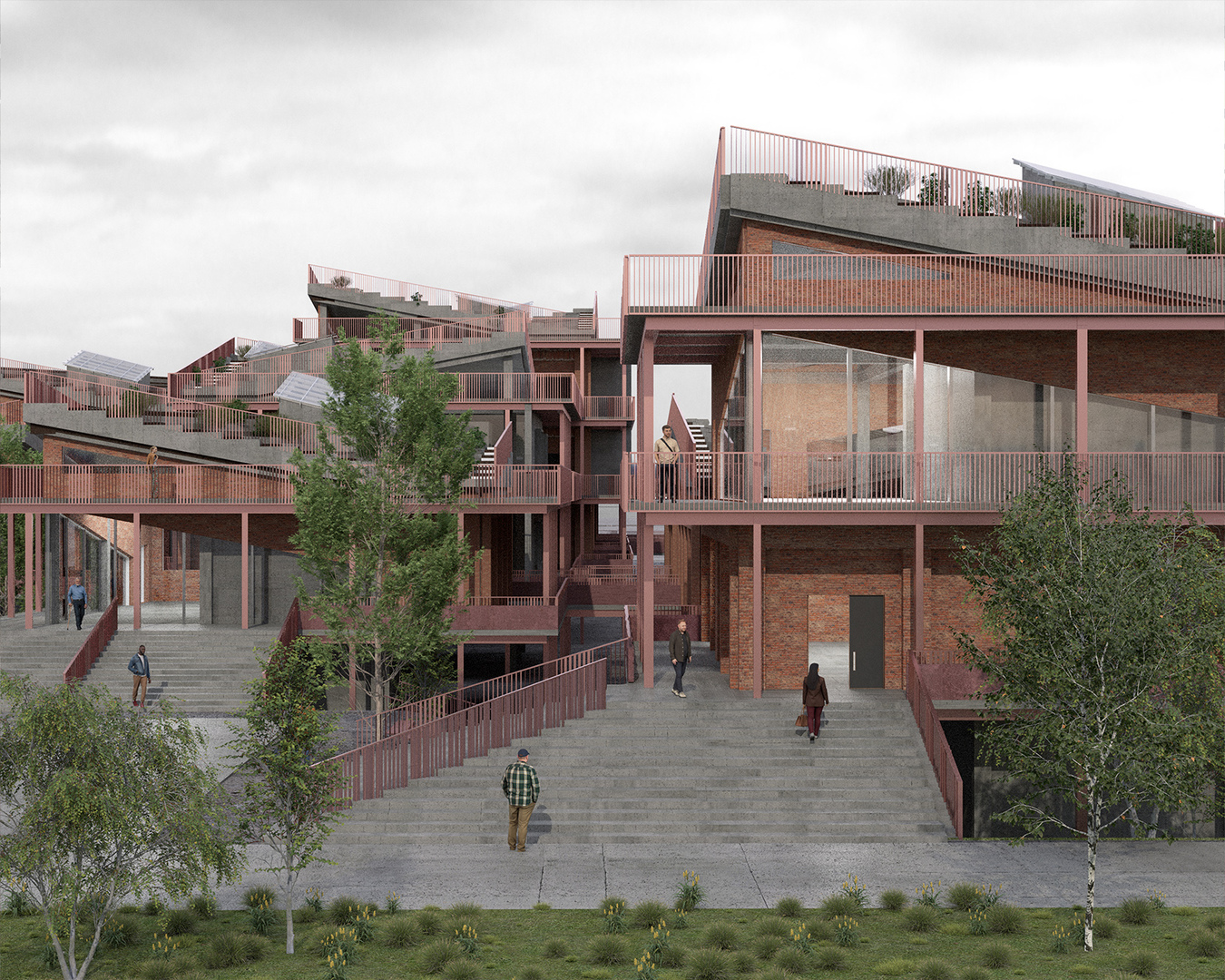
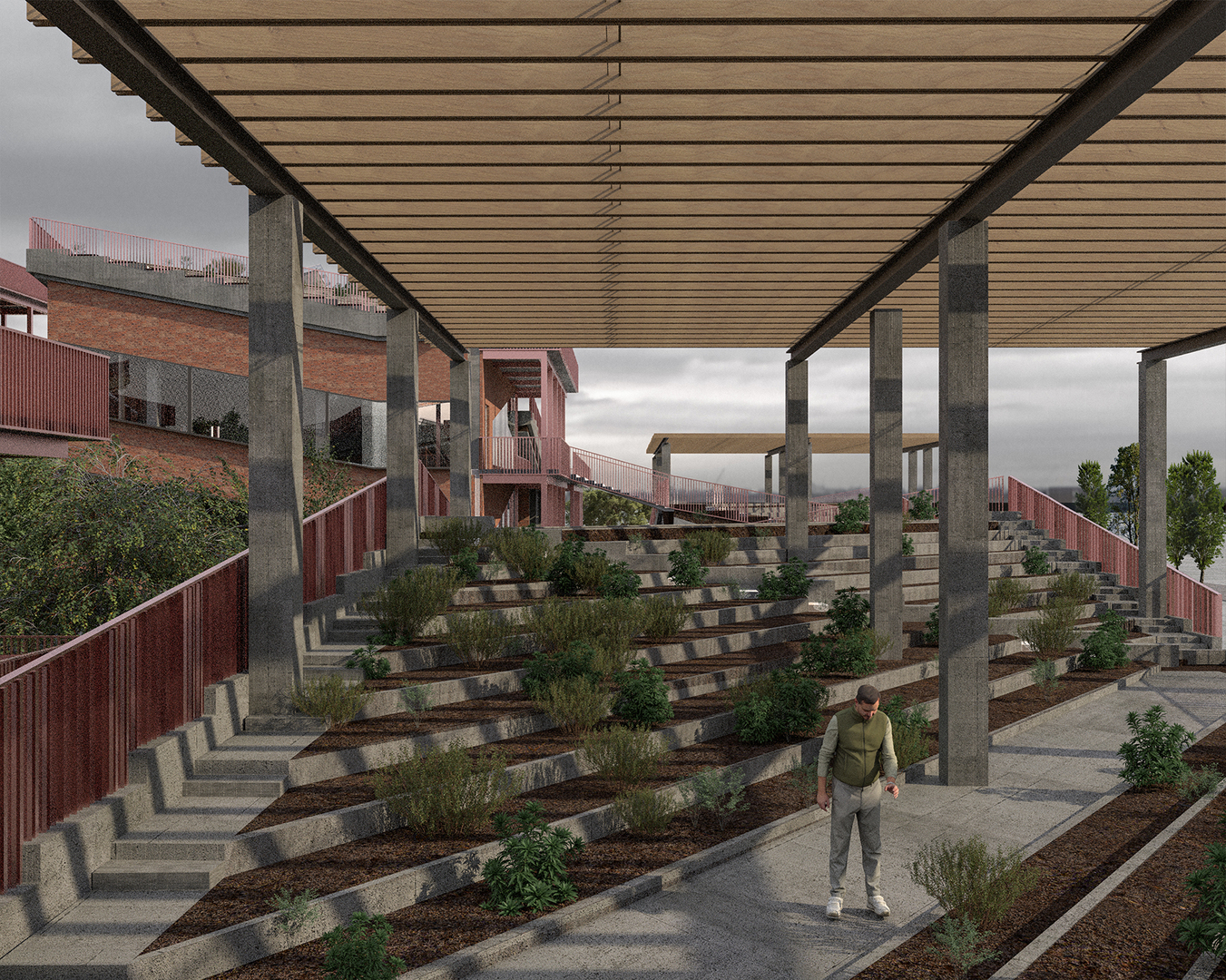
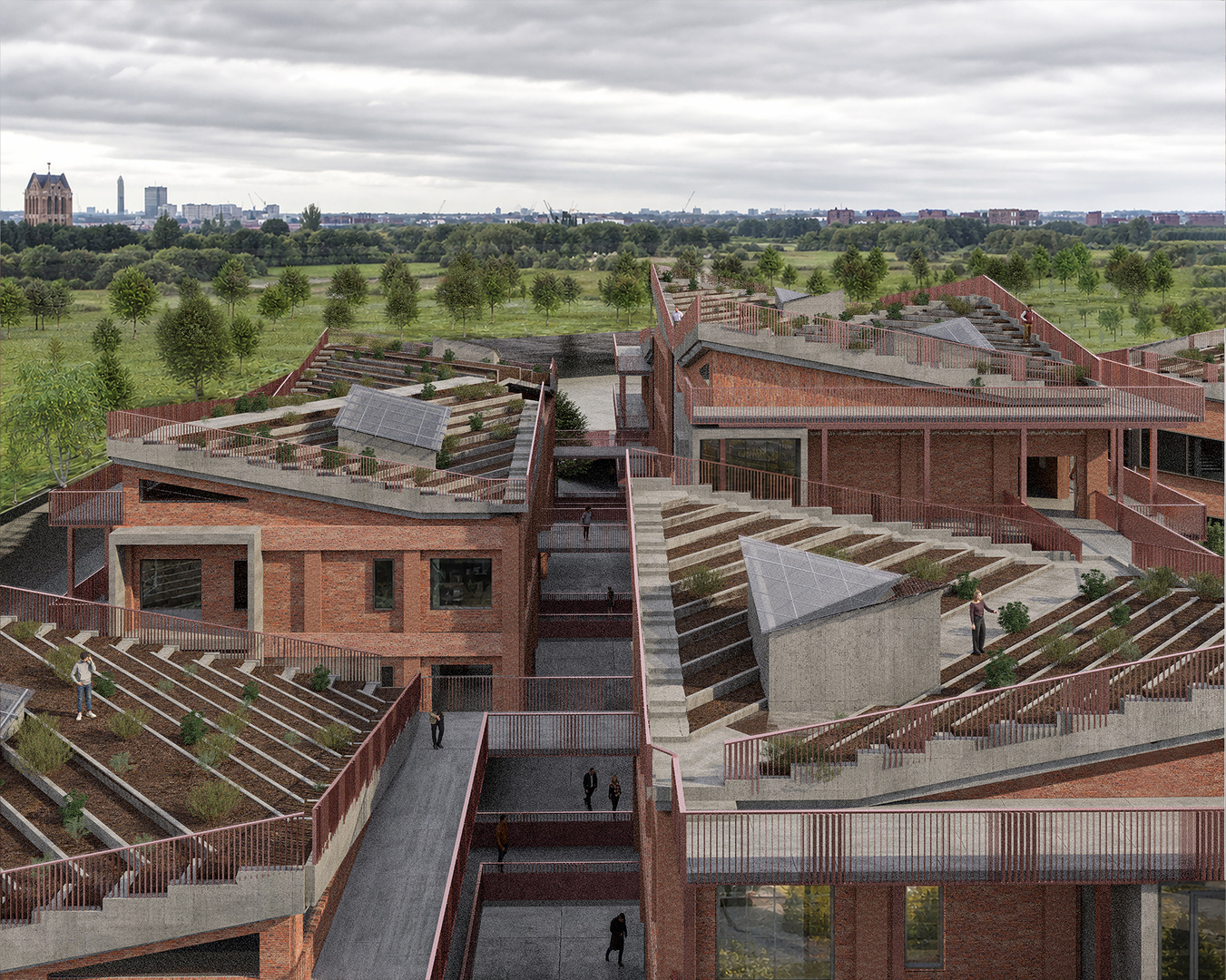
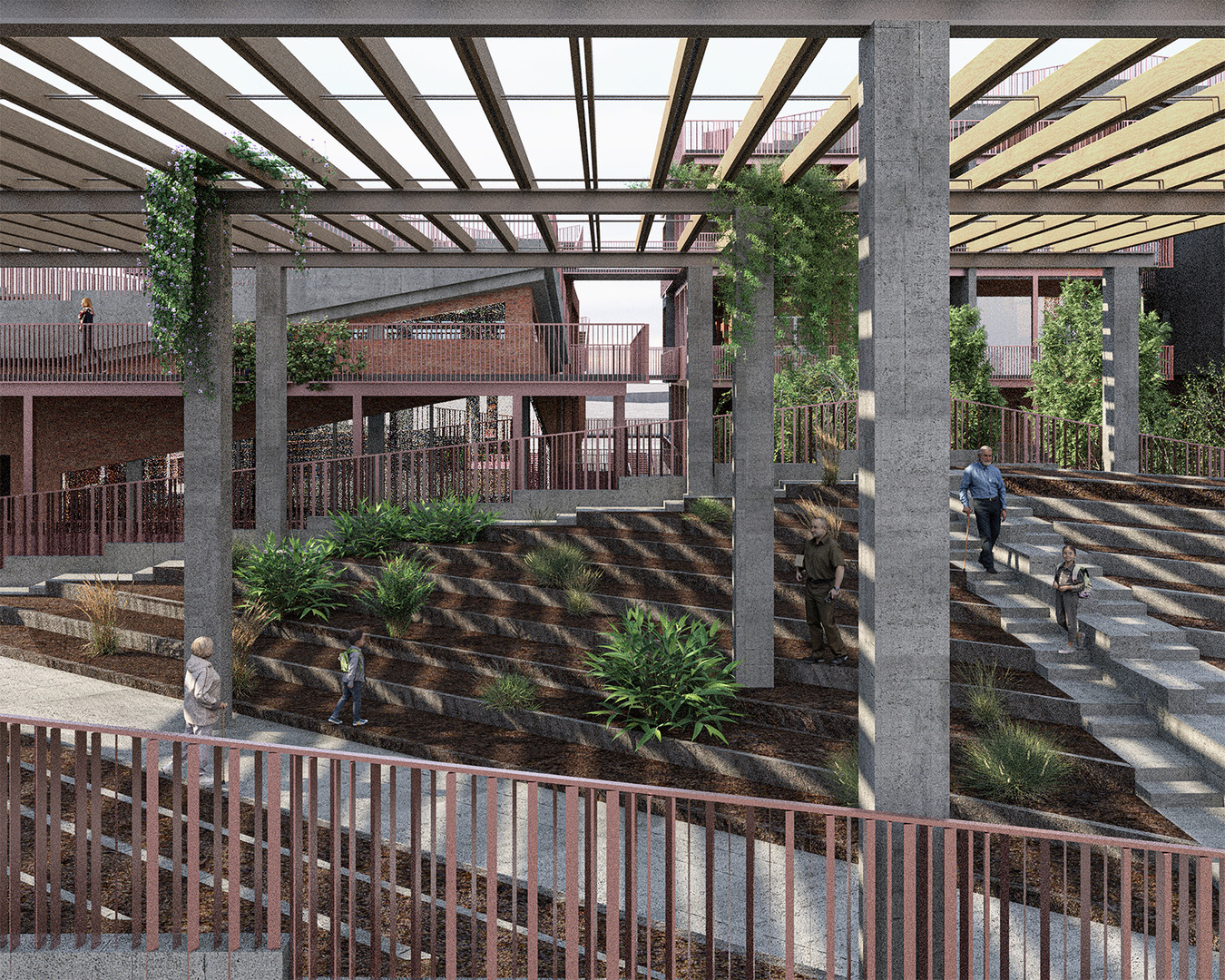
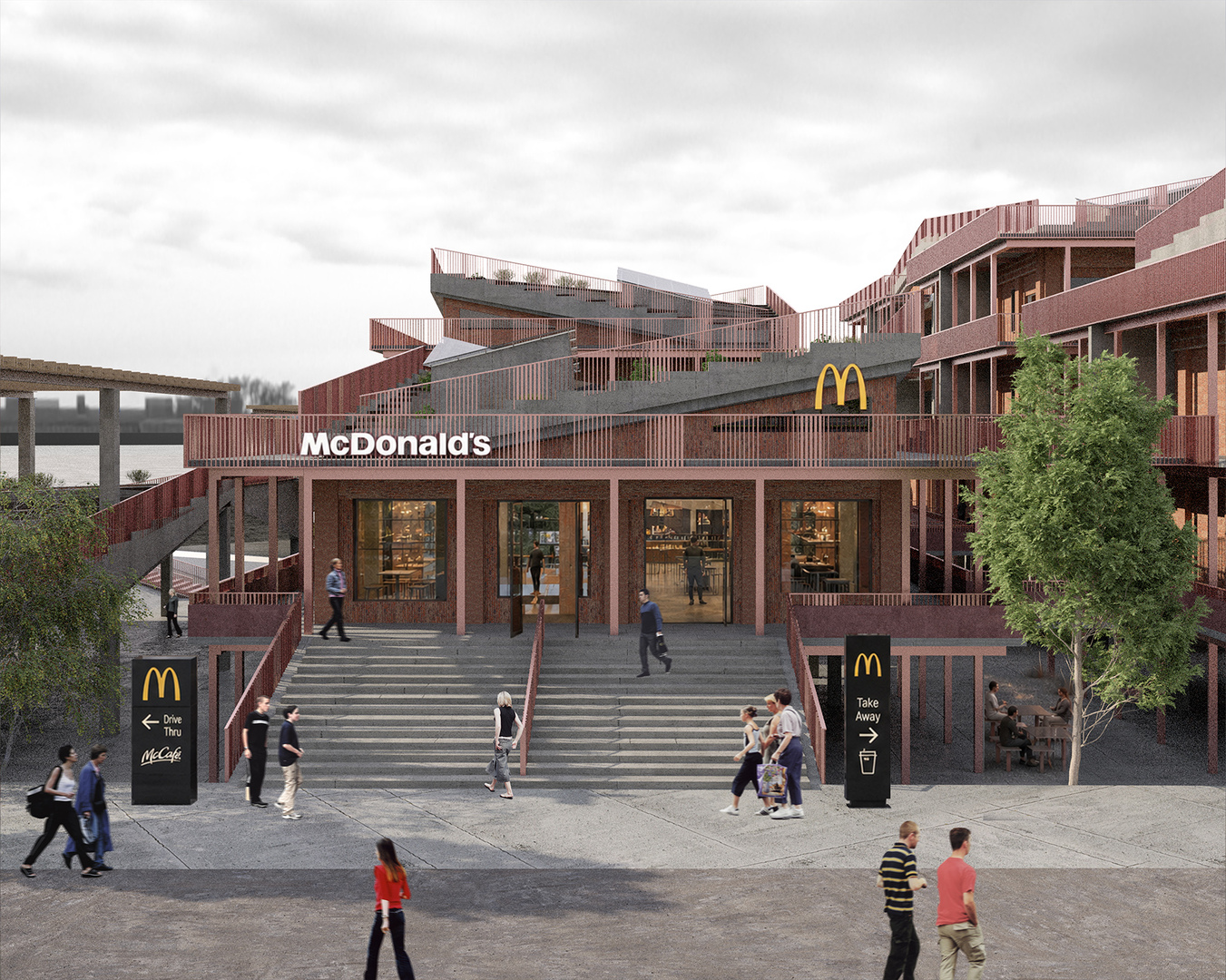
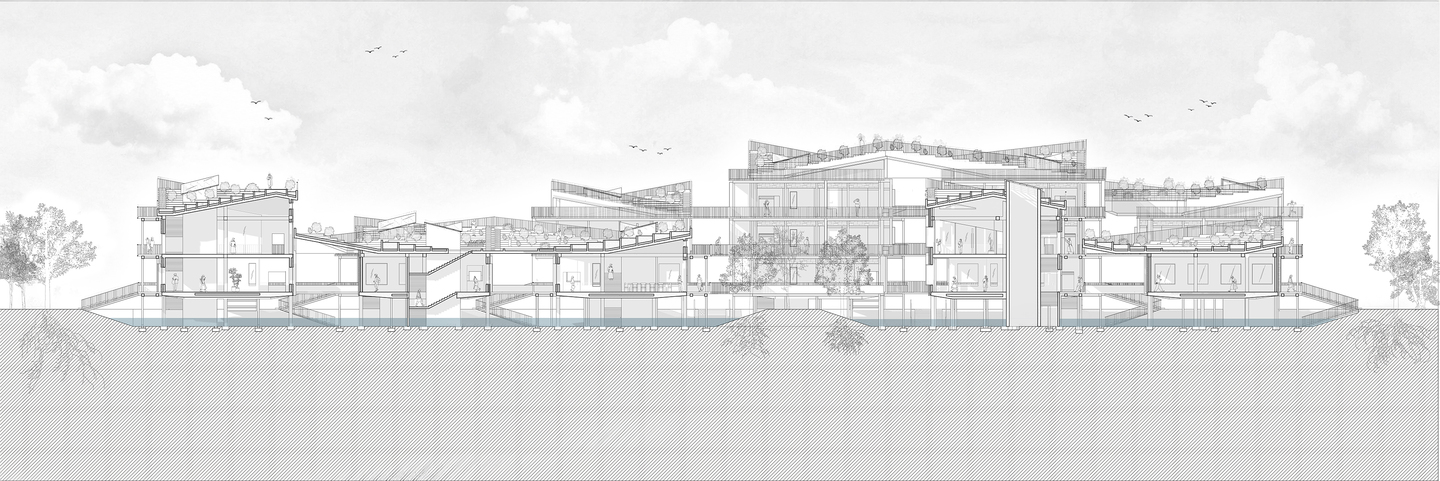
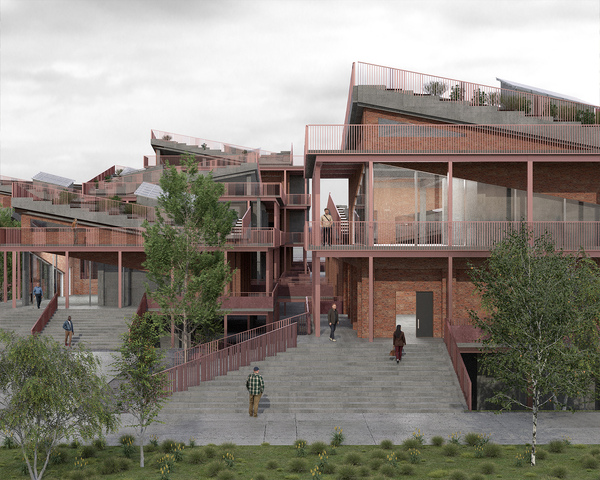
Before the flood, the building provided residents with spaces for daily gardening, relaxation, learning, and community interaction through rooftop allotments, shared platforms, and open ground-level areas. The rooftop gardening areas support residents in growing their own vegetables, herbs, and ornamental plants, addressing the most basic needs for food security and livelihood as outlined in Maslow’s hierarchy of needs; at the same time, participating in the planting and maintenance process strengthens residents’ sense of belonging and responsibility toward the community environment. The ground-floor podium and public platforms provide flexible spaces for markets, neighborhood gatherings, children’s activities, and daily circulation, fostering interaction among people of different ages and backgrounds. The building is not merely a dwelling or a functional container, but rather a community infrastructure that integrates production, social interaction, education, and ecological practices, helping residents build more stable, mutually supportive, and resilient urban relationships in their daily lives.
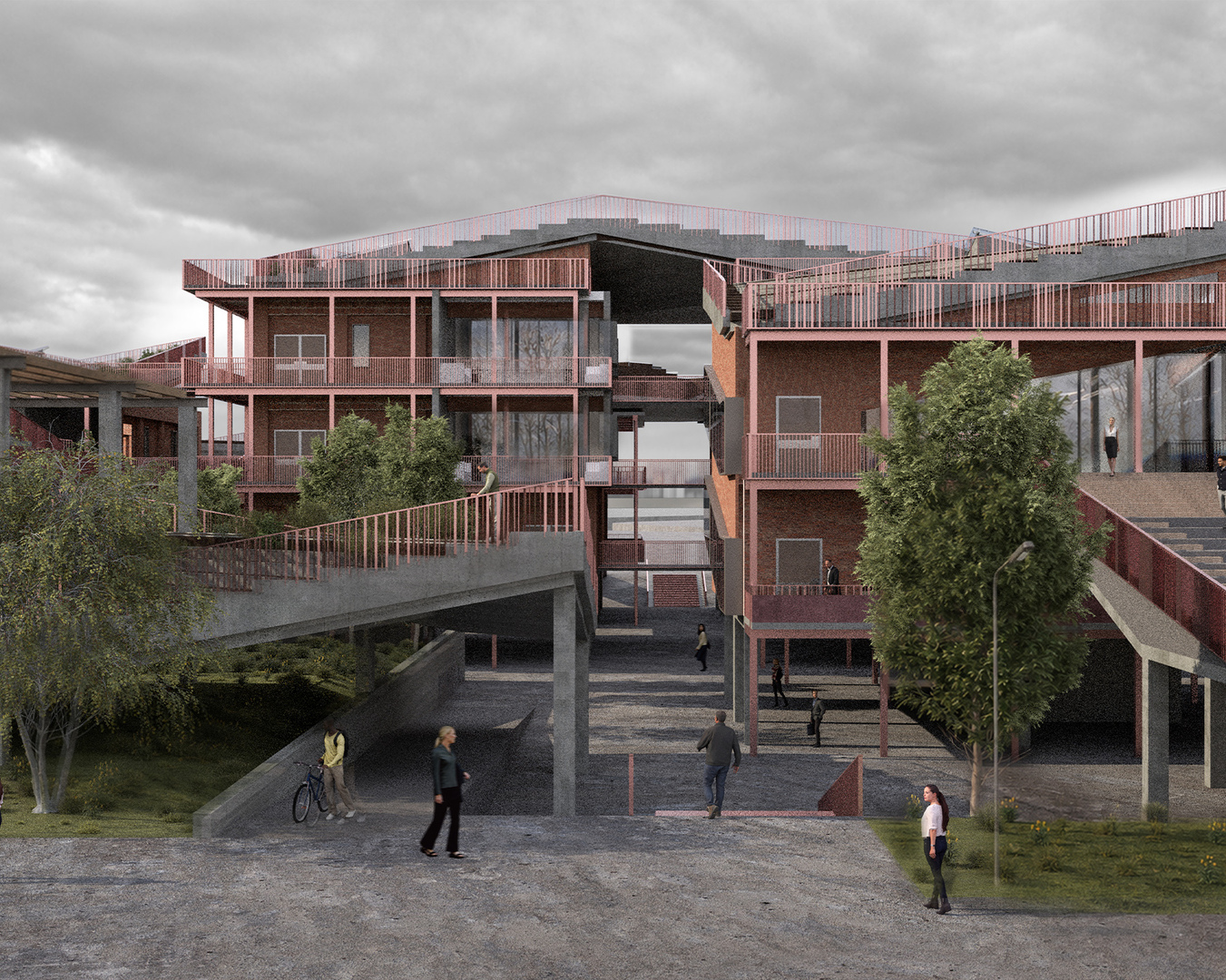
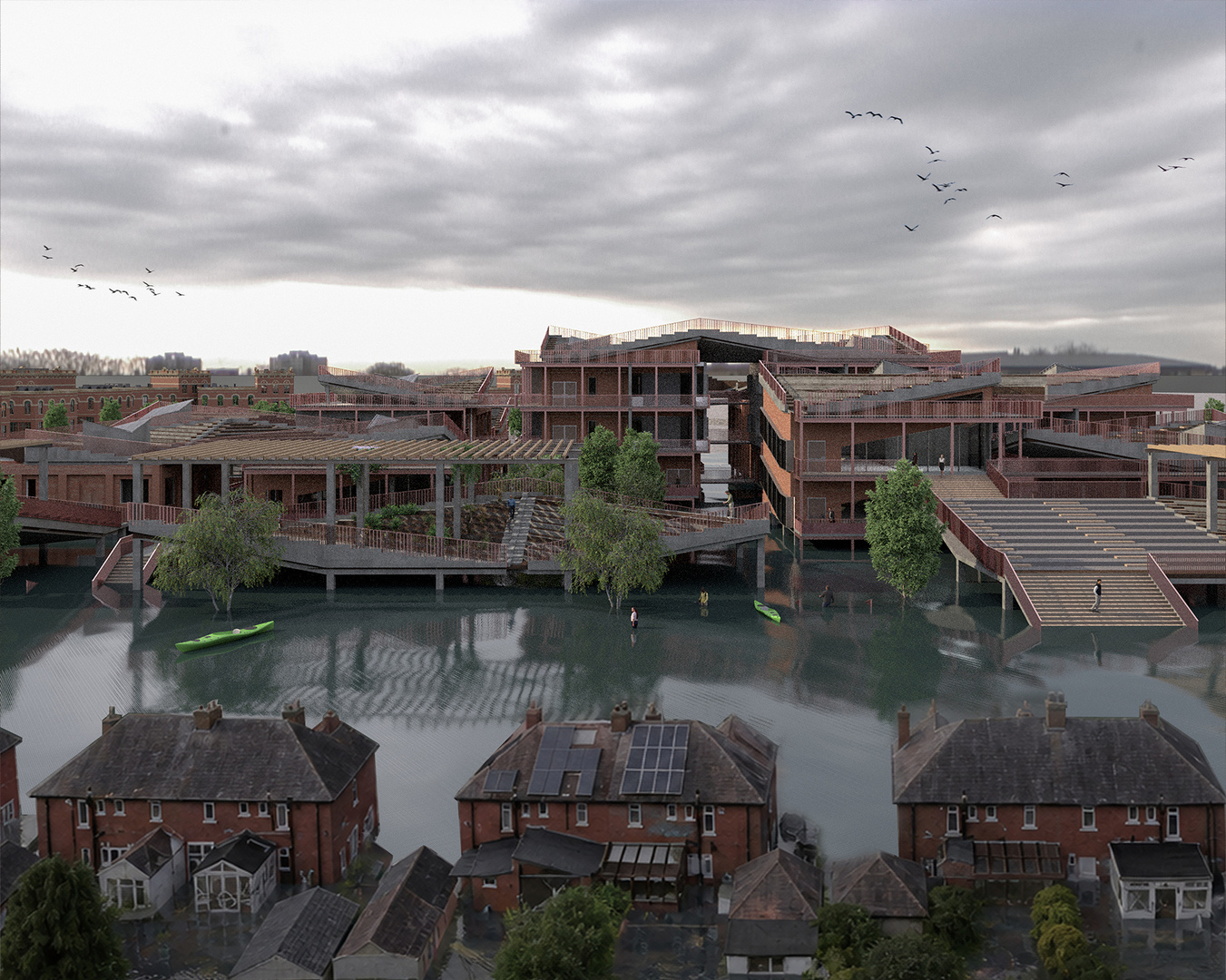
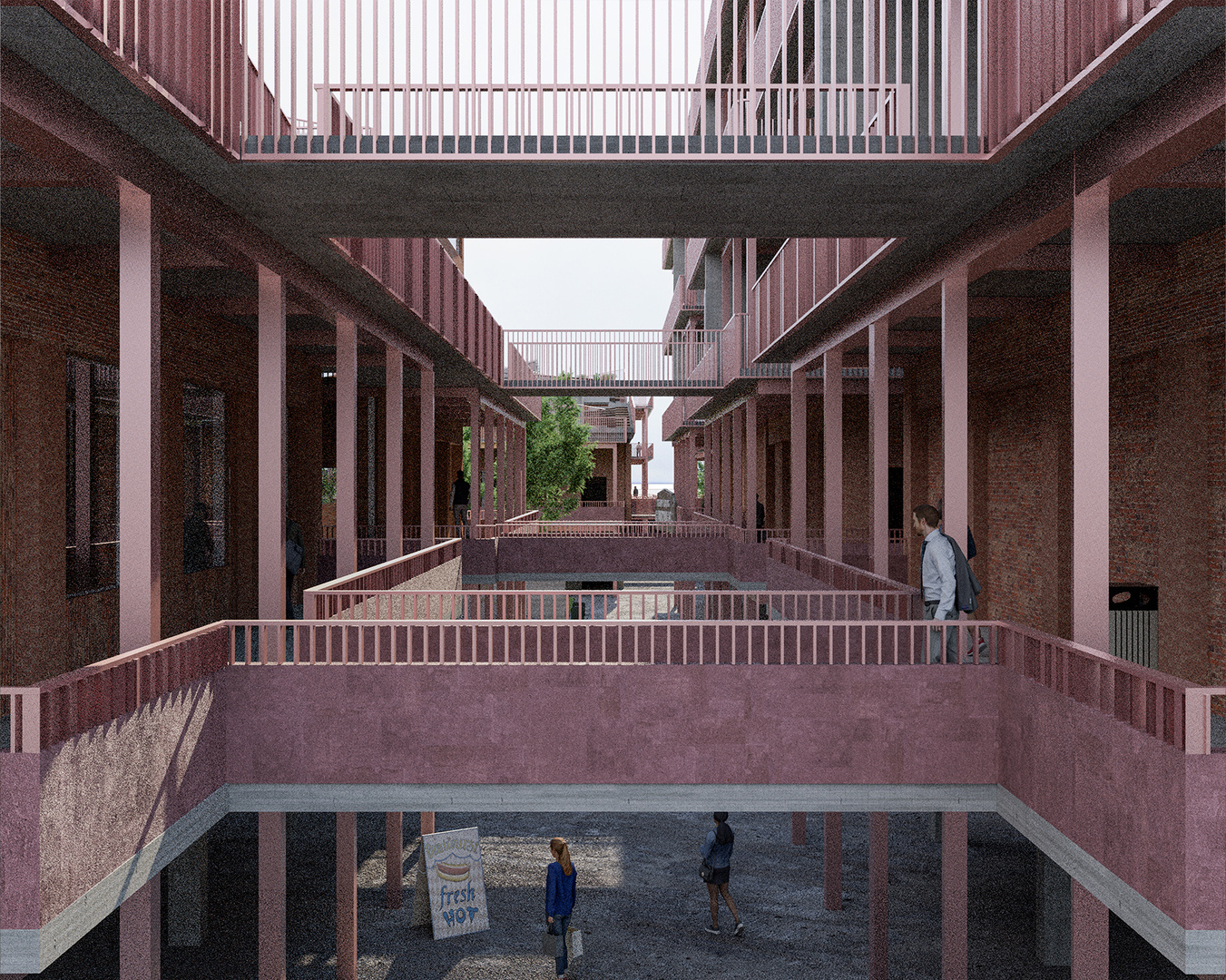
When flooding occurs, the building’s ground-floor void and flood-prone areas are converted into temporary flood retention spaces, allowing floodwaters to flow beneath and be temporarily stored within the structure. This alleviates water pressure and reduces the risk of direct impact on the surrounding urban blocks along Warwick Street. Key living, learning, and community activity spaces are elevated to a safe height, ensuring that residents can still access shelter, mobility, and basic living support during extreme weather events, thereby addressing the safety needs outlined in Maslow’s hierarchy of needs.