

Neighbourhood of Health
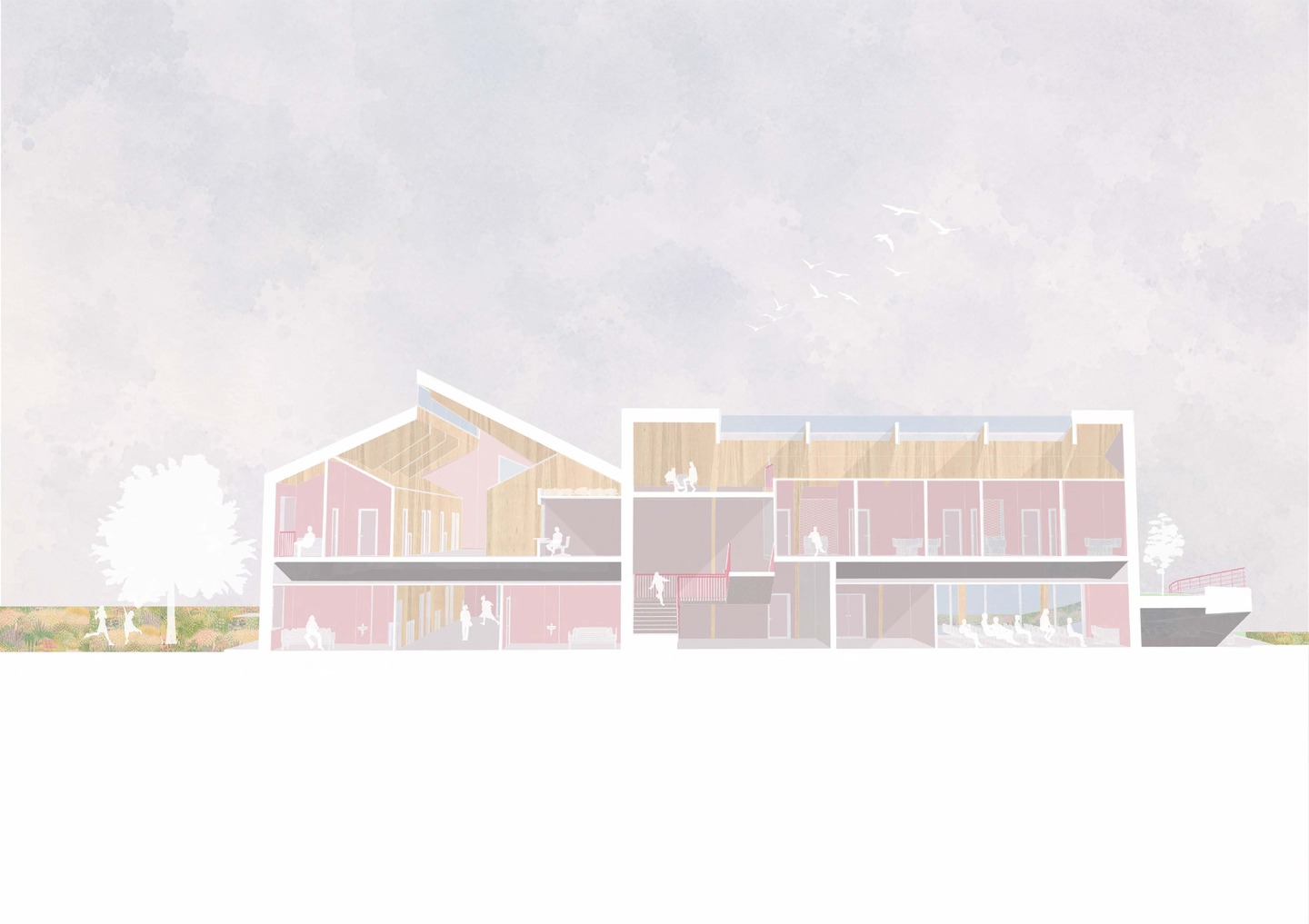
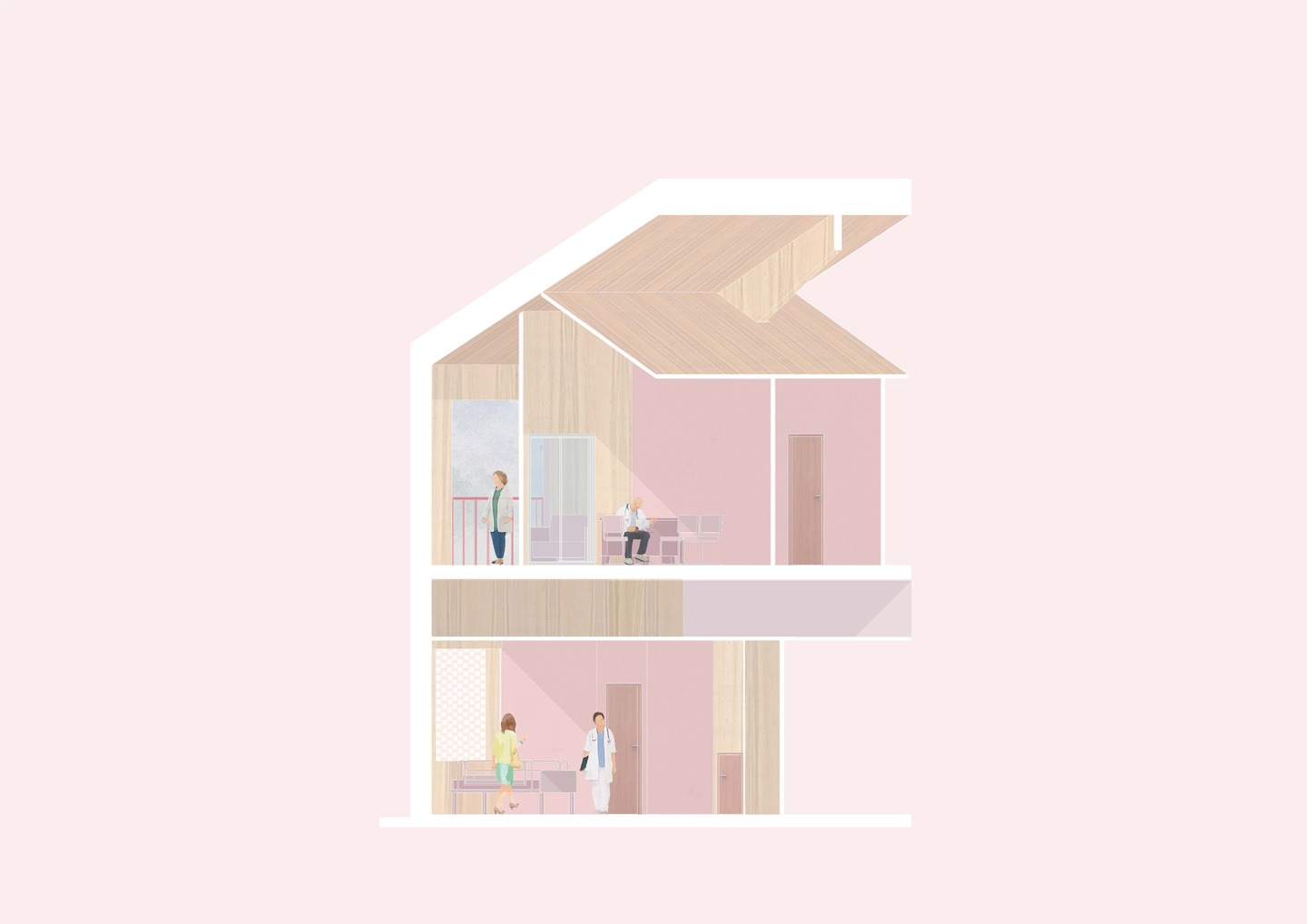
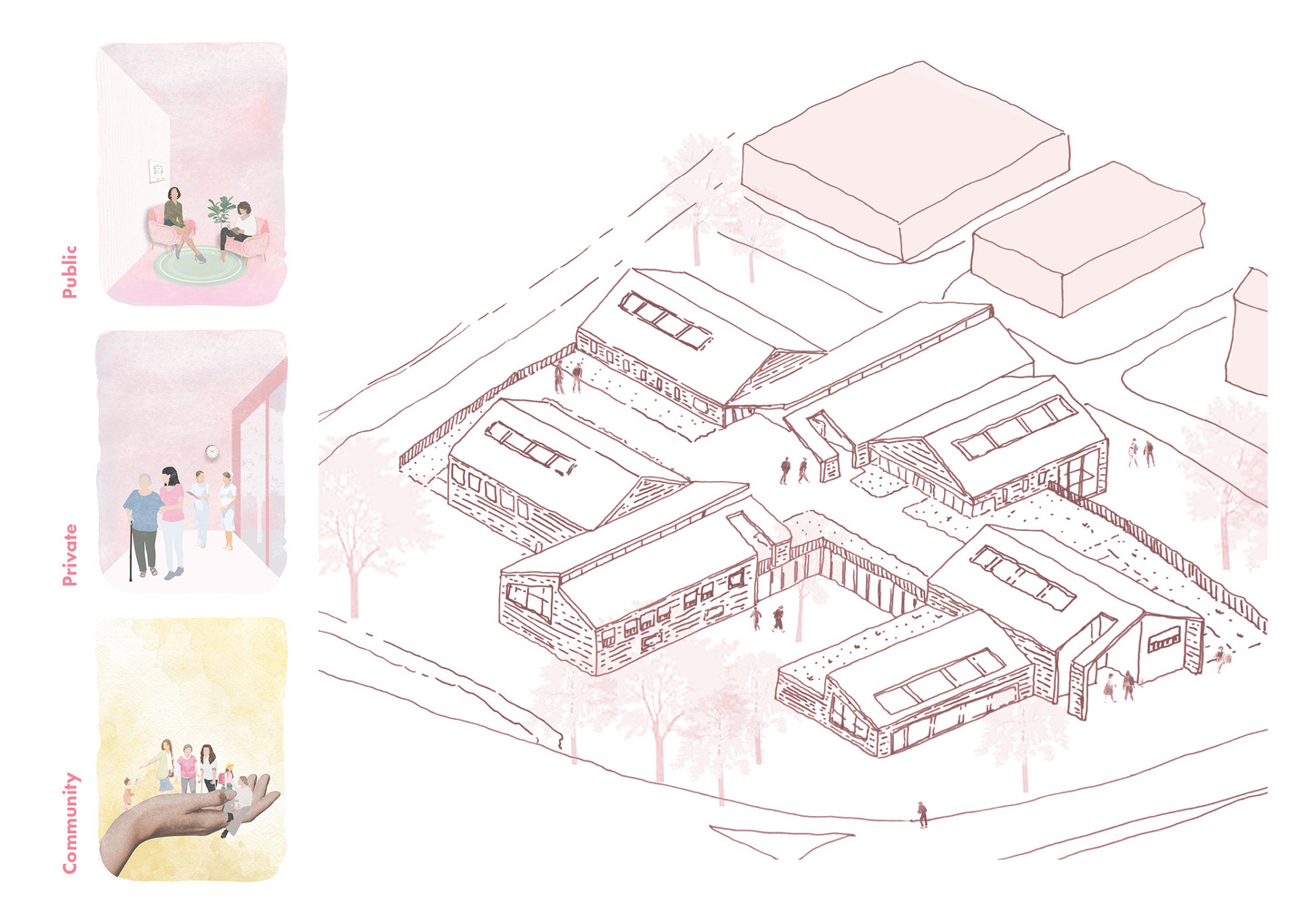
Globally, women spend on average 25% more of their lives in poor health than men. This gap is reflected spatially through healthcare systems that are often inaccessible, overstretched, and historically shaped around male bodies and experiences. Neighbourhood of Health is a personal, ethnographic exploration of women’s health in the UK, reflecting my own, deeply personal experience of the UK’s healthcare system and its attitude to women. It examines how architecture might respond to the persistent inequalities embedded within contemporary healthcare systems. Reflecting Praxis’ position of, ‘the personal is political’, this thesis challenges institutional models of care through the introduction of neighbourhood-based spaces designed specifically for women’s health; decentralised, community-oriented environments embedded within wider urban redevelopment strategies to improve both access to and quality of care. Redefining healthcare environments in the UK for women, somewhere that could have transformed my own experiences.
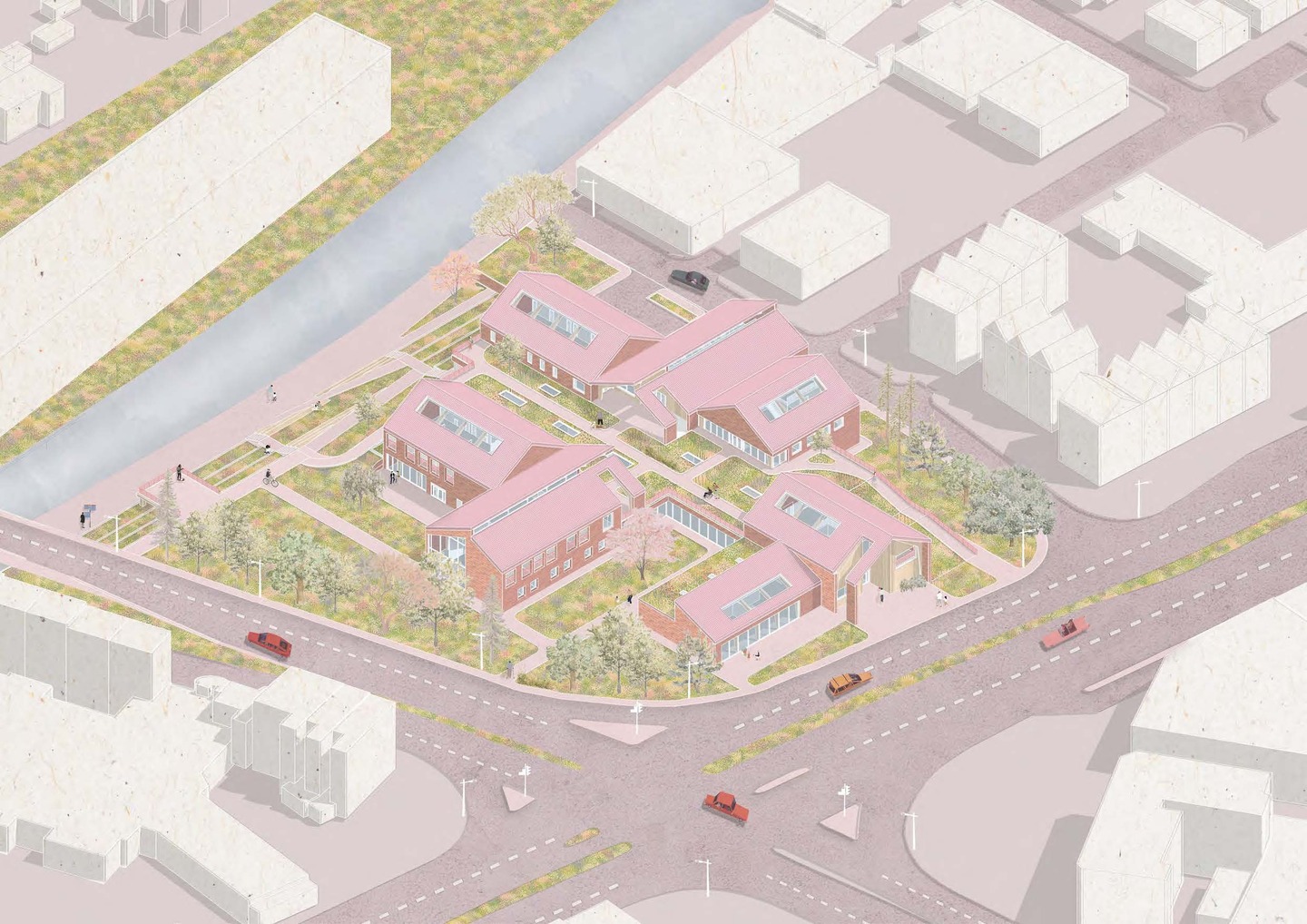
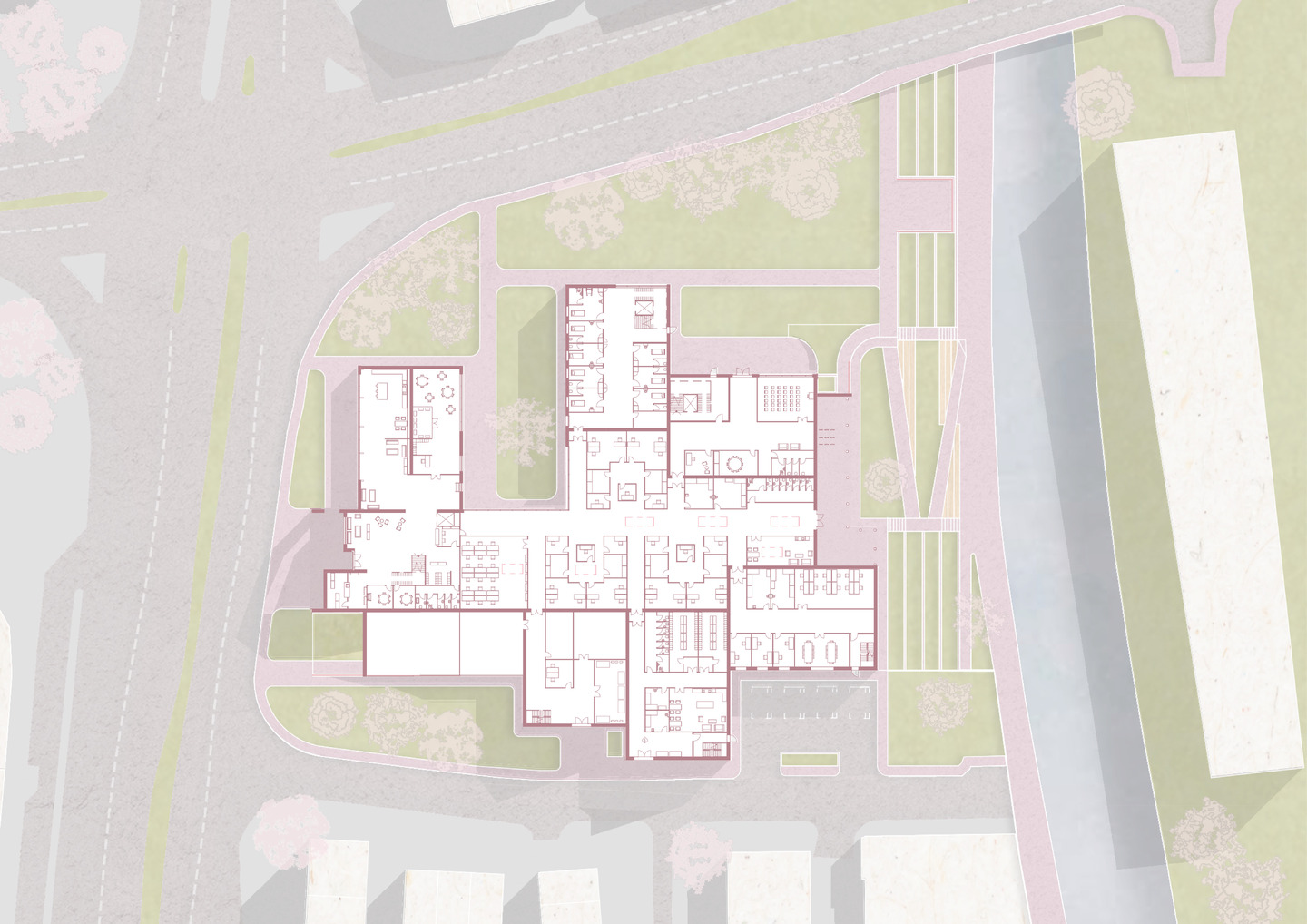
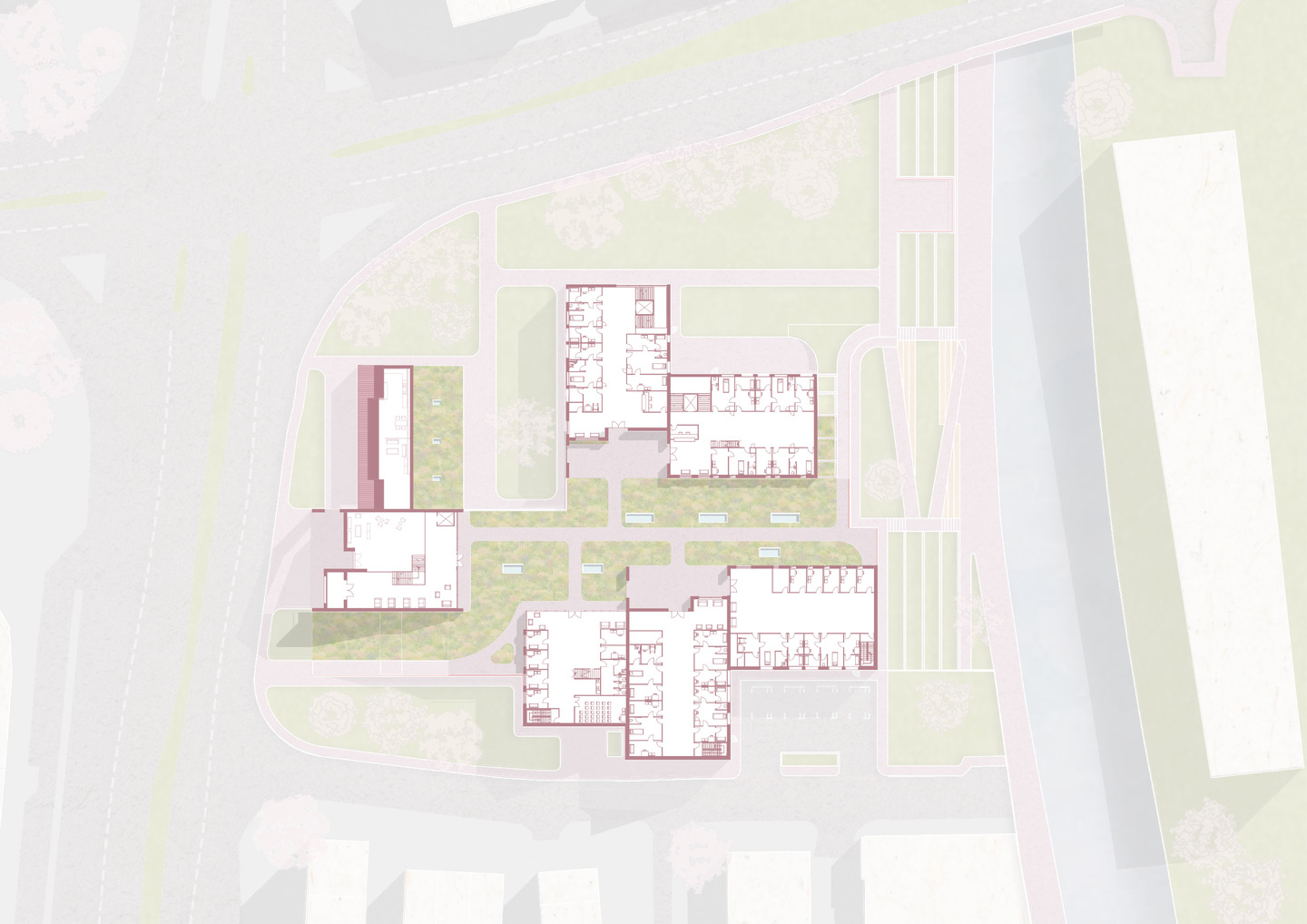
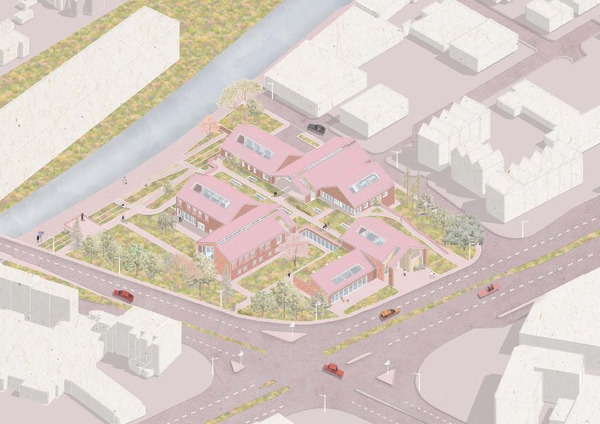
Located within Trafford’s ongoing regeneration, the site in Stretford becomes a testing ground for a more localised and preventative model of healthcare, one rooted within the everyday life and community prescribing. Rather than approaching the project through a detached clinical lens, the design process continually situates the architect within the spaces being created, asking not only “What does the user need?” but “As a woman, how do I want to feel in this space?” This approach embraces empathy, lived experience, and emotional engagement as valid architectural tools, challenging the traditional role of the architect as a distant observer.
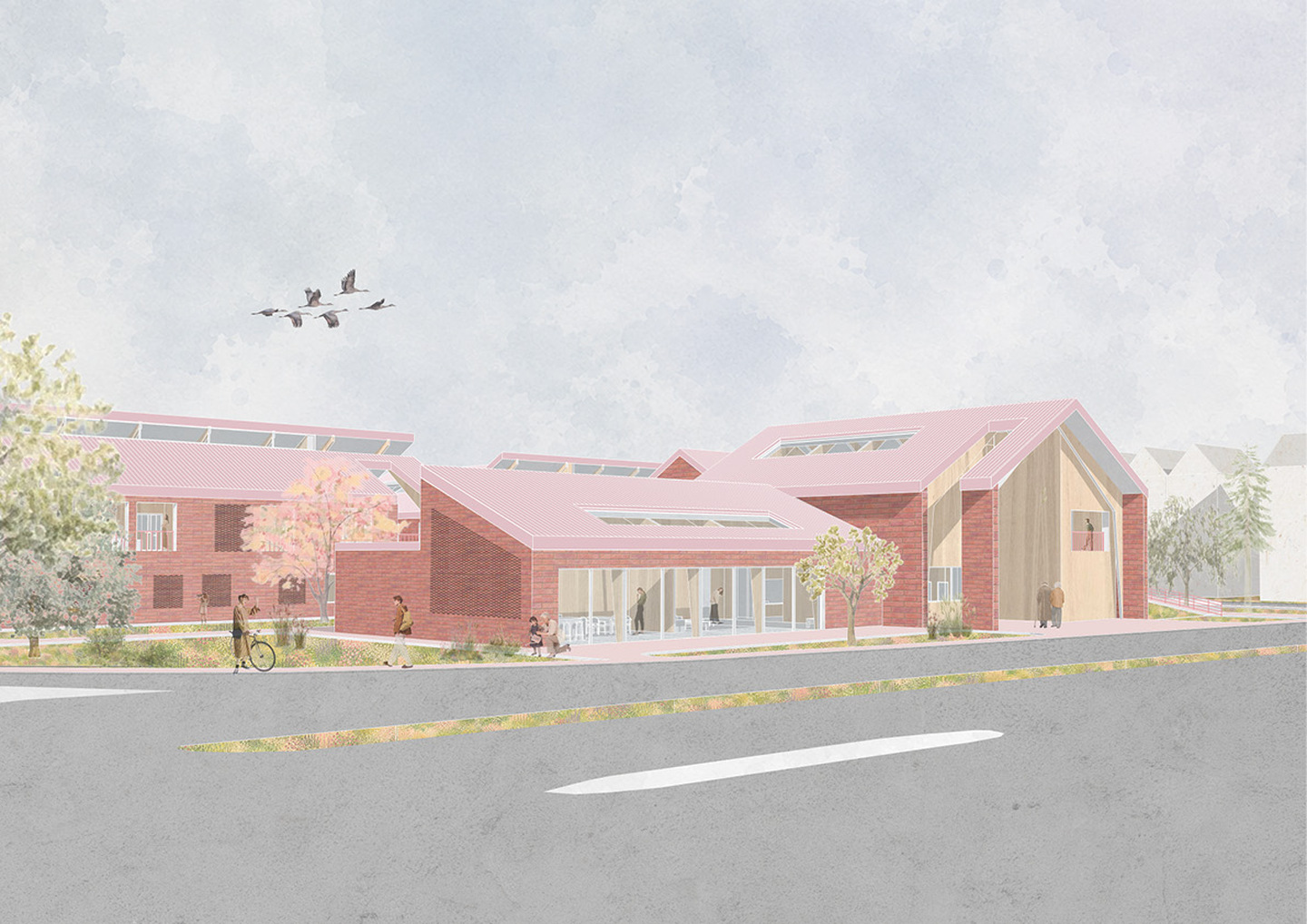
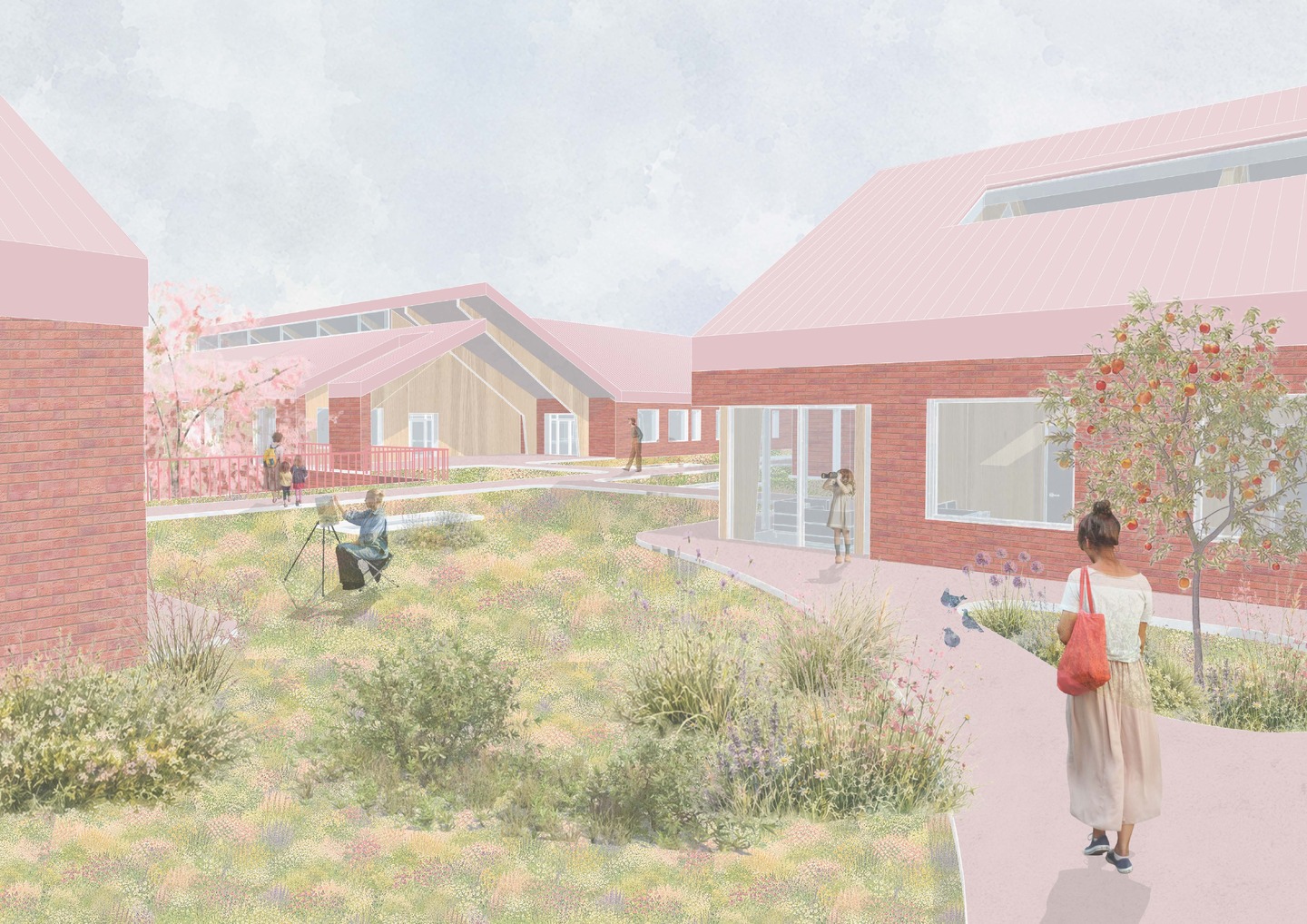
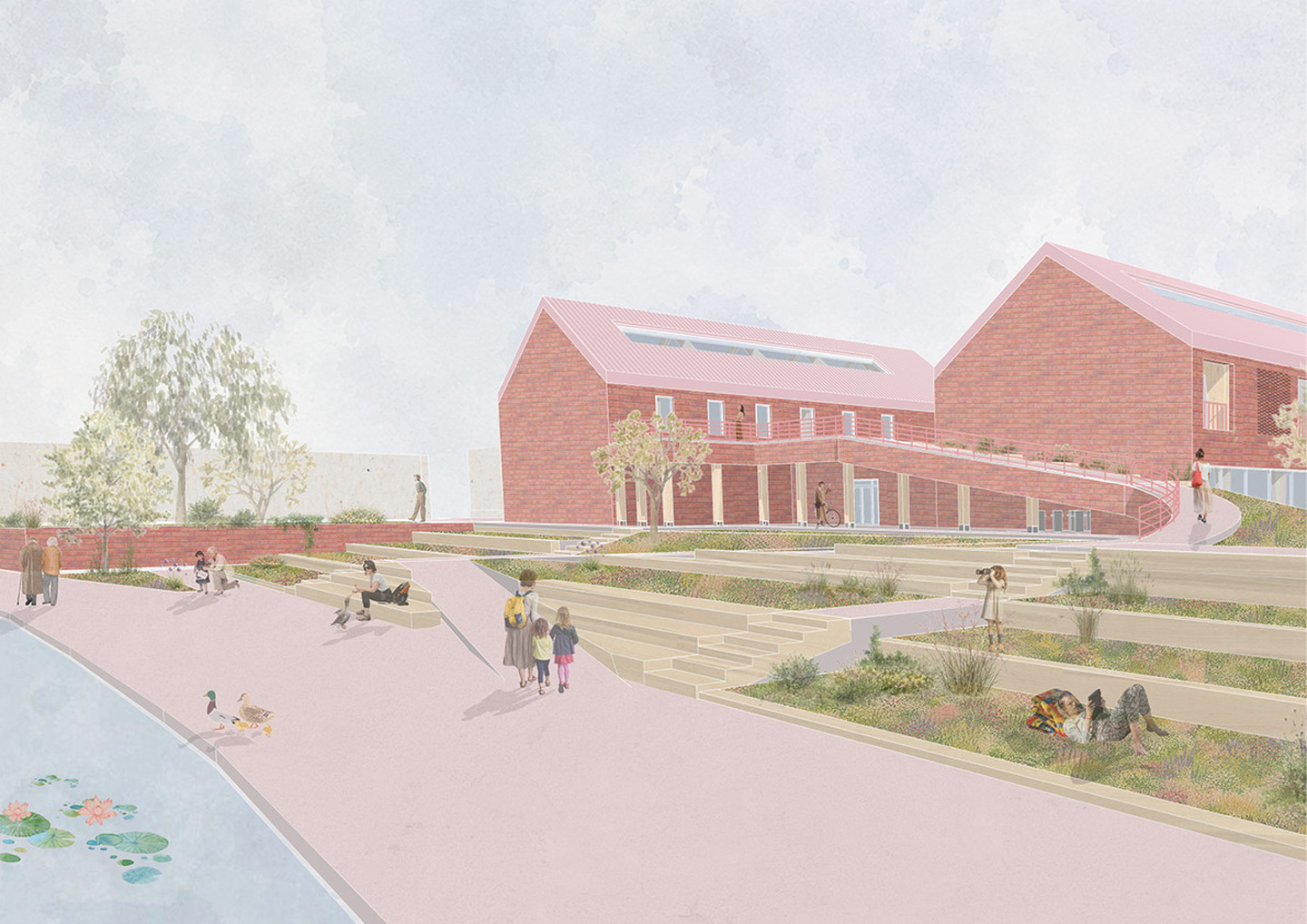
The project investigates how architecture can challenge systemic inequalities through a holistic healthcare environment centred on dignity, wellbeing and localised care, creating an opportunity to rethink healthcare as an embedded civic resource within the neighbourhood. In doing so, the thesis argues that the design of healthcare environments can play an active role in improving women’s health outcomes and experiences of care.