

Humat Albayt - حماة البيت
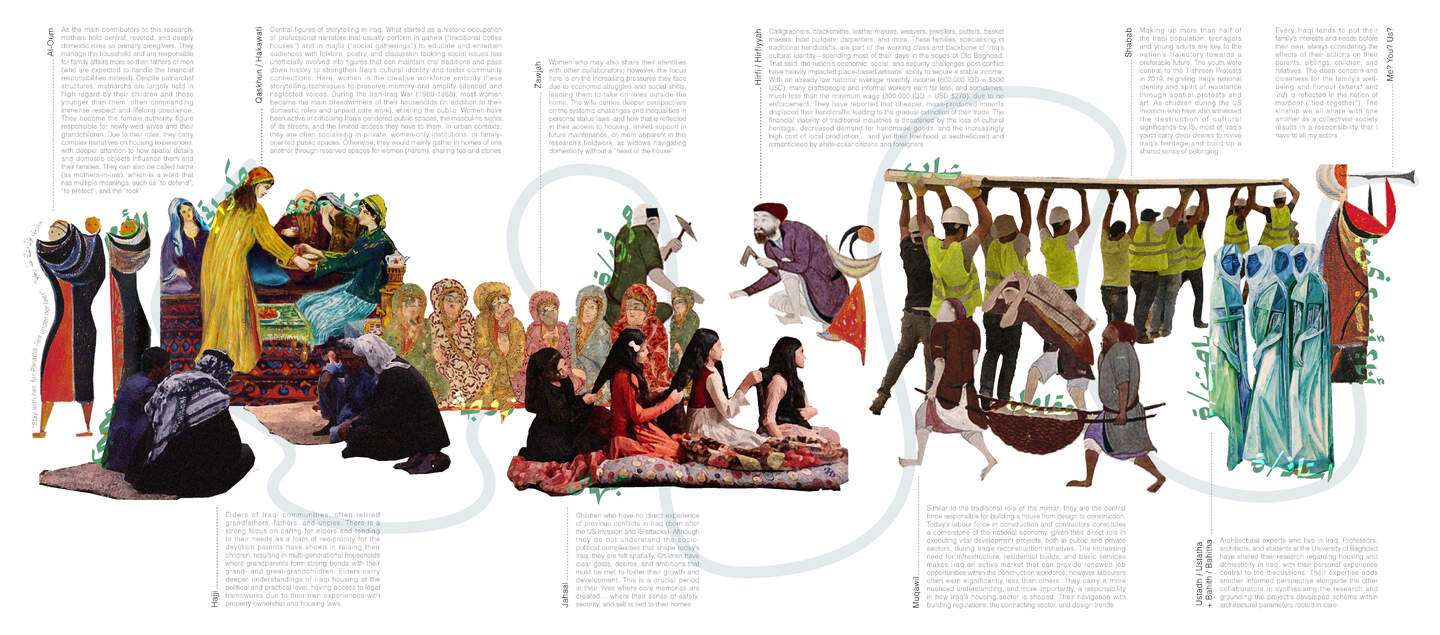
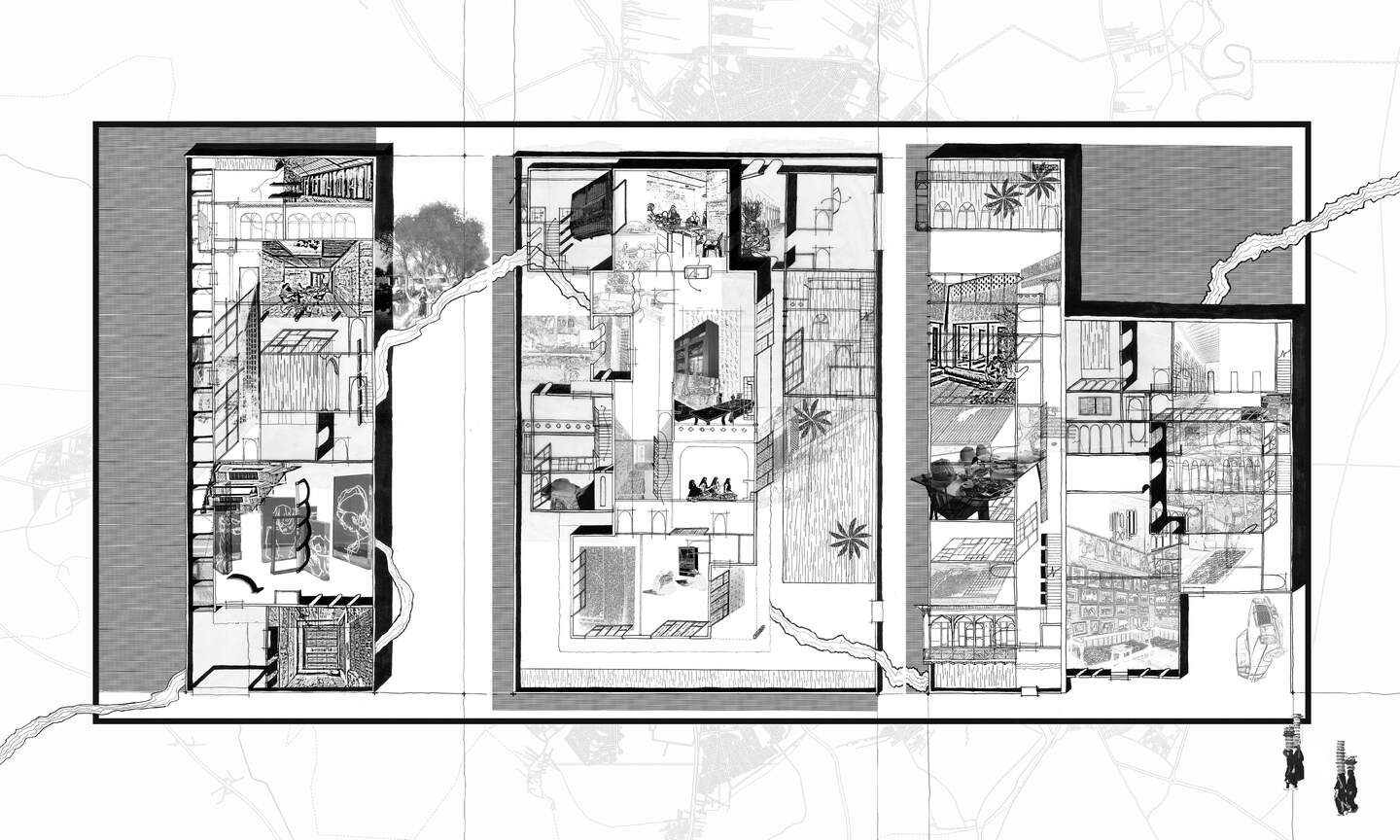
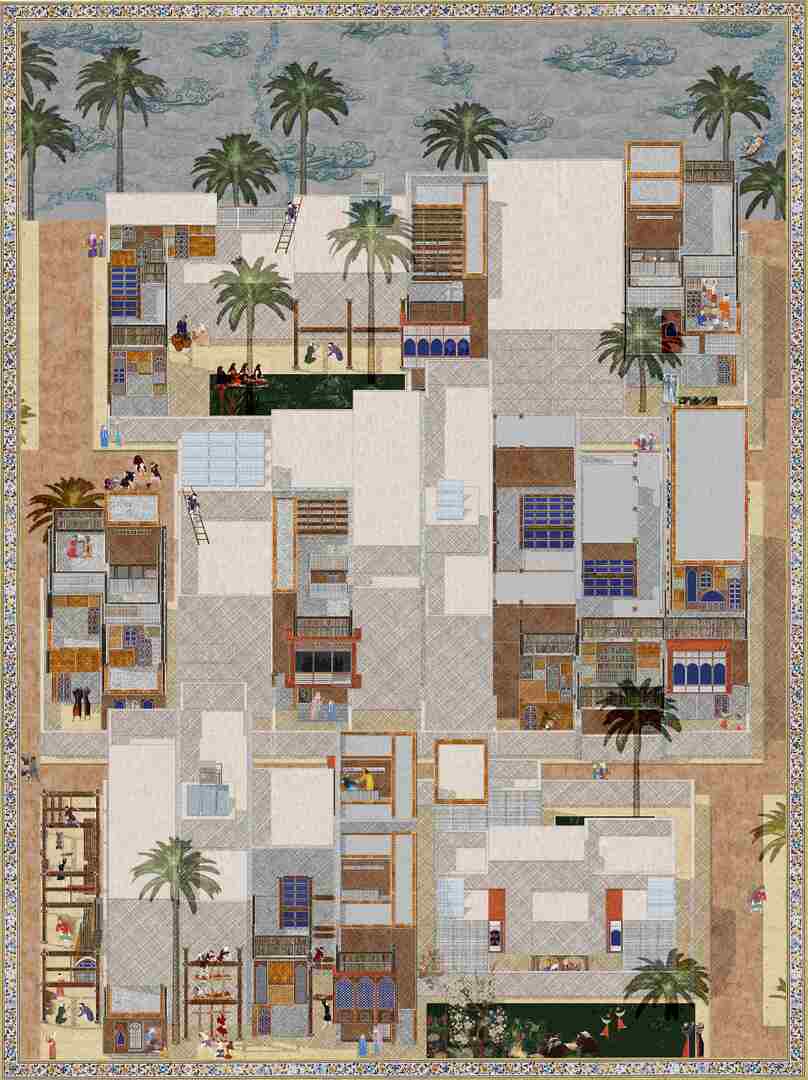
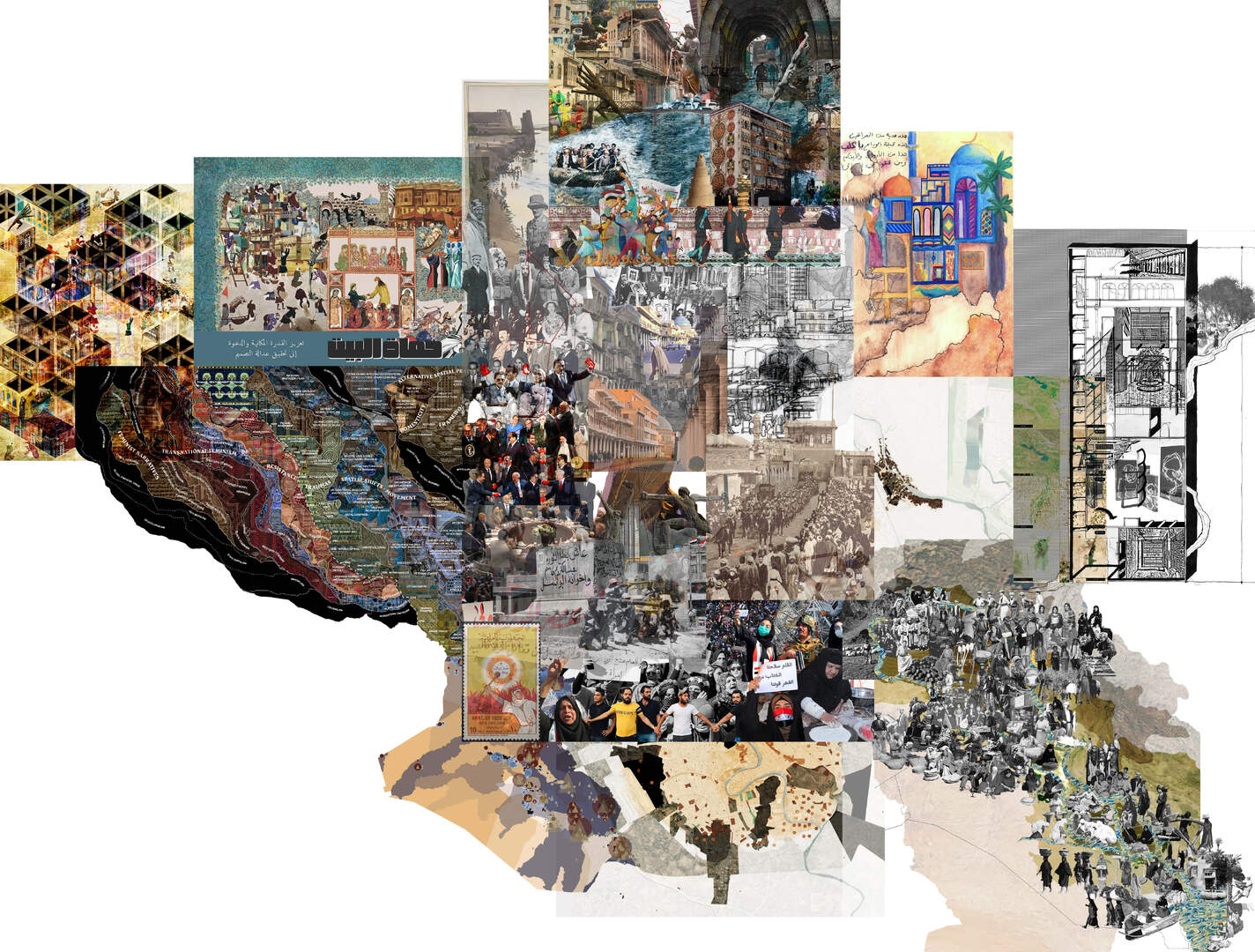
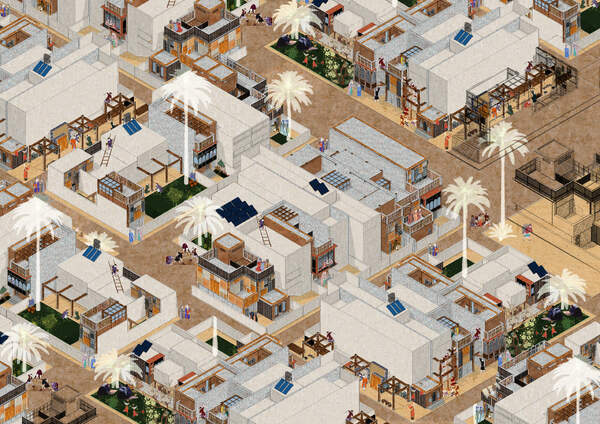
Humat Albayt explores the role of architecture in post-conflict and post-trauma contexts through a case study focused on housing and domesticity in Baghdad, Iraq. Driven by ethnographic research and fieldwork, the project collaborates with disparate voices of displaced, vulnerable, and systemically neglected residents to catalogue experiences of domesticity. It also uses allegorical drawings as a methodology to prioritise memories and the intangible, aiming to establish a taxonomy of domestic elements and a guidebook of strategies that support Iraqis in articulating their needs, reclaiming their spaces, and asserting their identities.
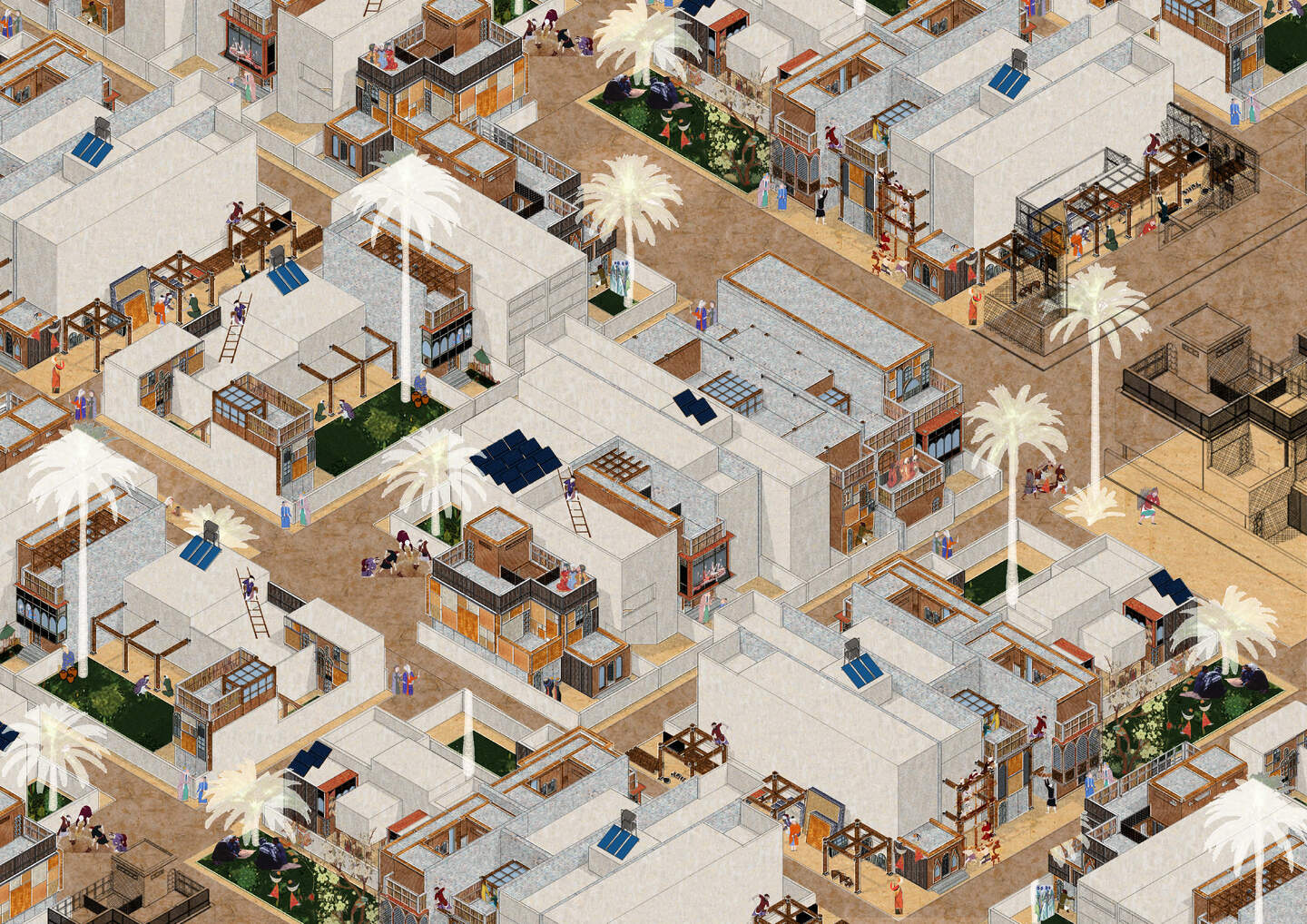
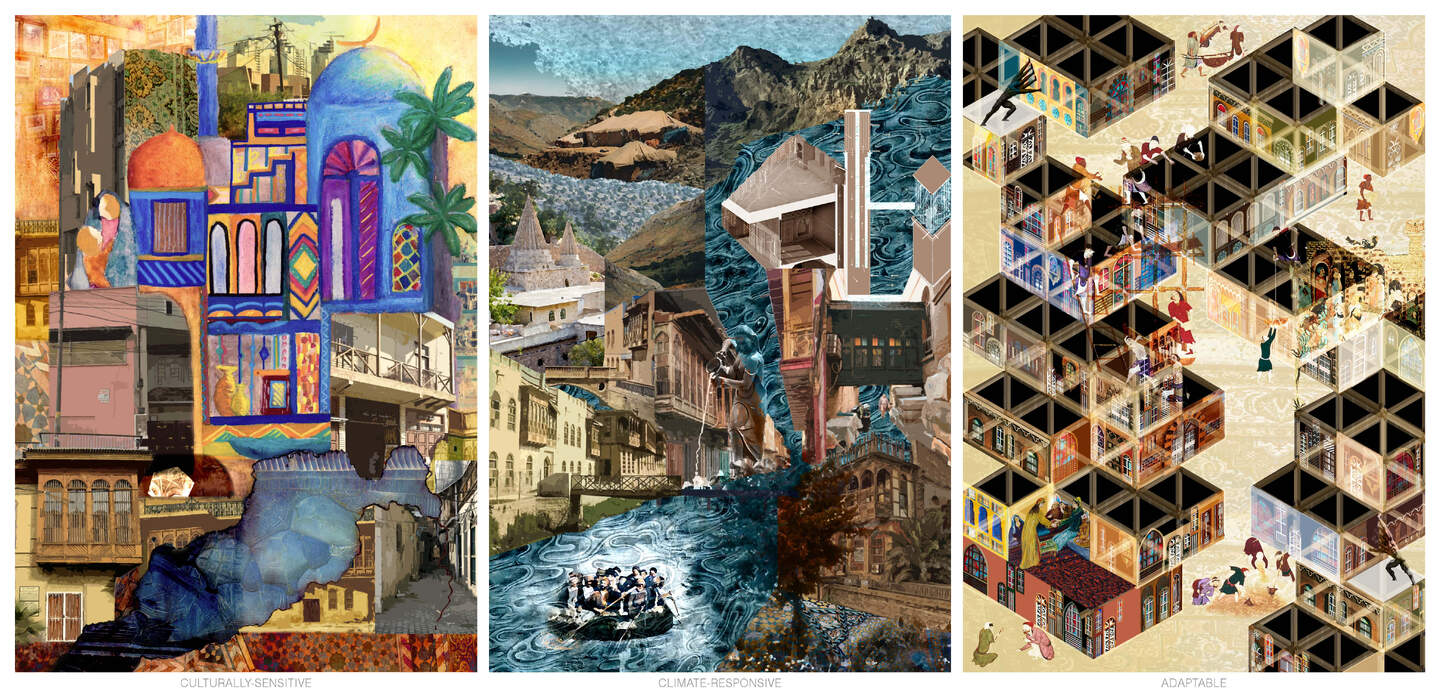
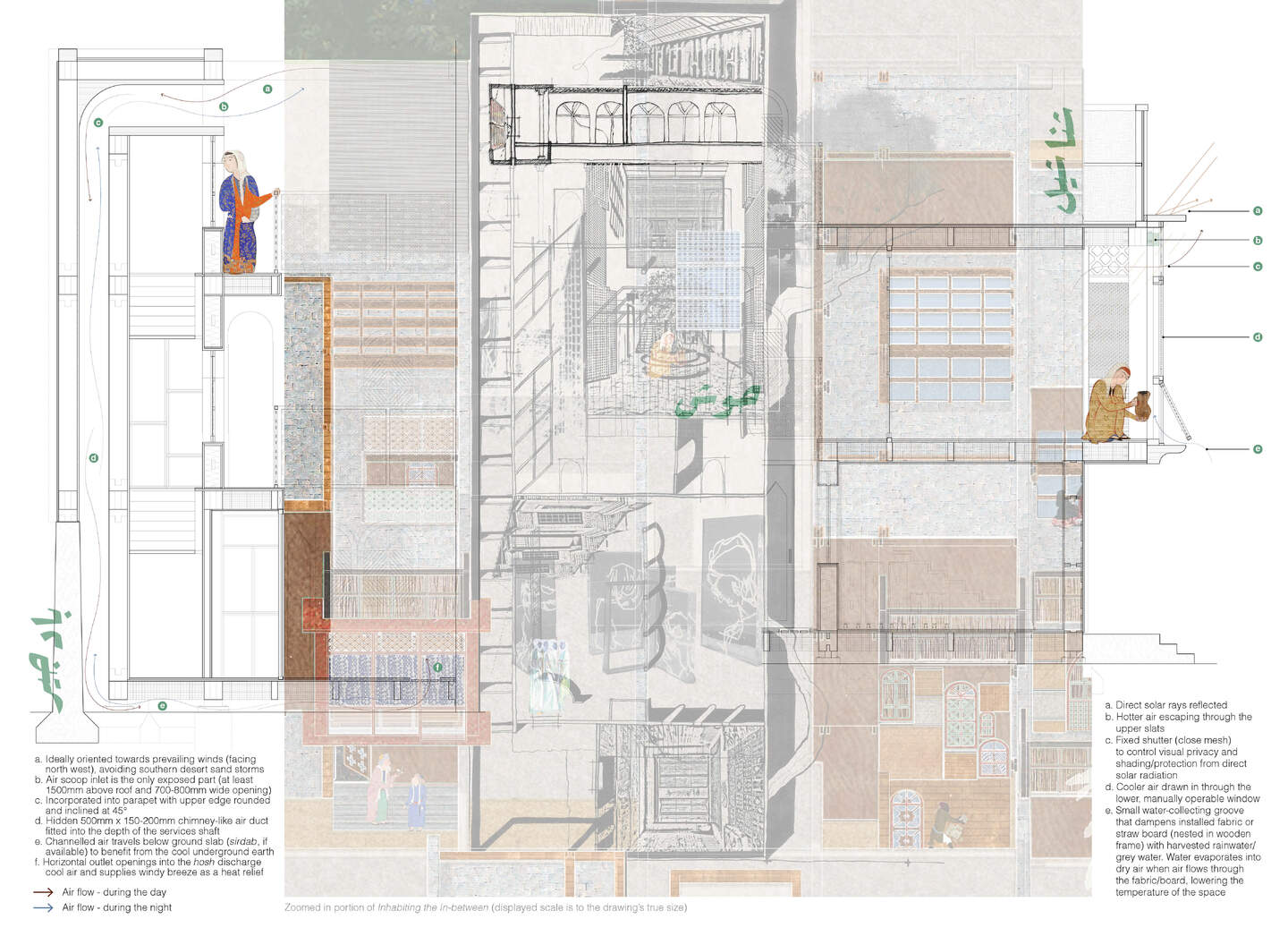
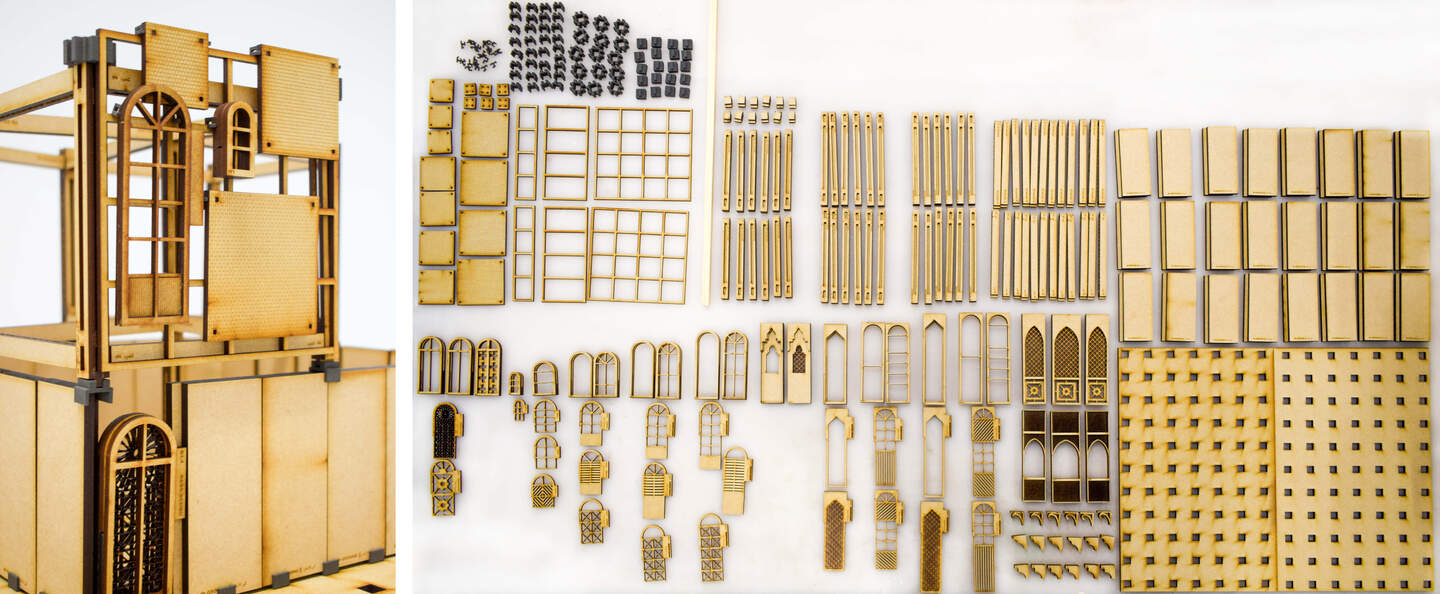
In the face of exclusionary and exploitative architectural approaches, the developed framework emphasises culturally-sensitive practices, local knowledge systems, and anti-colonial processes to facilitate community ownership of space whilst addressing the pressing housing crisis in Iraq, which is exacerbated by political instability, corruption, and the climate emergency. It situates itself within the city’s unregulated informality by exploring flexible, incremental systems that prioritise climate-responsive design and low-tech assembly—supporting residents in adopting safe, accessible construction methods that reintegrate vernacular tectonics.
Rather than a physical intervention, Humat Albayt serves as a spatial agency and design justice toolkit to defend your home with—exploring an alternative process for architecture to manifest as that engages in radical participatory methodologies. The guidebook and toolkit invite Iraqis to recognise the value of their domestic architecture beyond mere nostalgia and gain fluency in the “architect’s language”. By foregrounding engagement and iterative prototyping as acts of resistance and healing, this overarching process reframes architecture as a relational practice, such that the architect is less of a central figure and more of a translator who supports communities in cultivating spatial literacy and acquiring tools needed to mobilise and fight for what home means to them. Ultimately, this project hopes to reshape the future of Iraq’s built environment towards a restorative one, grounded in resilience, adaptability, and the sacred practices of making that define Iraq's rich tapestry.
-
Humat Albayt: “Defenders of the home,” however, it carries various meanings in different contexts. Depending on the diacritics used, pronouncing the root word as hama would refer to the “mother-in-law”. If pronounced as huma, it alludes to “the protector,” “the guardian,” “the defence line,” and “the castle”. Whereas hima would be for a protected and defended place or thing, and often for a homeland protected by its people—providing a multi-layered narrative to what this project seeks to convey.