

An Archipelagic Sounding of Shared Presence
This thesis responds to the rapidly rising levels of urban loneliness by proposing an archipelago of adaptable performance environments that engage directly with the existing sounds and rhythms of the city, positioning sound as a spatial and emotional mediator of connection within fragmented urban conditions.
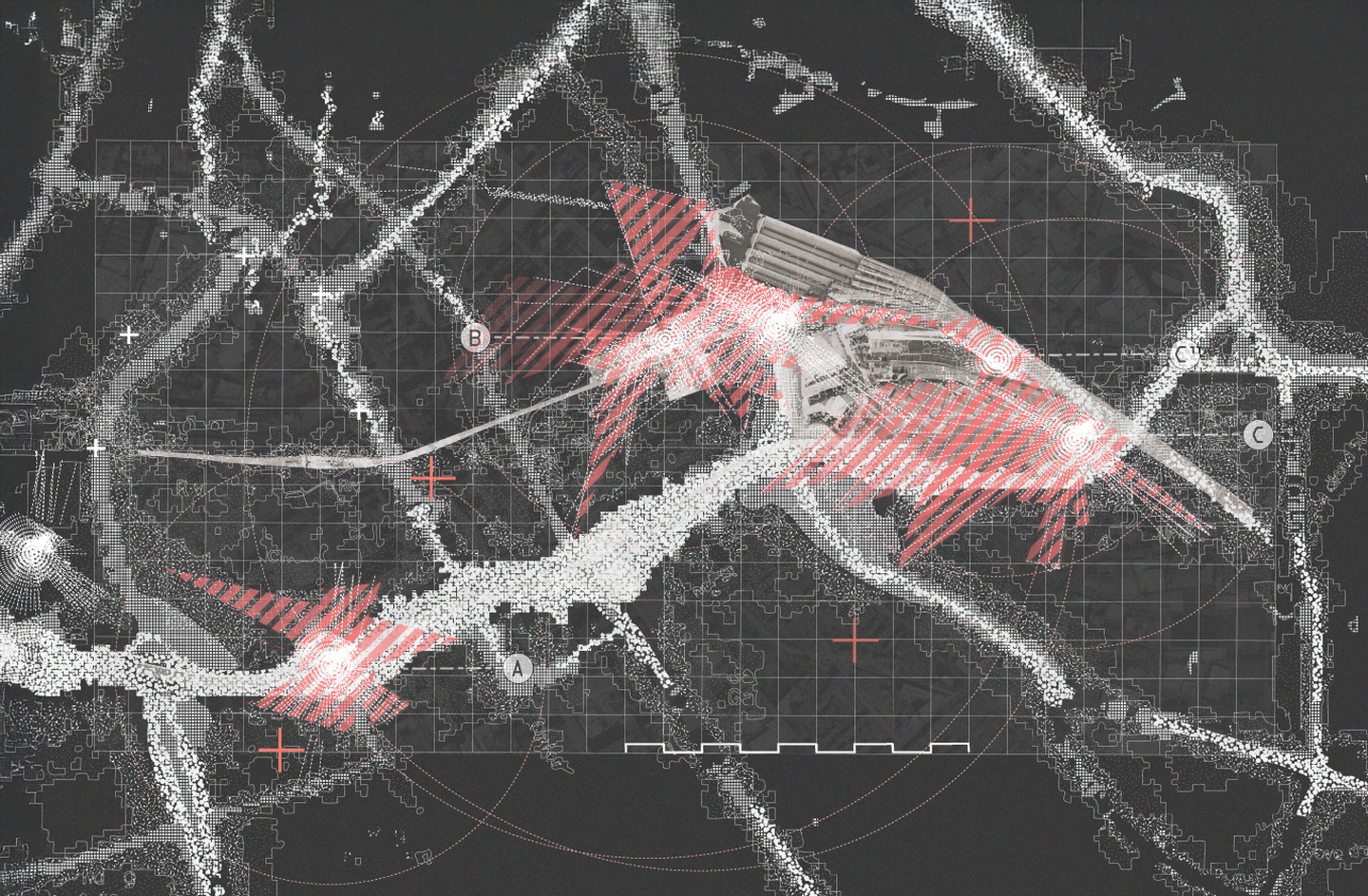
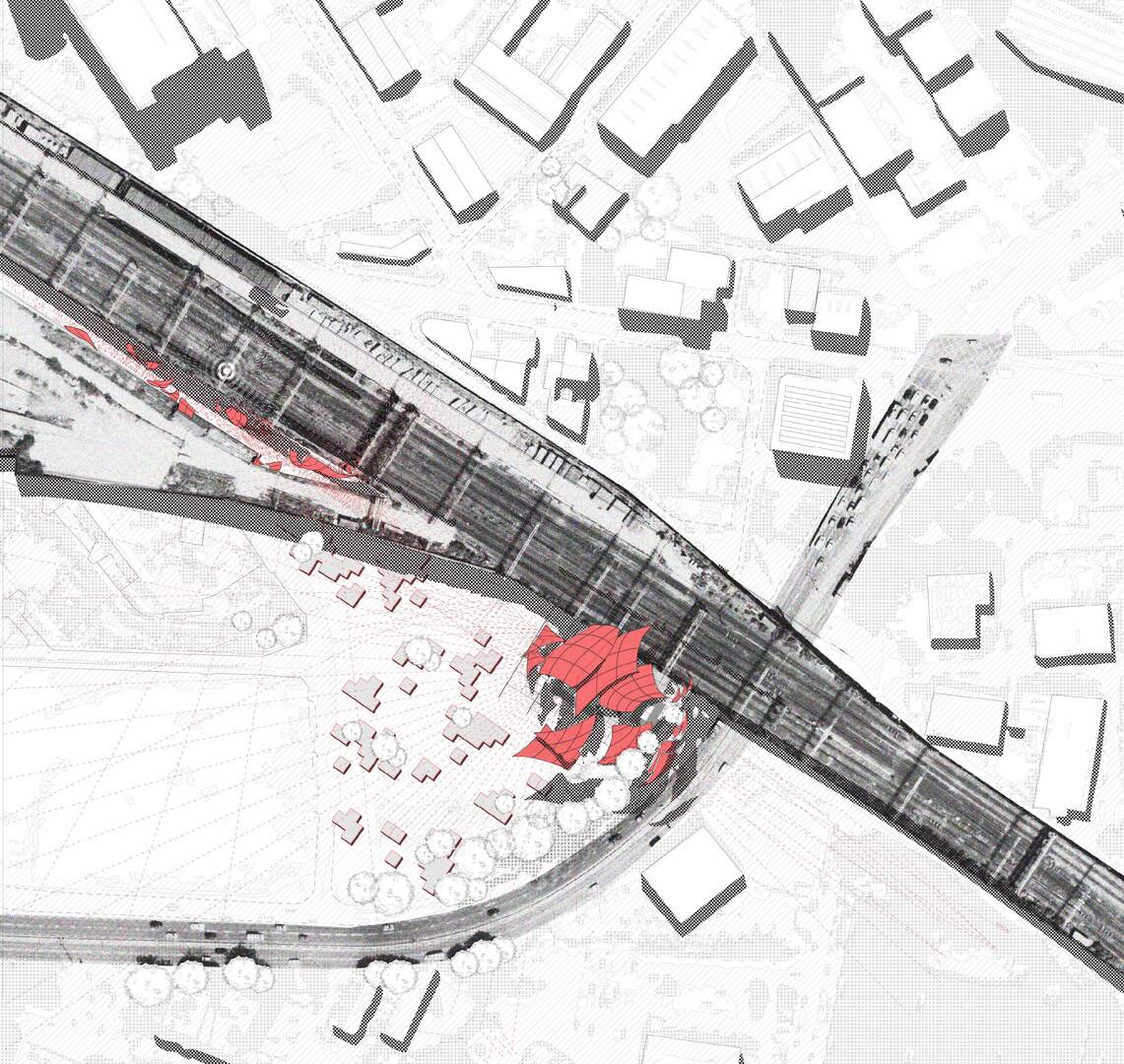
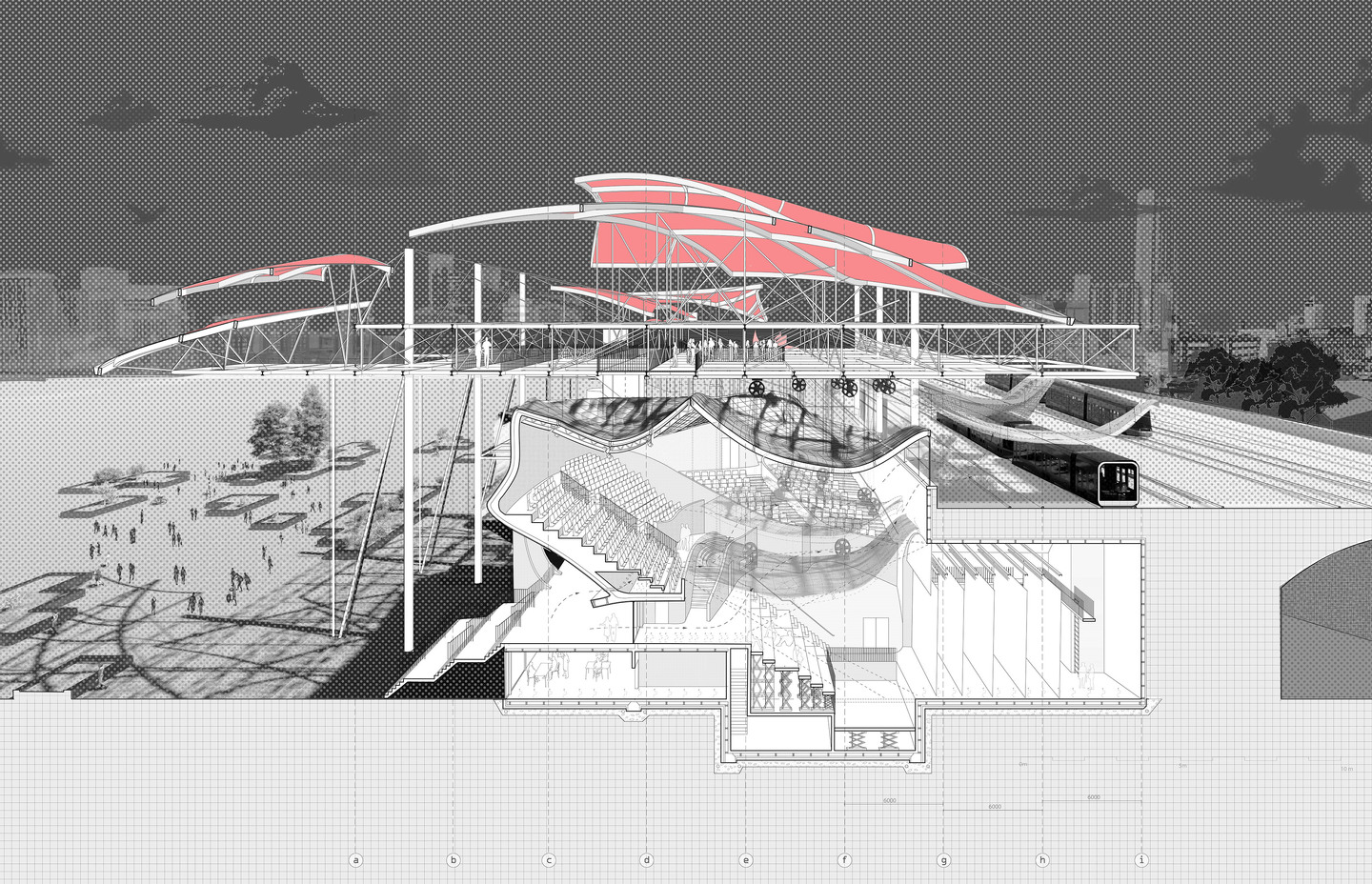
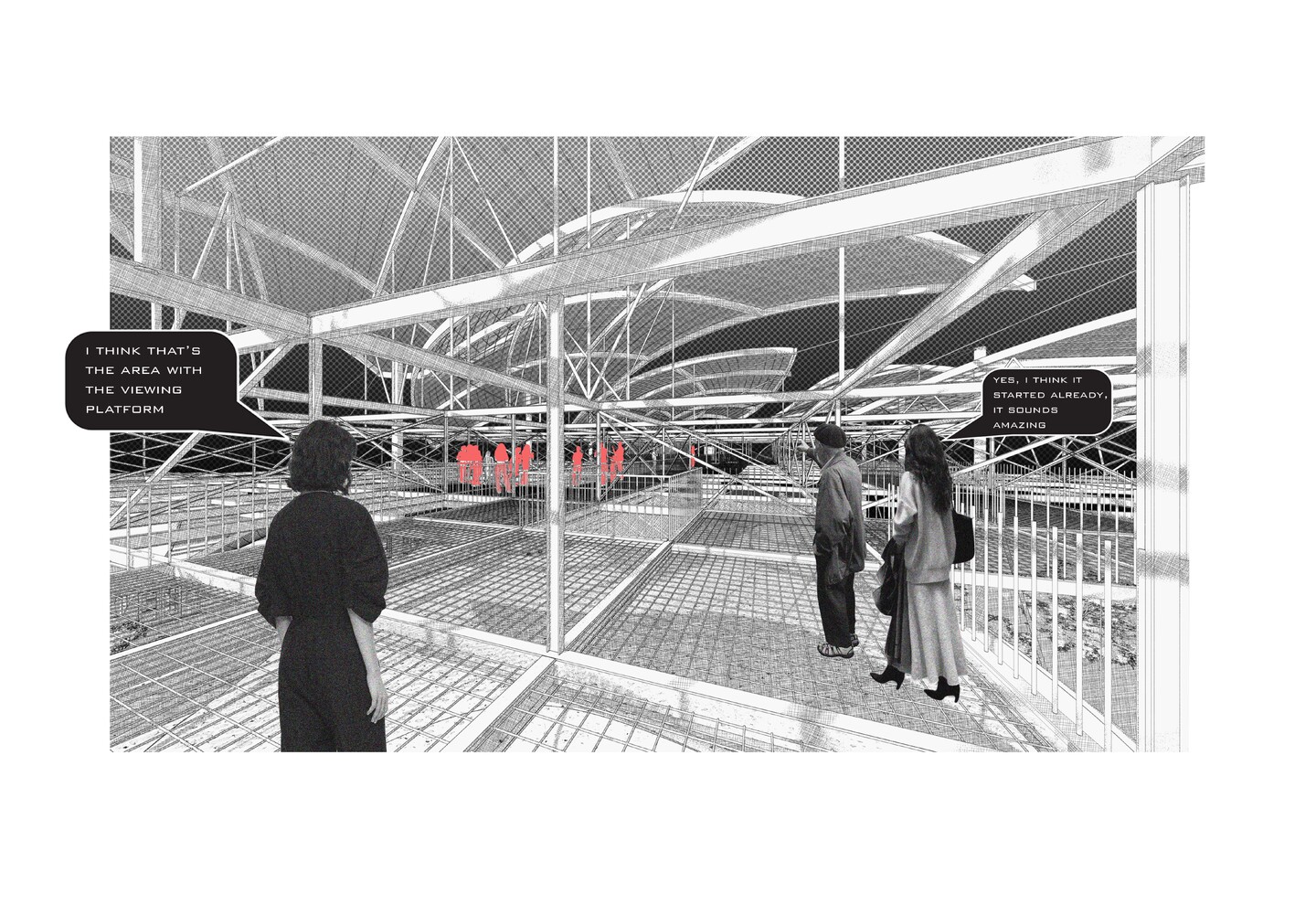
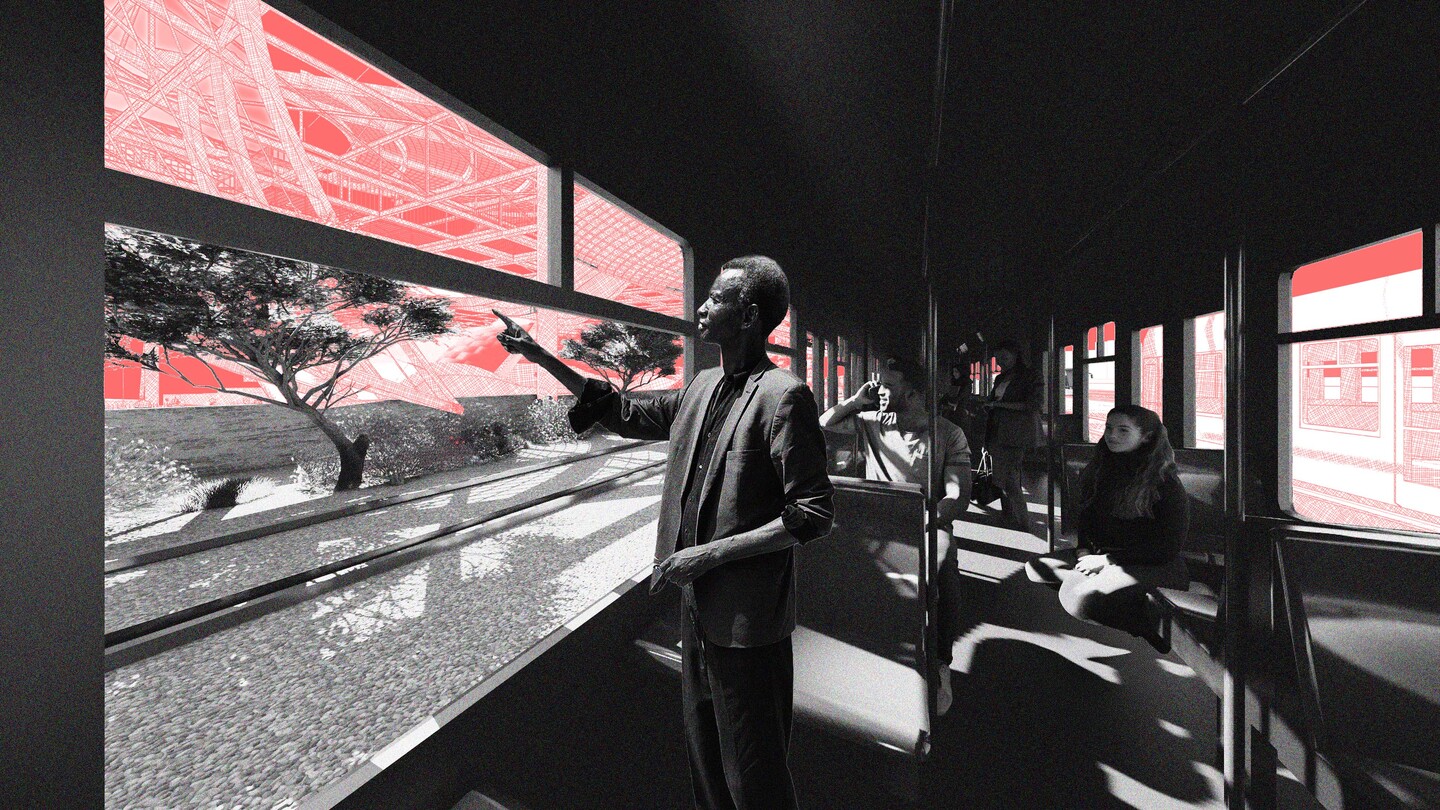
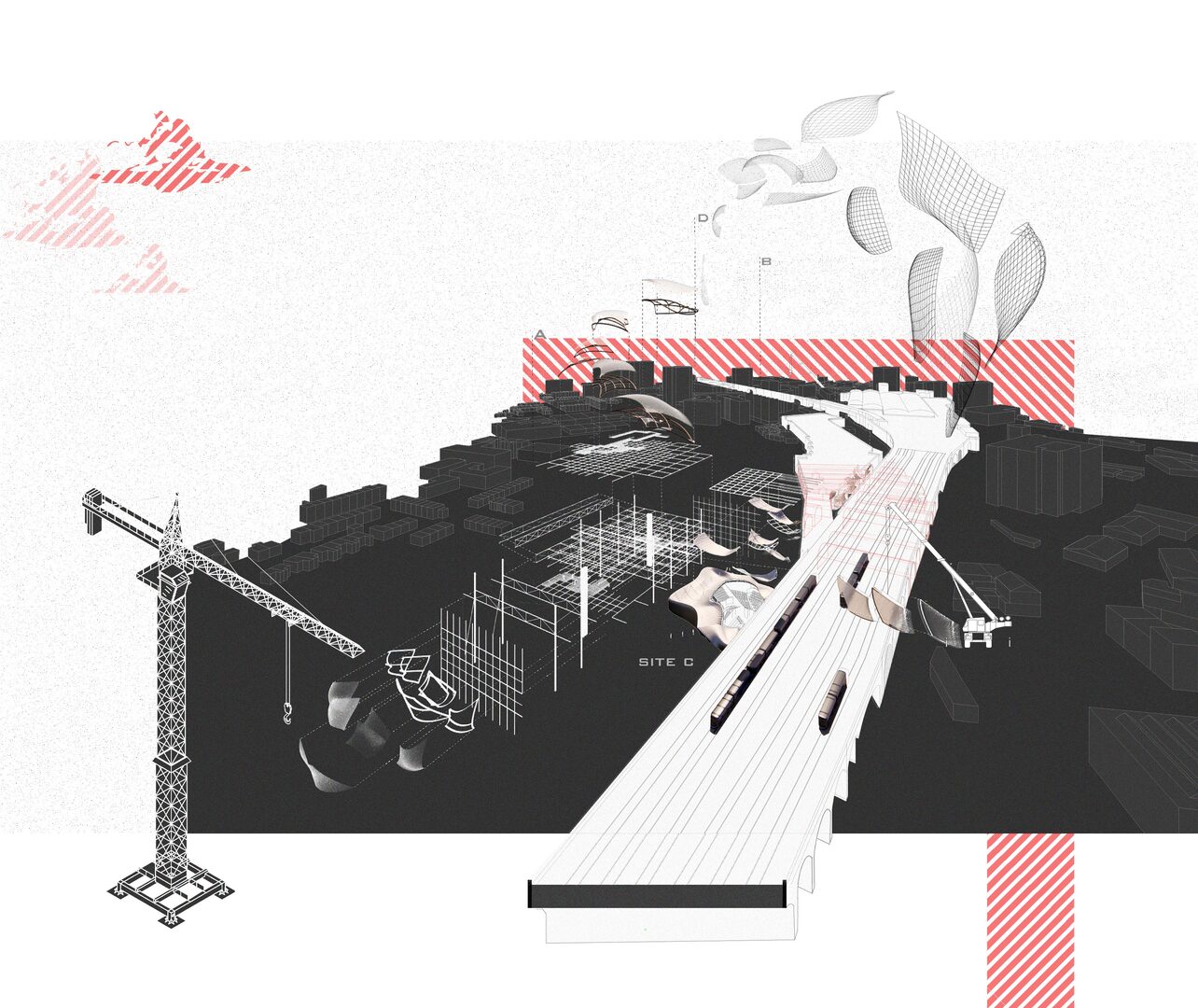
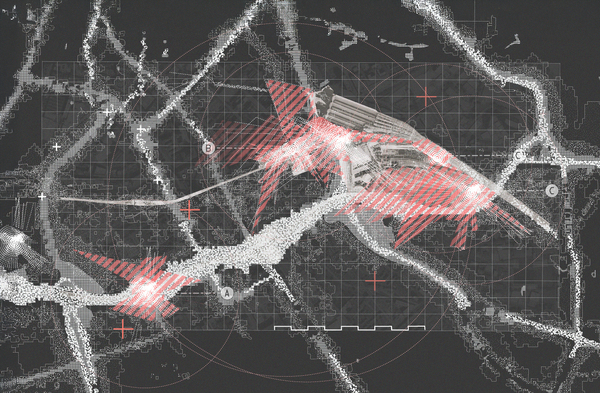
Emerging from Mayfield and extending along existing transport infrastructure, the project forms a distributed network of acoustic installations that reconnect dispersed urban areas. These installations are activated by human action and by the movement of passing trains, capturing, amplifying, and redirecting their sound to construct a dynamic and shared sonic environment.
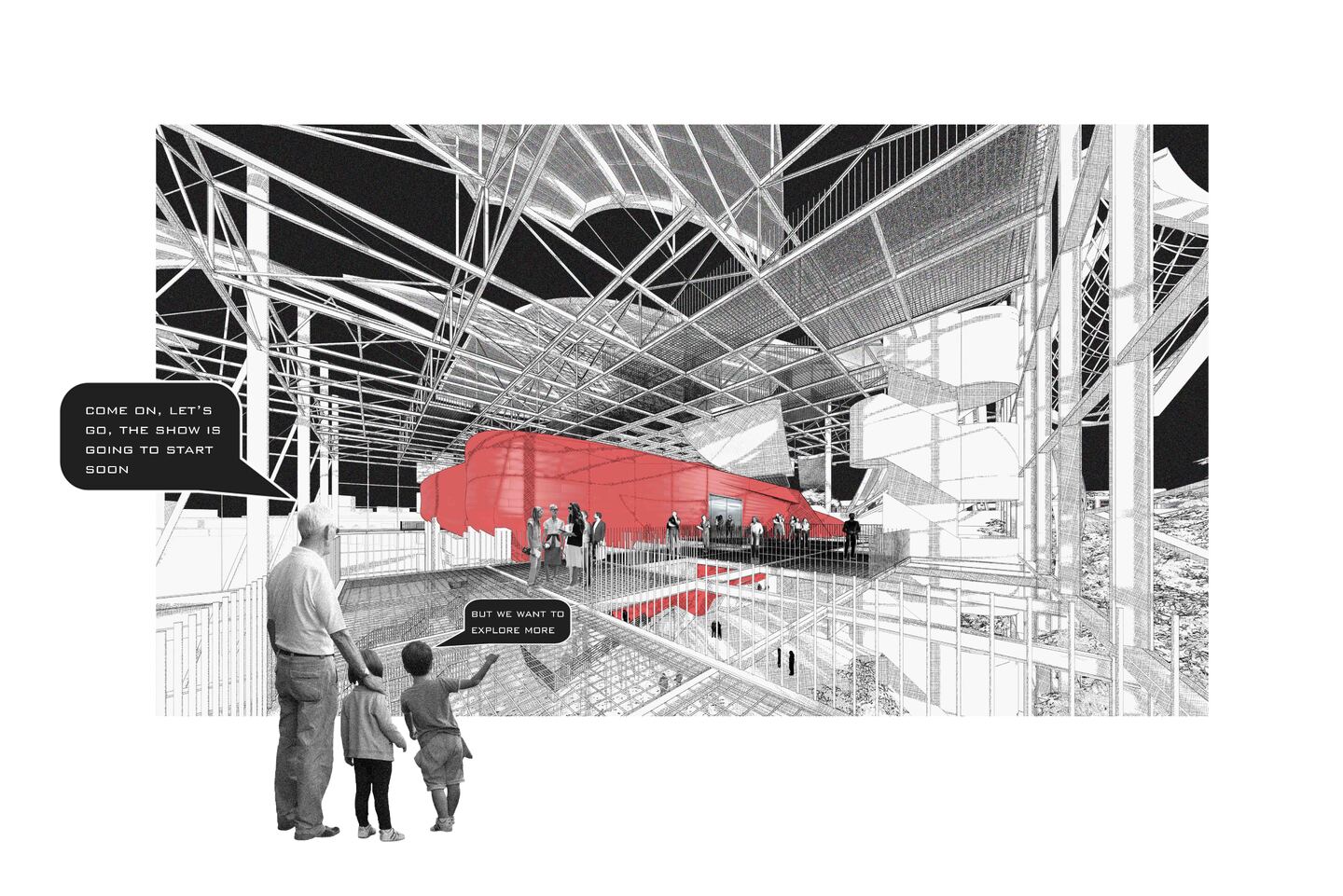
Through collective fabrication and participatory acoustic interventions, the public becomes directly involved in shaping both the built environment and its cultural life, establishing a form of democratic architecture grounded in shared authorship and agency.
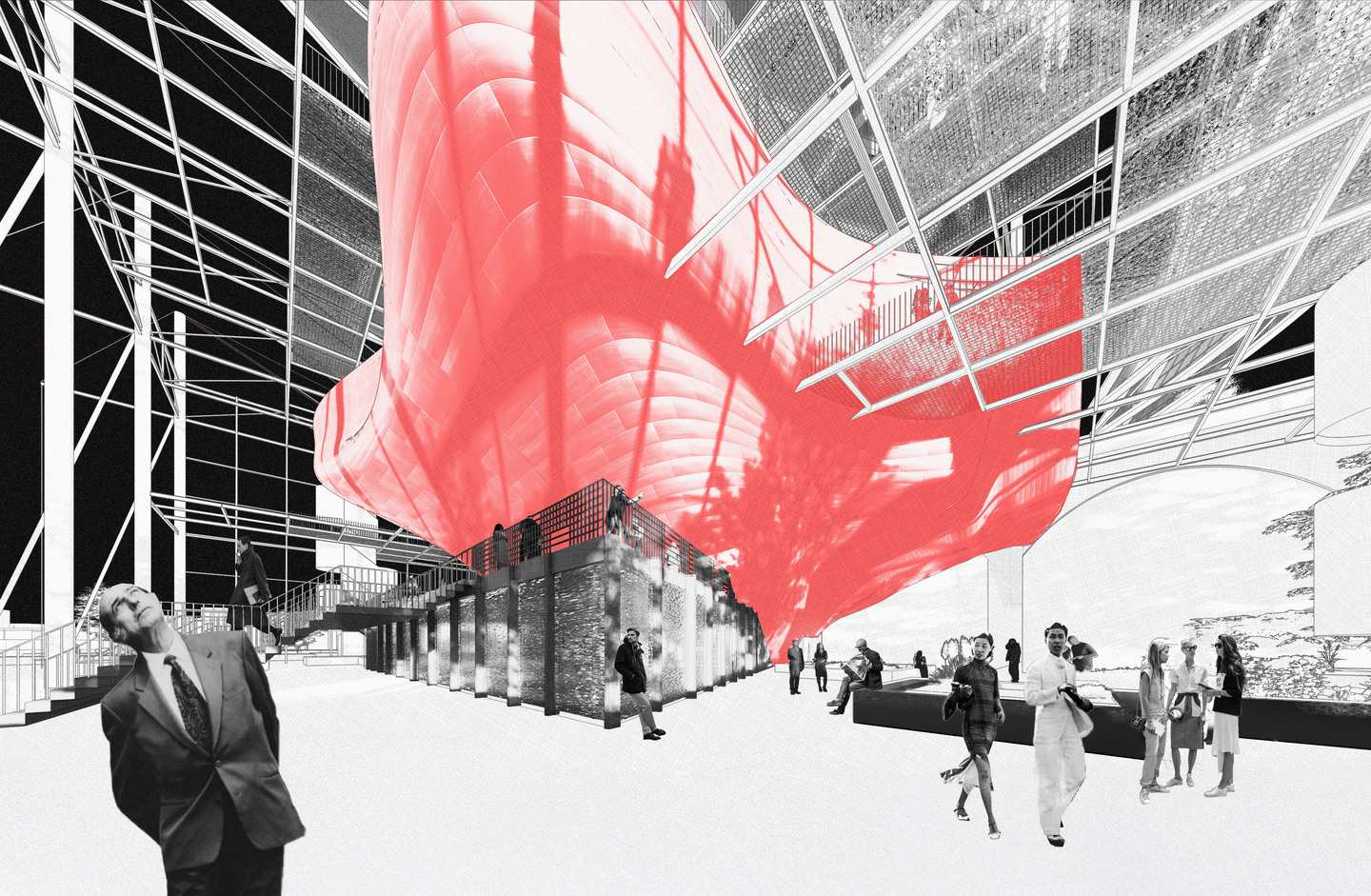
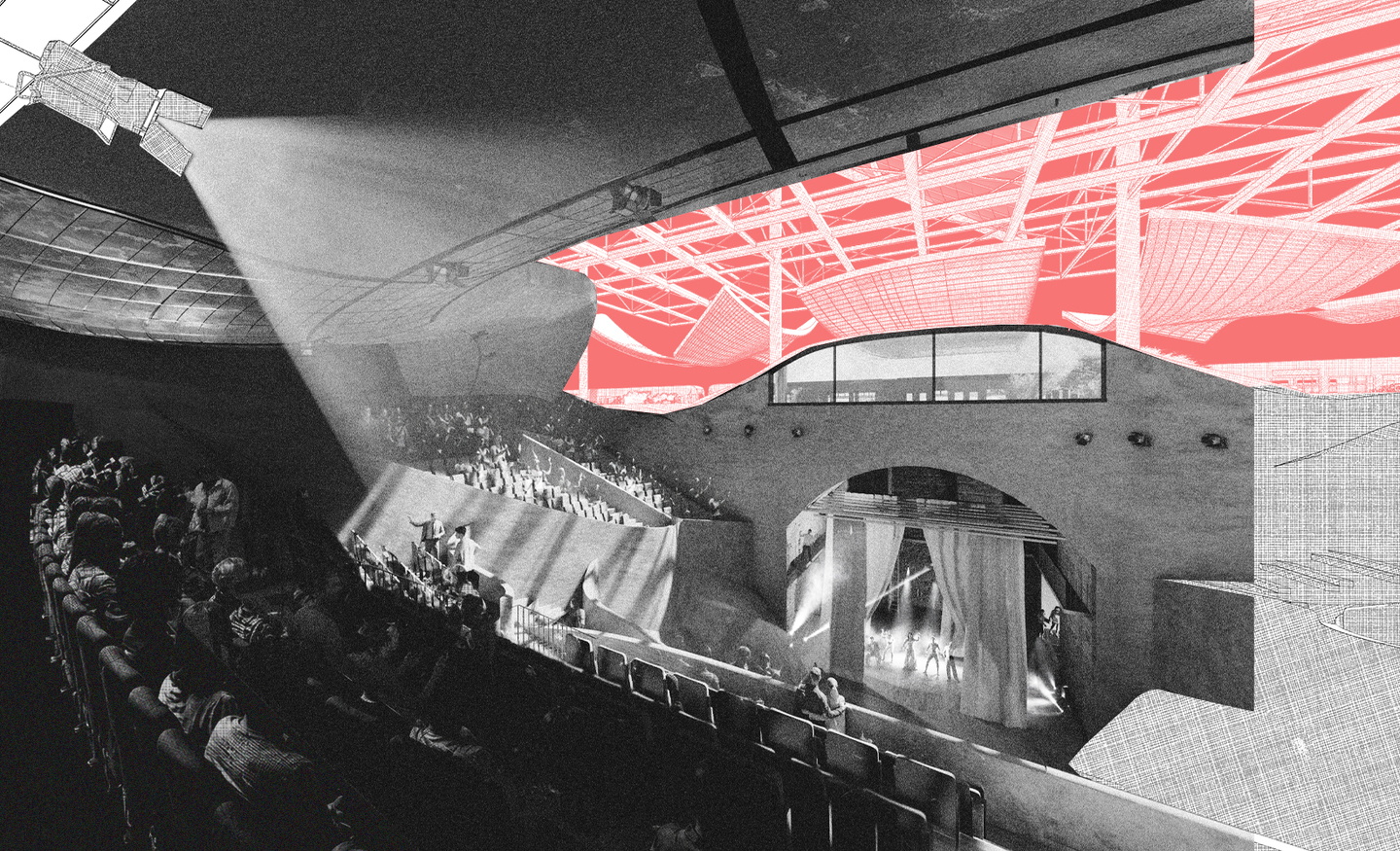
At the centre of the proposal, the main performance venue acts as a flexible civic instrument, expanding and contracting in response to changing acoustic and spatial demands. Designed to host up to 1,000 people, it accommodates shifting occupancy levels through adjustable roof positions, movable seating, and reconfigurable stage arrangements. This adaptability allows the space to transition between intimate and large-scale collective events, dissolving distinctions between performer and spectator and between everyday life and performance.
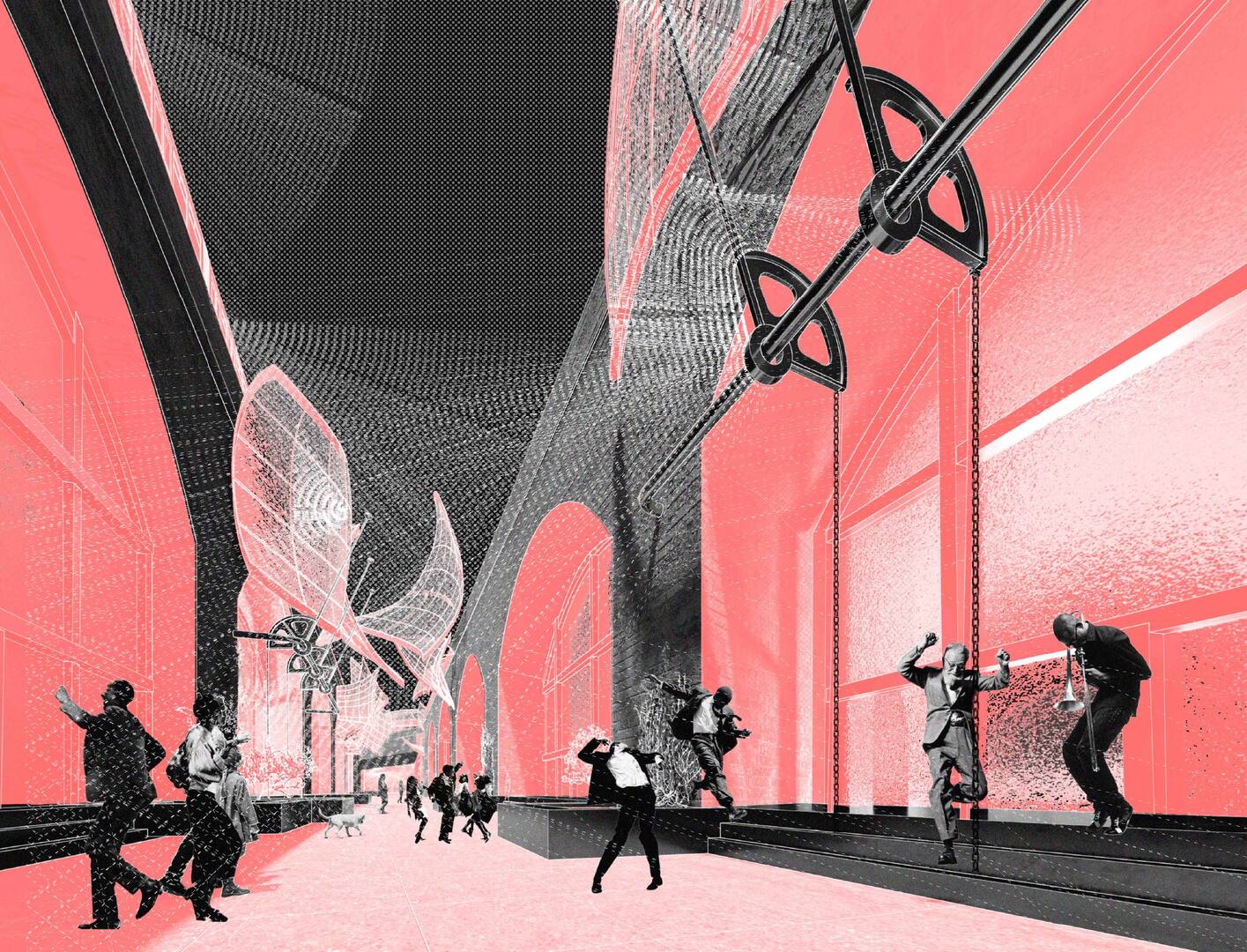
When opened, the venue works with rather than against the city’s existing soundscape, integrating the rhythmic passage of trains into live performance and revealing the acoustic character of infrastructure often overlooked. In doing so, the project reframes the ordinary rhythms of urban life as collective performance, transforming the mundane into something shared, dynamic, and meaningful.
Architecture is reframed not as a fixed container for activity, but as an evolving social and acoustic infrastructure shaped through participation, occupation, and collective experience.