

The Commons Gateway
For decades, Crewe has been a town defined by transit—a place where people arrive only to depart. Today, the town center suffers from a post-industrial fatigue, marked by low footfall, systemic retail closures, and a fragmented urban core that struggles to retain its young working population. The journey between the railway station and the town center acts not as an invitation but as an obstacle course of industrial relics and disjointed pathways.
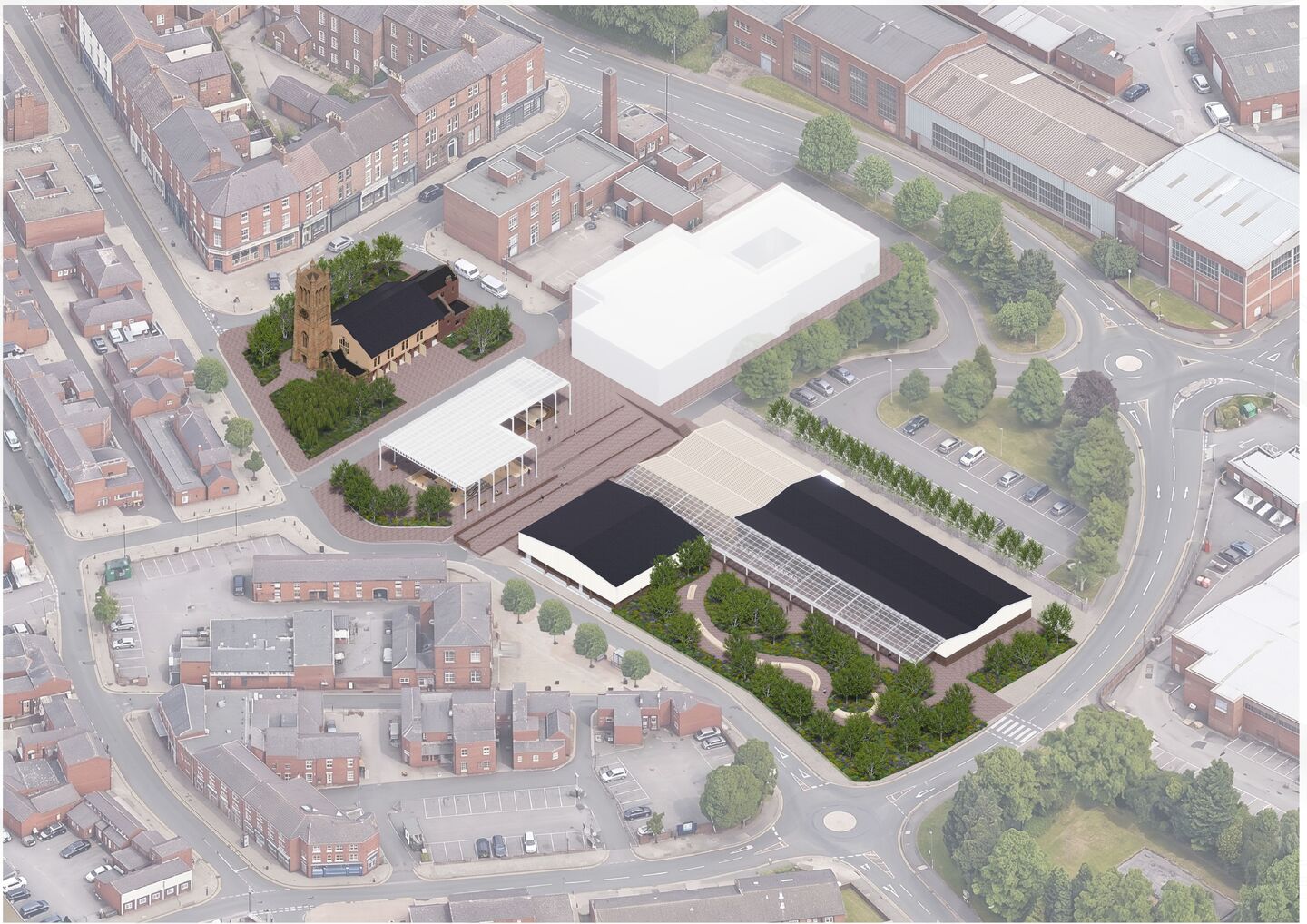
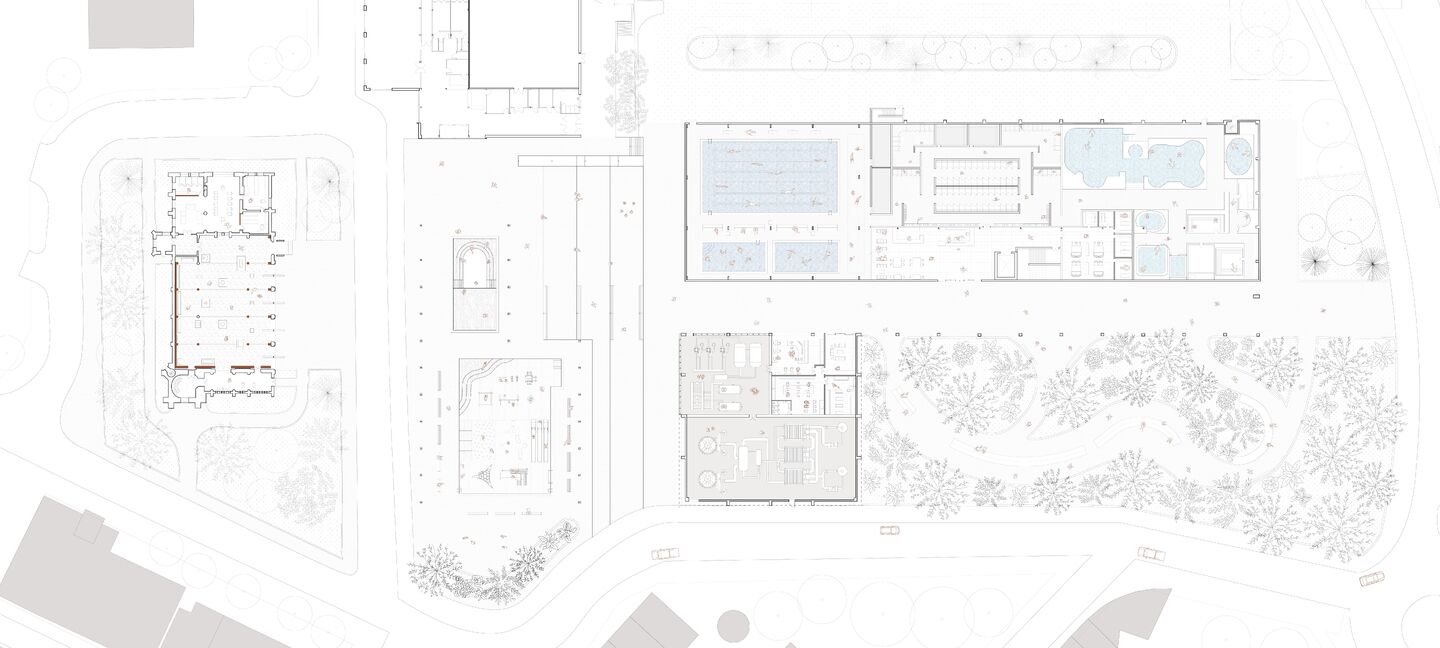
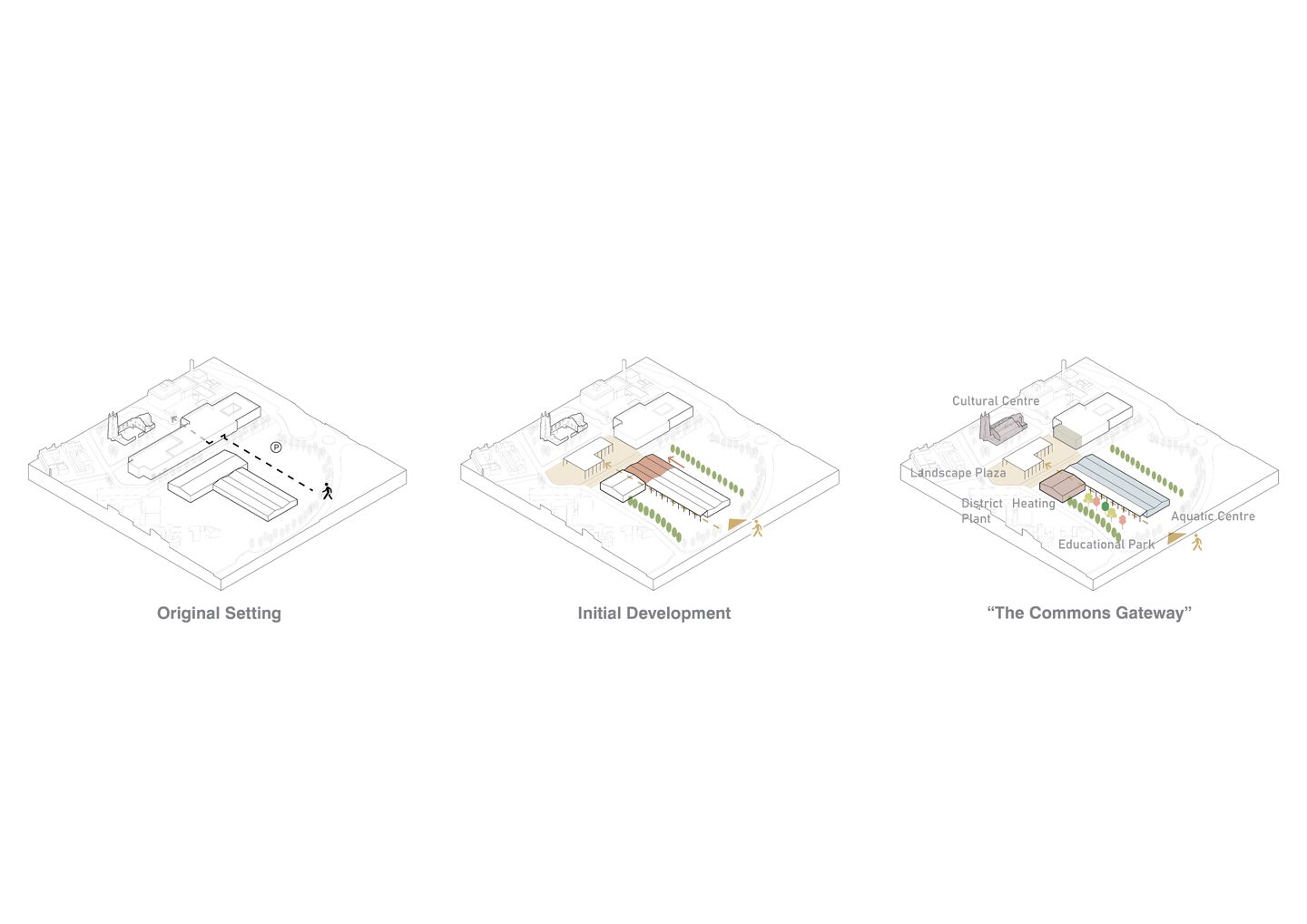
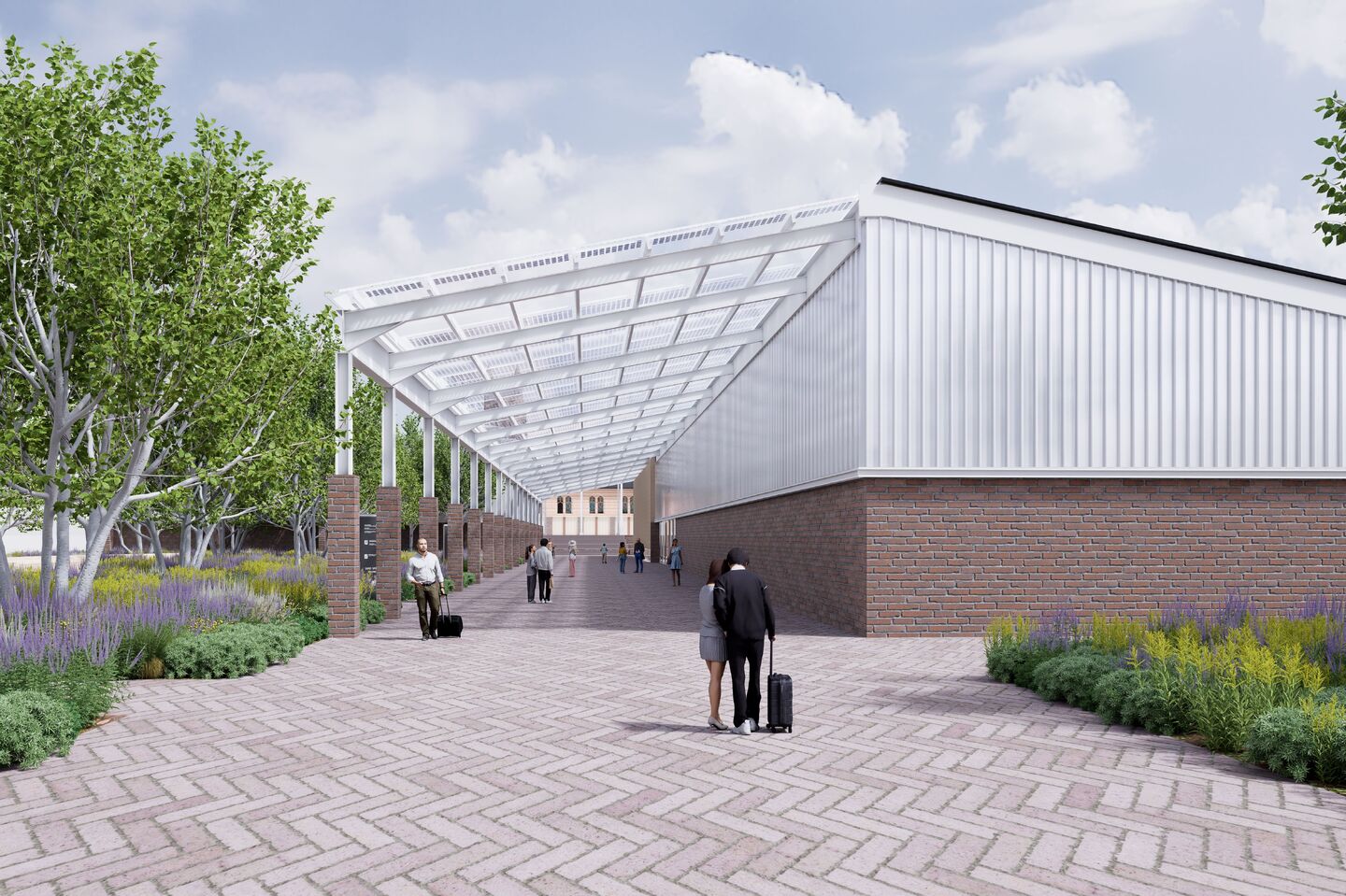
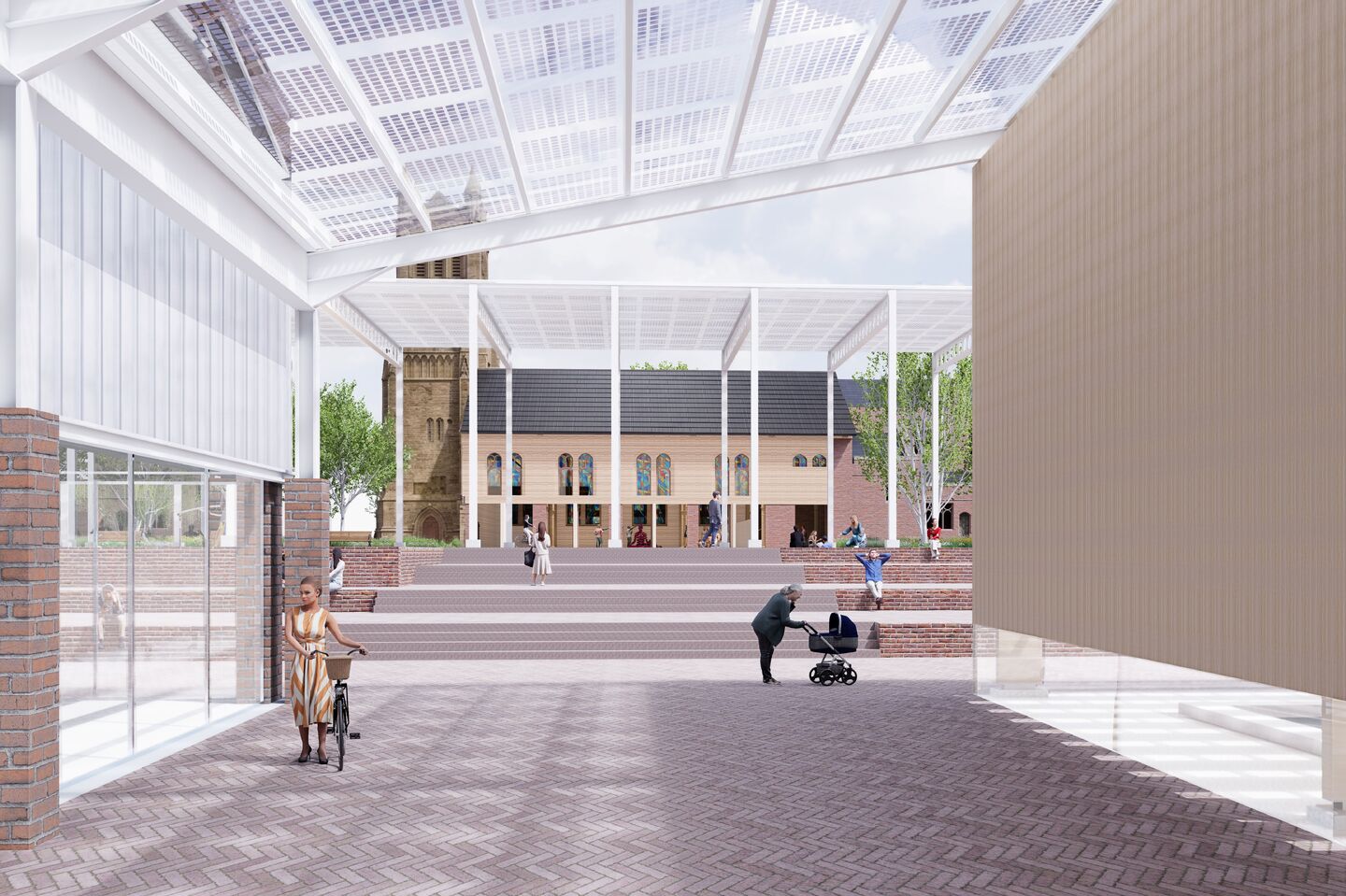
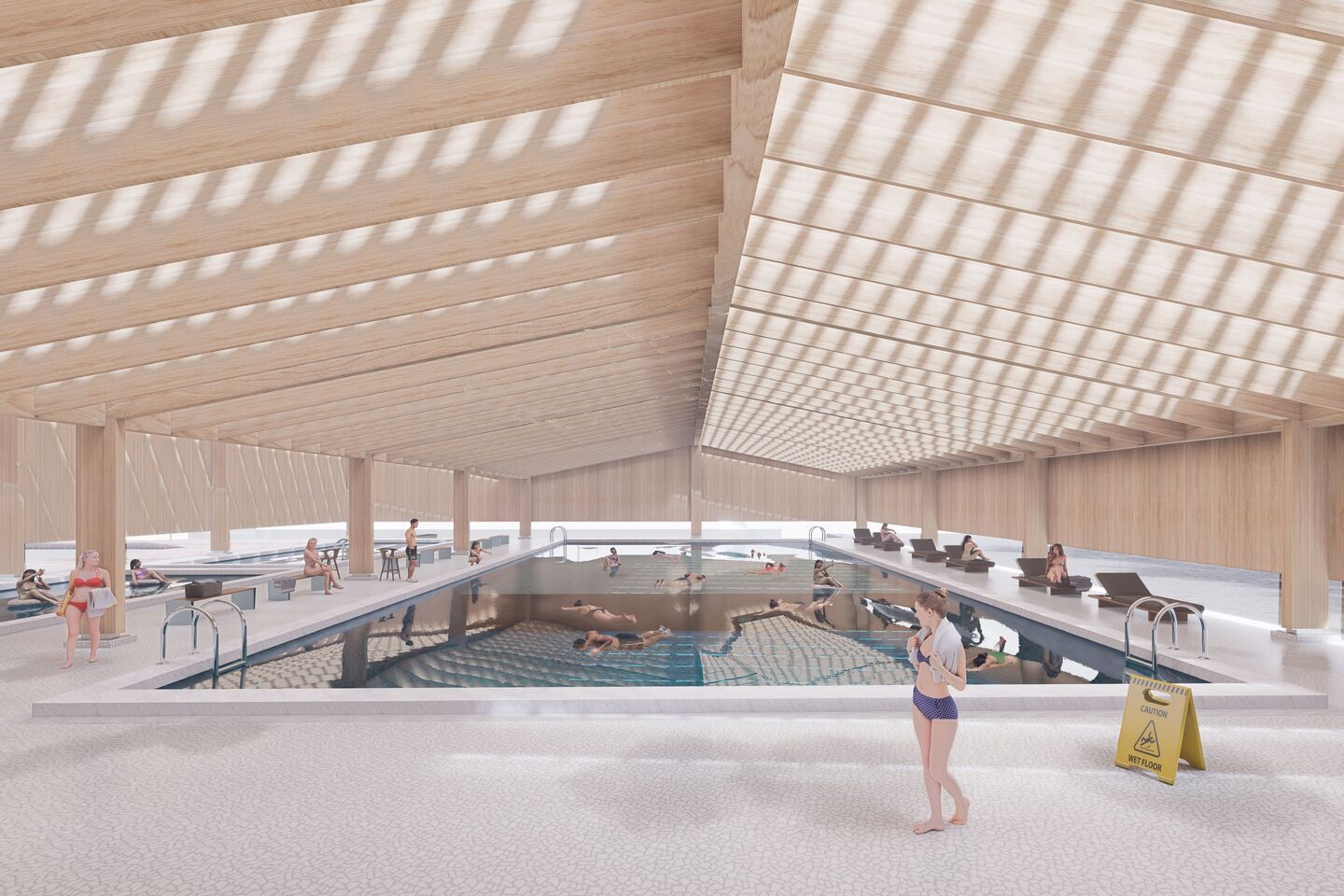
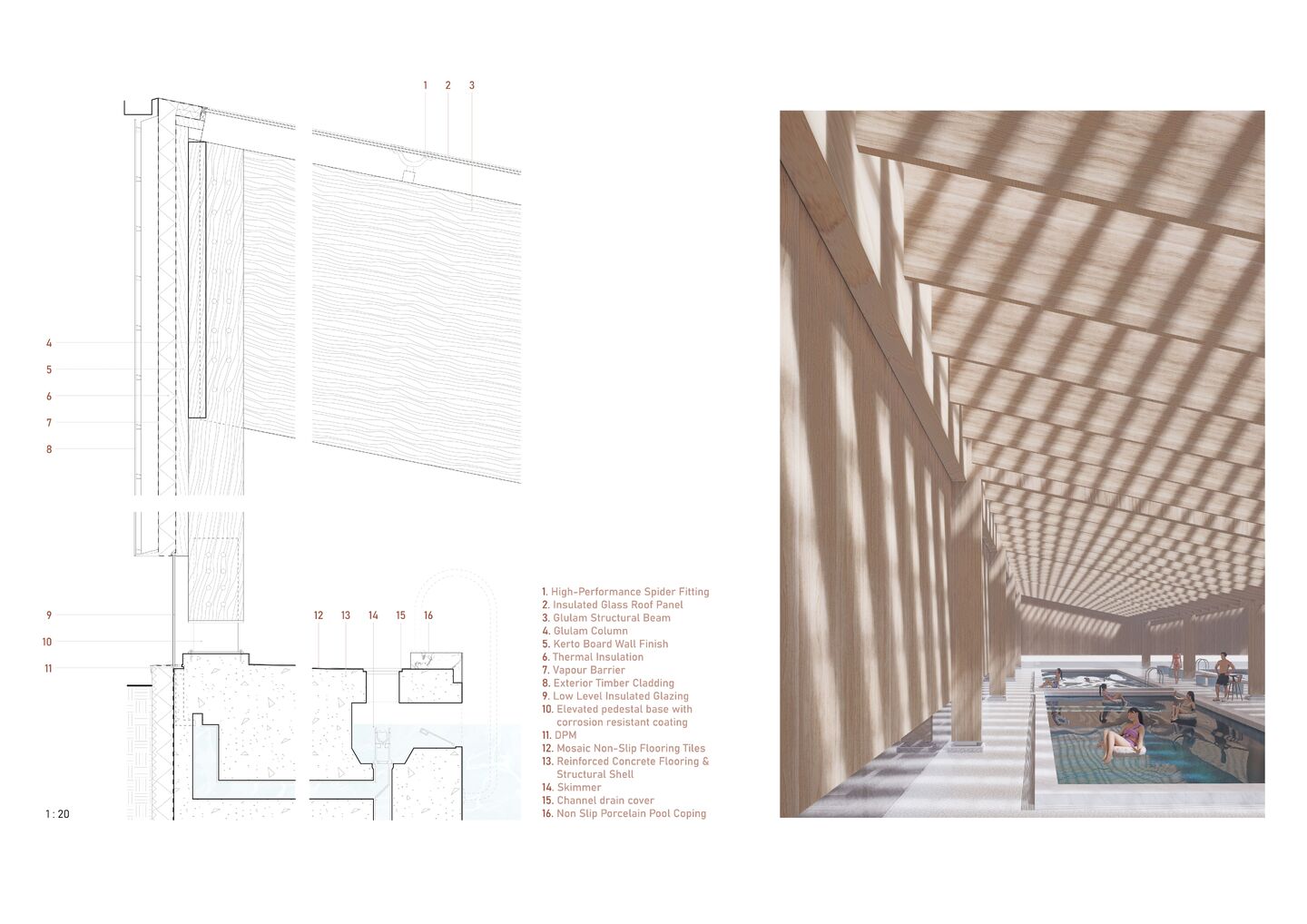
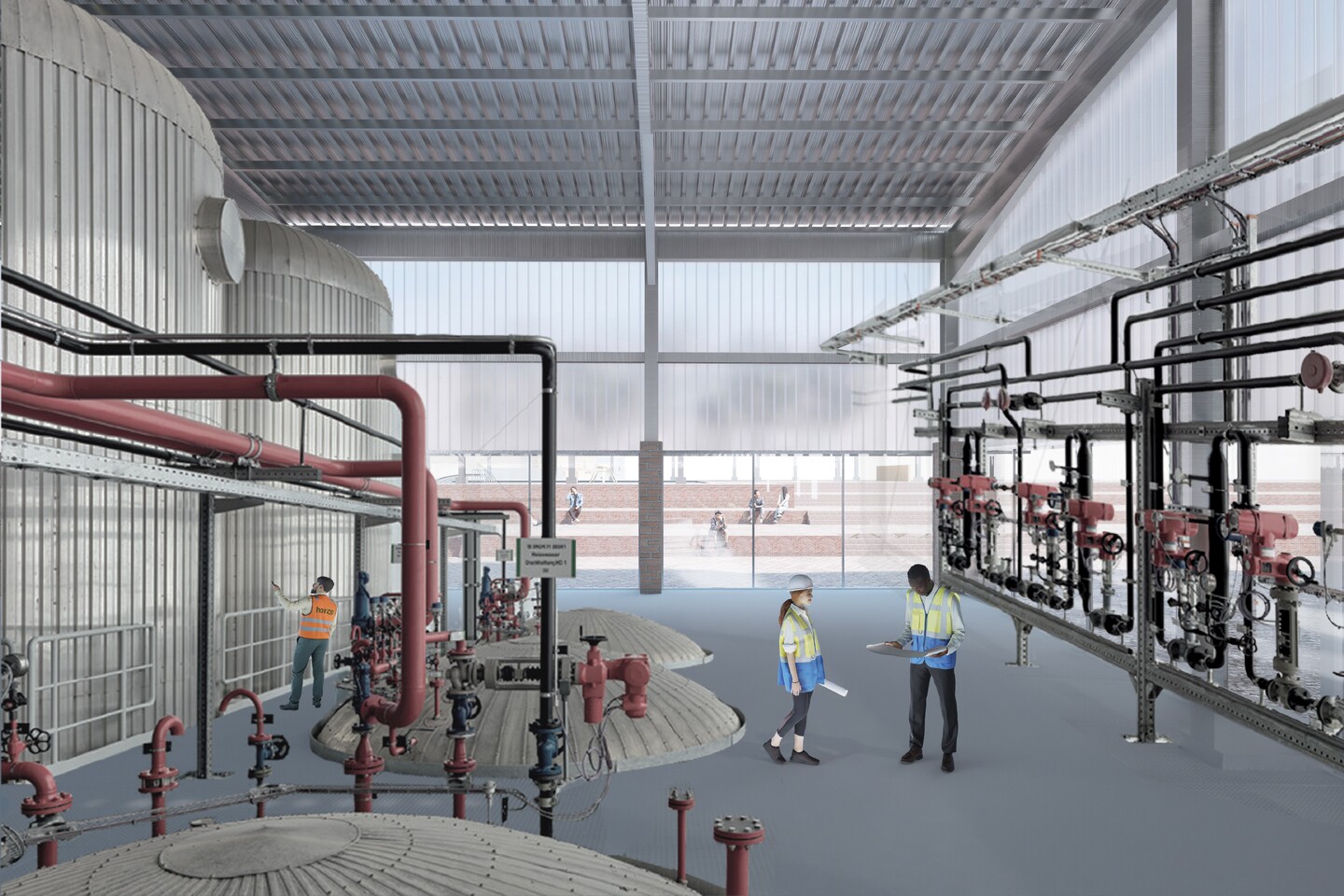
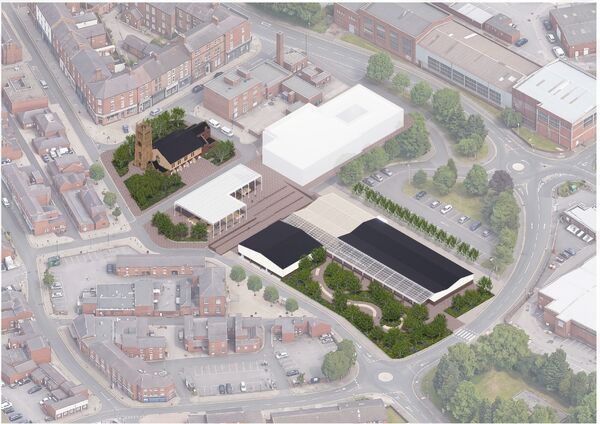
"Commons Gateway" radically challenges this traditional notion of the urban entrance. Rather than treating the gateway as a transient corridor, this project proposes a multi-programmatic "Commons"—a vibrant social and civic destination anchoring the edge of the town center. Through a strategic process of adaptive reuse, a monolithic, single-use industrial building is transformed into an Aquatic Centre, a District Heating Plant, and a sheltered Pedestrian Corridor. This architectural intervention carves into the existing industrial fabric, establishing a highly permeable, pedestrian-centric landscape that prioritizes dwelling over mere passing through.
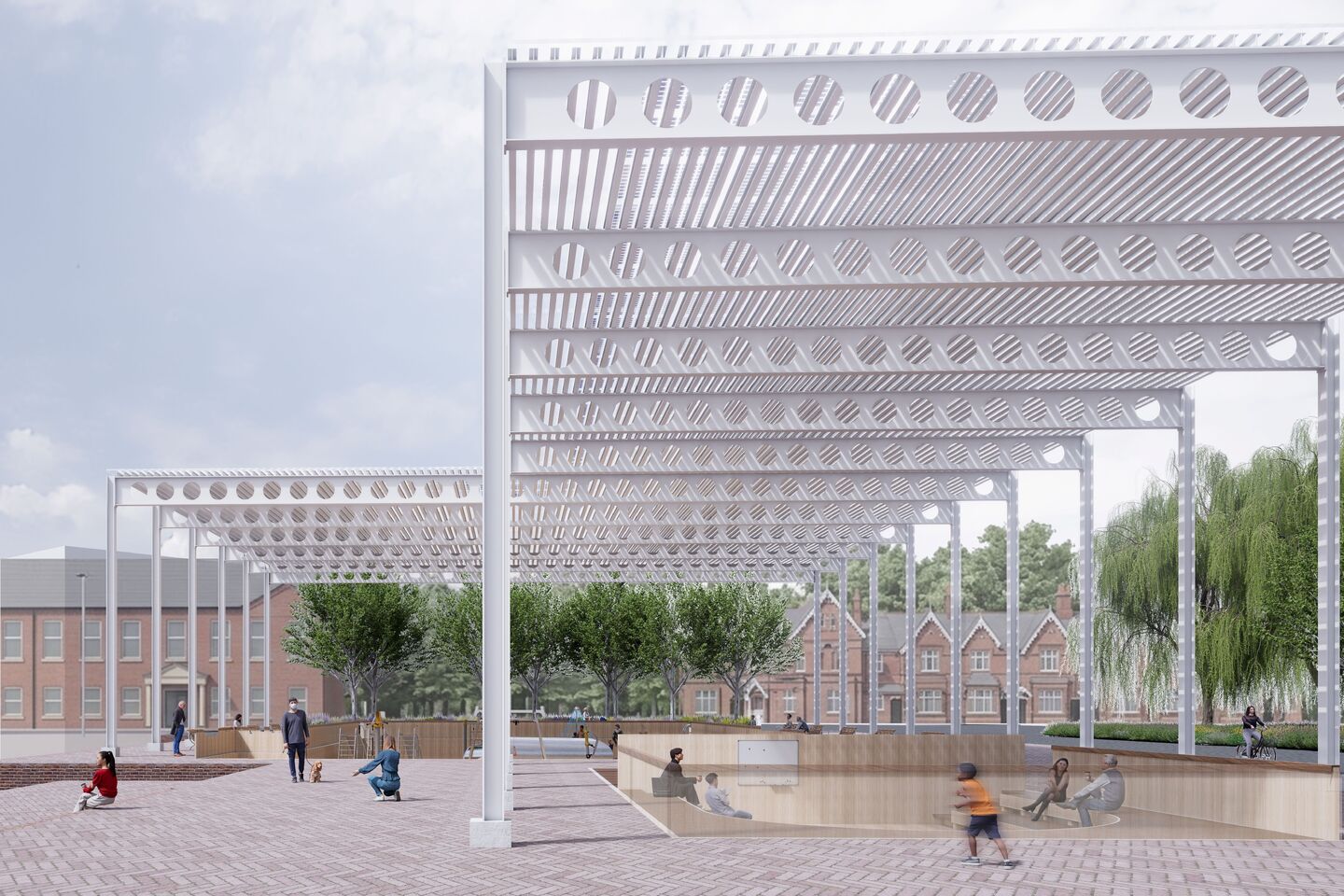
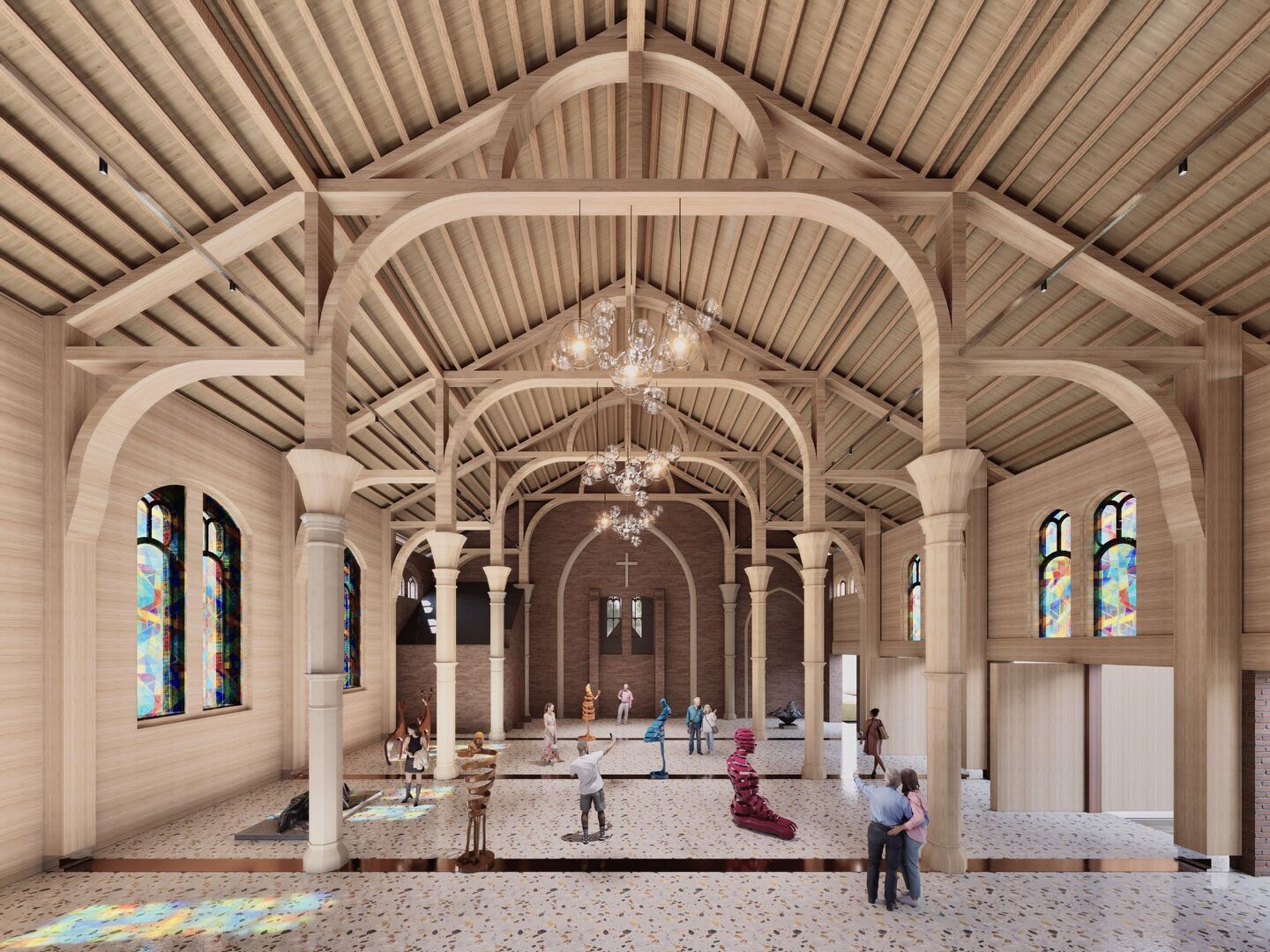
To maximize accessibility and public activation, the project repurposes the footprint of a demolished swimming hall into a civic landscape plaza, featuring an outdoor auditorium and a dynamic children's playground. Simultaneously, the project restores the abandoned Christ Church—the historic "mother church" of Crewe—into a cultural center, reinstating its role as an active public anchor for the wider community.
Ultimately, "Commons Gateway" operates not as an entrance to a town, but as an active participant in its survival. By restructuring a fragmented industrial periphery into a multi-functional civic territory, the project shifts Crewe’s narrative from a place of transition to a place of residence. This synthesis of heritage adaptive reuse, pedestrian infrastructure, and sustainable thermal systems provides the necessary backbone for long-term urban resilience, demonstrating that the strategic reclamation of an industrial past can successfully anchor a communal future.