

TO LIVE IS TO CARE
Care and independence are not opposing conditions, but mutually supportive ways of living. This proposal explores how intergenerational presence and passive security can enable people to live independently through everyday networks of interdependence.
Responding to an ageing population and the limitations of housing models that separate people by age, ability and care needs, the project understands care not only as a formal service, but as an everyday relationship between residents, families, neighbours, the wider community and the built environment.
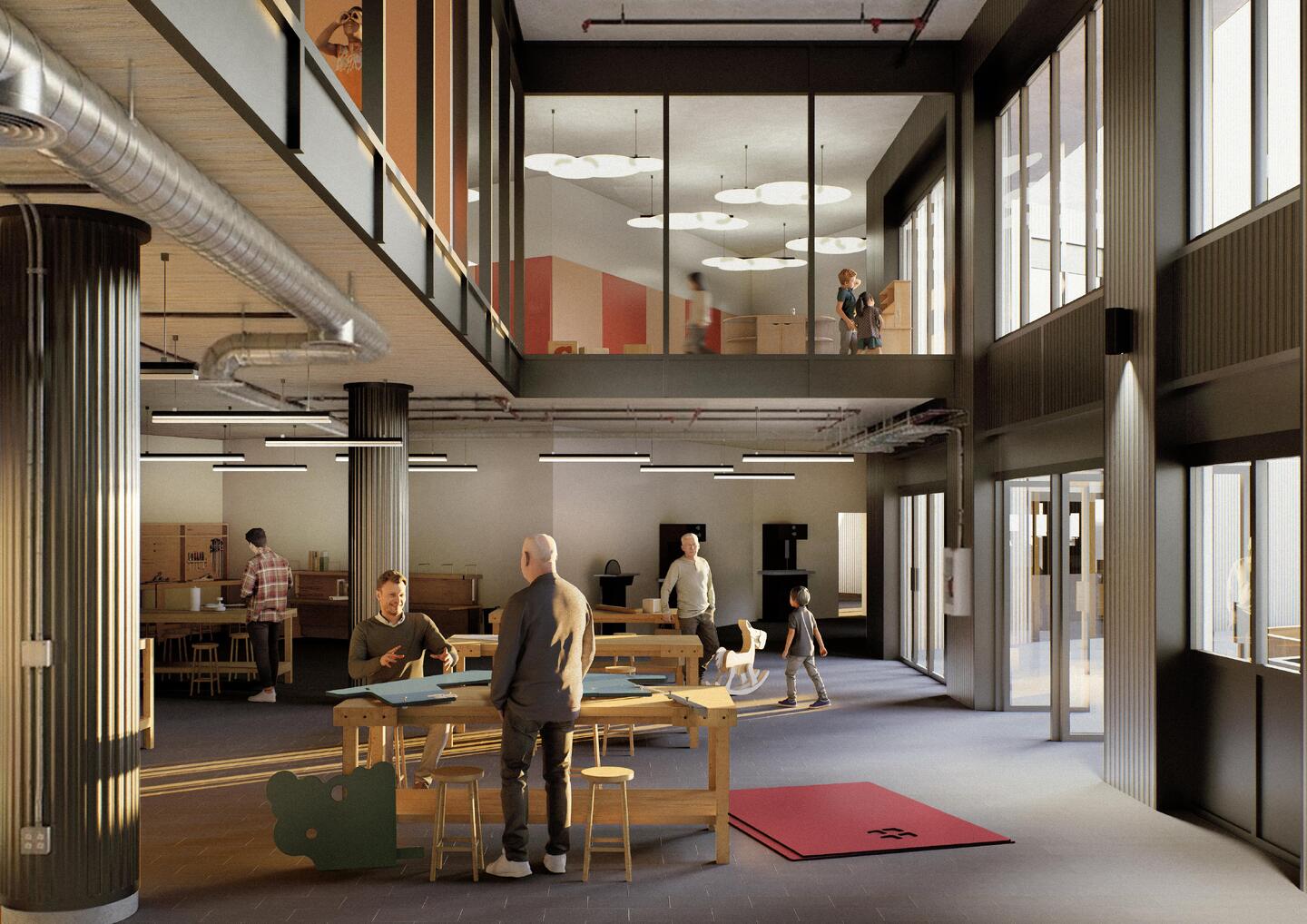
The project challenges the assumption that high-density urban living must result in anonymity or be designed primarily around younger populations. Instead, it asks how density can strengthen mutual support and a sense of belonging and reduce reliance on formal supervision.
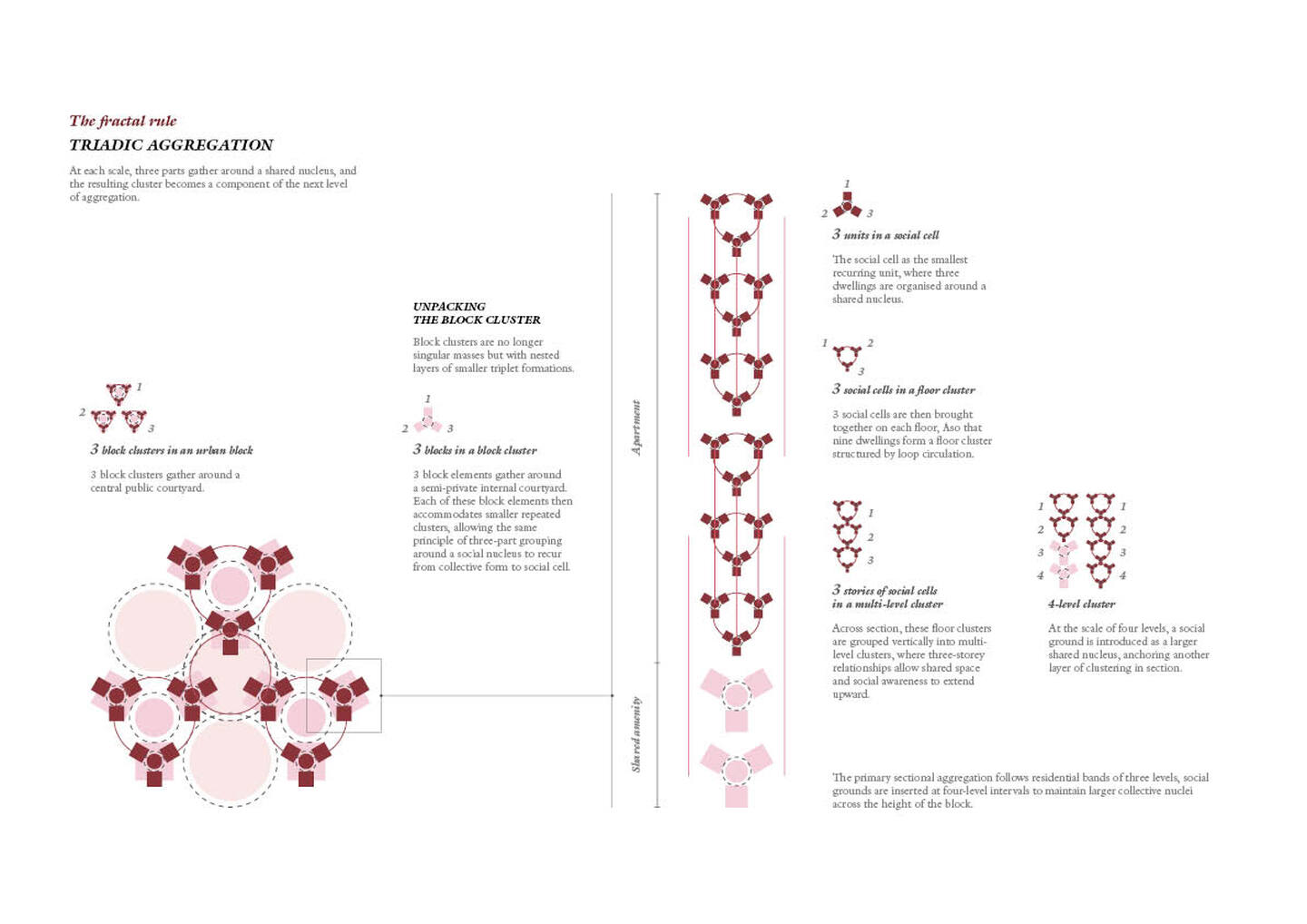
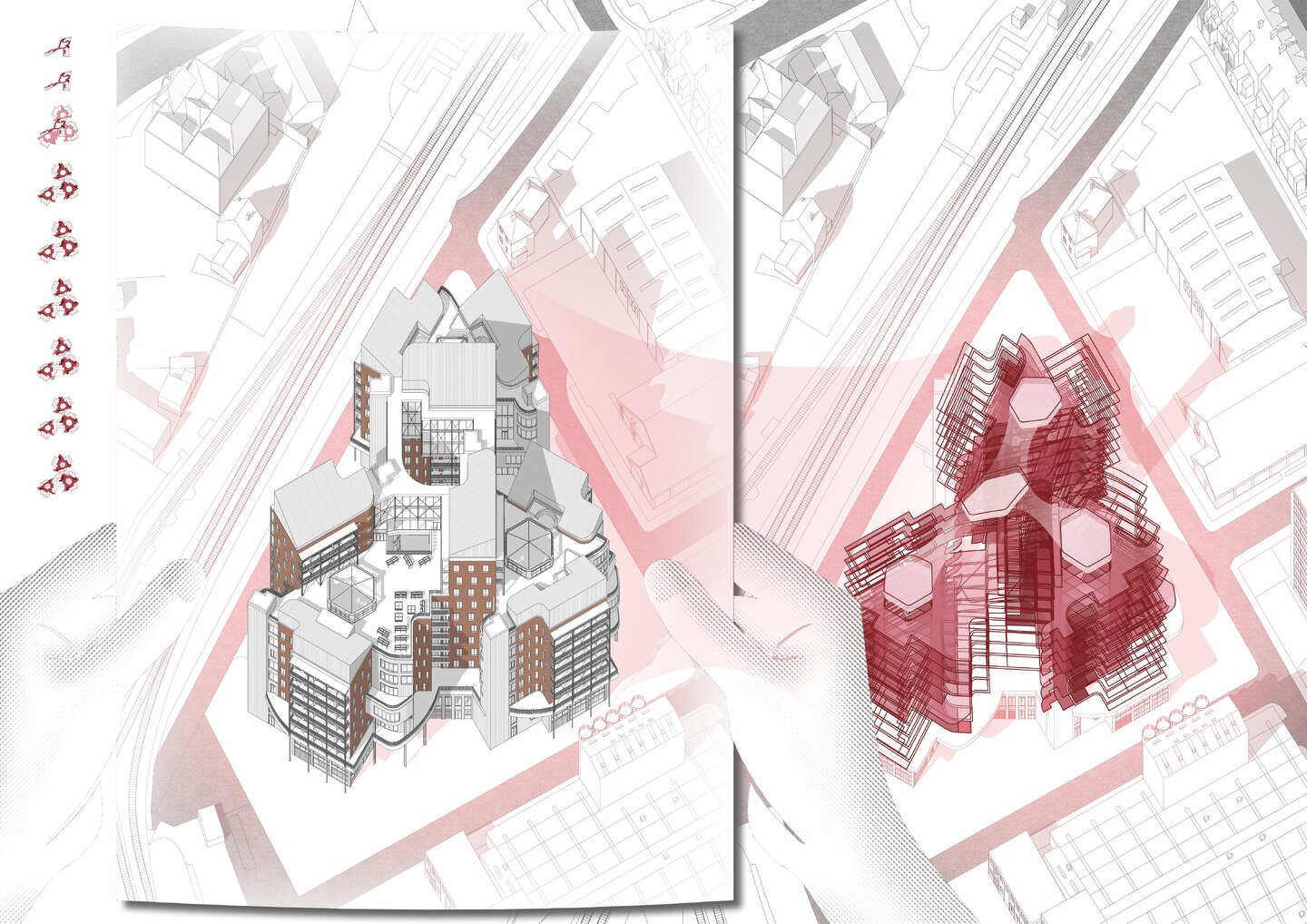
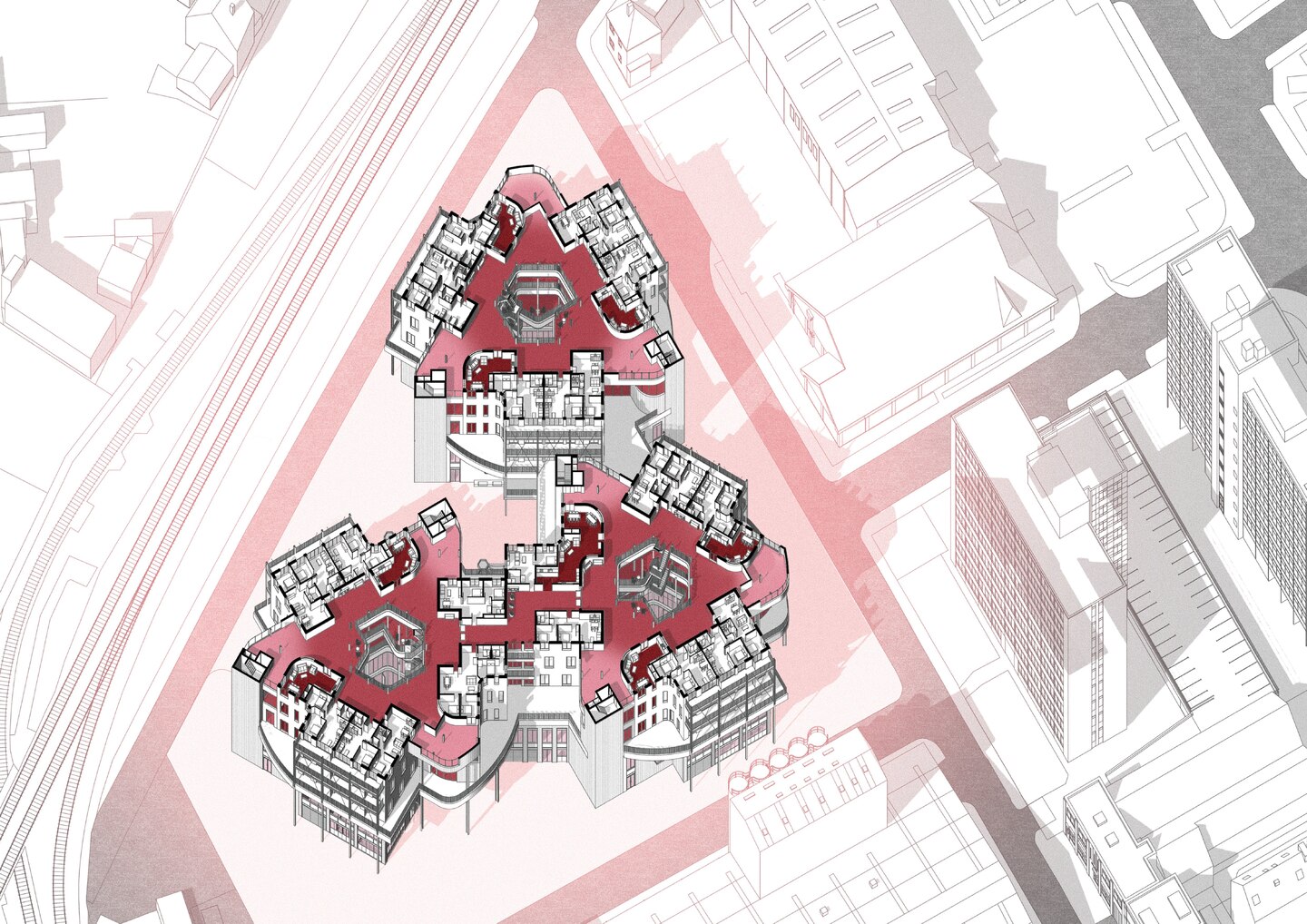
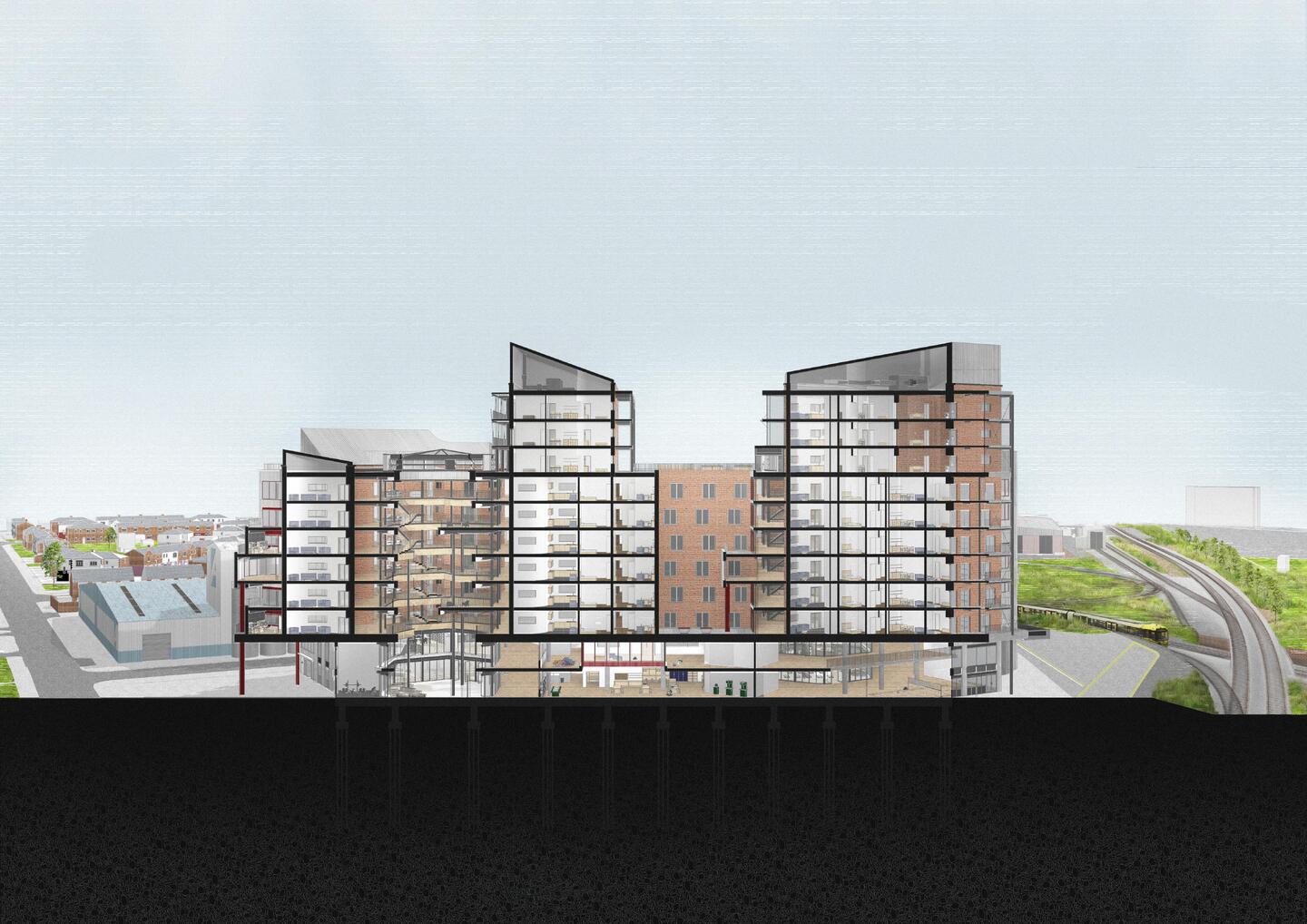
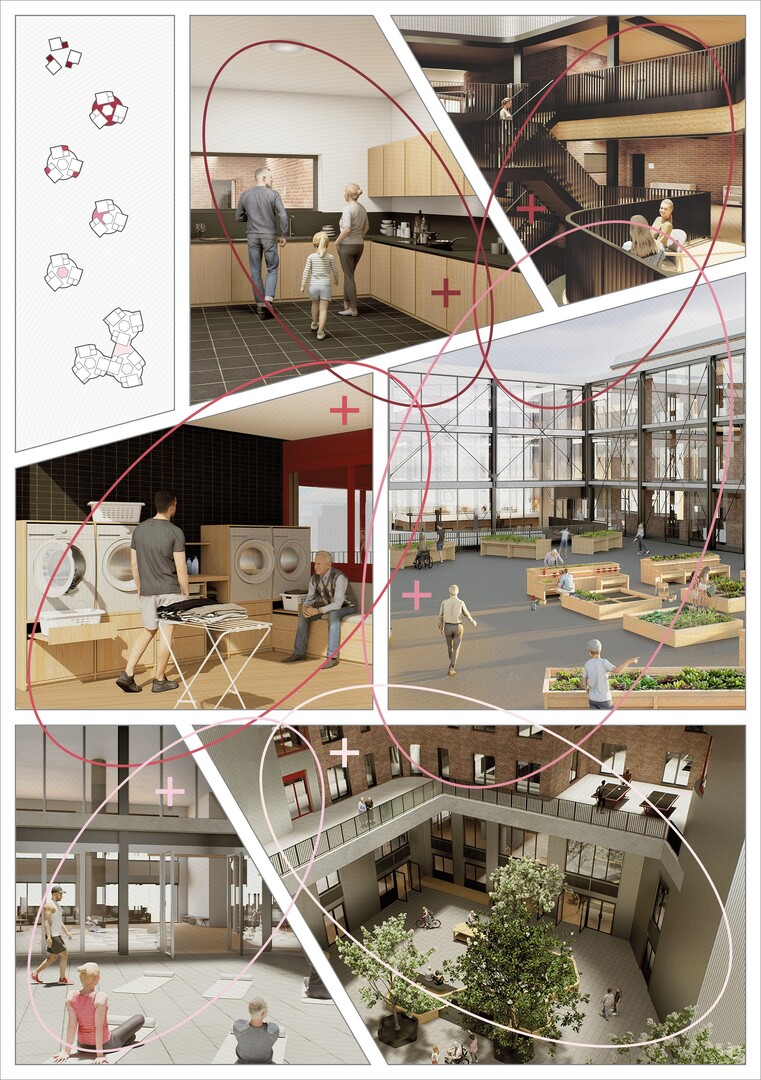
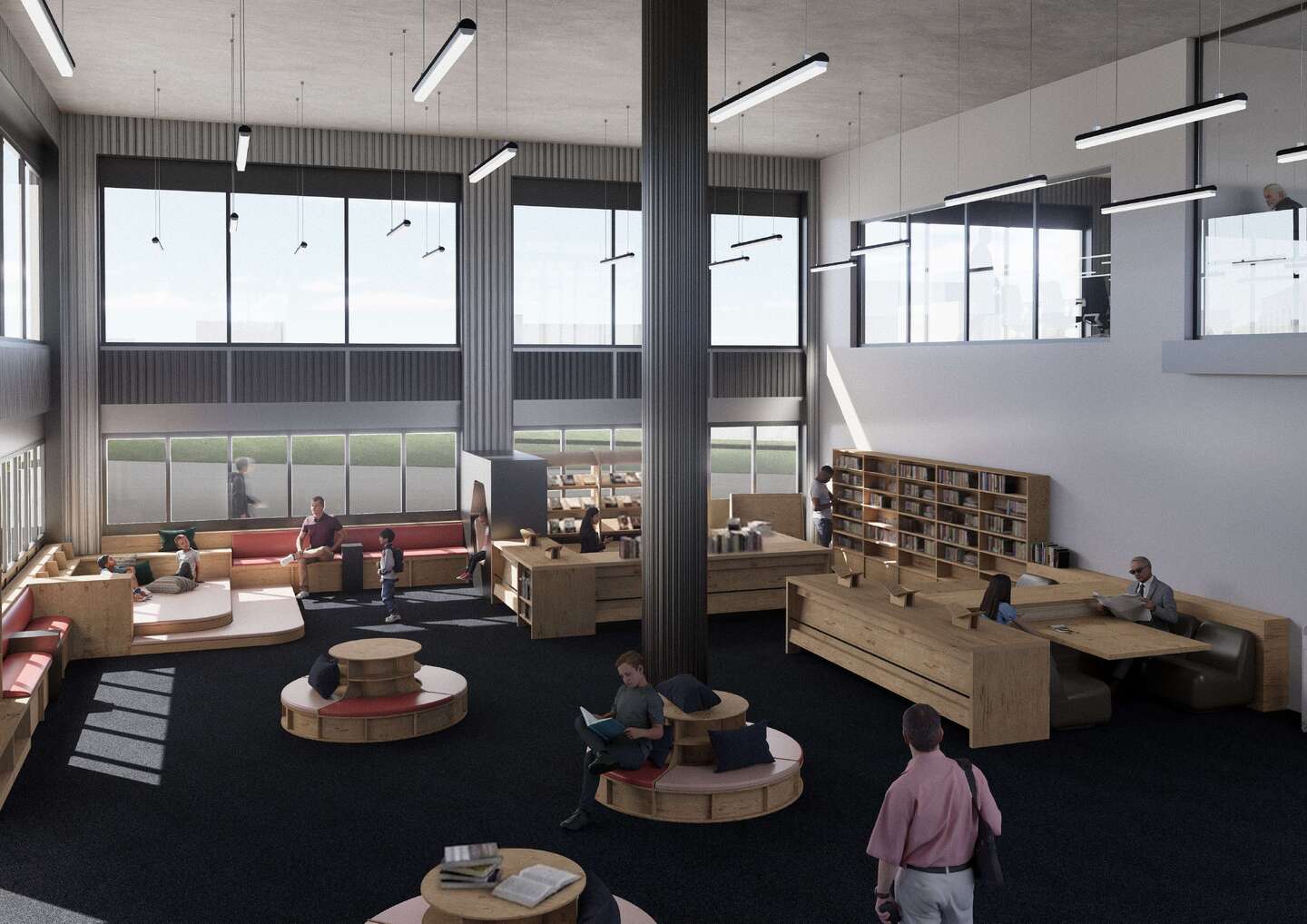
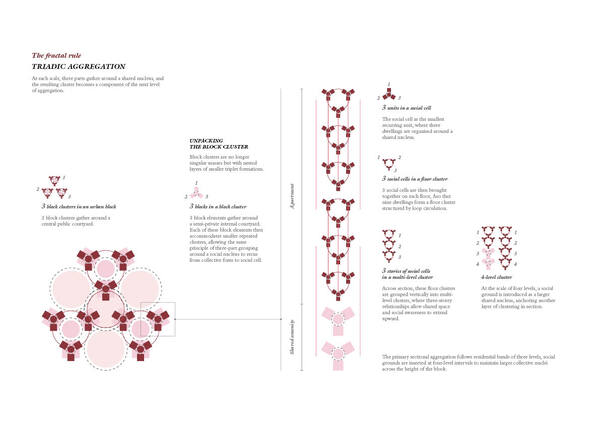
Housing is organised through six interconnected scales of clustering. Homes are grouped around shared kitchens and dining spaces to form small social cells, which combine into larger residential clusters, shared floors, connected buildings and collective social grounds. This fractal organisation creates multiple scales of belonging, extending from the individual home to the wider neighbourhood.
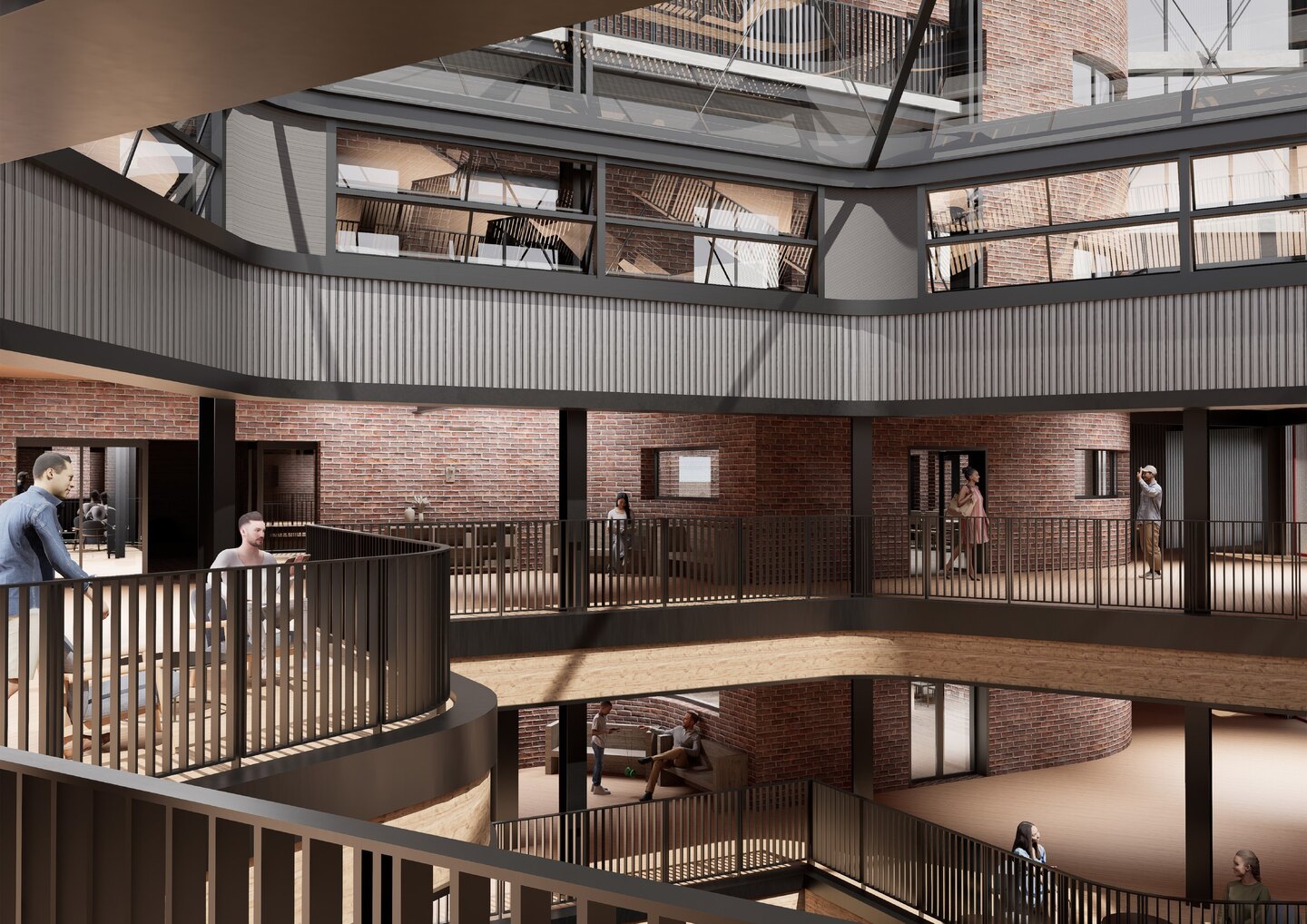
The design supports informal encounters, knowledge exchange and mutual assistance while preserving privacy, retreat and personal choice. It proposes housing as more than a collection of private units: an adaptable social and environmental infrastructure through which people can remain independent, connected and supported as their lives change.