The BA3 Humanities electives function as an intellectual laboratory, inviting students to navigate the intersections of architectural theory, practice, and the global built environment. Informed by world-leading research at the Manchester School of Architecture (MSA), the module situates the cohort at the vanguard of contemporary discourse, encouraging a rigorous interrogation of the environmental, human, and political tensions that define our world. By viewing these complexities through the openings created by architectural expression, students learn to trace and situate disciplinary frictions, gaining the conceptual tools necessary to articulate their own distinct critical and professional positions.

The curriculum spans a diverse intellectual landscape, ranging from the longitudinal study of material and typological histories to the transnational circulation of architectural ideas. Students examine the evolving technical means of production alongside the shifting role of the body in spatial thought, exposing them to fundamental questions of representation, difference, and power. Throughout these inquiries, a varied set of spatial tactics serve as the analytical thread that cuts through these tensions and debates.

Evaluation of the module is structured around two integrated components: a research essay and a reflective appendix. The essay tasks students with mobilizing diverse visual and archival sources to synthesize a specific thematic inquiry, while the appendix serves as a curated record of their engagement with elective-specific materials and debates.

Sample of modules

Architecture and the Body

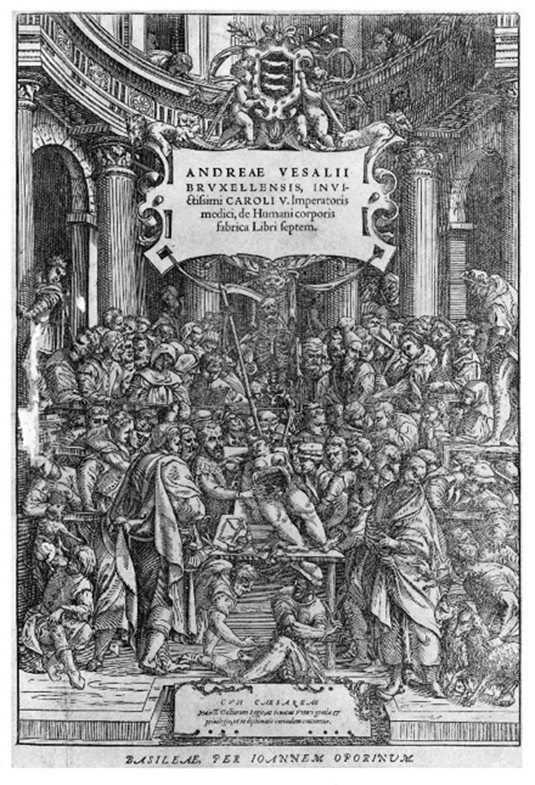
Throughout history, the human body has influenced systems of belief, which have in turn found numerous means of cultural expression. This elective focused on various moments when the thinking of the body and its relationship with architecture became significant, or underwent significant change. It introduced a range of enduring concerns that have accompanied architectural–bodily connections, including the influence and extent of scientific and medical understanding: gender and ‘otherness’; authority and control; movement and perception; and exhaustion/work-life balance.

Next

Environmental Histories of Architecture

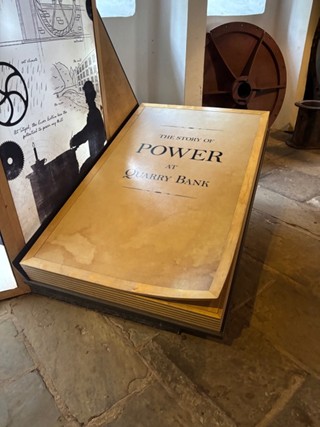
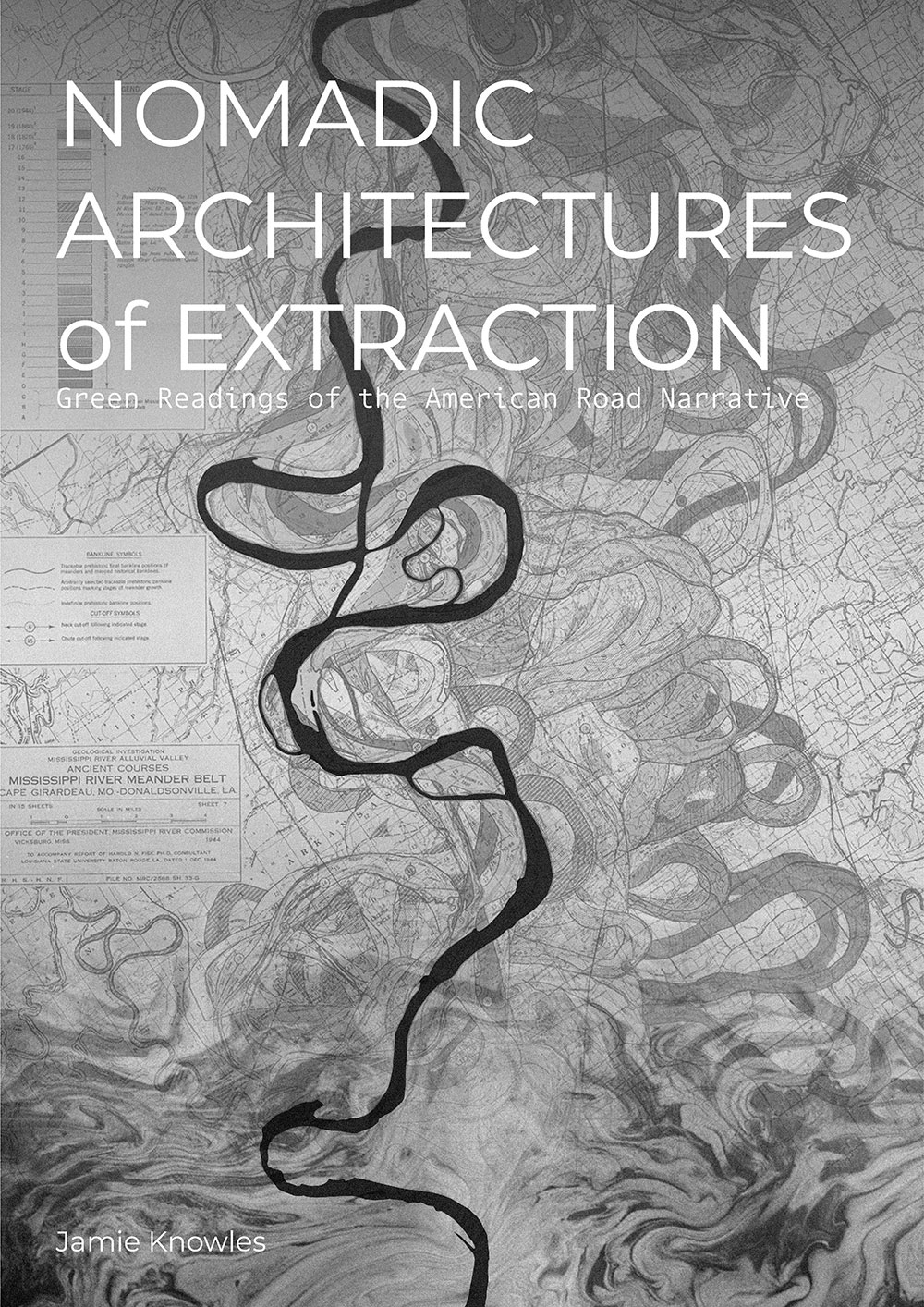
This elective course investigates the intricate relationship between built environments and nature over the past two and a half centuries. It explores industrialization, resource extraction, and urban transformation through case studies from Manchester, Europe, North America, and other global regions. Key themes include fossil fuels, pollution, climate control, materials, toxicity, multispecies interactions, and posthuman perspectives within the context of the Anthropocene. Combining lecture inputs, interdisciplinary readings, guest speakers, and field trips, the course fosters critical reflection on humanity’s environmental impact and future imaginaries. Discussions focus on addressing both historical and contemporary challenges in architecture, urbanism, and landscape practices.

Next

User-centred Design

In our modern, capitalist society, architects rarely have the opportunity to engage with those who will occupy their buildings. Architects’ clients are often building contractors, speculative developers or public bodies, rather than individuals who will inhabit the completed buildings. This can make it difficult for architects to understand building users’ needs and aspirations. This elective lecture course looked critically at the term ‘user’ as employed within architecture and explored a range of strategies for understanding the needs and aspirations of building users. The various strategies were set in historical context, and the strengths and weaknesses of each approach examined.

Next

Queer Architectures and Queer Architectural Histories

This BA3 Elective Course offers an exploration into architectural and urban relationships with queerness and feminism. Both an introduction to modes of queer and feminist centred modes of architectural production, and on modes of queer and feminist architectural historiography and theory, this course interrogates two provocations: what makes a space non-normative? And, beyond this, what role does built and urban space play in constructing and sustaining non-normative identities? In a time of reversals of queer rights and acceptance, questions of spatial inclusion and exclusion have taken on new urgencies, and so this class encourages students to challenge heternomative modes of thinking, writing and designing architecture.

Next

Social and political architectures in Latin America

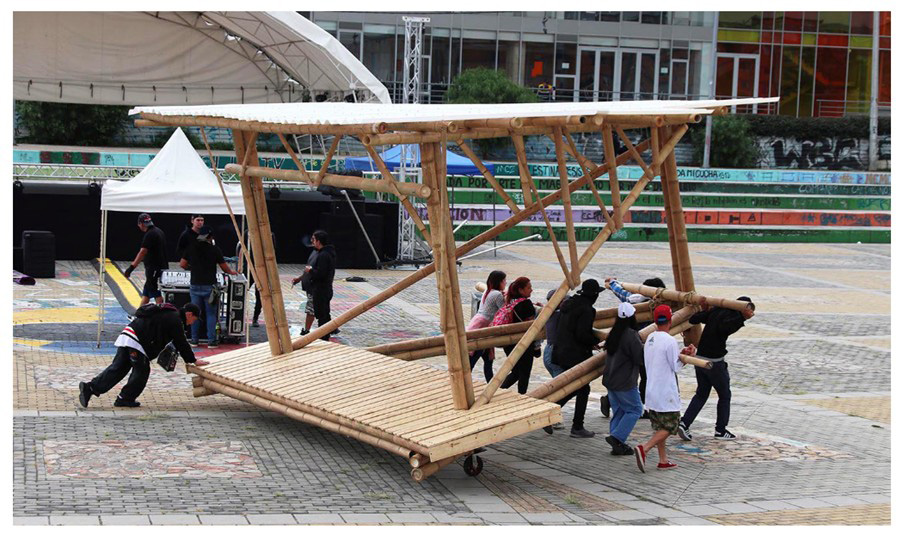
The course focuses on the emergence of a new wave of social and political architecture in South America. Looking at different actors, from social movements to official planning agencies, NGOs, and architectural collectives, it examines what is distinct about the material interventions; how they are organized, financed, and the spatial programs they articulate. The sessions engage with the impacts that auto-construction, social urbanism, popular logistics, and the struggles surrounding the right to the city have had on metropolitan landscapes in South America. The lectures dissect and isolate the multiple devices, infrastructures, and visual tools used in these forms of architectural expressions, identifying commonalities across the multiple cases.

Next