Humanities 2 addresses the professions of architecture and urban design and considers how they operate beyond the limits of individual sites. It explores how architecture in the city can generate political, economic, and environmental effects, raising questions about the ethics and responsibilities embedded within architectural and urban practice.
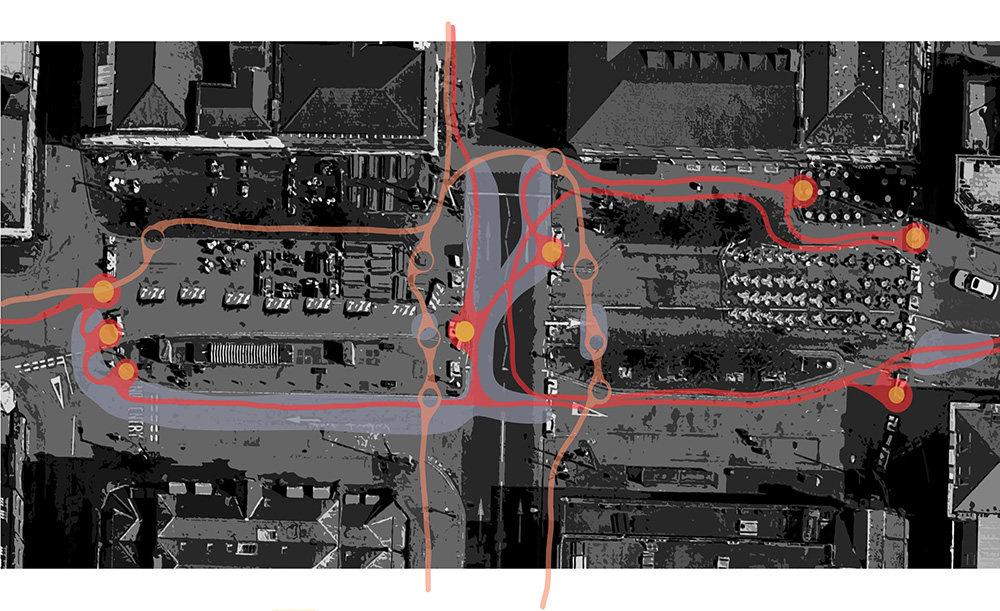
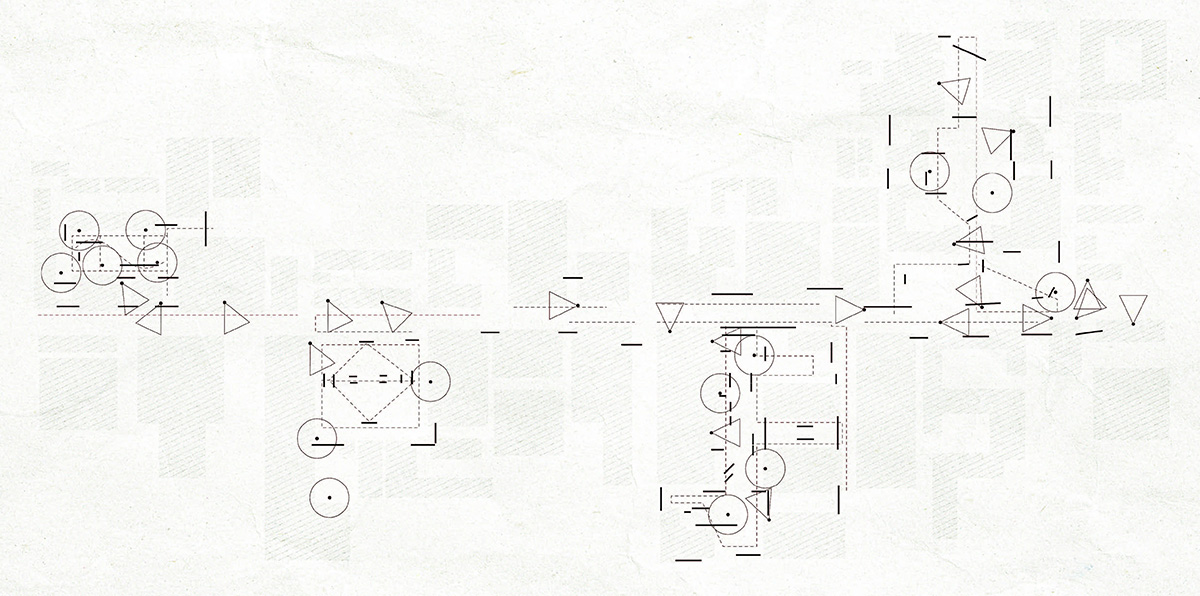
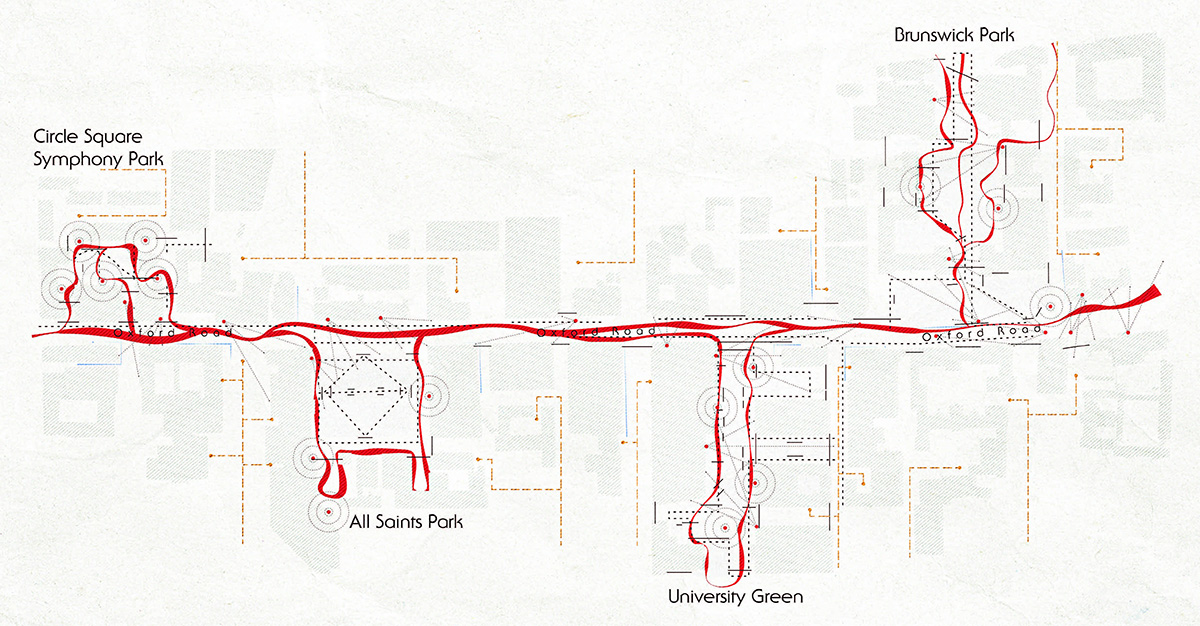
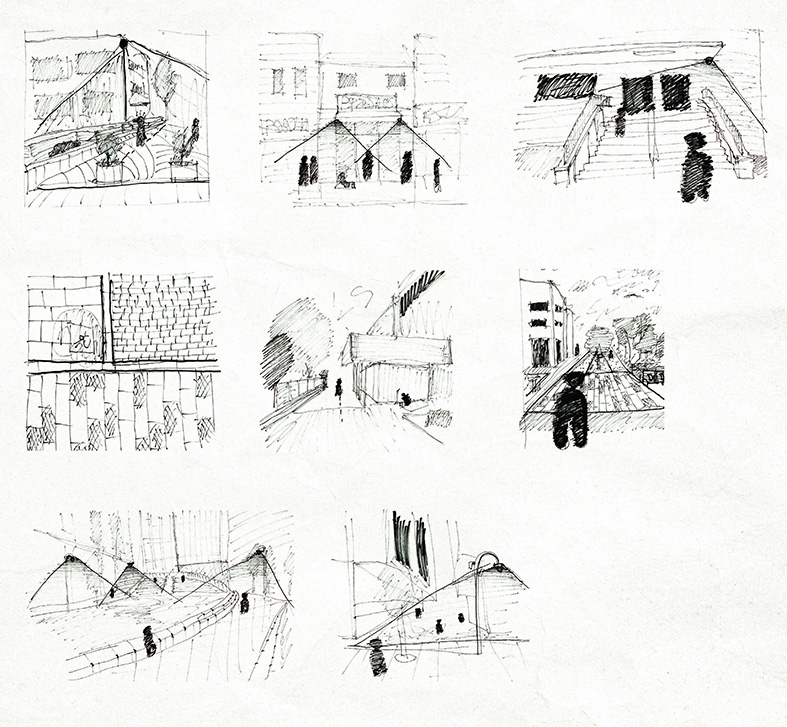
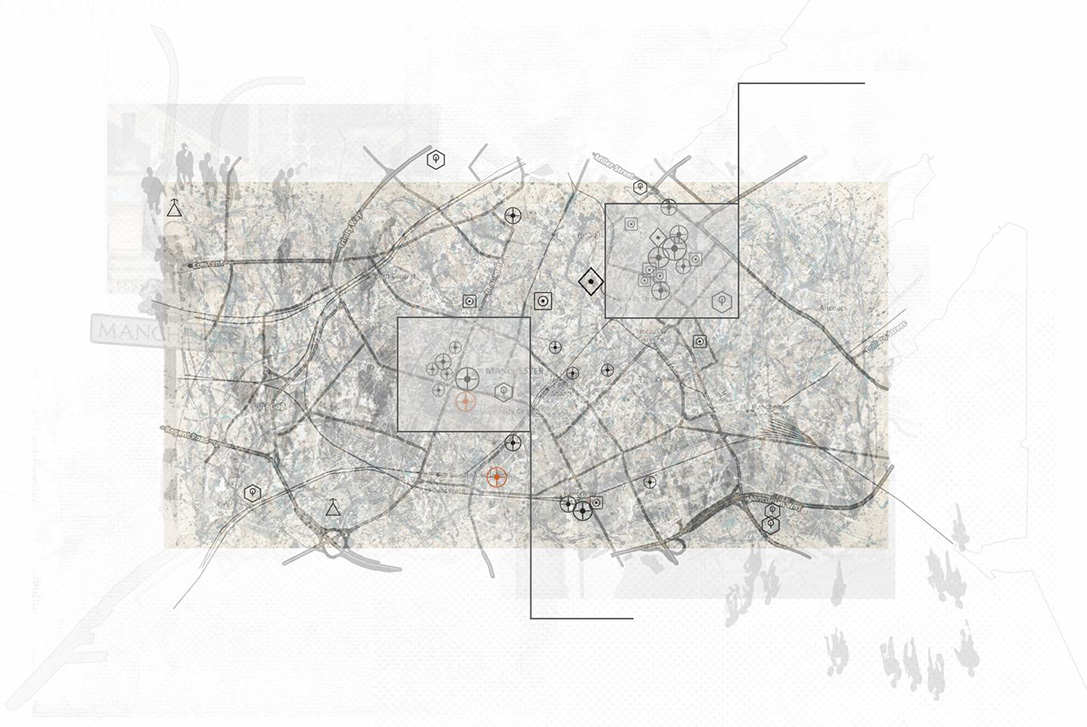
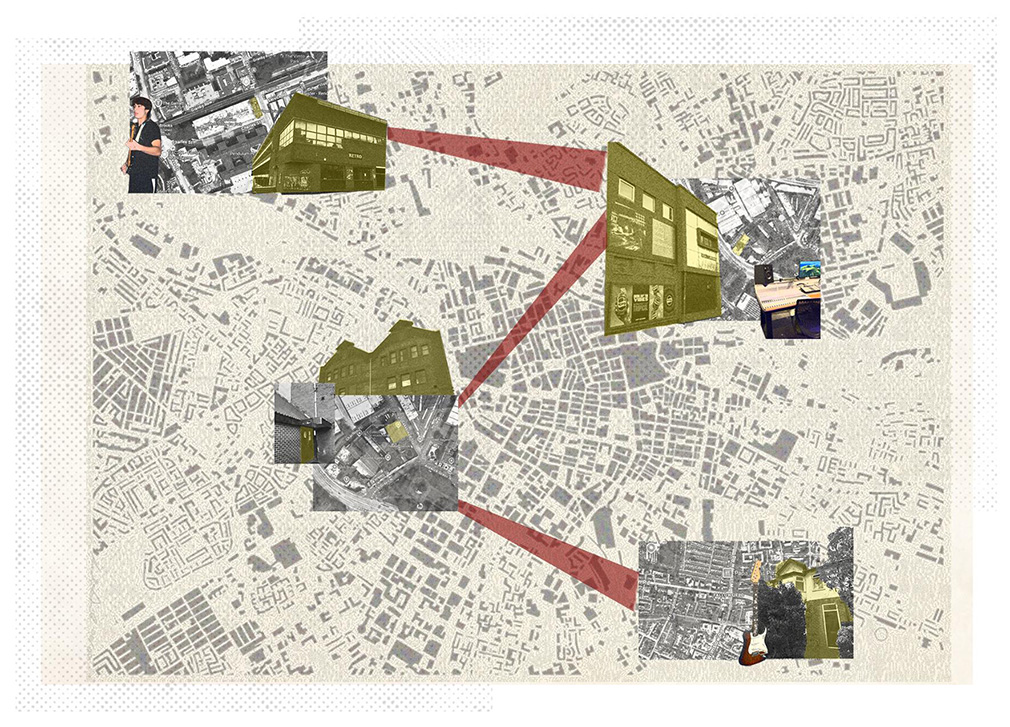
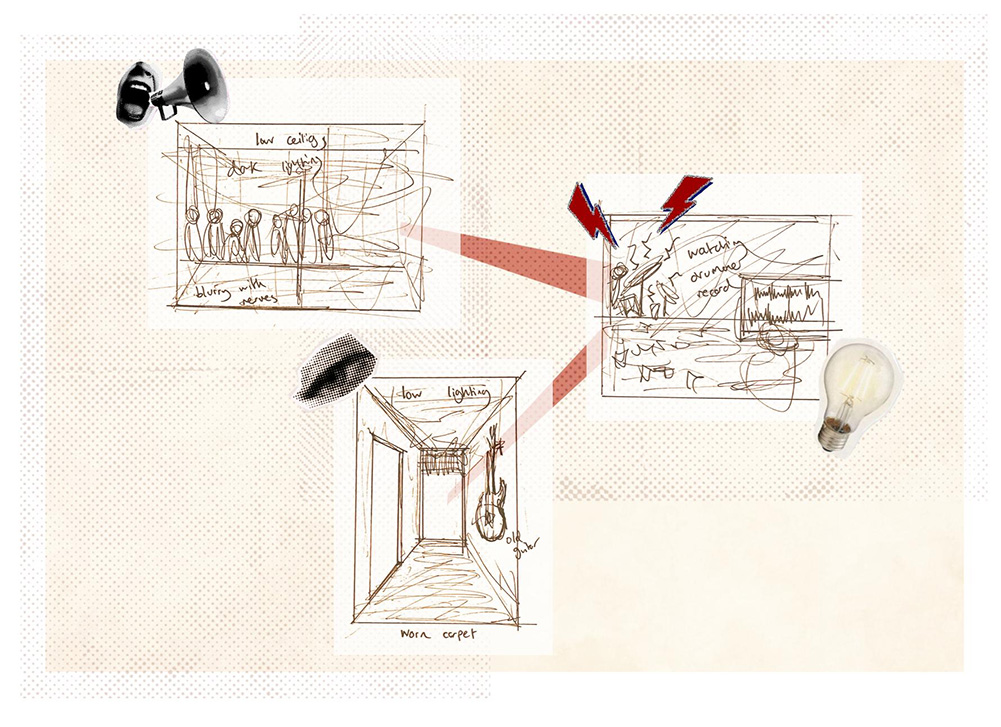
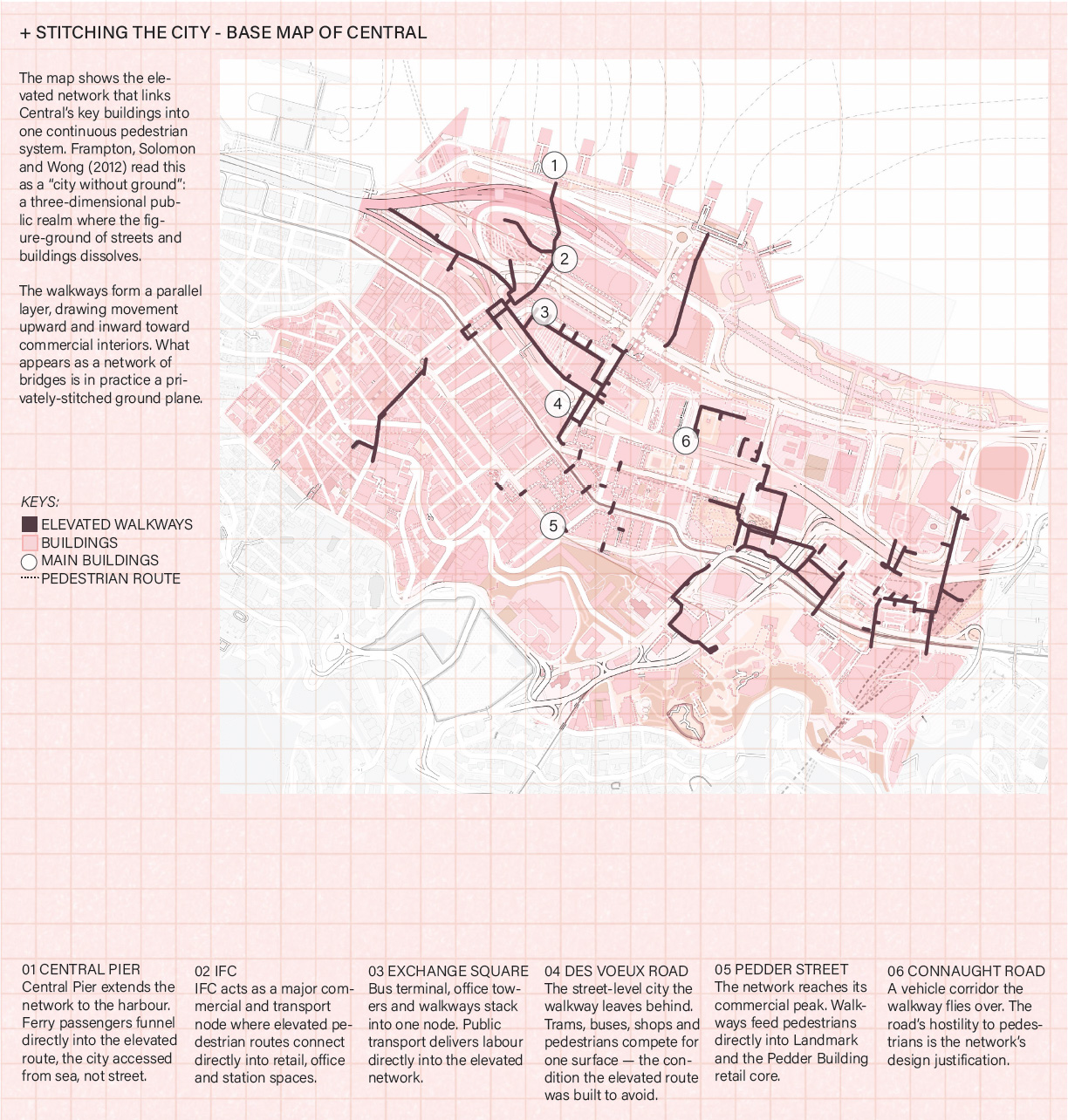
With Tracing the City, the focus turns towards a critical engagement with architecture and the urban environment. The course examines the processes of production, consumption, and maintenance that shape the built environment and extend beyond it. It challenges the idea of the city as static by understanding it as something alive and continuously evolving through the networks and systems that sustain it. Students explore these relationships through creative and non linear methods of tracing and mapping, developing new ways of engaging with urban complexity. A wide range of urban artefacts are examined to reveal their multiple meanings and connections.
The course is structured around two key strands. It introduces historical and theoretical perspectives on urban practice, engaging with themes such as nature, technology, race, and class within specific socio political contexts. At the same time, it proposes alternative approaches to mapping and representation that allow for a more careful unpacking of urban conditions.
Sustainable Urban Futures forms a central part of the programme, supporting the development of climate literate practitioners. Students engage with debates on climate breakdown and biodiversity loss, including questions around technology, human behaviour, ecological relationships, and indigenous knowledge, while reflecting on the ethical responsibility of responding to the climate emergency.
Sustainable Urban Futures ultimately aims to develop students as critically engaged practitioners who place a deep understanding of climate justice at the heart of their practice. Students complete a critical essay and develop their own sustainability manifesto as part of their assessment.