
Staff / Vikram Kaushal
Lecturer
0161 247 6961
Homepage : www.openframeworks.cc , www.loganandwilcox.co.uk , www.chairTV.com , www.thewarehouseproject.com
Vikram Kaushal studied in Britain, at the Manchester School of Architecture. He founded Logan & Wilcox in the summer of 1999, a community arts and cultural consultancy, carrying out work on the 'Every Child Matters Agenda’, the 'Ritchie' report on the causes and effects of the Oldham riots, the development of the Connexion service and documentaries for channel 4 and the BBC.
Most recently Vikram Kaushal has been involved in 4 major programmes. They include a regional study on creative cities and creative urban milieu; the development of the ‘the economy of ideas’; the viability, vitality of cities and currently leading an investigation in too the process of urban renewal and the formation of the 'post cultural city’.
Kaushal is currently leading an investigation into what the opportunities and dilemmas do a world of networked "I.A" (Intelligent Artefacts) pose for architecture and urbanism?
Architecture’s primary role of authoring space is called into question by the ability of citizens to perform spatial relations in ways other than traditional design thinking. Devices like the Google phone (open source _ Android) and apples ipods/iphone are enabling ordinary citizens to take a more effective role in shaping the placing and spacing of the urban experience. In effect, these devices have become tools for organizing and negotiating, space, time and boundaries. We are increasingly finding information processing capacity embedded within and distributed throughout the material fabric of everyday urban space (WIFI,
3G,
Bluetooth,
GPS, open and closed, regulated and unregulated systems). Artefacts and systems we interact with daily collect, store and process information about us, or are activated by our movements and transactions new forms of consumption and production, surveillance and control emerge.
What distinguishes the emerging urban sociality enabled by mobile technologies and wireless networks? What post-optimal design strategies and tactics might we propose for an age of responsive environments, smart materials, embodied interactions, and participatory networks? How might this evolving relation between people and "networks and frameworks" alter the way we occupy, navigate, and inhabit the city? What is the status of the material object in a world privileging networked relations between "I.A"? How do distinctions between space and place change within these networked media ecologies?
Kaushal suggest that Increasing expectations and aspirations will lead to greater ownership and city pride. As Jane Jacobs says; 'Dull, inert cities contain the seeds of their own destruction and little else. But lively, diverse, intense cities contain the seeds of their own regeneration'. The solutions undoubtedly are close to home’.
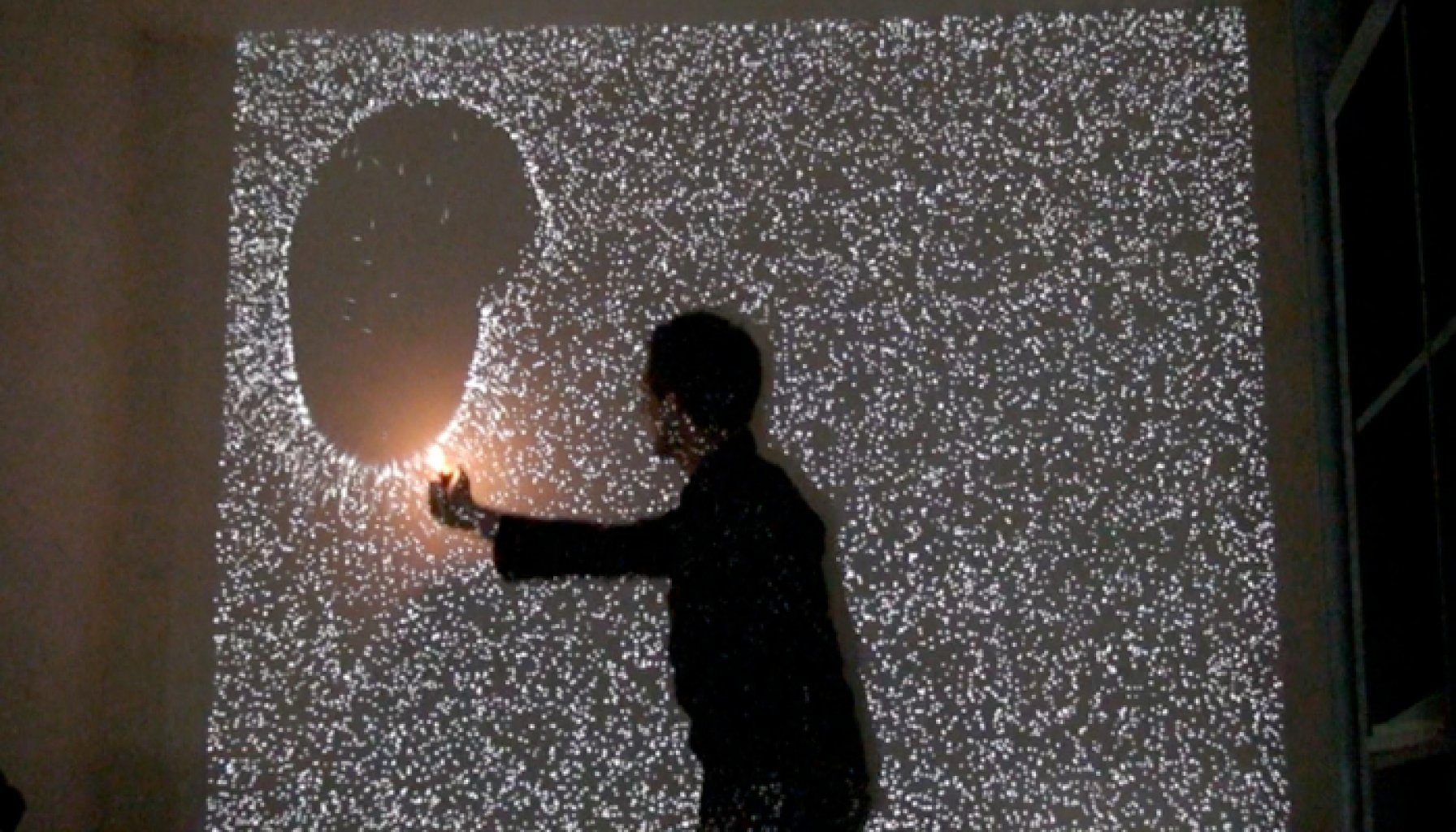
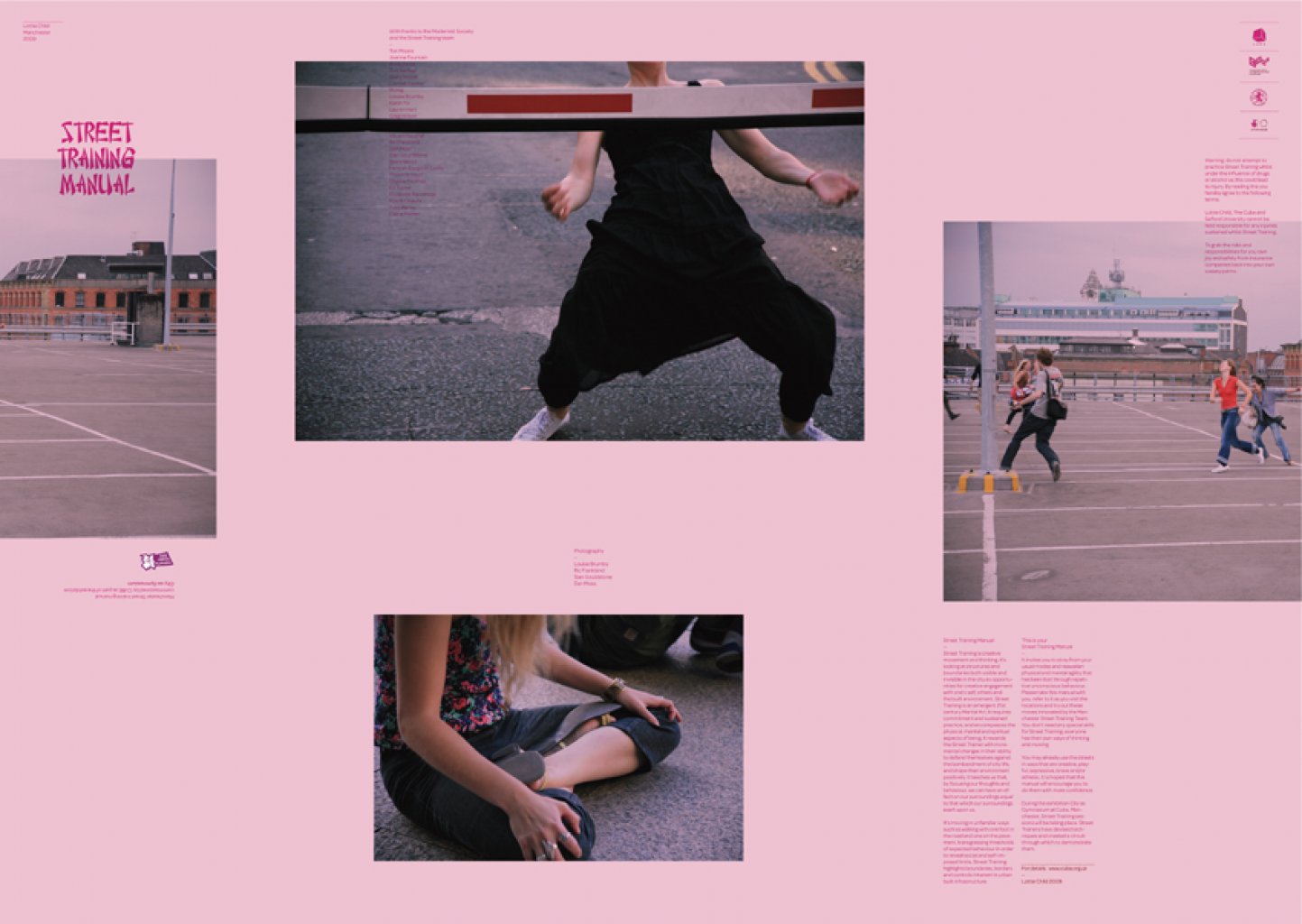
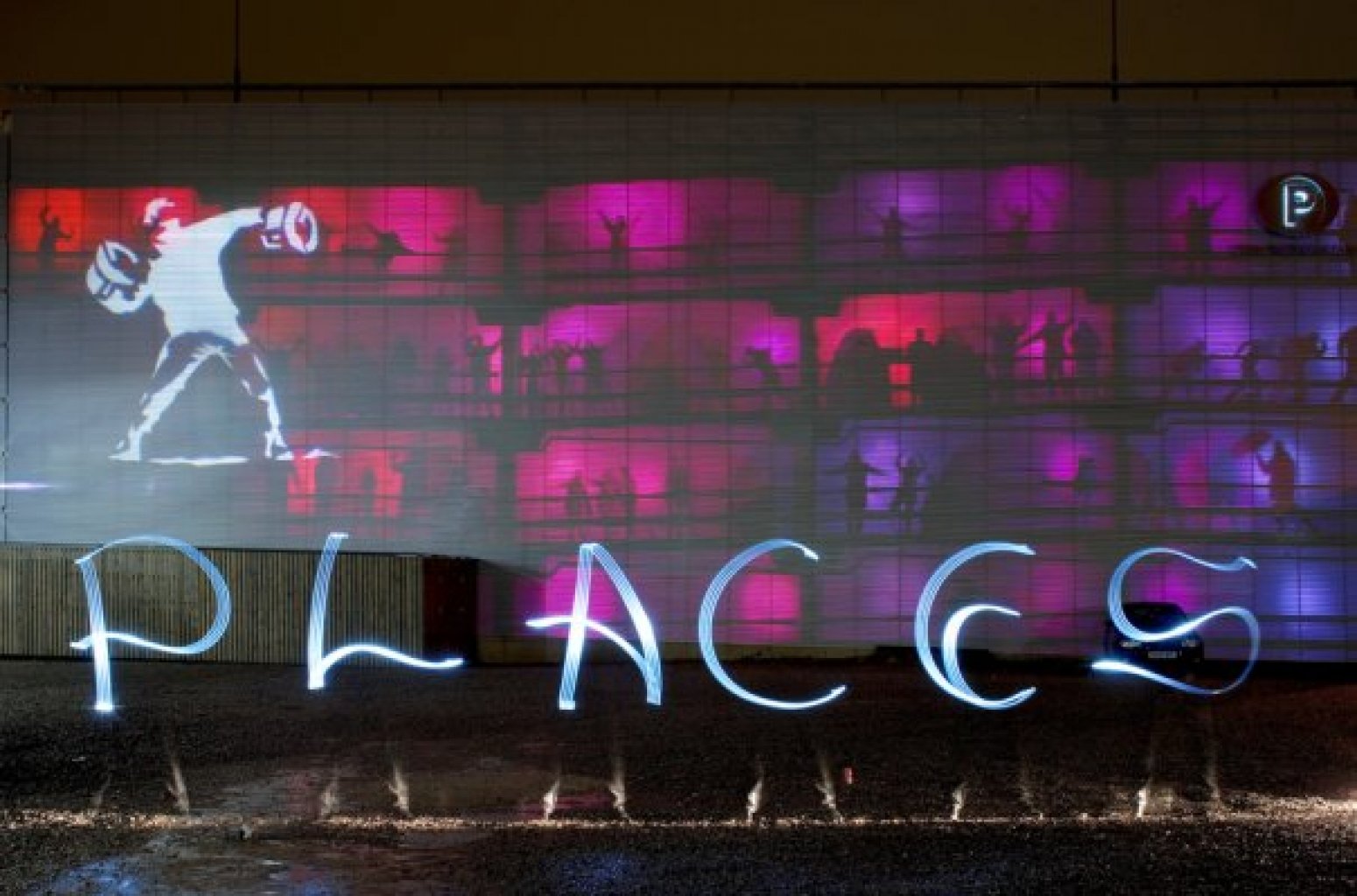
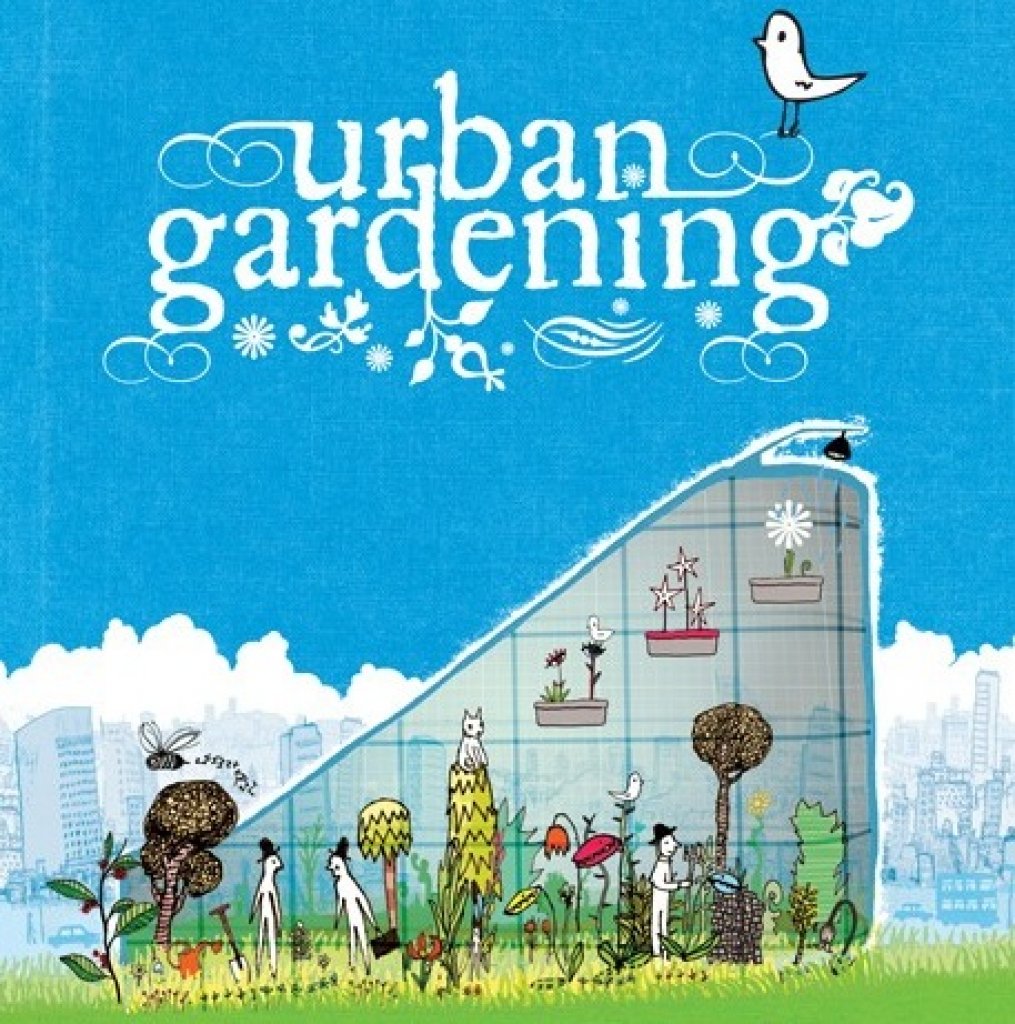
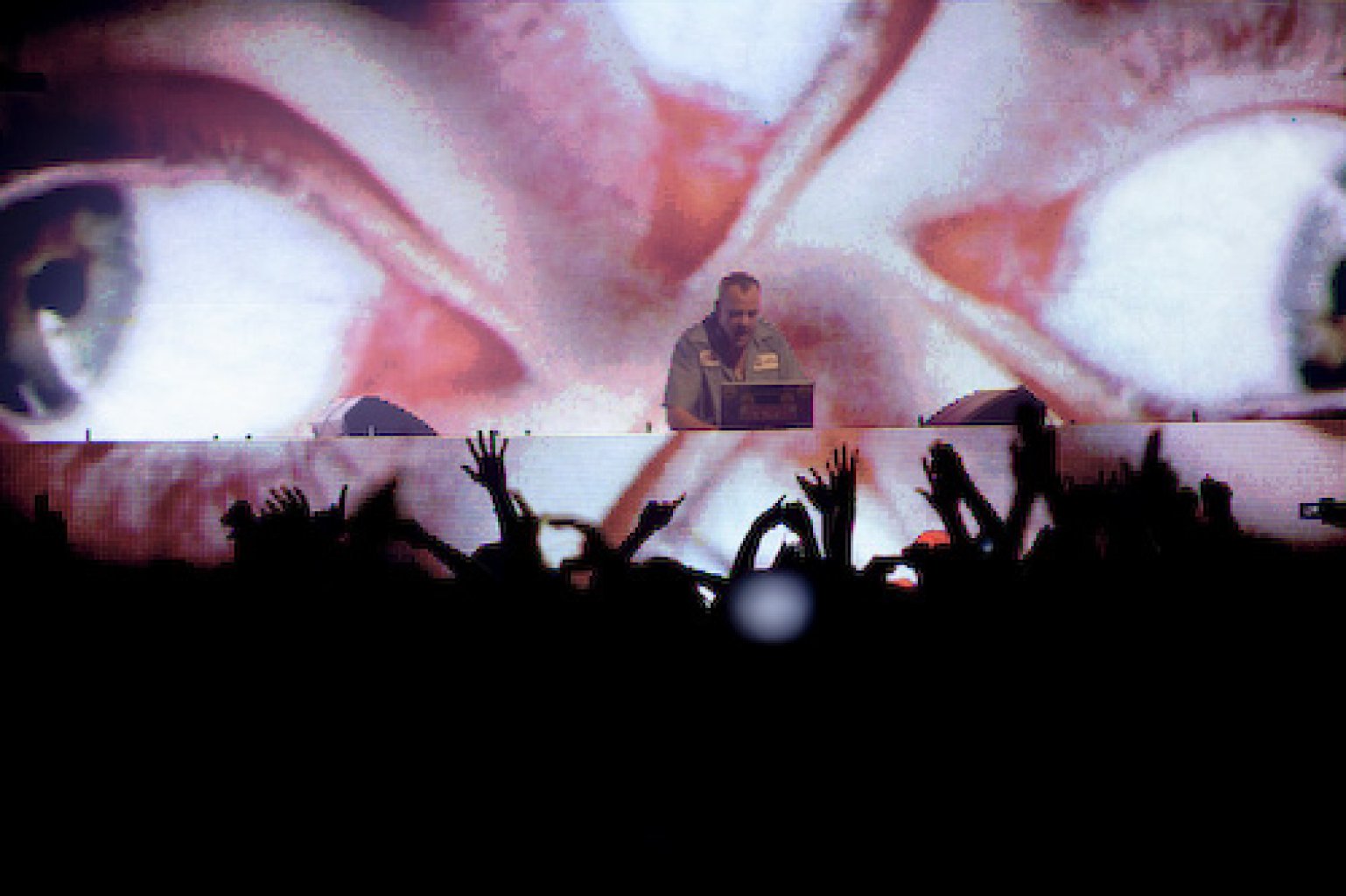
Kaushal’s work of juxtaposing digital graphic arts and videos can be seen across the country but is most evident in Manchester, where it can be currently viewed at ‘One Eleven Studios’ and ‘EASA HQ’
PhD – In conjunction with Professor John Hyatt (MIRIAD), Dr Nick Dunn (MSA), Dr Martin Stanton (MMU's Department of Computing and Mathematics)
• Cultural Production and Consumption
• Mind Mapping and Collective intelligence
• Information Transformation.
• Collaborative Systems and Frameworks
• Genes, Memes and Human Algorithms
• Intelligent artifacts (I.A) and Ubiquitous computing
• Cooperation, Communication, and Collaboration
• Data-driven Design / Democratic design
Research
A selection of recent research outputs.Artefacts
Kaushal, V., 2010. '>>>>>>>', >>>>>>>.